
Holzsteg über die Lütschine bei Gsteig — History & Facts
Could beauty survive in a century of chaos? As we gaze upon a tranquil landscape, we find ourselves at the intersection of nature's splendor and the inevitability of decay. Look to the center of the canvas, where a wooden footbridge stretches across a shimmering stream. The vivid greens of the surrounding foliage contrast sharply with the delicacy of the structure, emphasizing its vulnerability against the vastness of the untamed wilderness. Notice how the sunlight filters through the leaves, casting dappled shadows on the water's surface, evoking a sense of serenity juxtaposed with the passage of time.
The artist's masterful brushwork captures the fluidity of the stream and the solid yet ephemeral nature of the bridge. Delve deeper into the scene, and you'll uncover a tension between the idyllic beauty of the landscape and the subtle signs of decline. The bridge, though sturdy, hints at its own fragility, suggesting that even the most serene moments are tinged with the awareness of impermanence. The gentle flow of the stream acts as a reminder of time’s relentless march, while the vibrant colors invite both reflection and melancholy, resonating with the fragility of life itself. Created in 1774, this painting emerged during a transformative time for Caspar Wolf in Switzerland, as he was navigating the complexities of Romanticism and the burgeoning appreciation for nature’s beauty in art.
It reflected the wider European artistic movement, which began to embrace deeper emotional themes amid societal upheaval and change. Wolf’s connection to the landscape he depicted not only captured its physical essence but also resonated with the human experience of beauty amidst inevitable decay.
More Artworks by Caspar Wolf
Browse all →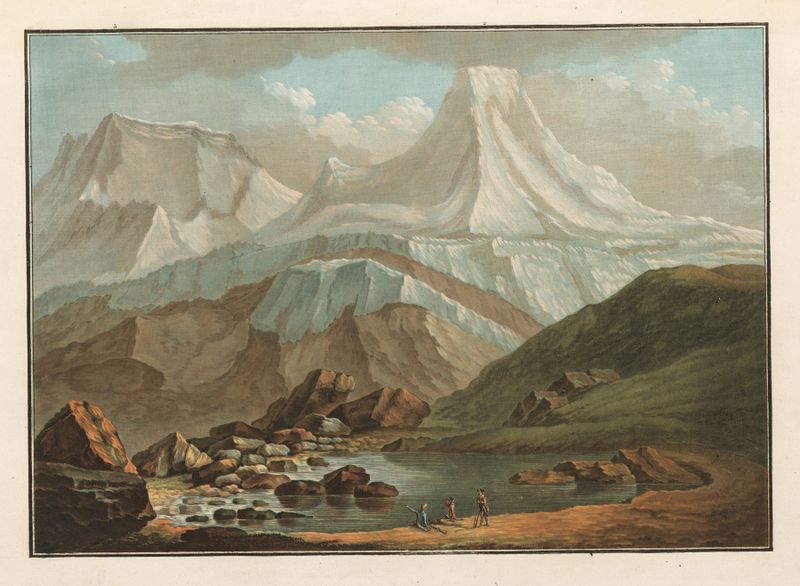
Vue du Gross-Horn et du Breit-Horn avec le petit lac d’Oberhorn
Caspar Wolf
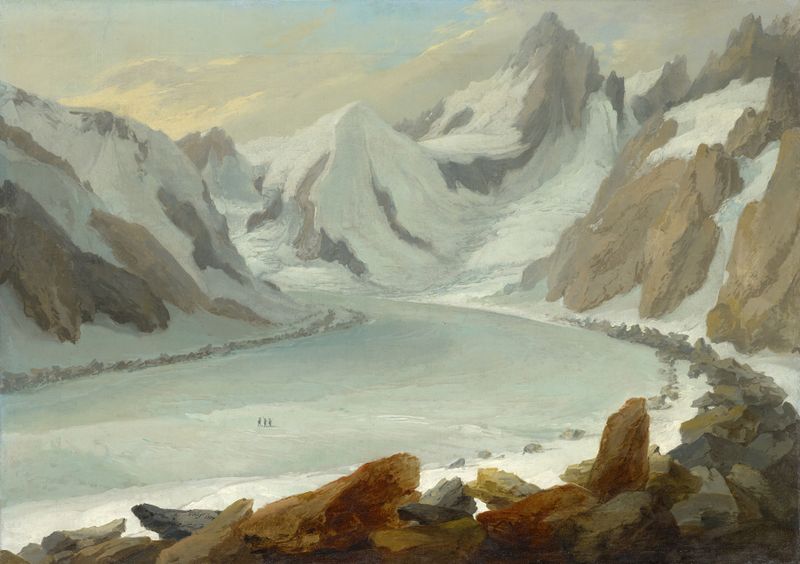
Finsteraargletscher mit Blick auf das Finsteraarhorn
Caspar Wolf
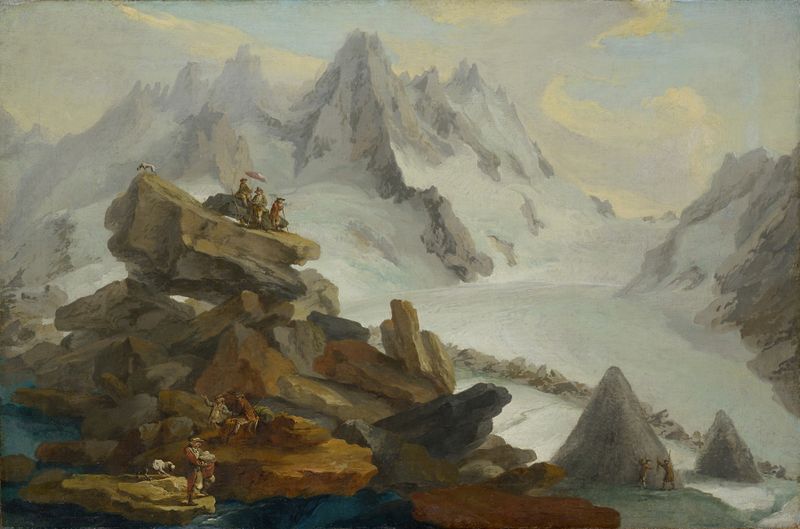
Glacier Lauteraar
Caspar Wolf

Glacier de Lauteraar Canton de Berne Province d’Oberhasli
Caspar Wolf
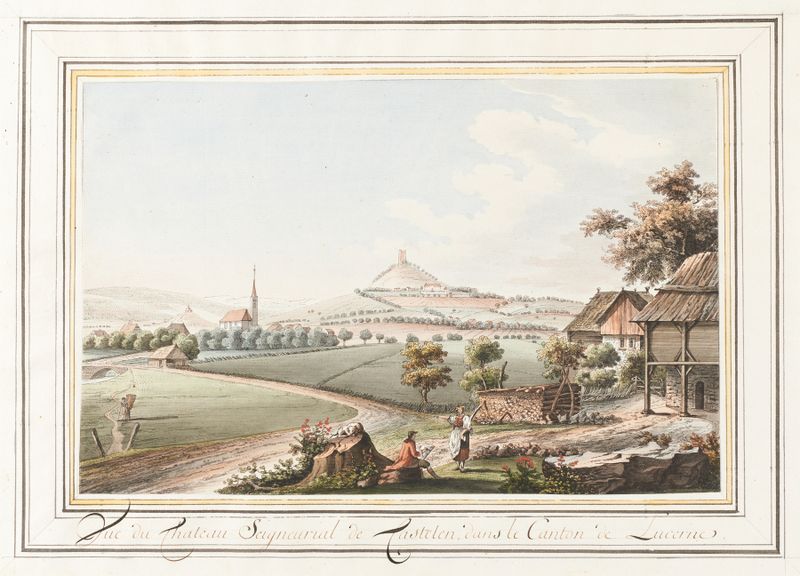
Vue du Chateau Seigneurial de Castelen dans le Canton de Lucerne
Caspar Wolf

Wasserfall im Tobel bei Muri
Caspar Wolf
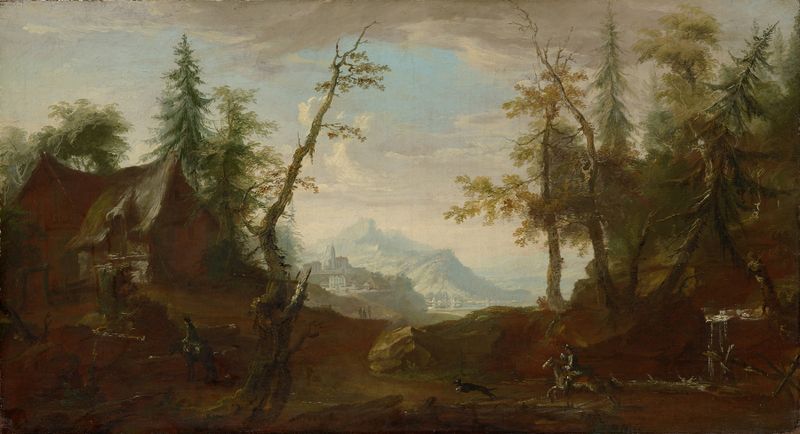
Farmhouse in a Forest Glade with Riders
Caspar Wolf
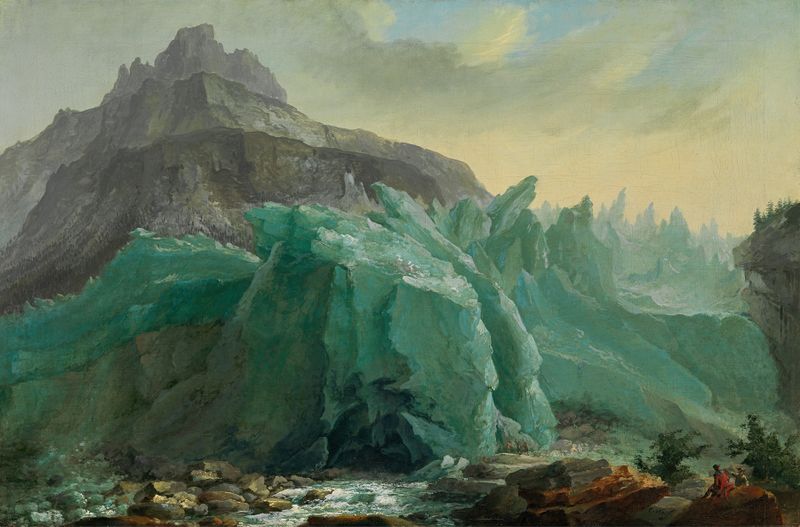
The Lower Grindelwald Glacier with Lütschine and the Mettenberg
Caspar Wolf
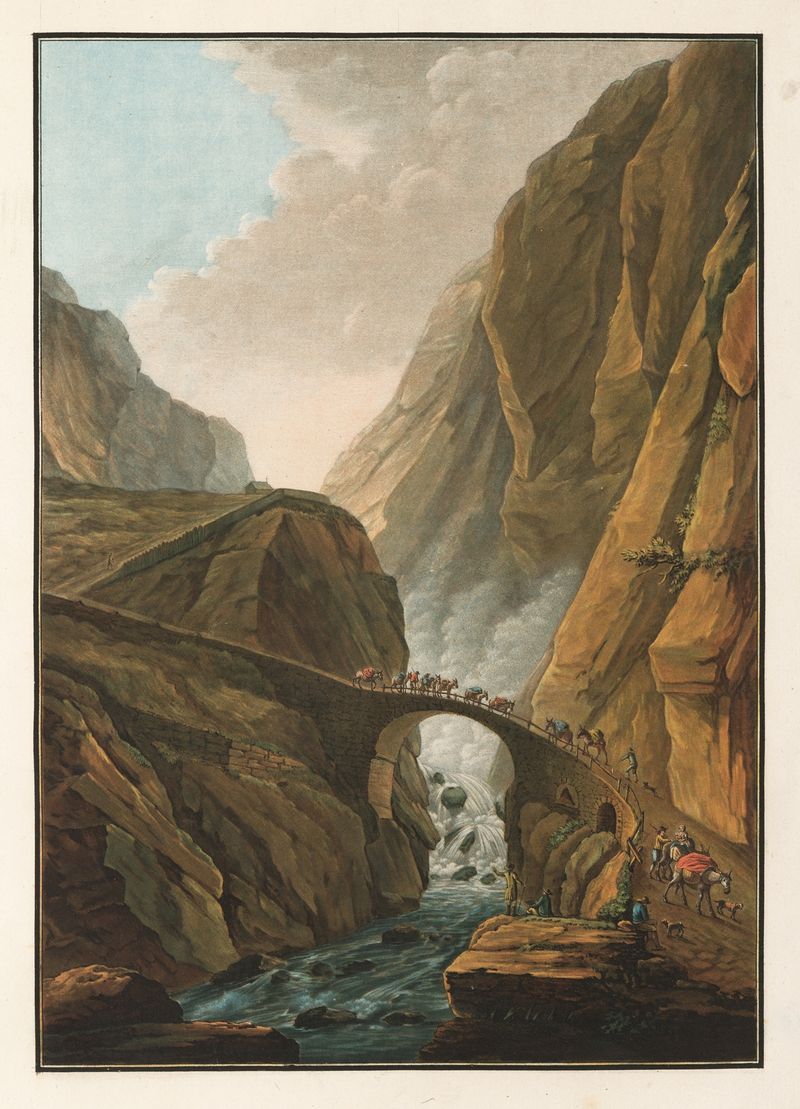
Teufelsbrücke
Caspar Wolf
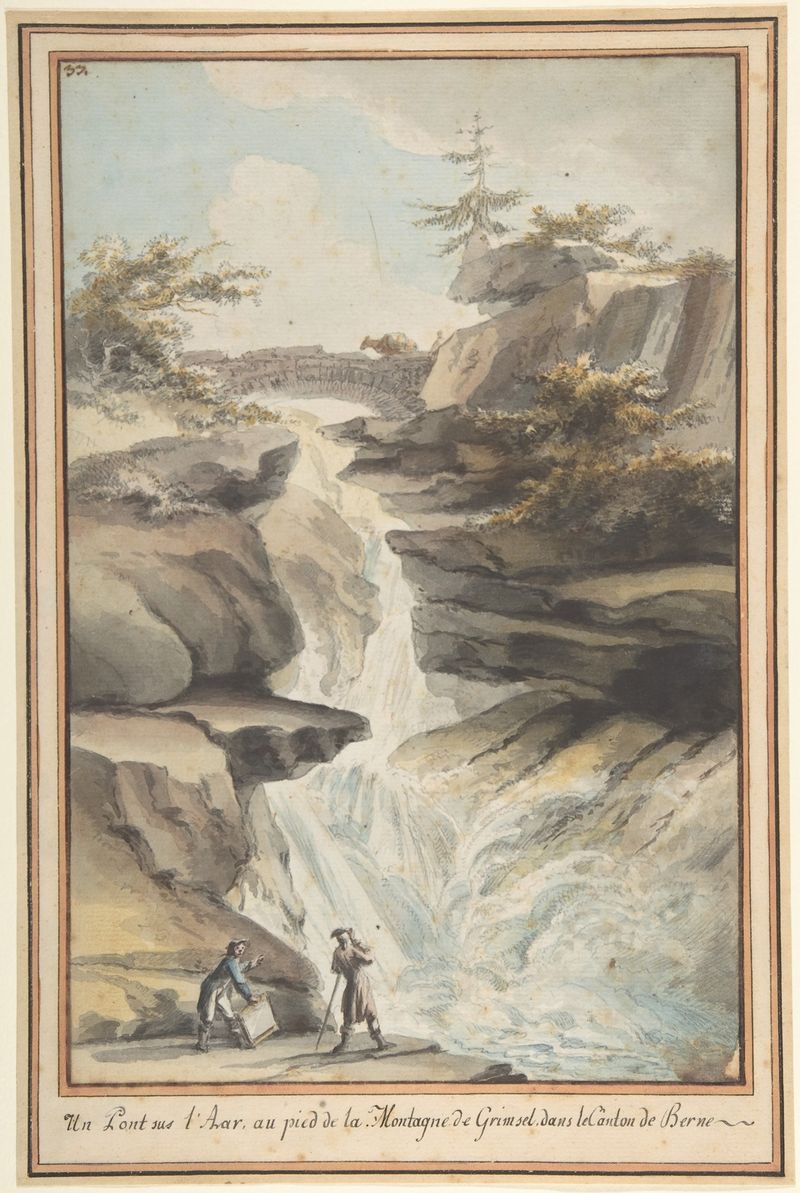
A Bridge on the Aar, at the Foot of the Grimsel, in the Canton of Berne
Caspar Wolf





