
Homestead — History & Facts
Could a single brushstroke hold eternity? In Homestead, the essence of rebirth is captured within the gentle embrace of nature and the humble abode at its heart. Here, the setting serves not just as a backdrop, but as a symbol of renewal and the enduring cycle of life. Look to the right at the weathered wooden fence, its colors softened by time, guiding your gaze toward the modest farmhouse nestled amid lush greenery. Notice how the light falls upon the thatched roof, casting a warm glow that suggests the home is alive with stories, waiting to be told.
The artist's deft brushwork brings a textured richness to the landscape, blending hues of deep green with the soft earth tones of the architecture, creating a harmony between human existence and the natural world. The contrasts in the painting resonate deeply: the sturdy structure stands firm against the gentle encroachment of overgrowth, symbolizing resilience amidst the relentless march of time. The interplay of light and shadow not only delineates space but evokes a sense of tranquility, inviting contemplation of the lives led within those walls. Each element serves to underline a narrative of hope, a reminder that even in fading moments, life continues to blossom anew. In 1874, when this work was created, the artist lived in a rapidly changing America, marked by industrialization and urban expansion.
Residing in the picturesque landscapes of the Hudson River Valley, Lamson Henry aimed to capture the simplicity of rural life at a time when such scenes were beginning to fade. His devotion to representing the dignity of everyday existence reflects a broader movement within art, as it sought to convey the beauty of ordinary moments before they vanished into memory.
More Artworks by Edward Lamson Henry
Browse all →
The Attack on Chew's House during the Battle of Germantown, 1777
Edward Lamson Henry
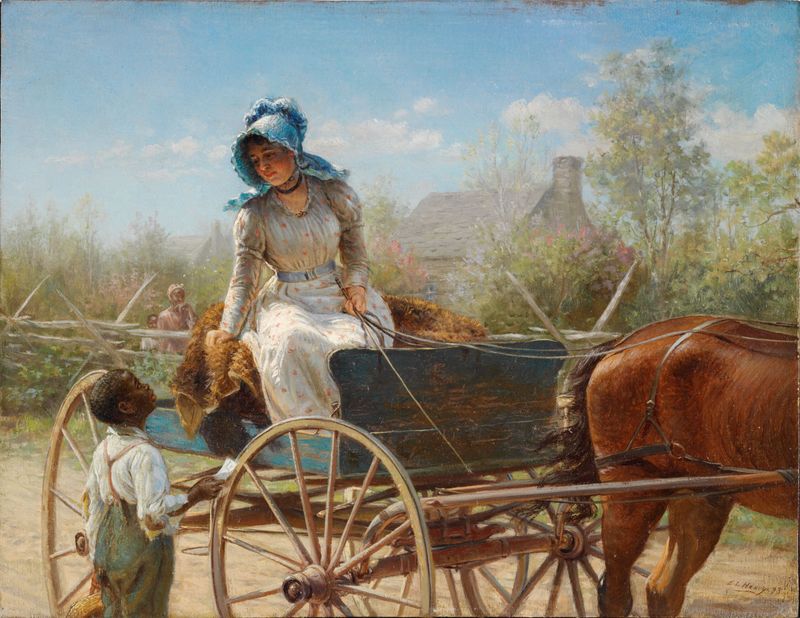
The Message
Edward Lamson Henry
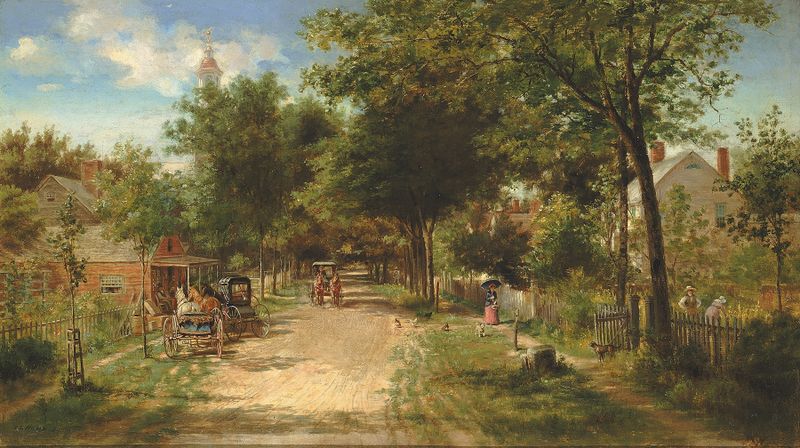
The Country Store
Edward Lamson Henry
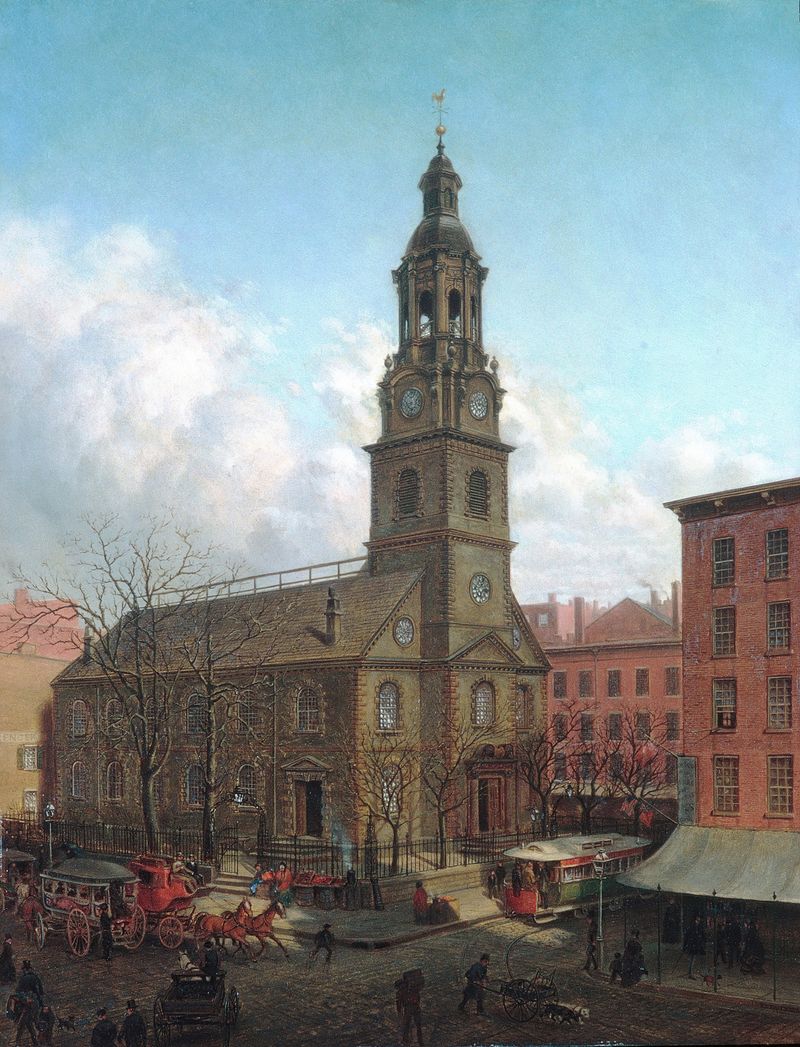
The North Dutch Church, Fulton and William Streets, New York
Edward Lamson Henry
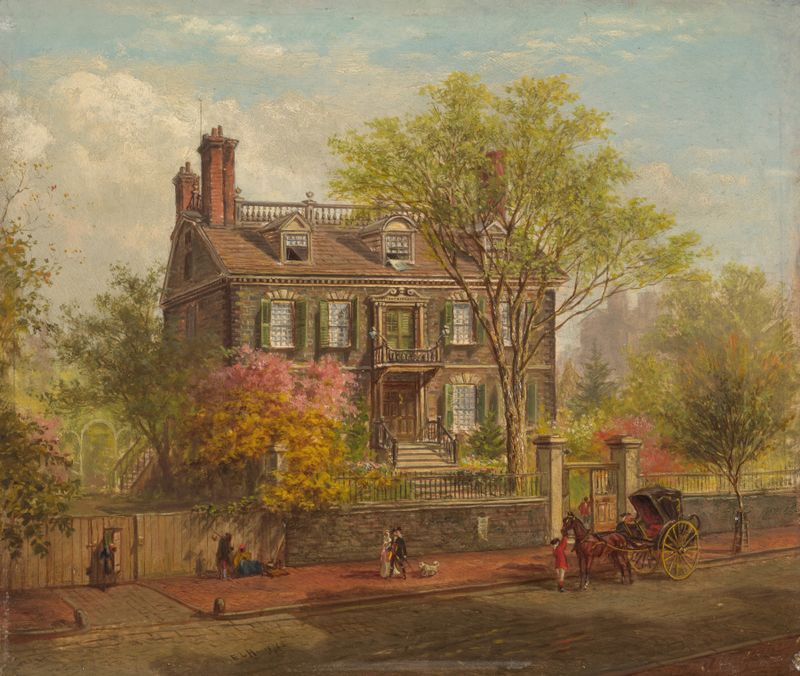
The John Hancock House
Edward Lamson Henry
Going to Town
Edward Lamson Henry
Mountain Carriage (Saugerties)
Edward Lamson Henry

Old Hook Mill, Easthampton
Edward Lamson Henry
The Old Westover House
Edward Lamson Henry

The 9;45 A.M. Accommodations, Stratford, Connecticut
Edward Lamson Henry





