
Going to Town — History & Facts
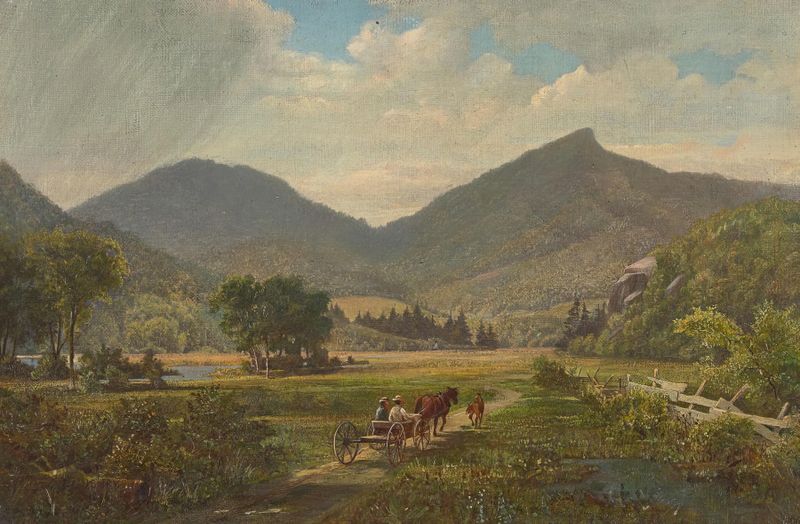
When did color learn to lie? In a world often bursting with noise, silence can hold more weight than words. Begin your journey by looking closely at the soft hues that envelop the canvas, where gentle earth tones mingle with muted pastels. Notice how they weave through the composition, guiding your eye towards the figures moving purposefully through their surroundings. The balanced brushstrokes create a sense of calm, evoking a stillness that contrasts sharply with the bustling life of the town just beyond the frame. Delve deeper into the subtle interplay of light and shadow; the soft glow that frames the figures suggests an underlying tension.
The solitary figures convey a narrative of intention and purpose, yet their expressions remain inscrutable, as if hiding their thoughts beneath a veneer of tranquility. This dynamic invites contemplation of human experience—what is left unsaid in moments that appear serene but pulse with unvoiced stories. The artwork emerged from a period in which the artist captured the everyday life of America, likely during the late 19th century. As modernity crept into society, transforming the landscape, the artist found himself amidst an artistic revival that emphasized realism.
This context, combined with personal experiences and observations, undoubtedly influenced the creation of this compelling piece, reflecting a snapshot of life that resonates with a timeless sense of stillness.
More Artworks by Edward Lamson Henry
Browse all →
The Attack on Chew's House during the Battle of Germantown, 1777
Edward Lamson Henry
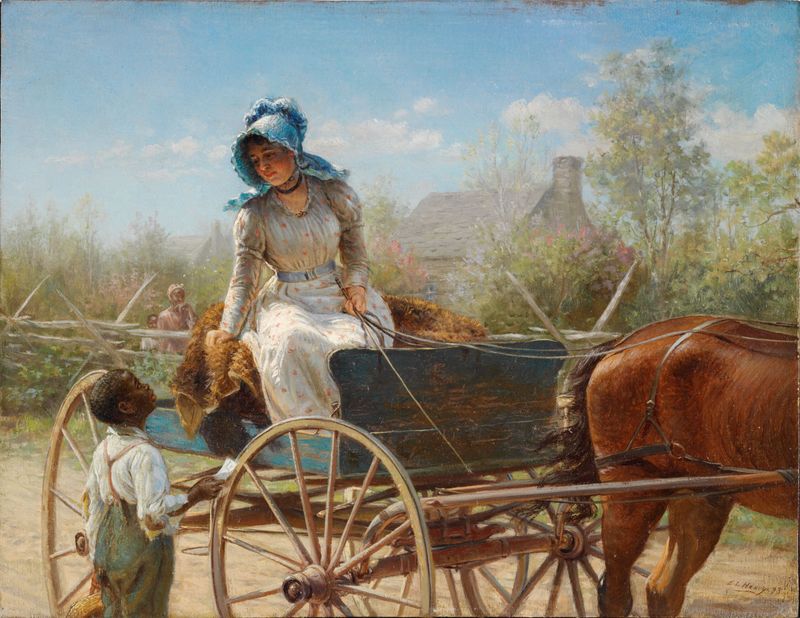
The Message
Edward Lamson Henry
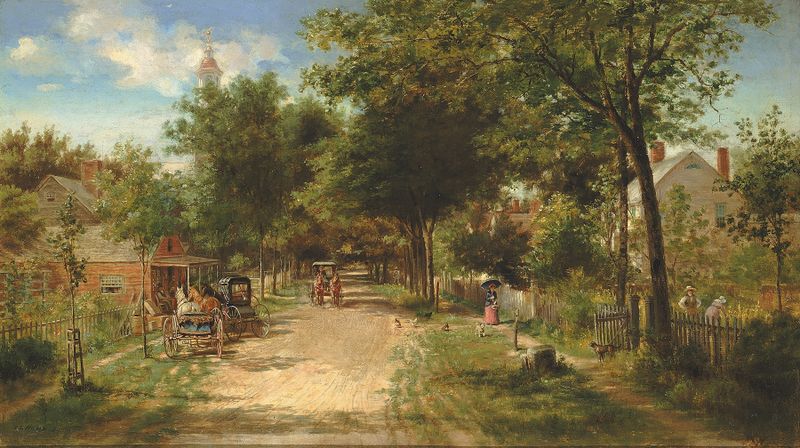
The Country Store
Edward Lamson Henry
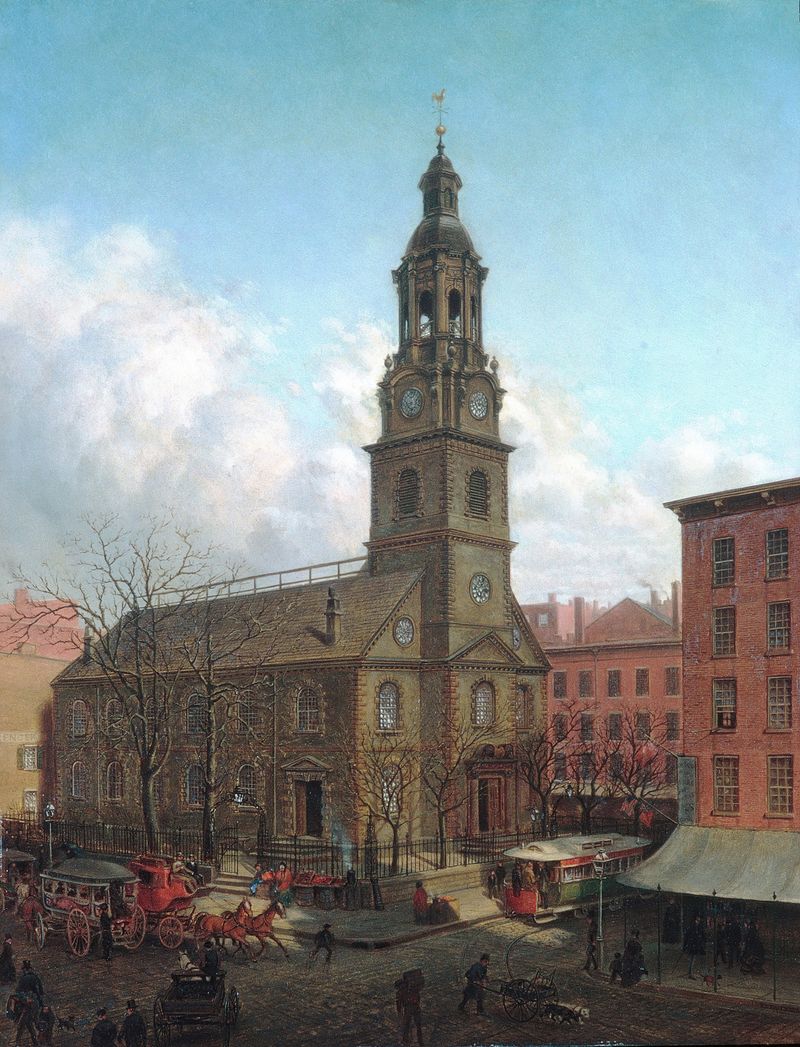
The North Dutch Church, Fulton and William Streets, New York
Edward Lamson Henry
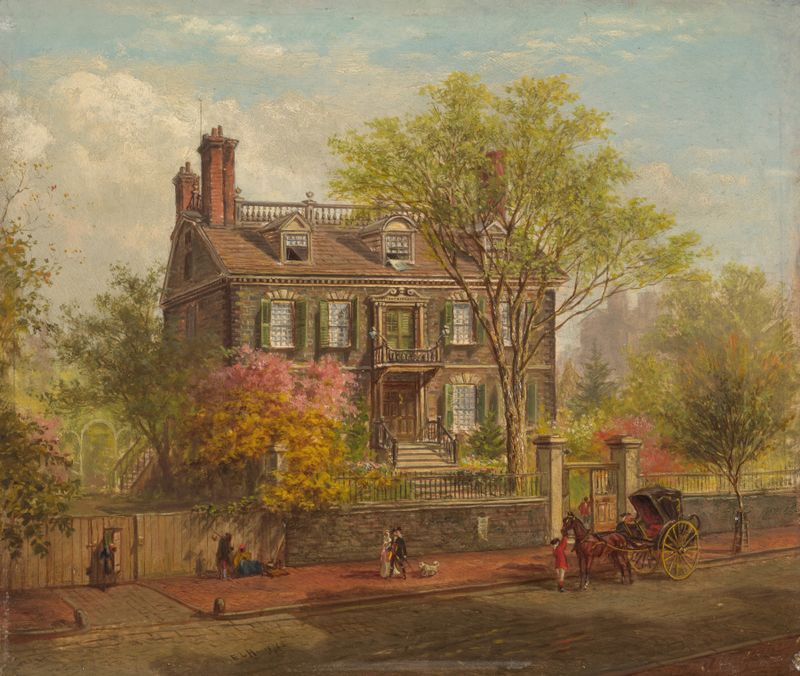
The John Hancock House
Edward Lamson Henry
Mountain Carriage (Saugerties)
Edward Lamson Henry

Old Hook Mill, Easthampton
Edward Lamson Henry
The Old Westover House
Edward Lamson Henry

Homestead
Edward Lamson Henry

The 9;45 A.M. Accommodations, Stratford, Connecticut
Edward Lamson Henry





