
The Message — History & Facts
Can paint confess what words never could? In The Message, emotions swirl beneath the surface, inviting a dialogue between the viewer and the unspoken thoughts lurking within. This artwork captures a moment where fear and vulnerability intertwine, pressing against the margins of a delicate narrative. Look to the left at the figure of a young woman, her posture tense and hesitant. The soft light streaming through the window highlights her face, illuminating her anxious gaze as she clutches a letter, its significance palpable.
The muted palette of blues and grays envelops the room, echoing the somber weight of uncertainty while the warm hues of her dress create a striking contrast, drawing the eye to her inner turmoil. Each brushstroke communicates not just form, but the very essence of her emotional state—a visual language that transcends mere words. Delve deeper, and you’ll unearth layers of meaning. The unopened letter, resting in her trembling hands, symbolizes the burden of expectations and the fear of the unknown.
The emptiness of the surrounding space amplifies her solitude, yet also suggests impending connection—what lies beyond fear? The light filtering in seems to beckon her, hinting at hope yet mingled with trepidation; it is a moment suspended between despair and possibility. In 1893, Edward Lamson Henry was immersed in a dynamic artistic landscape, having established himself in the field of American genre painting. Living in New York, he witnessed societal shifts and burgeoning modernity that influenced his work. At this time, the tension between tradition and progress permeated the art world, and Henry's explorations of human emotion through everyday scenes mirrored this evolving narrative.
More Artworks by Edward Lamson Henry
Browse all →
The Attack on Chew's House during the Battle of Germantown, 1777
Edward Lamson Henry
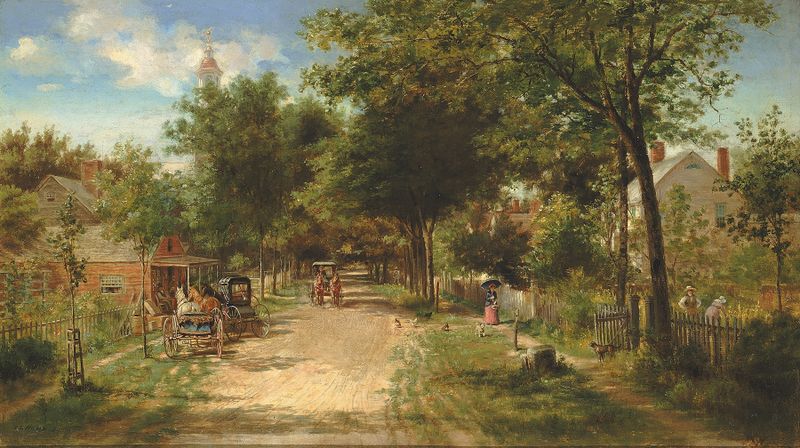
The Country Store
Edward Lamson Henry
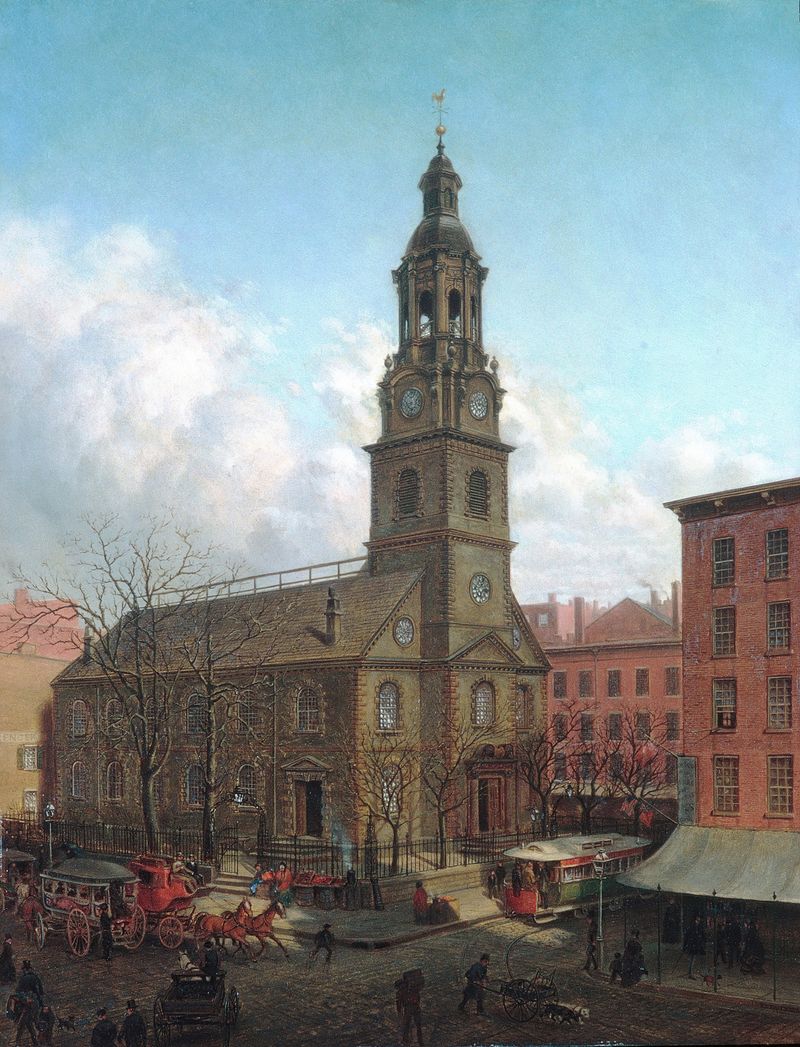
The North Dutch Church, Fulton and William Streets, New York
Edward Lamson Henry
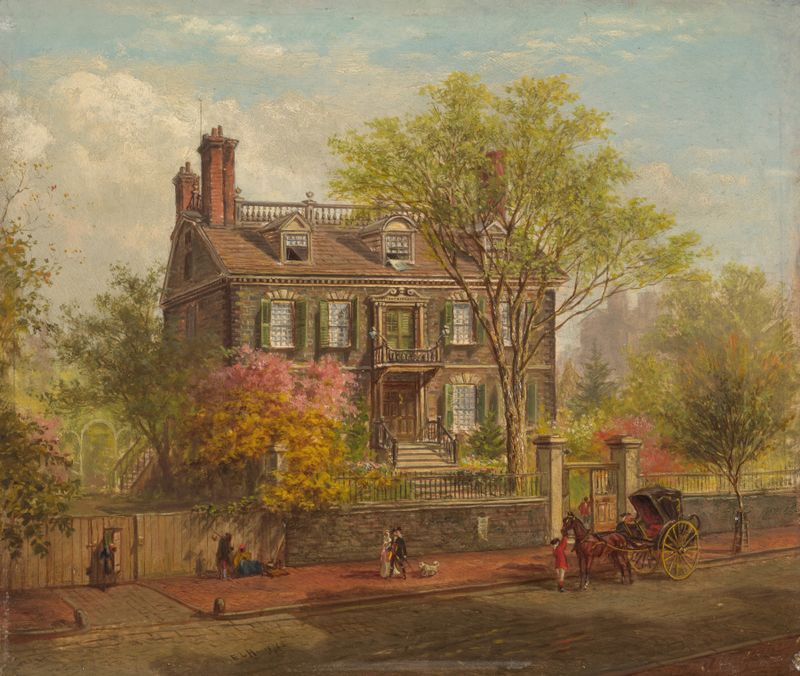
The John Hancock House
Edward Lamson Henry
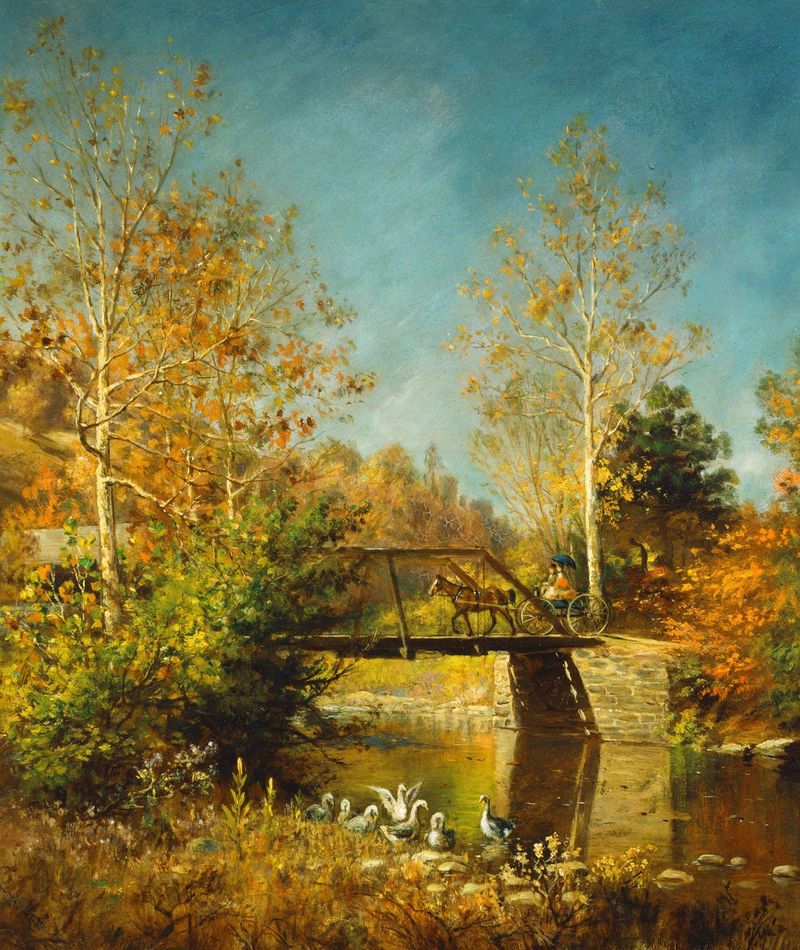
Going to Town
Edward Lamson Henry
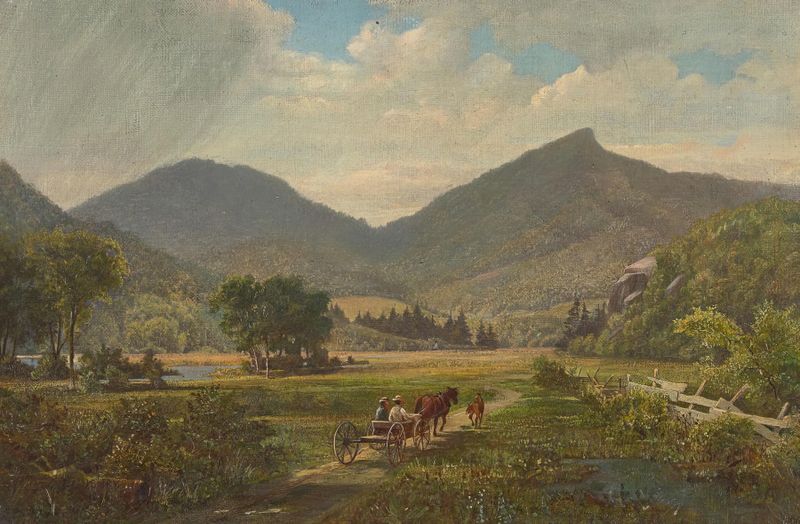
Mountain Carriage (Saugerties)
Edward Lamson Henry

Old Hook Mill, Easthampton
Edward Lamson Henry
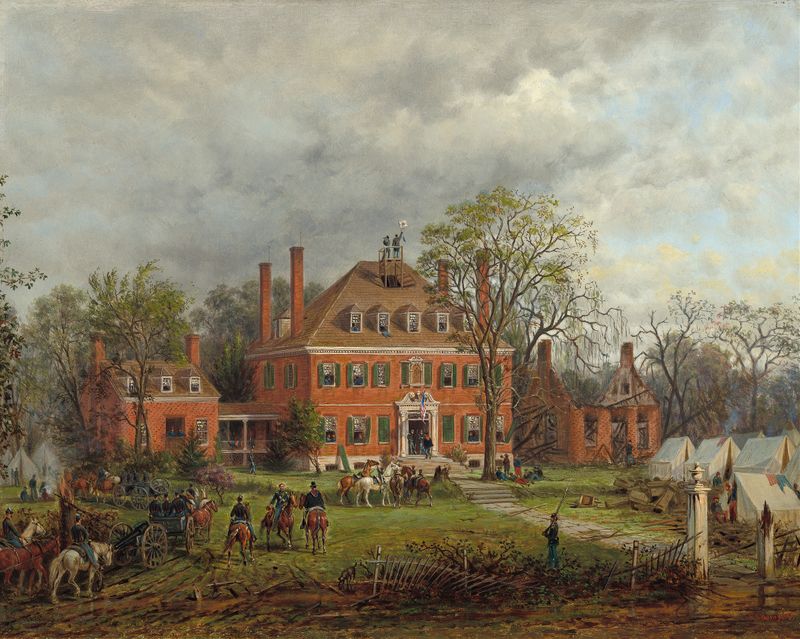
The Old Westover House
Edward Lamson Henry

Homestead
Edward Lamson Henry

The 9;45 A.M. Accommodations, Stratford, Connecticut
Edward Lamson Henry





