
The North Dutch Church, Fulton and William Streets, New York — History & Facts
Within the stillness of The North Dutch Church, Fulton and William Streets, New York, a world unfolds where every detail whispers the past, and the grandeur of architecture offers an illusion of permanence amidst fleeting time. Look to the left at the imposing façade of the church, its tall steeple piercing the sky like a solemn promise. Notice how the light dances upon the intricate stonework, revealing shadows that deepen the textures and create a contrast between the solidity of the structure and the ephemeral quality of the passing clouds. The warm hues of the brick and the cool tones of the sky engage in a visual dialogue, grounding the viewer in a moment that feels both vibrant and still. Beneath the layers of paint lies a tension between the sacred and the mundane.
The church stands as a sanctuary amidst the bustling city, yet the absence of people suggests an unsettling quiet, inviting contemplation of what once was. The contrast of the church's enduring stature against the dynamic life of New York reveals a larger conversation about faith, community, and the passage of time—a meditation on the balance between illusion and reality. Edward Lamson Henry painted this scene in 1869, during a period of great transformation in New York City as it expanded rapidly and developed its own unique identity. At this time, Henry was deeply engaged with the architectural landscapes of American cities, capturing both their beauty and their vulnerability.
This work reflects not only his personal vision but also a broader artistic movement that sought to document the evolving American experience.
More Artworks by Edward Lamson Henry
Browse all →
The Attack on Chew's House during the Battle of Germantown, 1777
Edward Lamson Henry
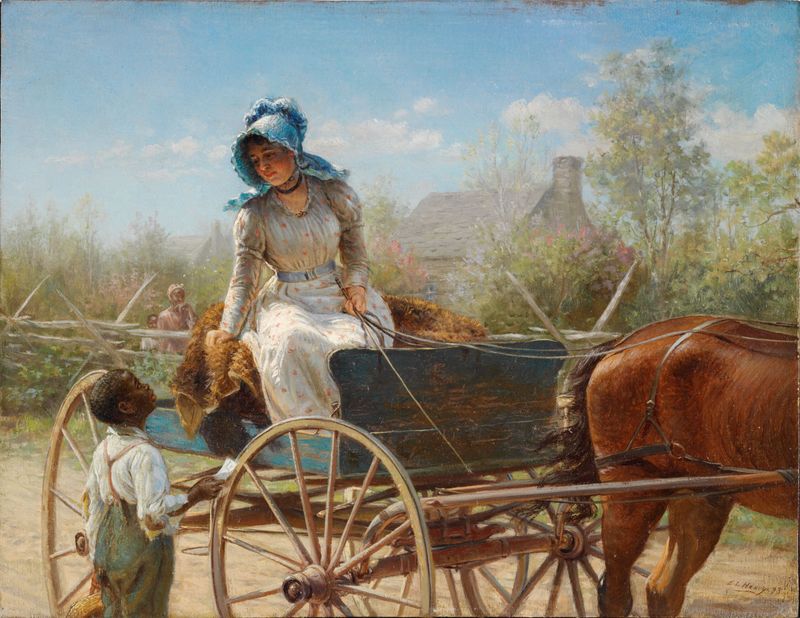
The Message
Edward Lamson Henry
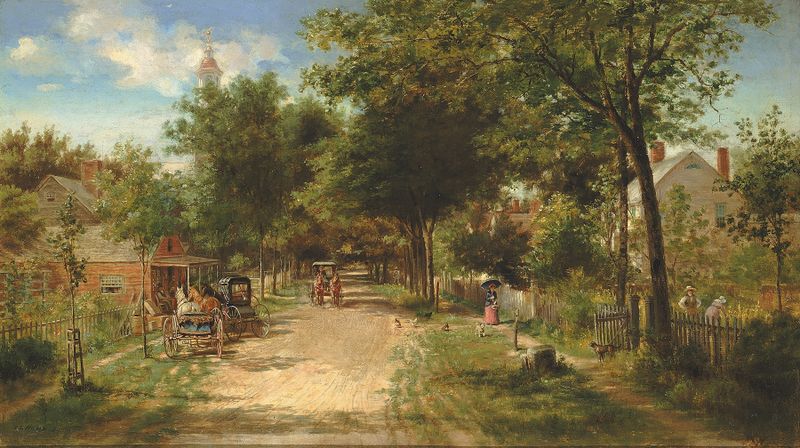
The Country Store
Edward Lamson Henry
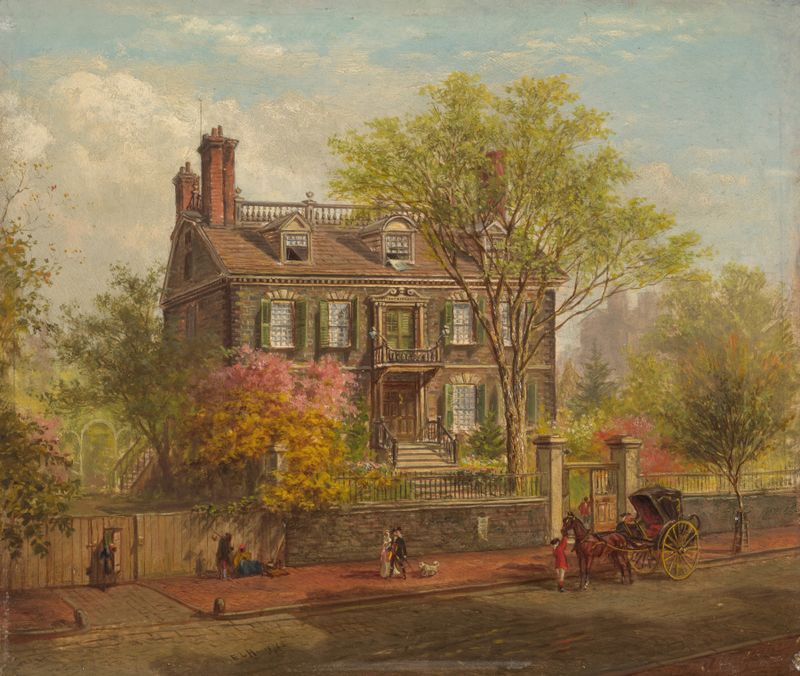
The John Hancock House
Edward Lamson Henry
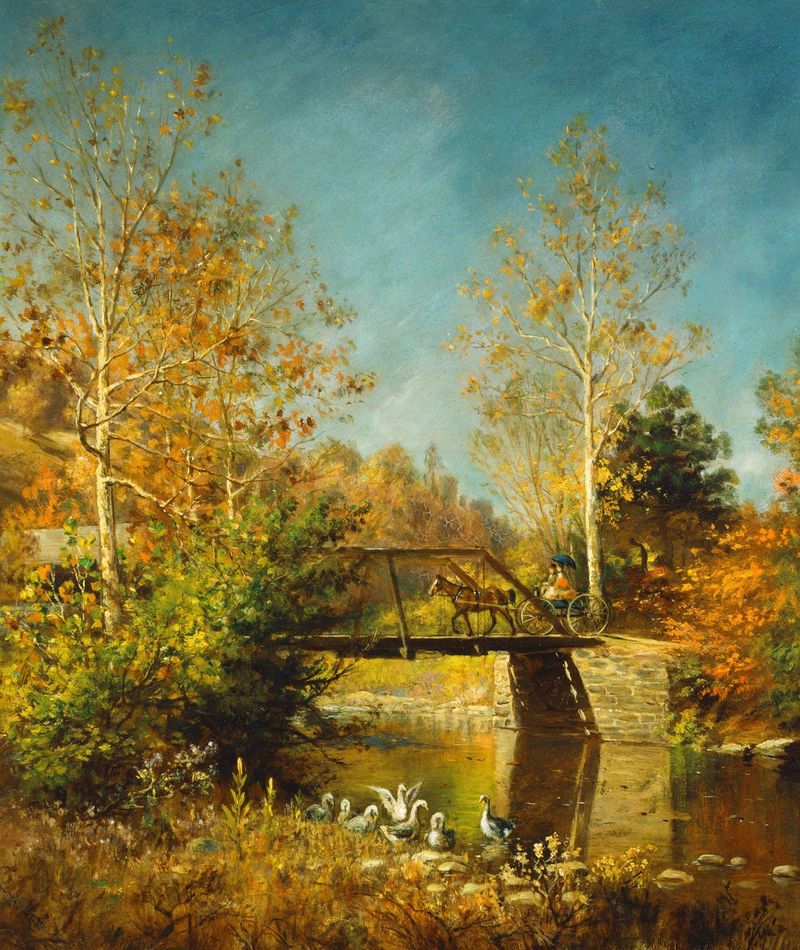
Going to Town
Edward Lamson Henry
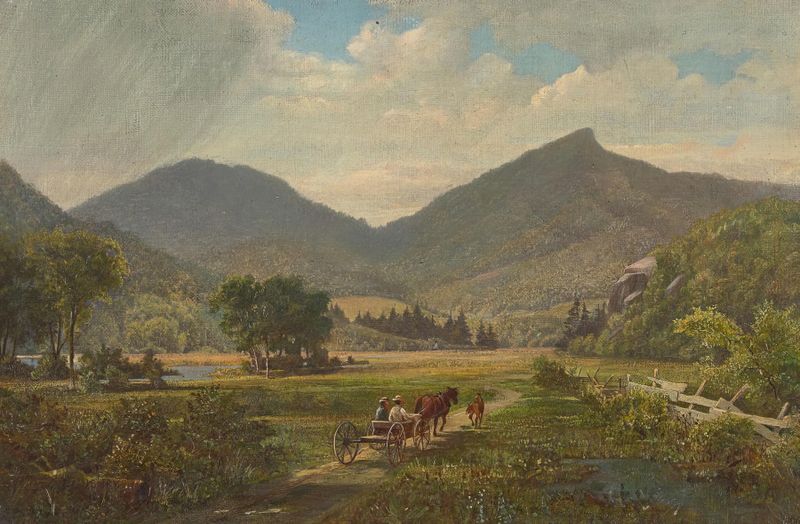
Mountain Carriage (Saugerties)
Edward Lamson Henry

Old Hook Mill, Easthampton
Edward Lamson Henry
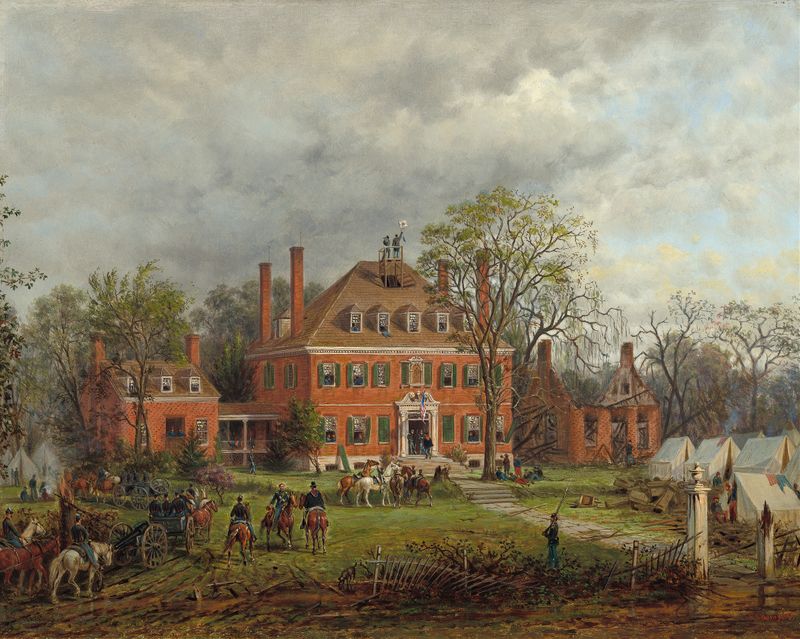
The Old Westover House
Edward Lamson Henry

Homestead
Edward Lamson Henry

The 9;45 A.M. Accommodations, Stratford, Connecticut
Edward Lamson Henry
More Architecture Art
Browse all →
The statue of Liberty
Frédéric Auguste Bartholdi

View of Houses in Delft, Known as ‘The Little Street’
Johannes Vermeer

View of Houses in Delft, Known as ‘The Little Street’
Johannes Vermeer

The Cathedral in Rouen. The portal, Grey Weather
Claude Monet

The yellow house
Vincent van Gogh

The Church in Auvers-sur-Oise, View from the Chevet
Vincent van Gogh