
Hommage à Zola — History & Facts
What first arrests the eye in Hommage à Zola is the commanding presence of a quasi-nude woman, her form rising from a writhing mass of bodies as if conjured by storm or revelation. Her posture, one arm raised to her brow, signals both vision and defiance—she looks outward, past the viewer, as though witnessing or summoning a distant future. The tangle of figures at her feet, rendered in urgent, restless lines, seem to surge upward with her, their bodies merging into the dark drapery she holds.
Light breaks across her torso, isolating her against a brooding sky and making her the axis of the scene. The drama of the composition, with its sweeping diagonals and dense shadows, invites the viewer to read this figure as an allegory—perhaps of truth, or justice, or the awakening of the masses. Created by Théophile Alexandre Steinlen between about 1879 and 1923, this lithograph belongs to an era when the boundaries between art, literature, and political engagement were dissolving. The title’s tribute to Zola—champion of the downtrodden, fearless defender in the Dreyfus Affair—places the work within the ferment of late nineteenth- and early twentieth-century France, when artists and writers alike were called to take sides.
Lithographs like this were often made for broad circulation, intended to stir debate or rally support, not simply to adorn walls. Though little is recorded about the journey of this specific print, its presence in a modern collection speaks to the enduring power of images that fuse allegory with urgent social commentary. Look again at the woman’s gaze: it asks not just to be seen, but to be understood.
More Artworks by Théophile Alexandre Steinlen

Village et charrette
Théophile Alexandre Steinlen
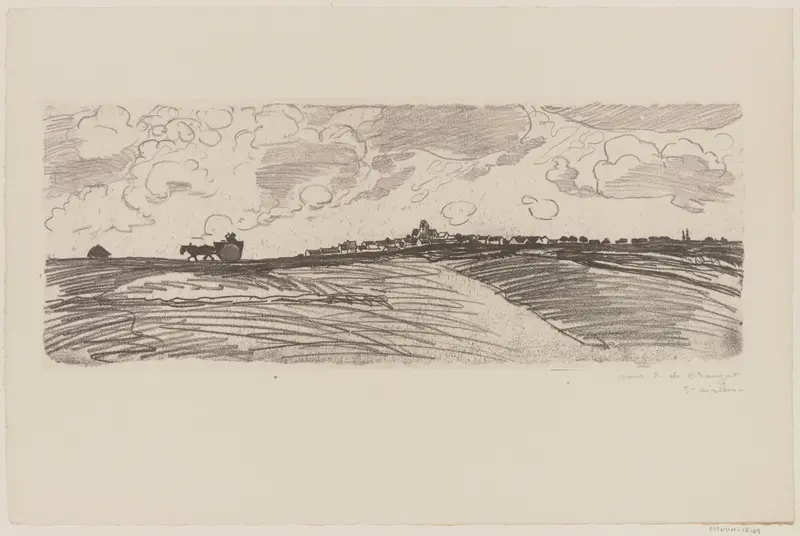
Village et charrette
Théophile Alexandre Steinlen
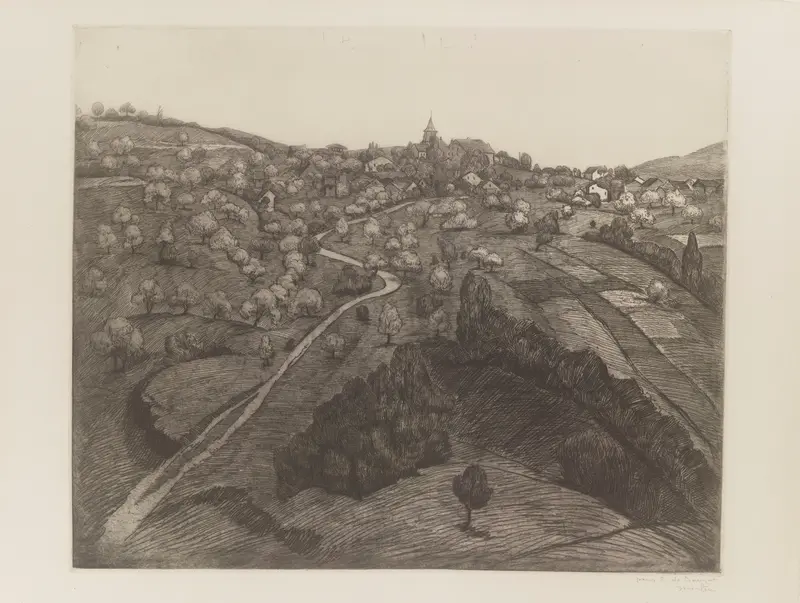
Vue de Belmont, près de Lausanne
Théophile Alexandre Steinlen
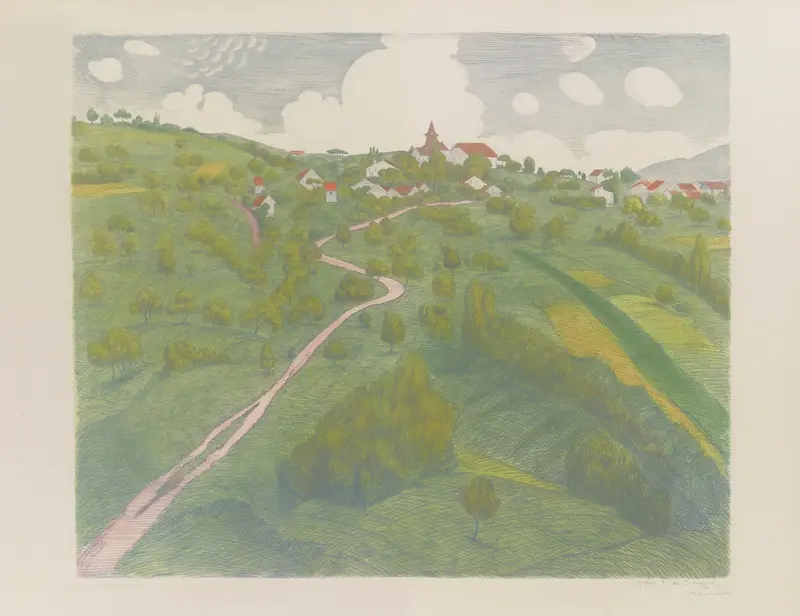
Vue de Belmont, près de Lausanne
Théophile Alexandre Steinlen
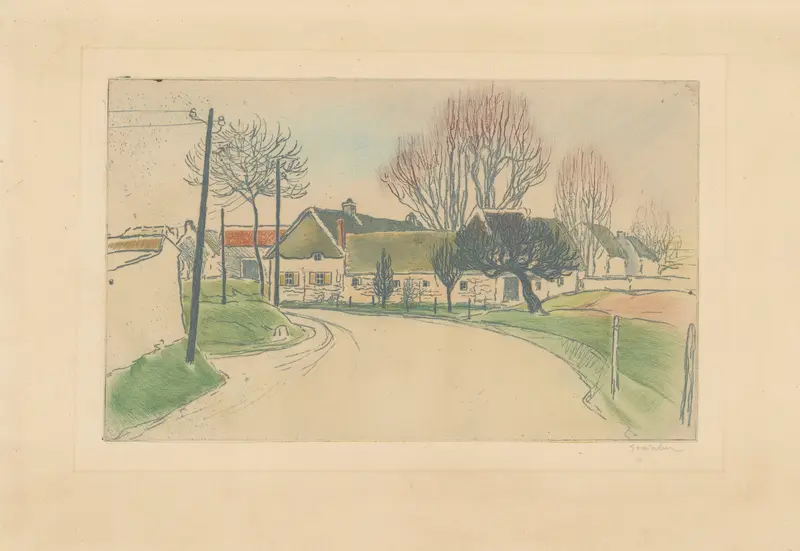
La maison à l’entrée du village
Théophile Alexandre Steinlen
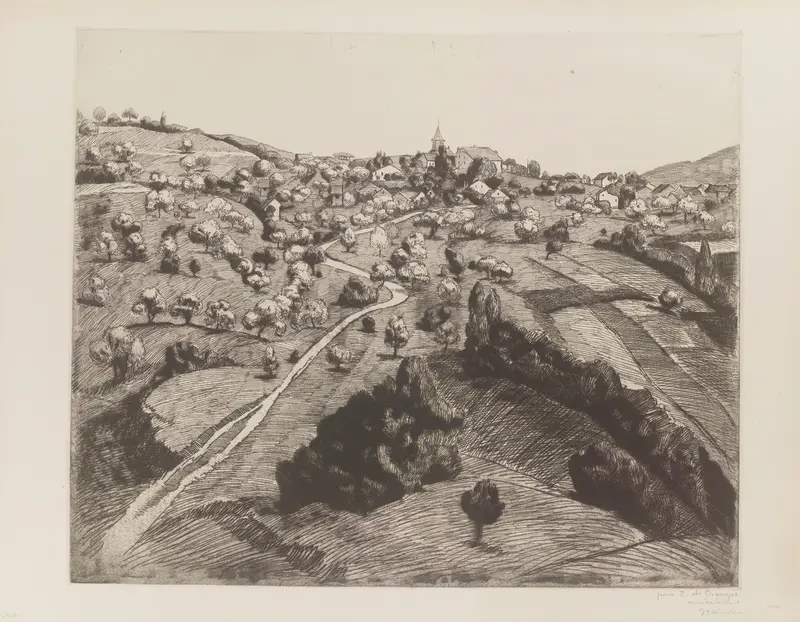
Vue de Belmont, près de Lausanne
Théophile Alexandre Steinlen
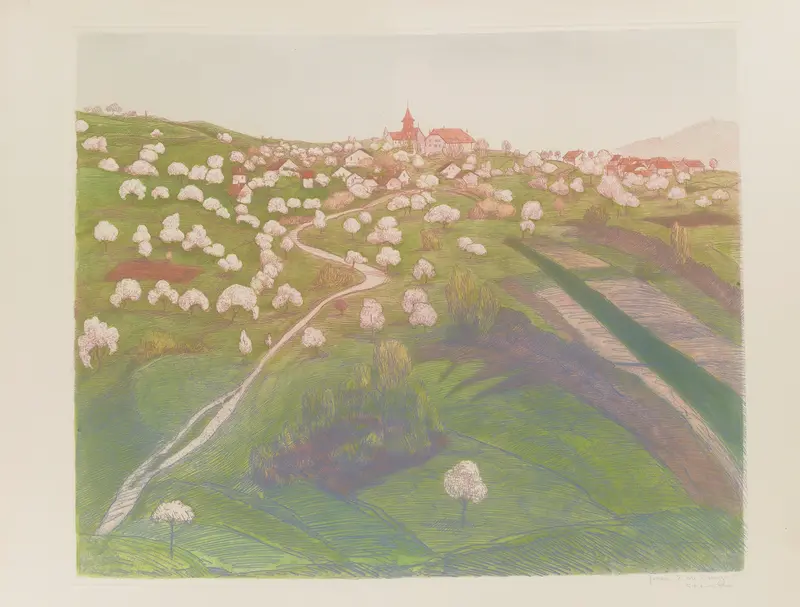
Vue de Belmont, près de Lausanne, n° 2
Théophile Alexandre Steinlen
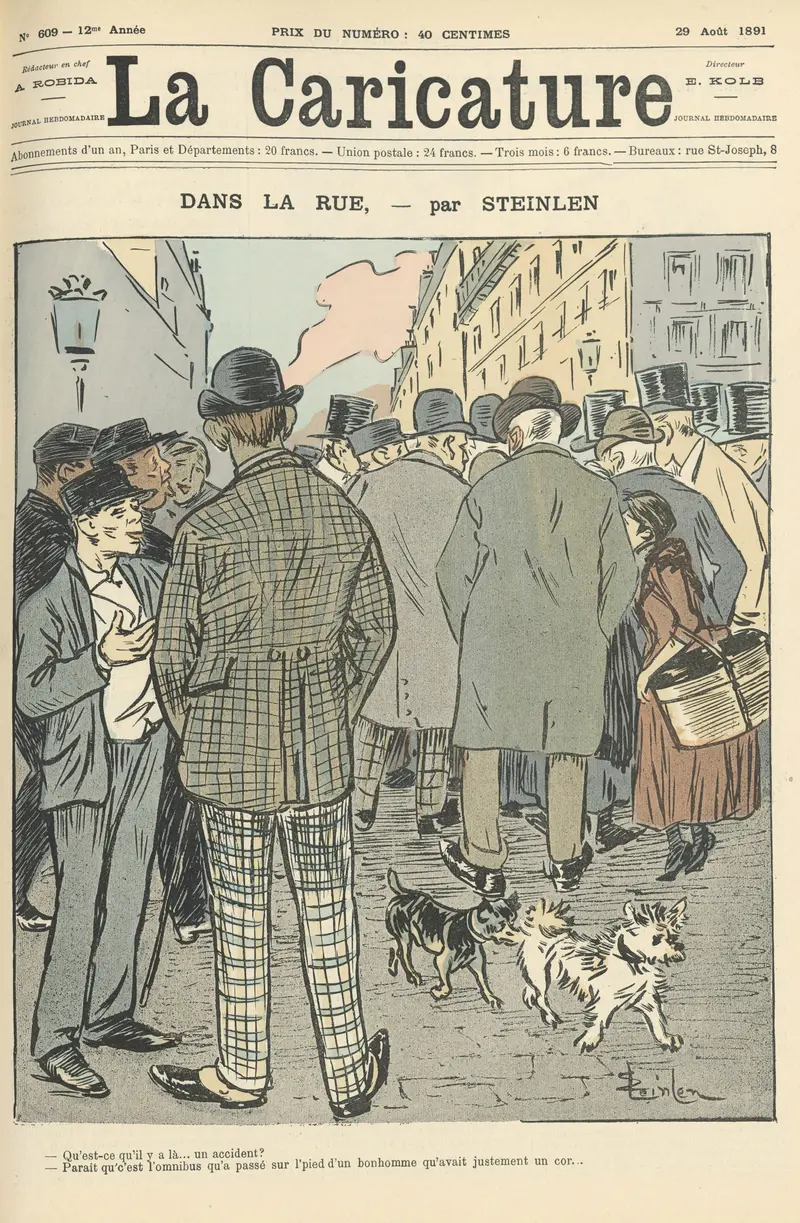
Dans la rue (La Caricature, 29 août 1891)
Théophile Alexandre Steinlen
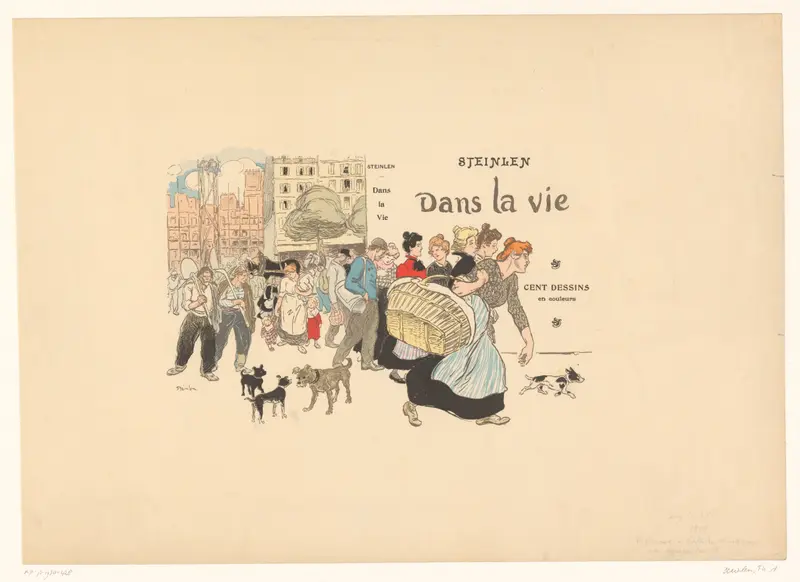
Dans la vie
Théophile Alexandre Steinlen
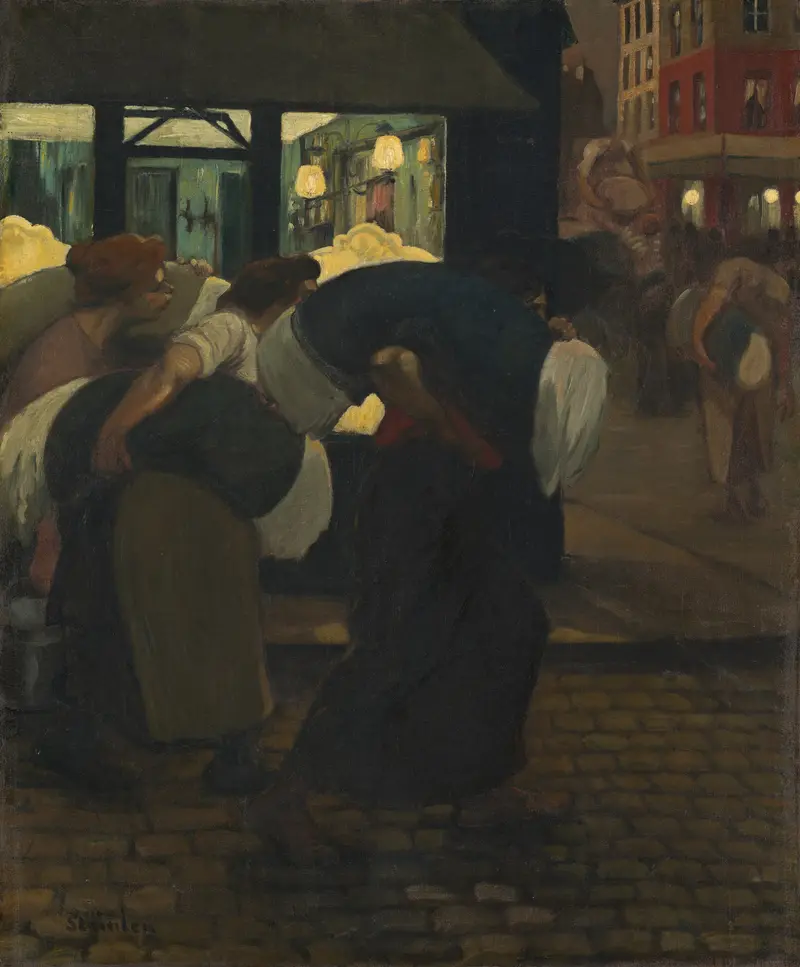
The Laundresses
Théophile Alexandre Steinlen





