
Hoogmoed (Superbia) — History & Facts
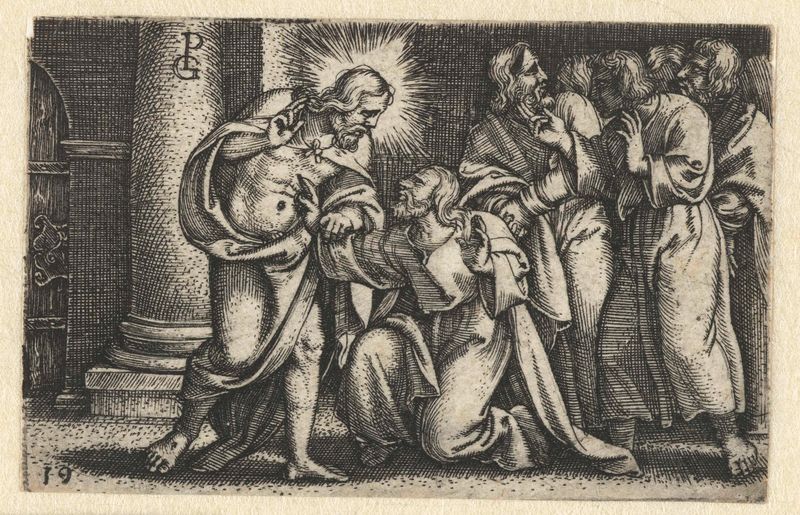
In the silent gaze of Hoogmoed, the viewer confronts a powerful testament to the weight of truth and self-deception. Here, a figure stands in sharp focus, embodying the complexity of pride with a piercing, introspective stare. The painting demands contemplation, inviting us to peer deeper into our own souls. Look to the left, where a radiant light cascades over the figure’s finely embroidered garments, illuminating the intricate details of the fabric.
This contrast between luminosity and shadow amplifies the emotional gravity of the scene. Notice how the artist has chosen a muted palette for the background, allowing the subject to emerge vibrantly yet alone. Each brushstroke captures the nuances of fabric and flesh, merging realism with an almost palpable tension, as if the figure is simultaneously aware of their grandeur and the folly that accompanies it. The act of looking closely reveals the duality of the subject's expression—an unsettling mixture of confidence and vulnerability.
Their posture, erect yet slightly withdrawn, hints at a deep internal conflict, a truth masked by the guise of superiority. Surrounding elements, such as the subtle textures and muted colors, serve as a reminder of the ephemeral nature of pride, suggesting that self-importance can only shield us from reality for so long. At the time Hoogmoed was created, Georg Pencz was deeply immersed in the Northern Renaissance, a period rich with exploration of human emotion. Painted between 1539 and 1543, the work reflects his transition from the influences of Dürer to a more personal style.
This was an era when artists sought to convey inner truths against a backdrop of rapidly changing societal values, making this piece not just a reflection of its time but an enduring exploration of the human condition.
More Artworks by Georg Pencz
Browse all →
Parabel van de zaaier
Georg Pencz

Parabel van de arbeiders in de wijngaard
Georg Pencz
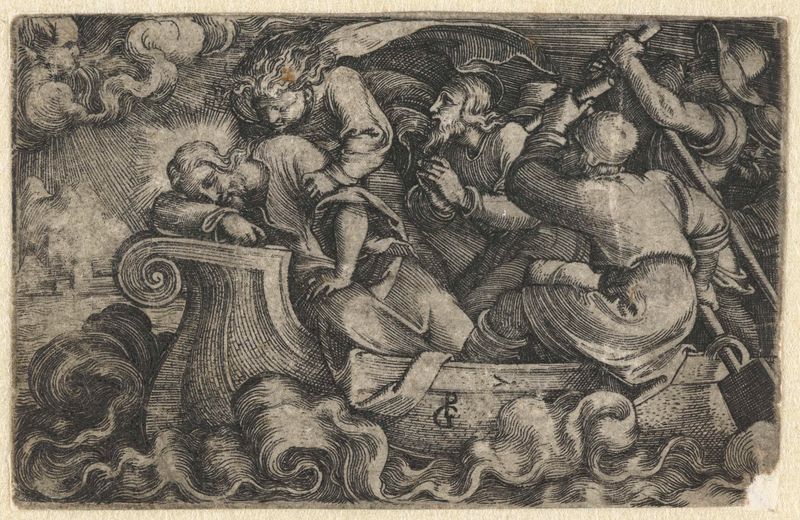
Discipelen wekken slapende Christus tijdens storm op Meer van Galilea
Georg Pencz

Afgunst (Invidia)
Georg Pencz
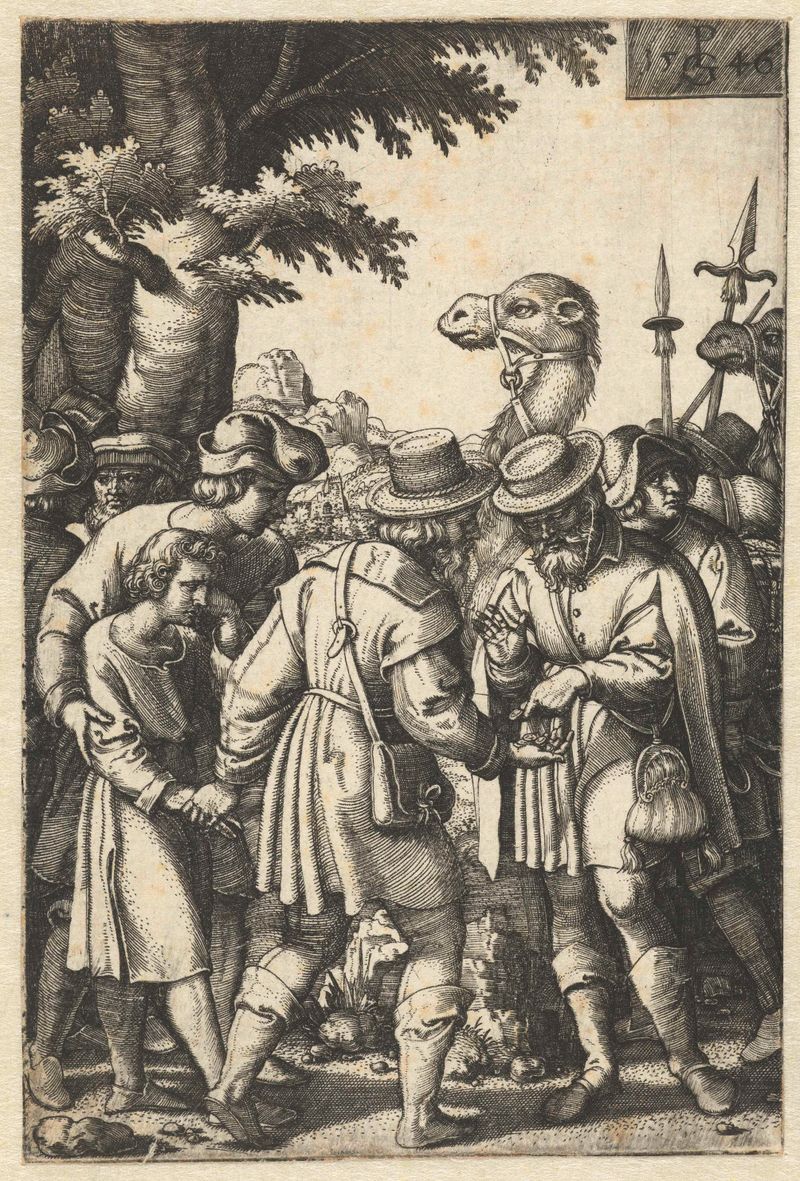
Jozef wordt verkocht aan kooplieden op weg naar Egypte
Georg Pencz

Aanbidding der koningen
Georg Pencz
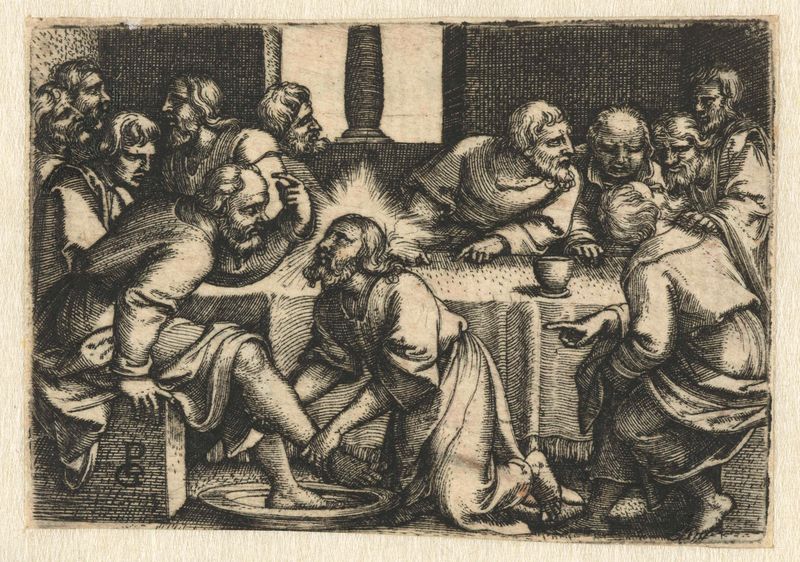
Petrus protesteert als Christus zijn voeten wast
Georg Pencz
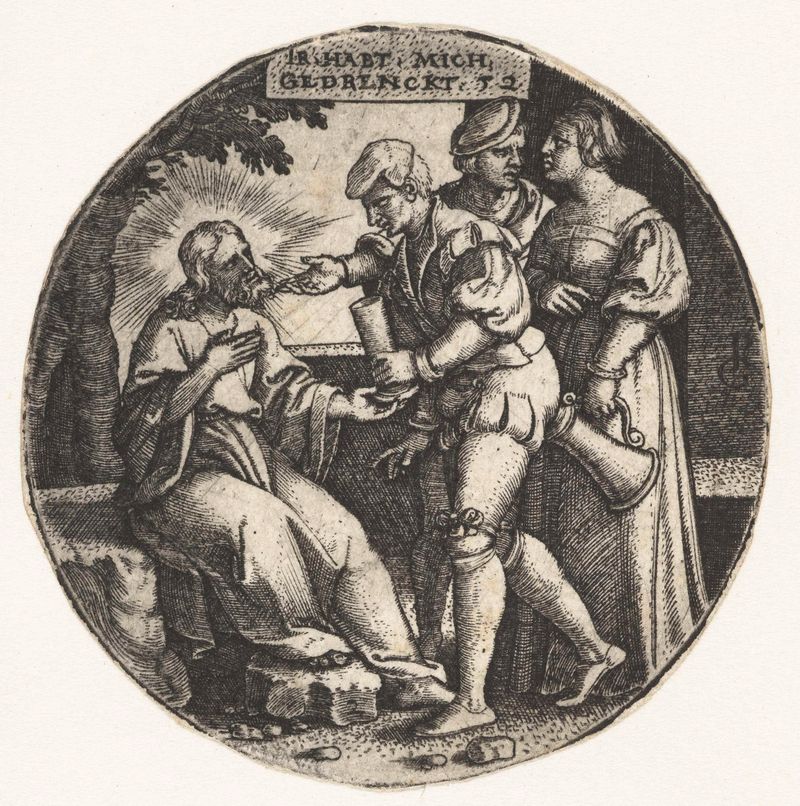
Christus heeft dorst en krijgt drinken aangeboden
Georg Pencz
Ongelovige Thomas raakt wonden Christus aan
Georg Pencz

Offer van Abraham van Isaak
Georg Pencz





