
Hooioppers bij een stad — History & Facts
Can beauty exist without sorrow? In Hooioppers bij een stad, the juxtaposition of labor and tranquility reveals truths often buried beneath the surface of pastoral life. Look to the foreground where laborers, burdened yet resolute, gather hay, their figures etched against the warm glow of the setting sun. The golden light bathes their toil in a soft, almost ethereal hue, creating a serene contrast to the industriousness of their task. Notice how the gentle curves of the fields echo the undulation of their bodies, harmonizing nature's bounty with human effort.
The distant city looms subtly in the background, its spires rising against the horizon, suggesting the encroachment of modernity into this timeless scene. Hidden within this idyllic harmony lies a tension between the rural and the urban. The laborers, caught in their rhythmic motions, embody the essence of hard work and tradition, yet their presence hints at a transient lifestyle overshadowed by the city's ambitions. The vibrant greens and golds of the landscape contrast starkly with the muted grays of the buildings, suggesting an underlying narrative of change and the inevitable passage of time.
This duality invites reflection on the sacrifices made in pursuit of progress, even amidst beauty. In 1894, Pieter Dupont painted this work during a period of significant social change in the Netherlands. As the country began to embrace modern industrialization, he sought to capture the vanishing rural landscapes and the labor that sustained them. Dupont’s art reflects not only his personal observations but also the broader tension of an era that wrestled with the balance between tradition and the rapid advancements of a new age.
More Artworks by Pieter Dupont
Browse all →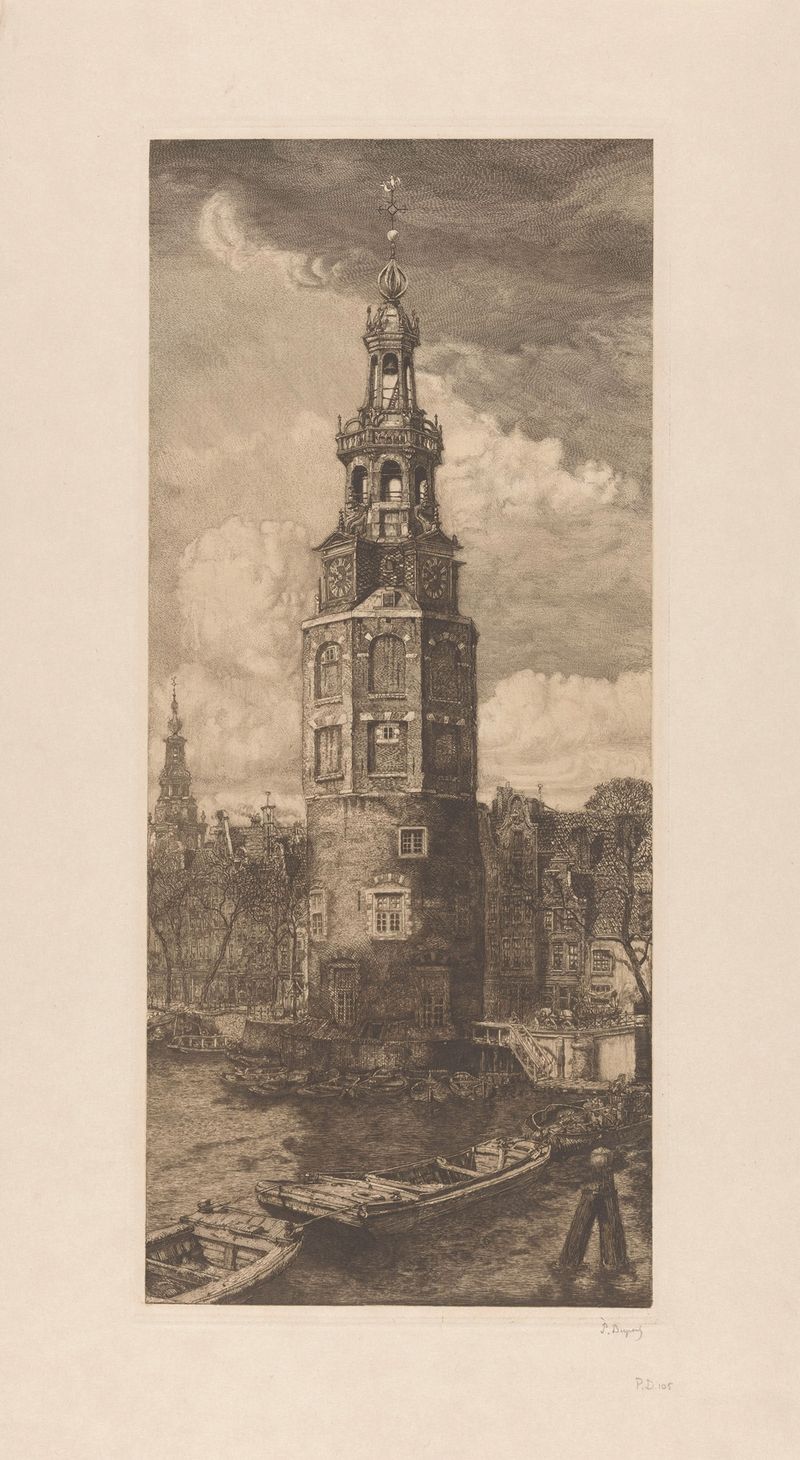
Montelbaanstoren aan de Oudeschans in Amsterdam
Pieter Dupont
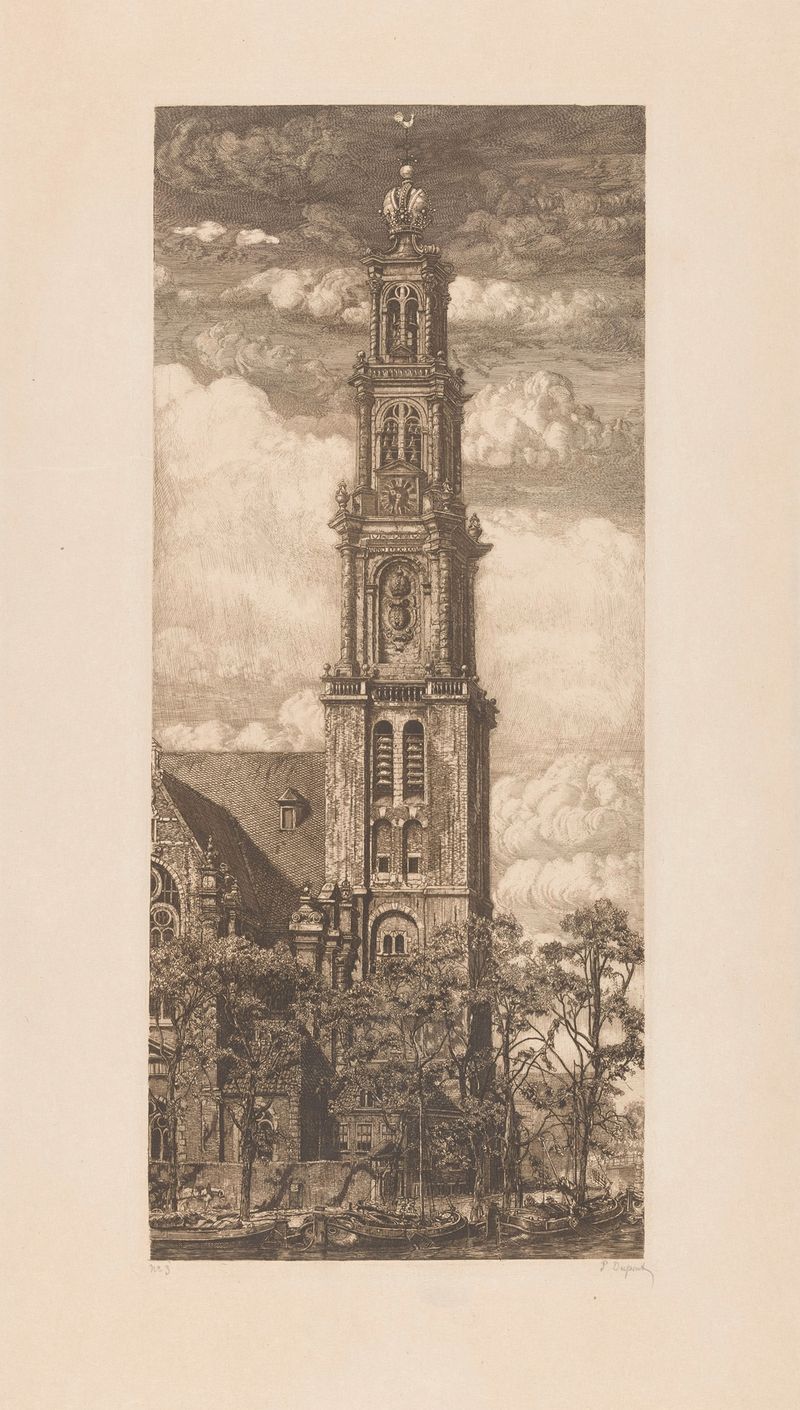
Westertoren in Amsterdam
Pieter Dupont
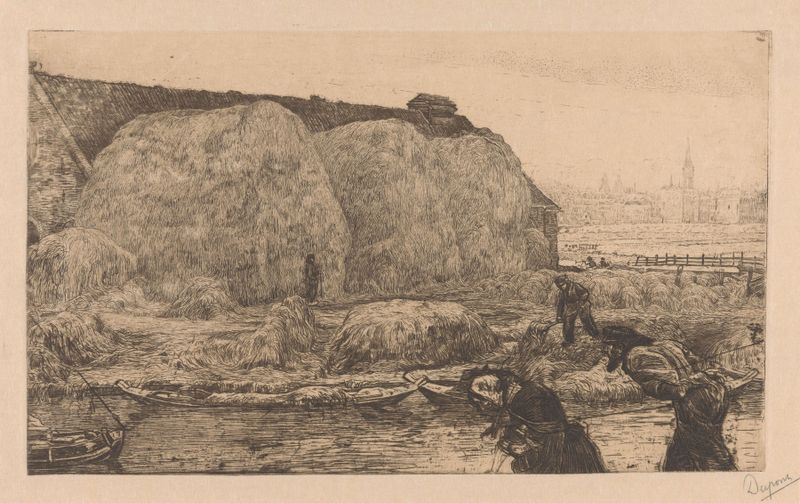
Boerderij met hooischelven aan het Jaagpad in Amsterdam
Pieter Dupont
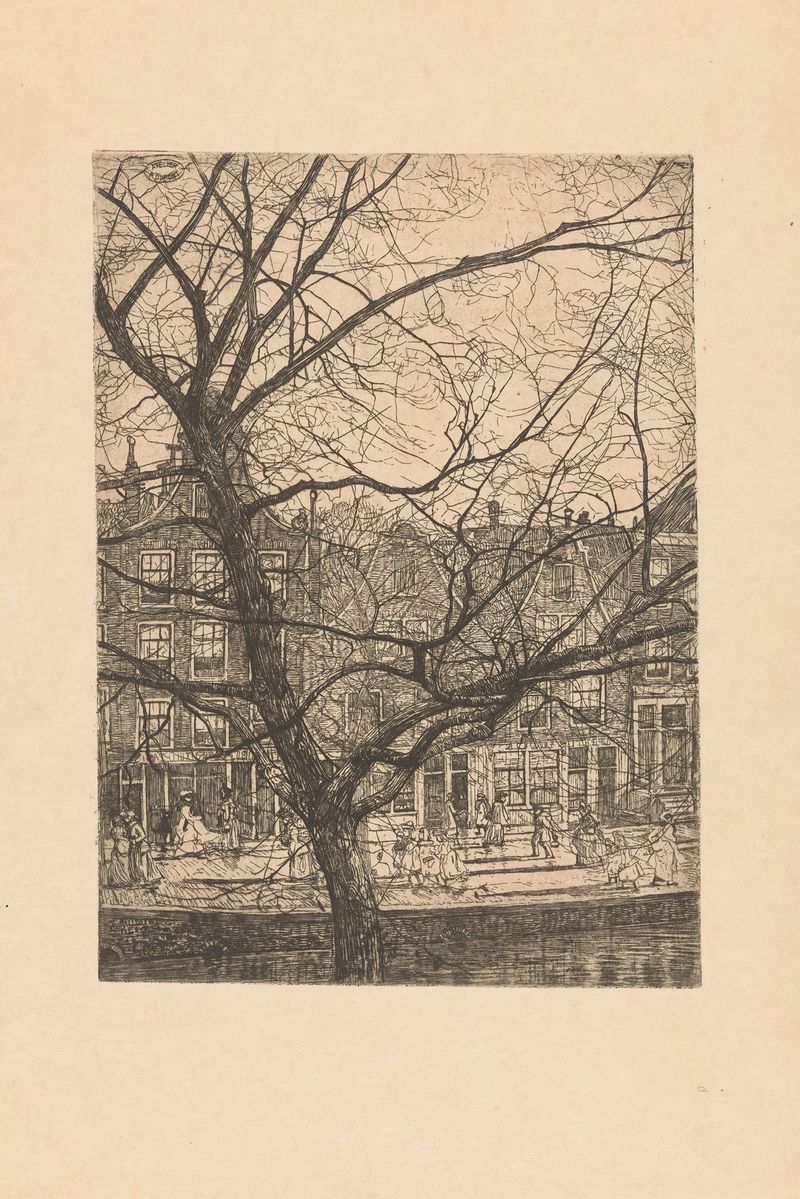
Grachtenhuizen met halsgevels in Amsterdam
Pieter Dupont
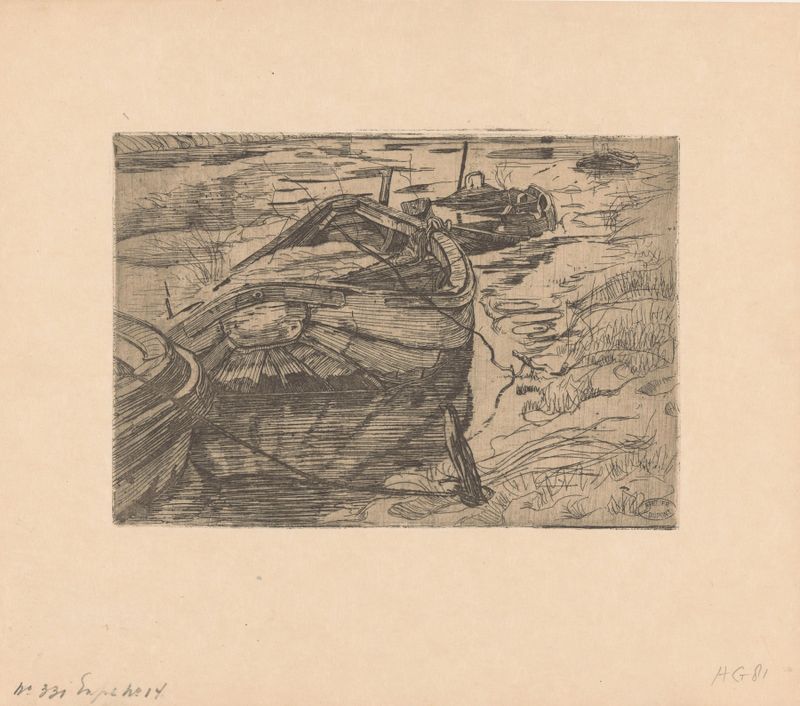
Afgemeerde roeiboten in een sloot
Pieter Dupont
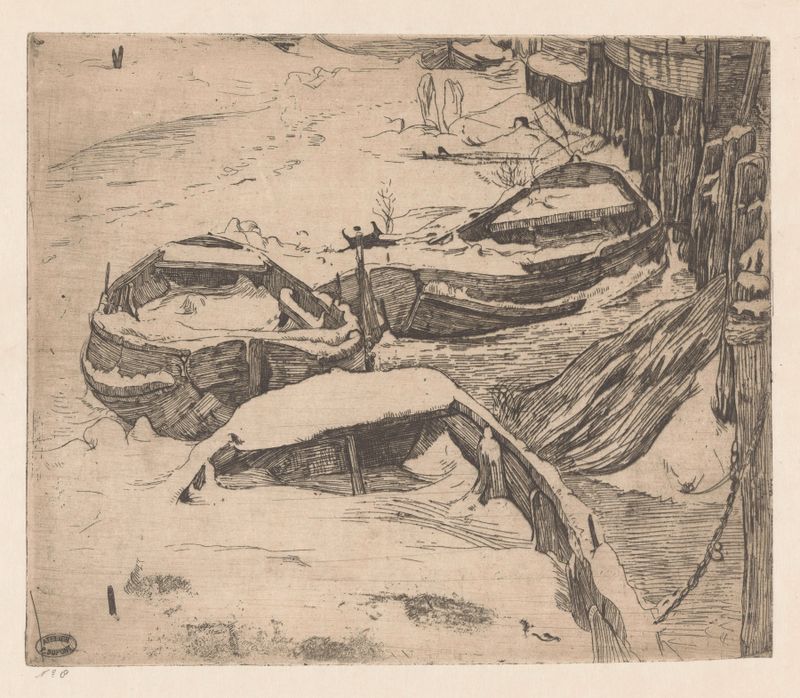
Drie besneeuwde roeiboten bij een wal
Pieter Dupont
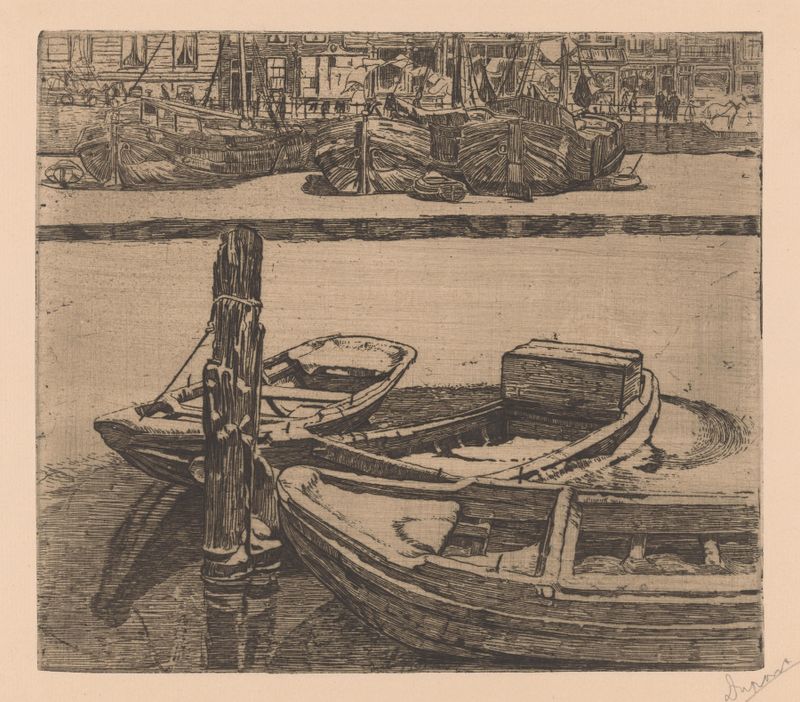
Schepen in het Damrak in Amsterdam
Pieter Dupont
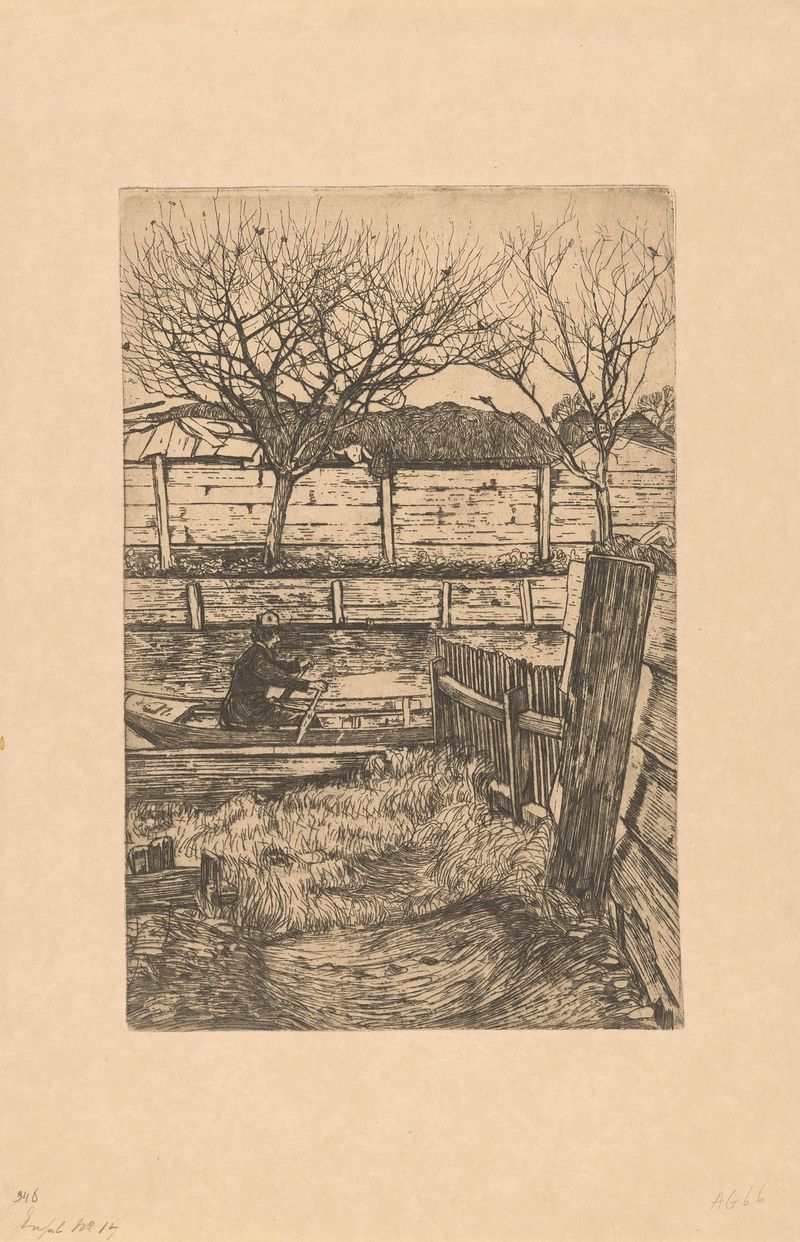
Man in een roeiboot, waarschijnlijk bij de Slatuinen in Amsterdam
Pieter Dupont
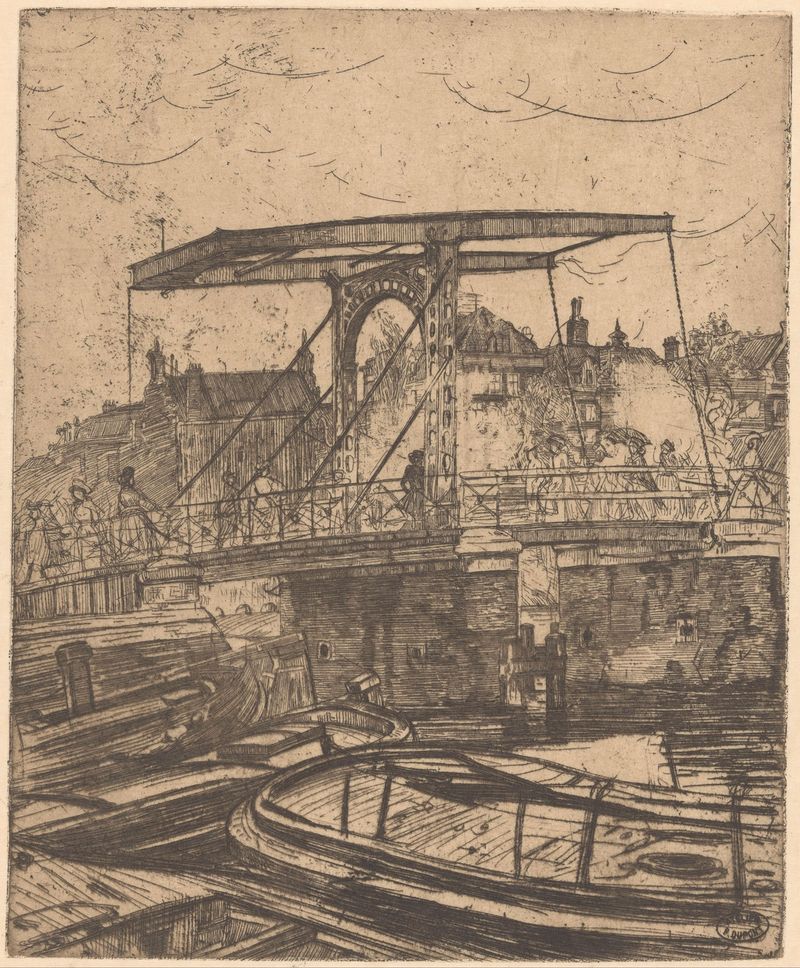
Magere Brug in Amsterdam
Pieter Dupont
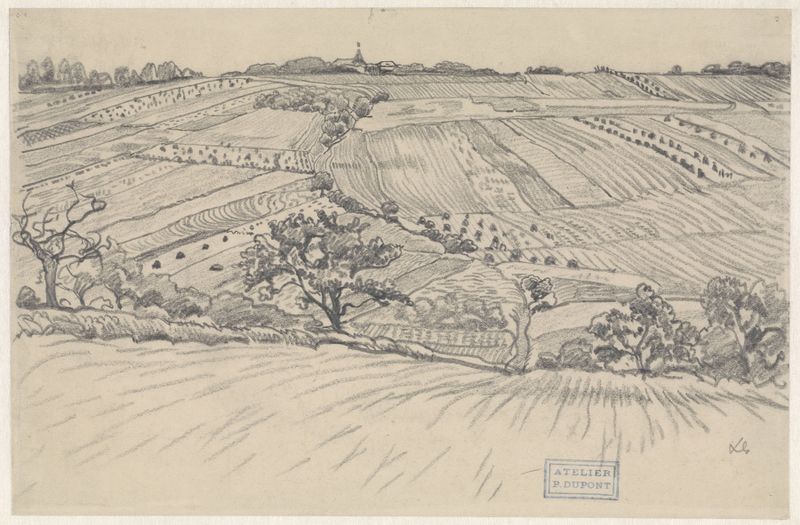
Heuvelachtig landschap met korenvelden
Pieter Dupont





