
Hosea met zijn vrouw en drie kinderen — History & Facts
In the interplay of shadow and light, emotions are laid bare beneath the surface, revealing the complexities of familial bonds and the quiet weight of existence. Focus first on the striking juxtaposition of figures in Hosea met zijn vrouw en drie kinderen. Look to the center, where the solemn expressions of the family draw your gaze. The figures are arranged with a palpable tension, their postures conveying a blend of intimacy and distance.
Notice how Holbein uses a muted palette, allowing the shadows to envelop the scene, creating an atmosphere that invites both contemplation and unease. As you delve deeper, explore the layered meanings embedded in the details. Each character’s gaze tells a story of their struggles, as if they are caught in a moment of silent understanding. The subtle differences in their attire hint at social status and familial roles, while the encompassing shadows suggest the burdens they carry.
The contrast of light illuminating some faces while others remain cloaked in darkness evokes the duality of hope and despair within their lives. Created in 1538, this work emerged during a time of religious upheaval and shifting societal norms. Holbein, residing in England, had already established himself as a leading portrait artist, navigating the complexities of the Tudor court. In this piece, he reflects not only the personal trials of the family but also the broader cultural tensions of the era, capturing a moment that resonates through history.
More Artworks by Hans Holbein (II)
Browse all →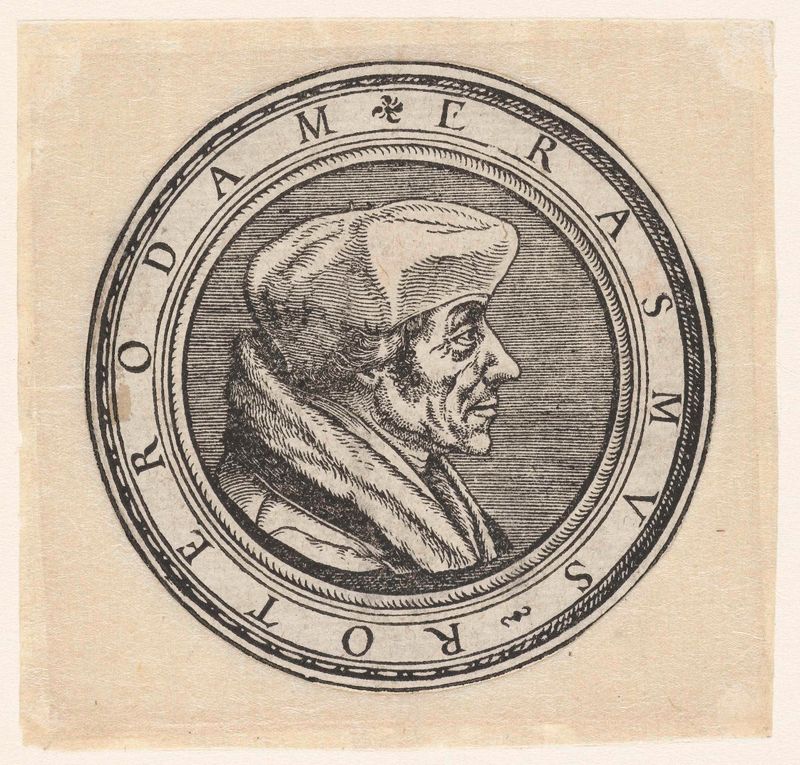
Portret van Erasmus
Hans Holbein (II)
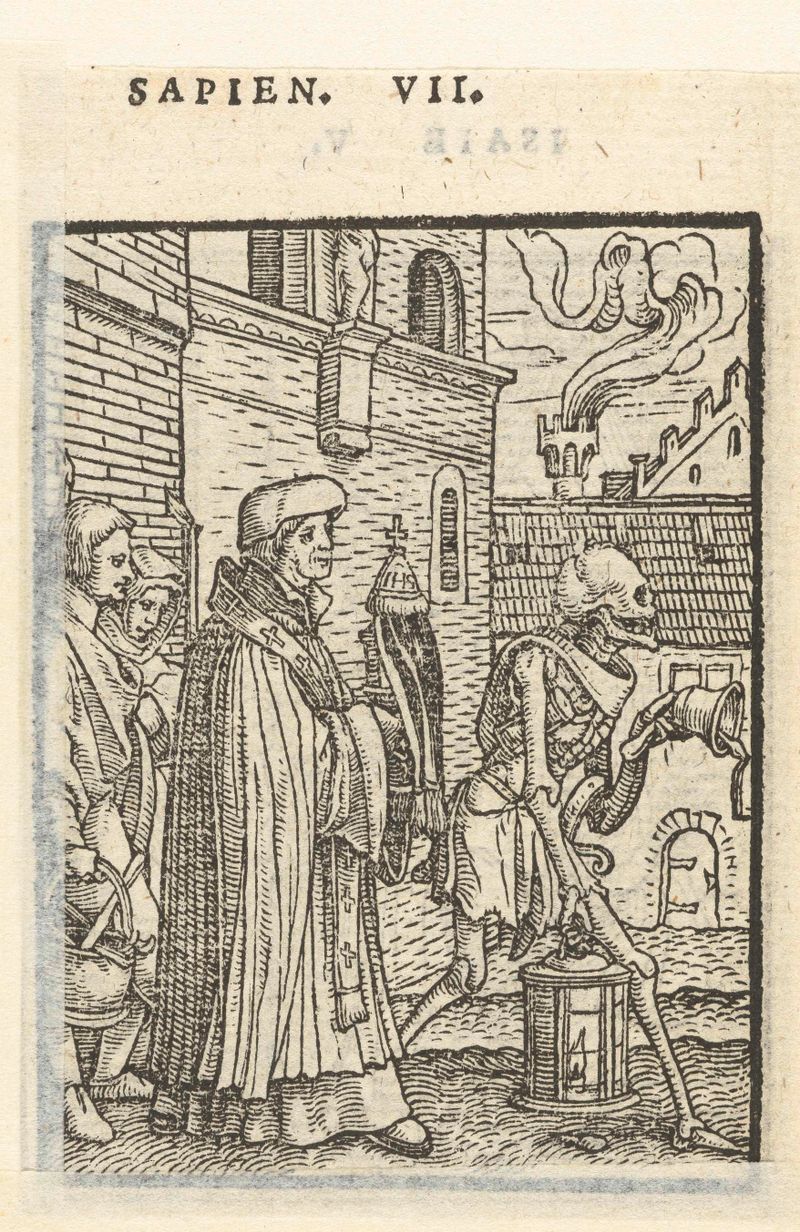
Priester en de Dood
Hans Holbein (II)
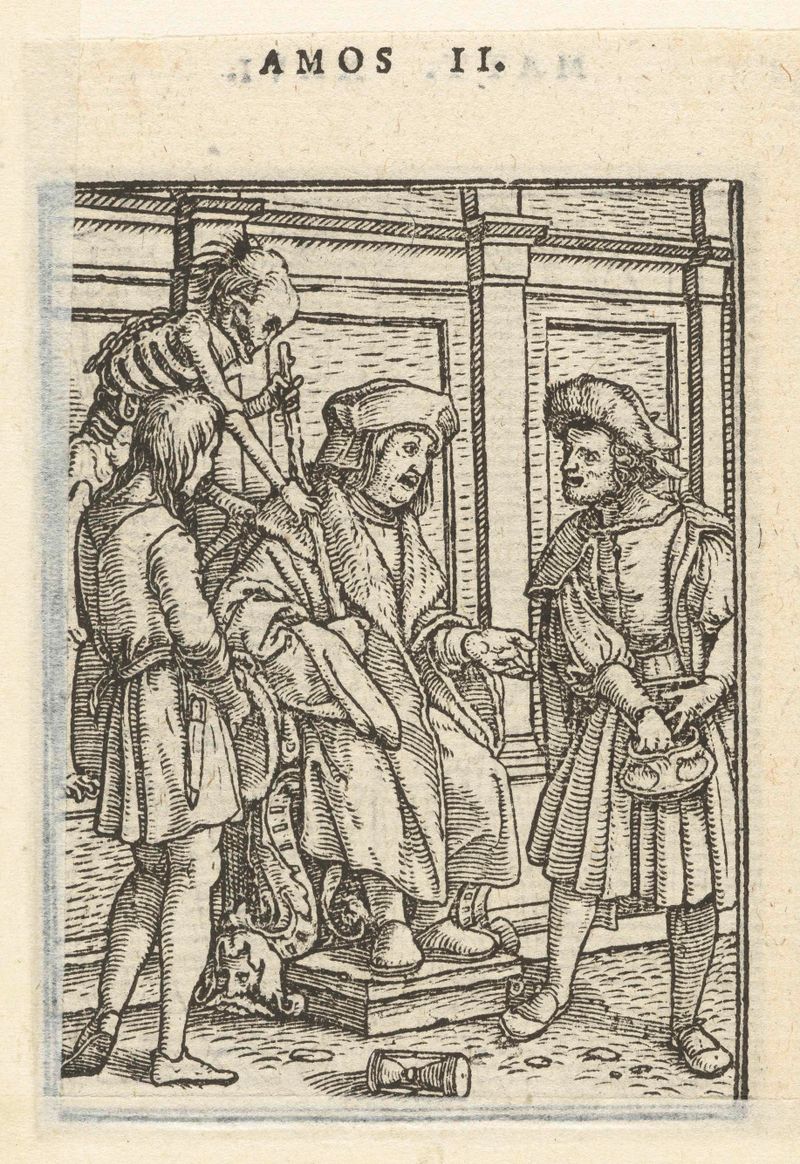
Rechter en de Dood
Hans Holbein (II)
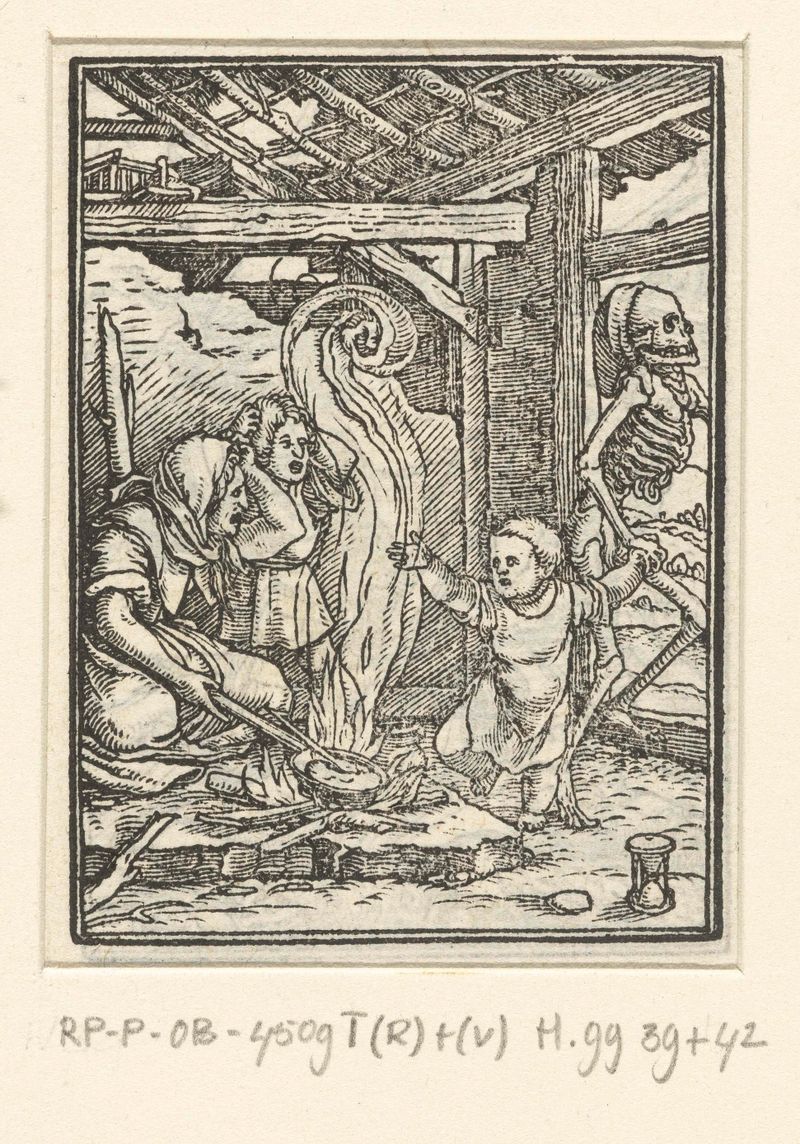
Kind en de Dood
Hans Holbein (II)
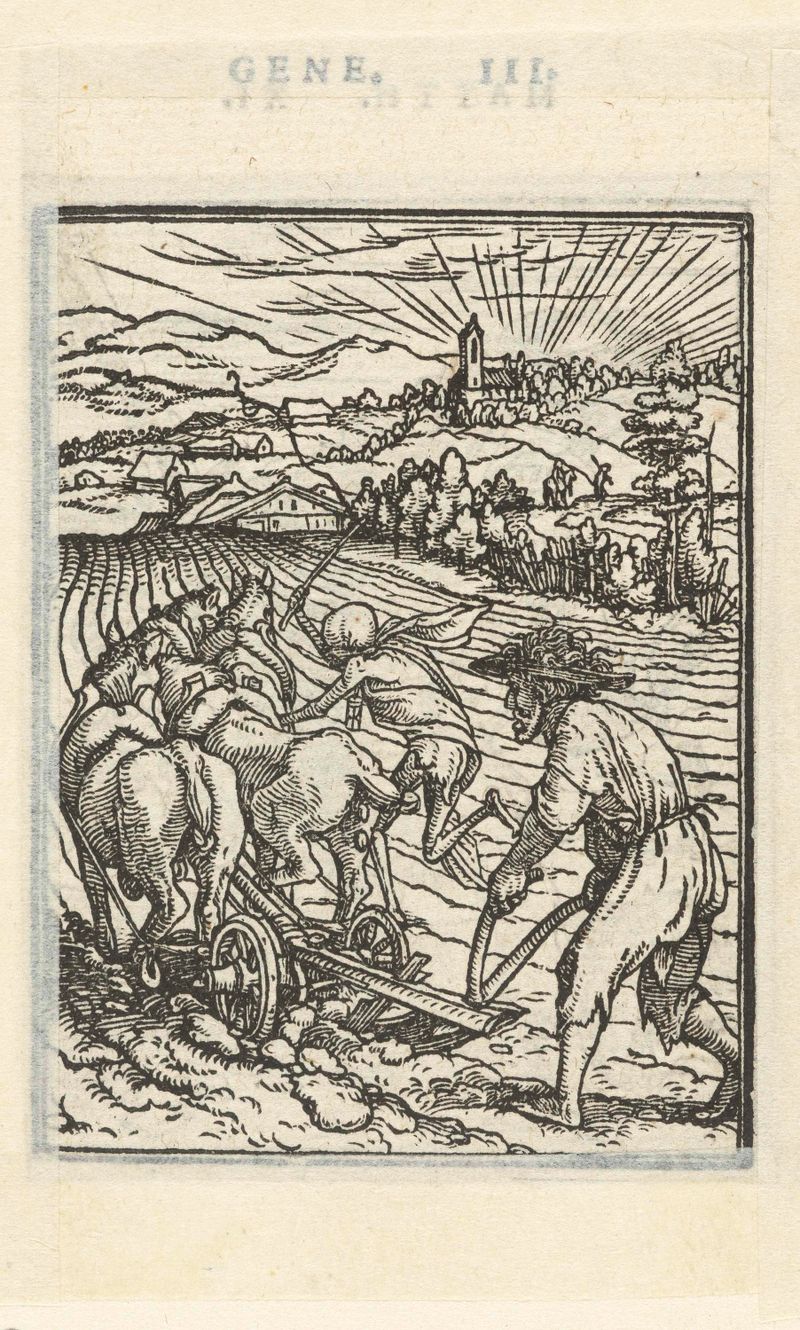
Boer en de Dood
Hans Holbein (II)
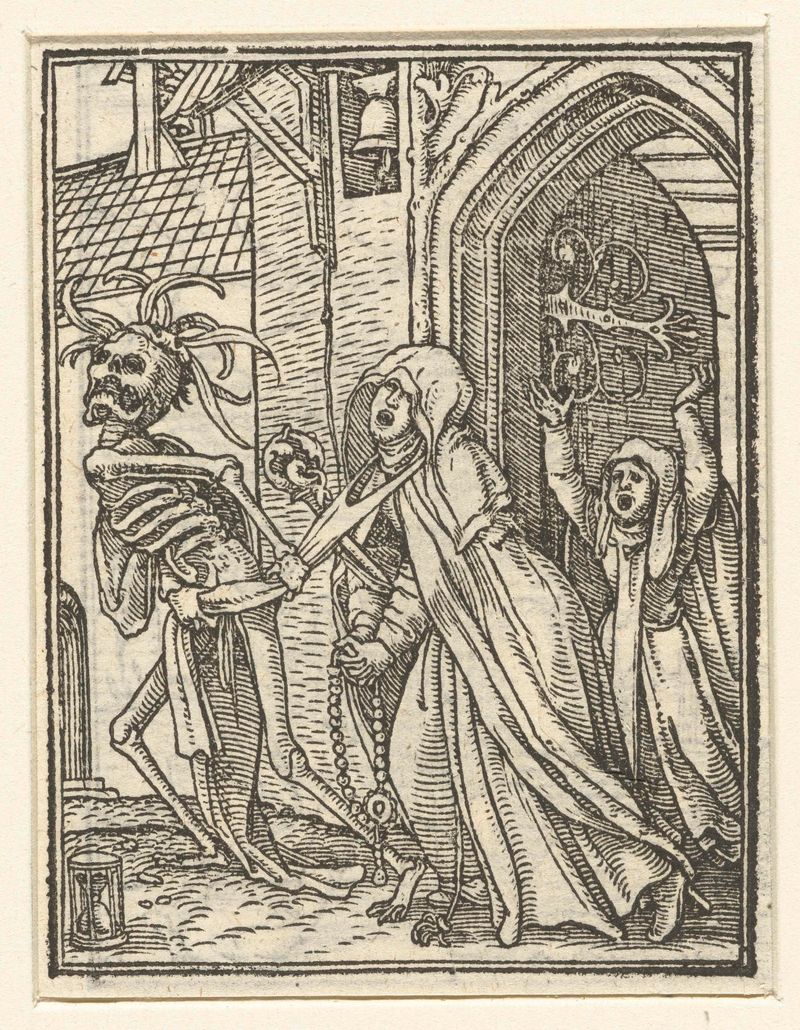
Abdis en de Dood
Hans Holbein (II)
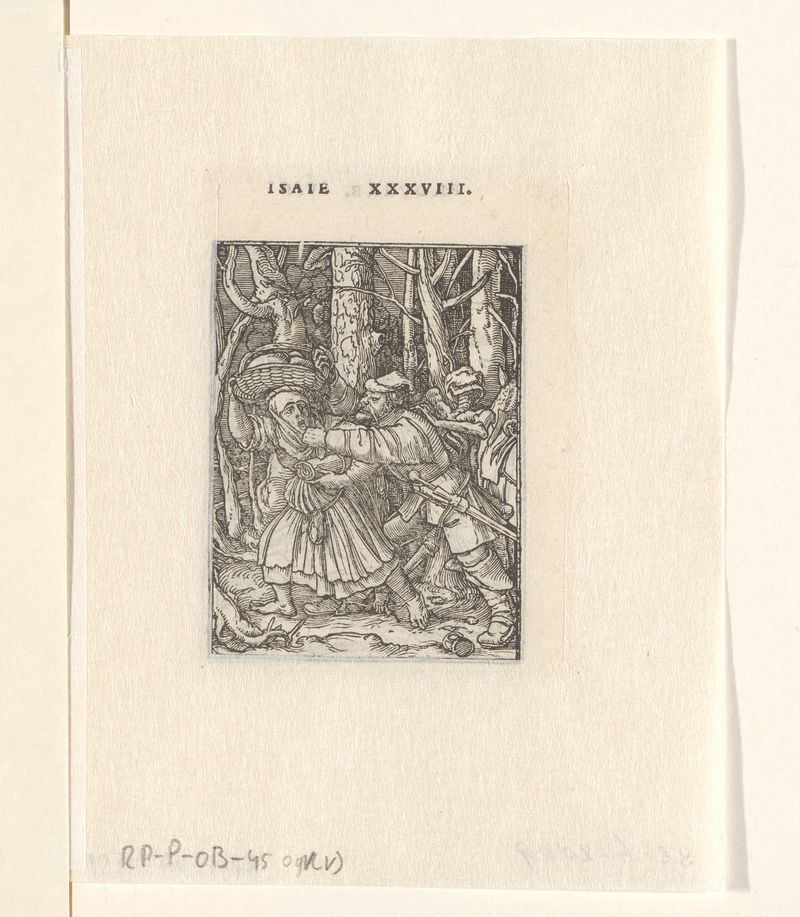
Dief en de Dood
Hans Holbein (II)
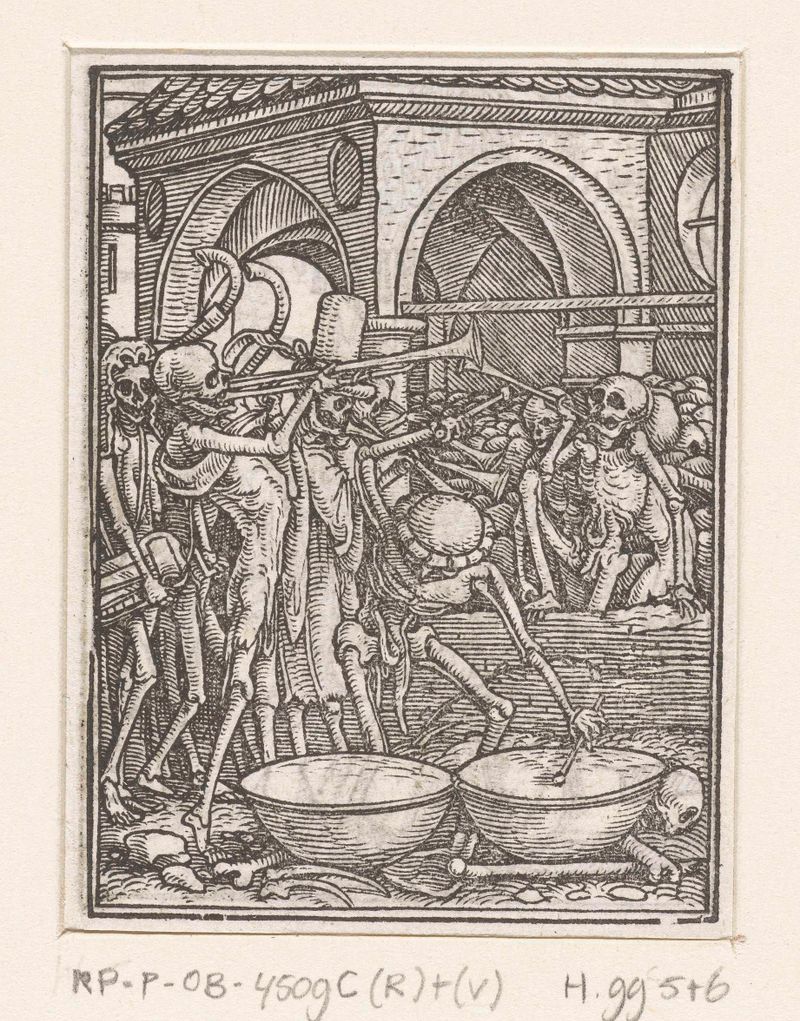
Skeletons Making Music from Dance of the Dead
Hans Holbein (II)
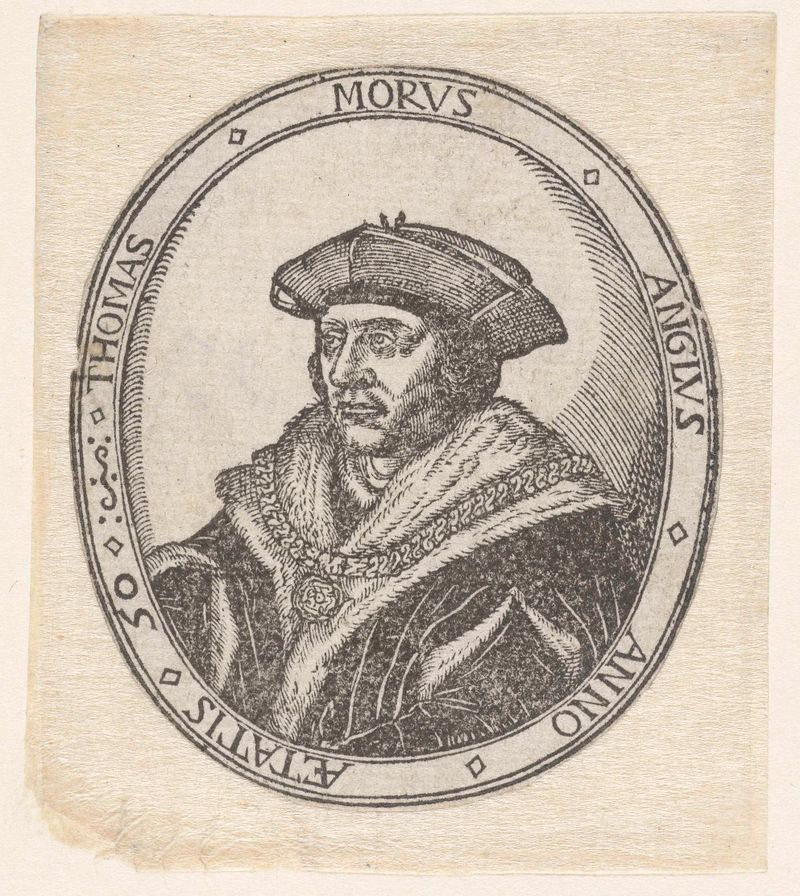
Portret van Thomas More
Hans Holbein (II)
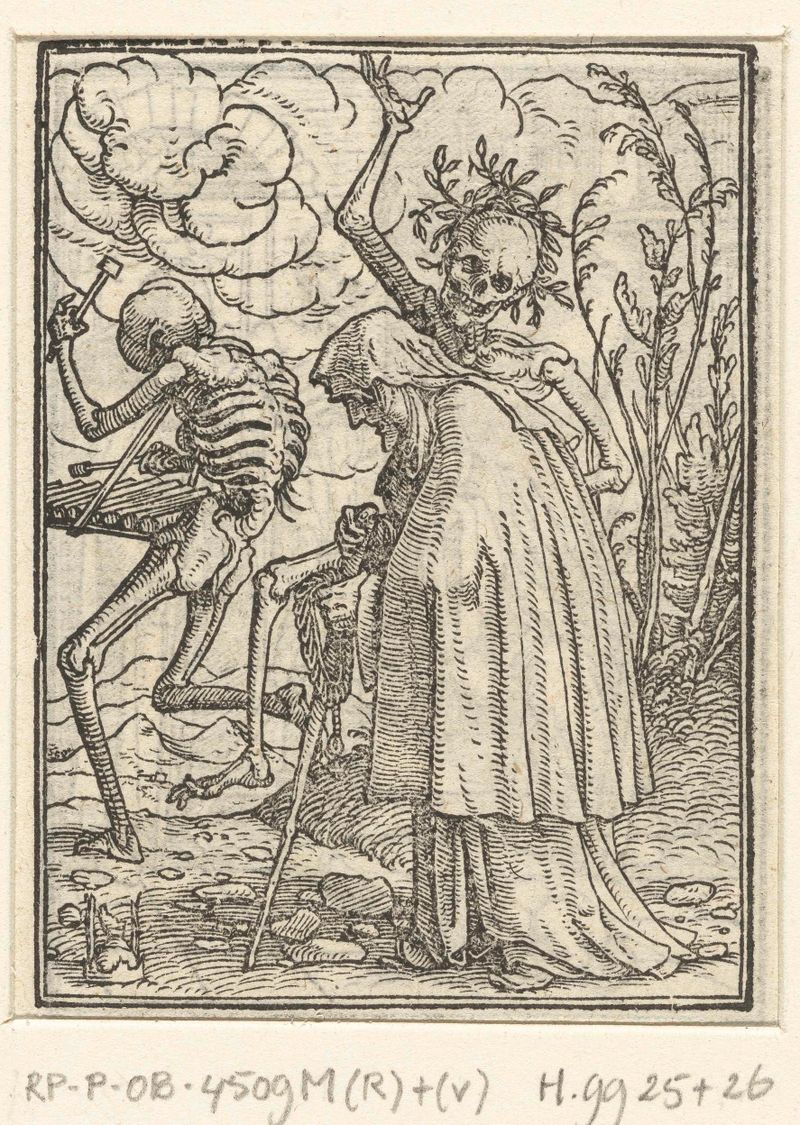
Oude vrouw en de Dood
Hans Holbein (II)
More Portrait Art
Browse all →
Las meninas
Diego Velázquez

Self-portrait with a Bandaged Ear and Pipe
Unidentified artist

Girl with a Pearl Earring
Johannes Vermeer

The Sampling Officials of the Amsterdam Drapers’ Guild, Known as ‘The Syndics’
Rembrandt van Rijn

The Hundred Guilder Print: the man seen on the back in the lower left corner
Rembrandt van Rijn

Portrait of Dr Gachet
Vincent van Gogh