Discover insights about this artwork
House of Père Lacroix — History & Facts
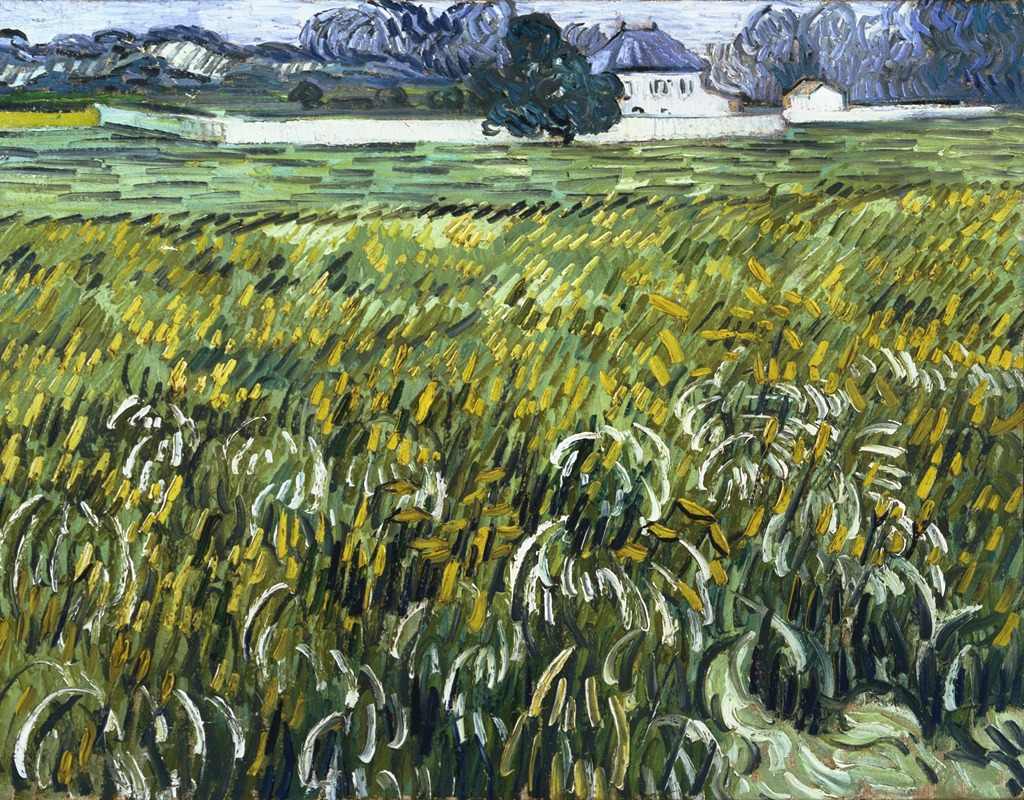
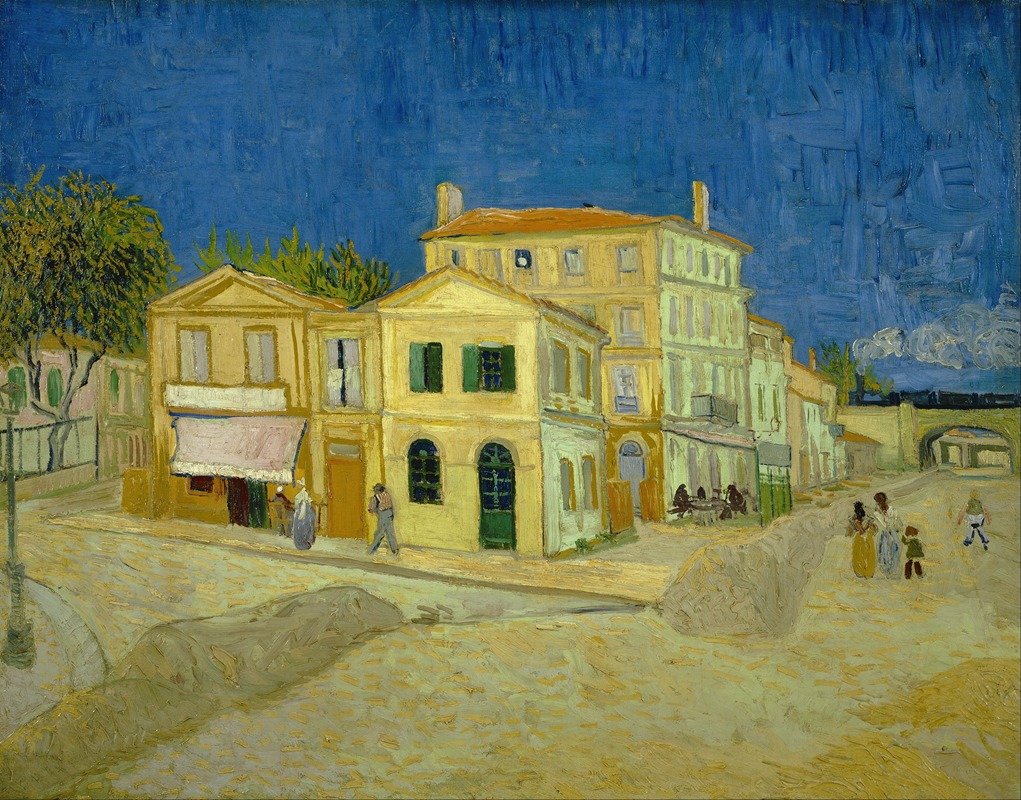
In House of Père Lacroix, Paul Cézanne presents a tranquil scene featuring a modest house nestled among lush trees. The colors are rich and varied, with greens dominating the landscape and warm earth tones in the structure. The sky is painted in soft blues and whites, suggesting a serene day.
This setting invites the viewer to contemplate the peacefulness of rural life. Cézanne's technique is evident in the brushwork, which combines short strokes and patches of color to create depth and texture. The composition is balanced, with the house positioned slightly off-center, drawing the eye naturally through the scene. The use of light and shadow adds dimension, enhancing the three-dimensionality of the house and surrounding foliage.
This painting exemplifies Cézanne's unique approach to form and color. Paul Cézanne painted House of Père Lacroix during a period when he was exploring the relationship between nature and architecture. This work reflects his interest in capturing the essence of a place rather than a detailed representation. Interestingly, Cézanne often returned to this subject, making variations of the house in different seasons and times of day.
His dedication to this theme showcases his belief in the importance of perception in art.
More Artworks by Paul Cézanne
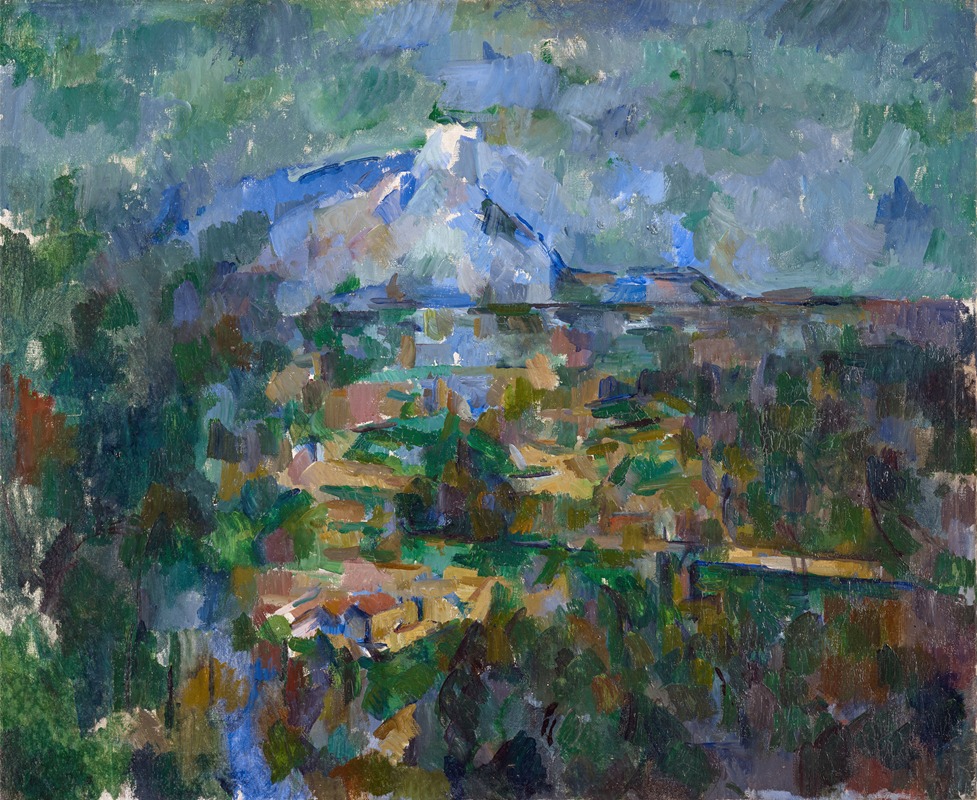
The Mont Sainte-Victoire Seen From Les Lauves
Paul Cézanne
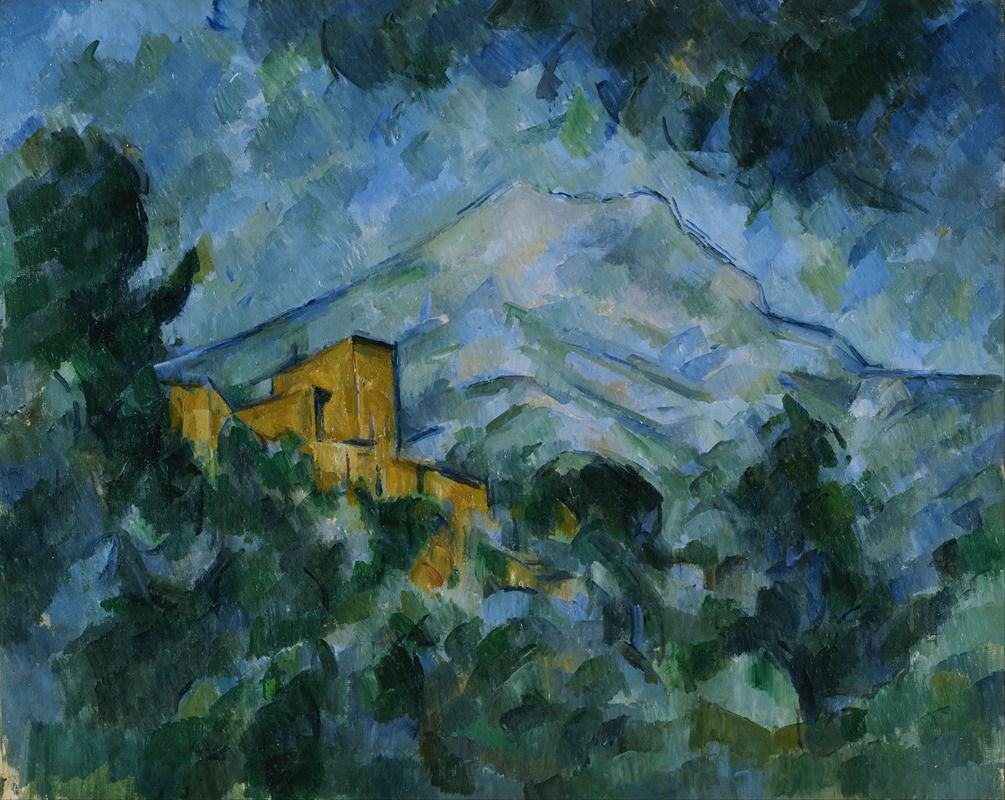
Mont Sainte-Victoire and Château Noir
Paul Cézanne
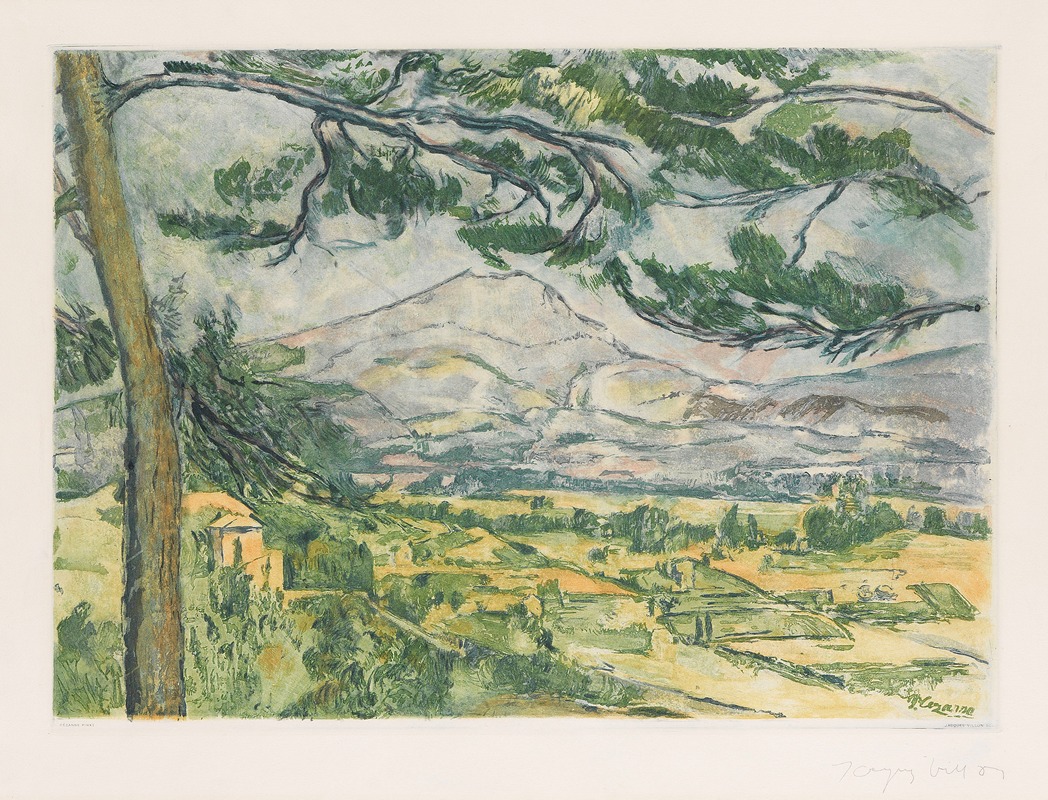
La Montagne Sainte-Victoire
Paul Cézanne
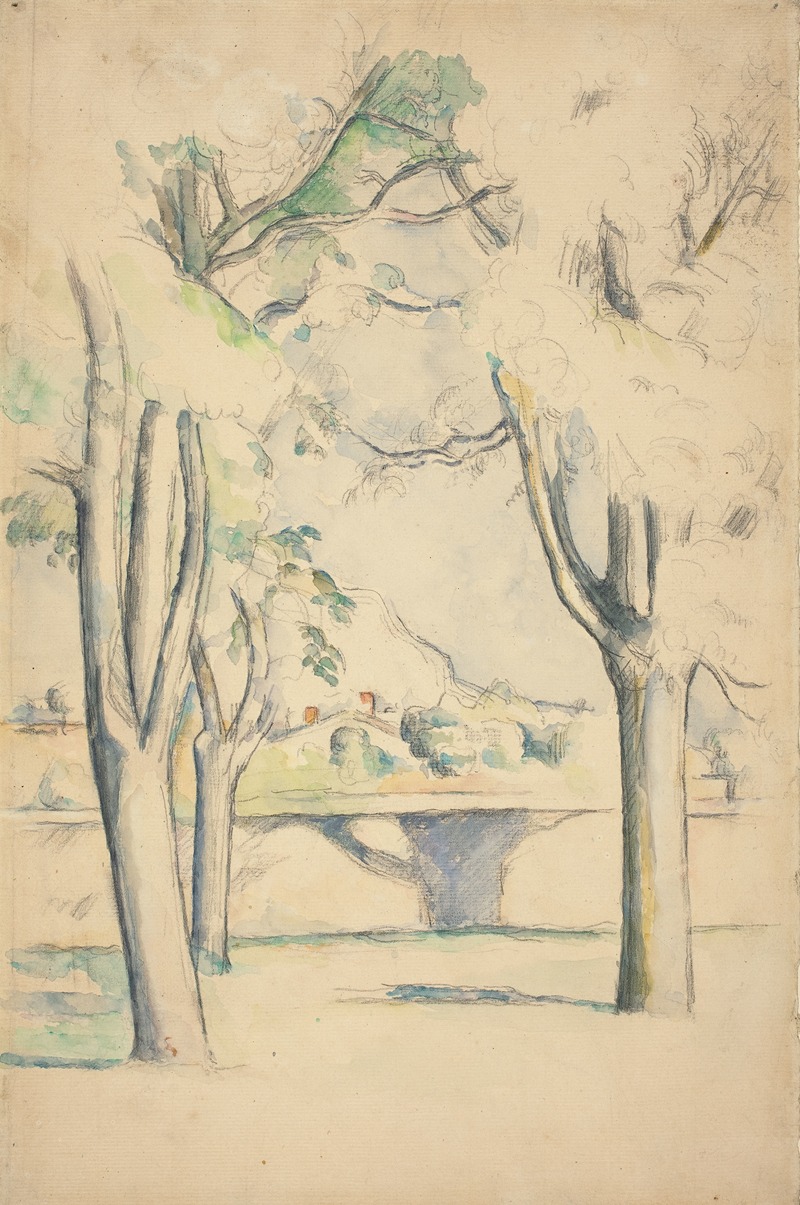
Mont Sainte-Victoire Seen beyond the Wall of the Jas de Bouffan
Paul Cézanne
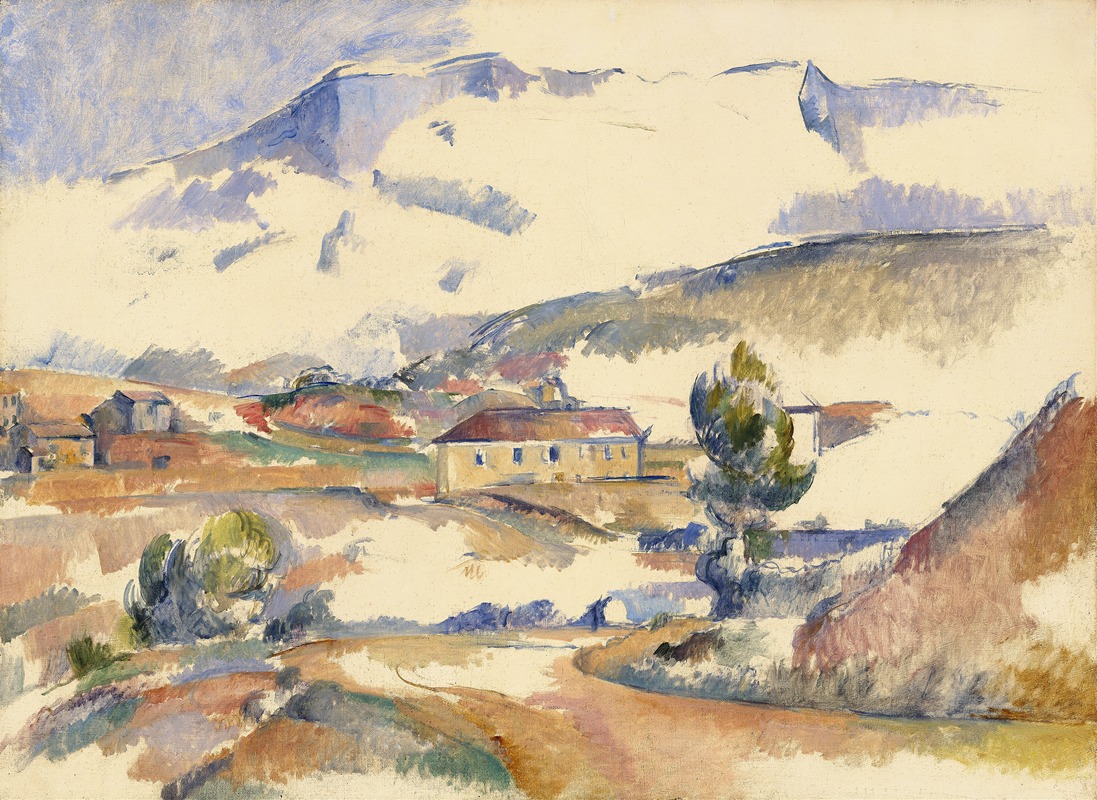
Montagne Sainte-Victoire,from near Gardanne
Paul Cézanne
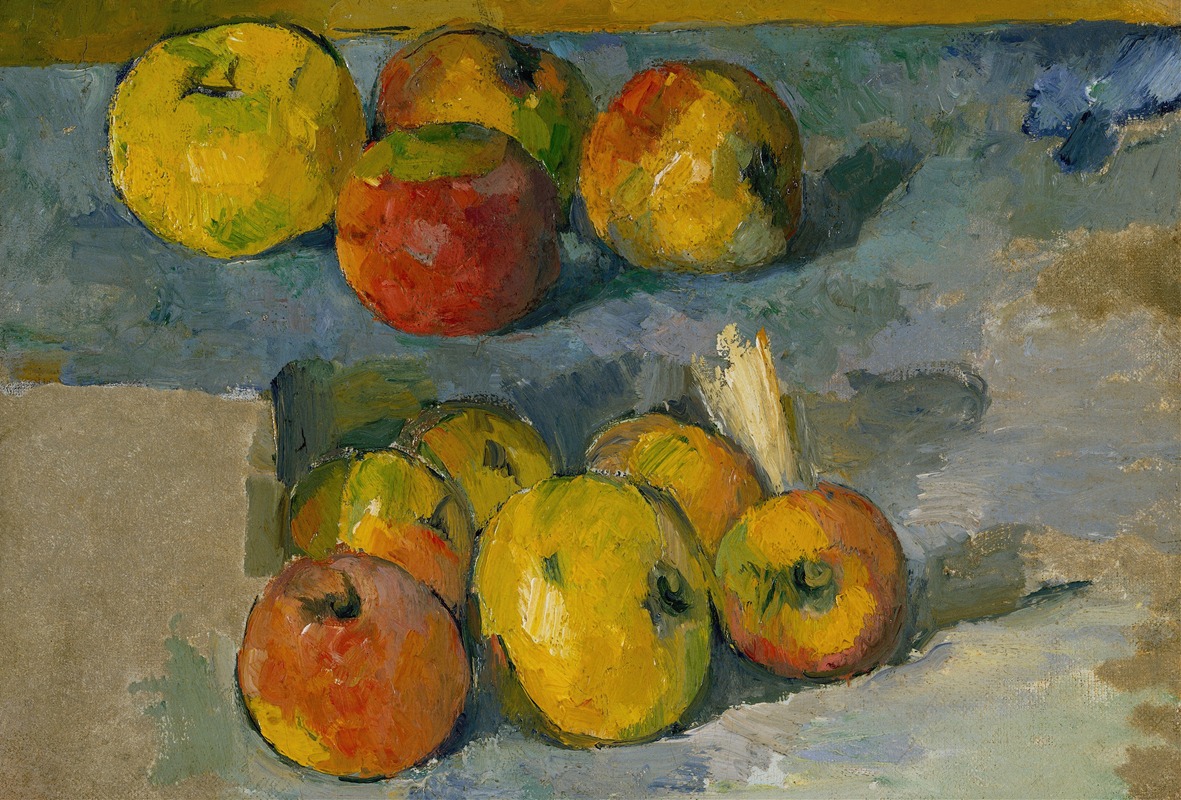
Apples
Paul Cézanne
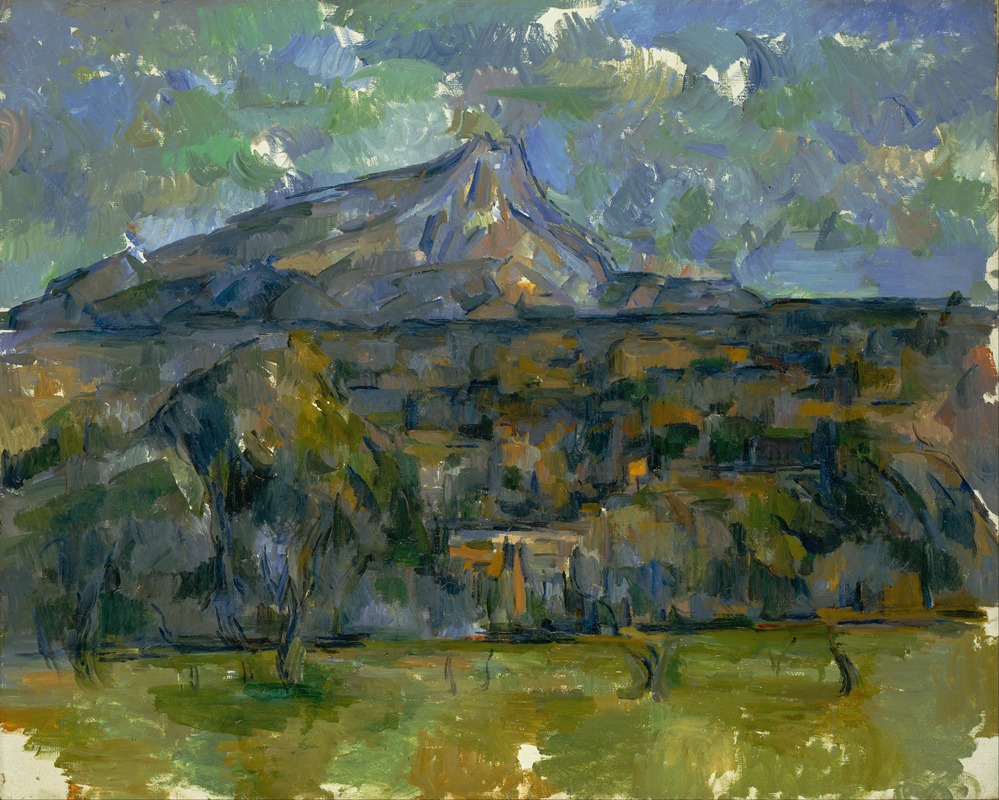
Mont Sainte-Victoire
Paul Cézanne
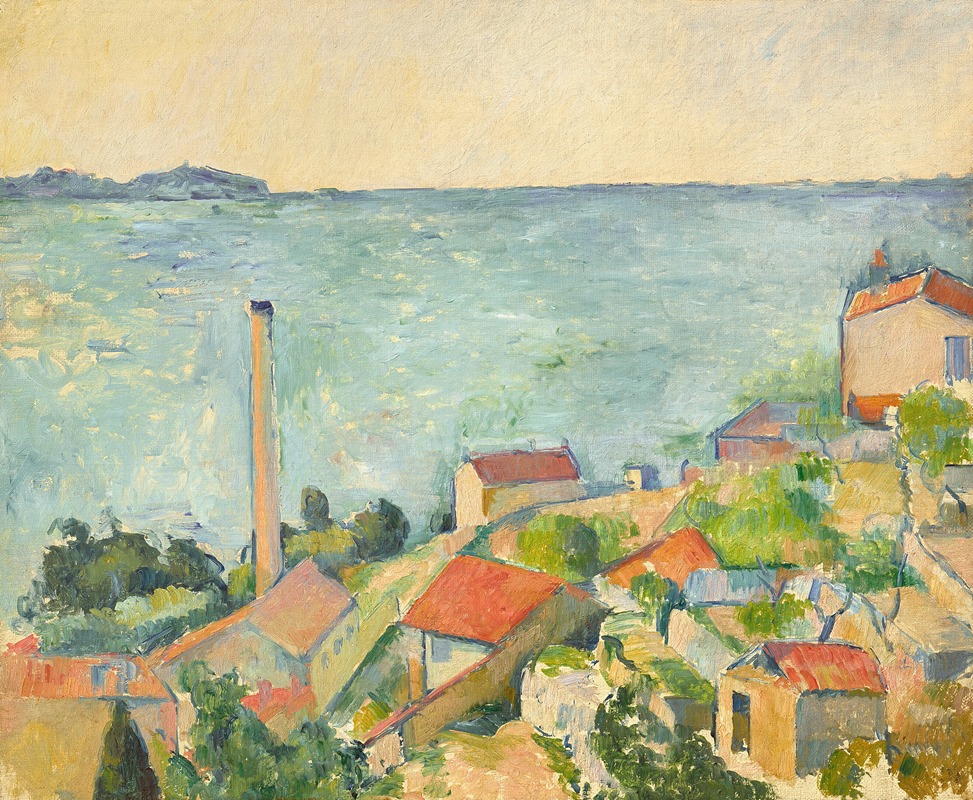
La mer à l’Estaque
Paul Cézanne
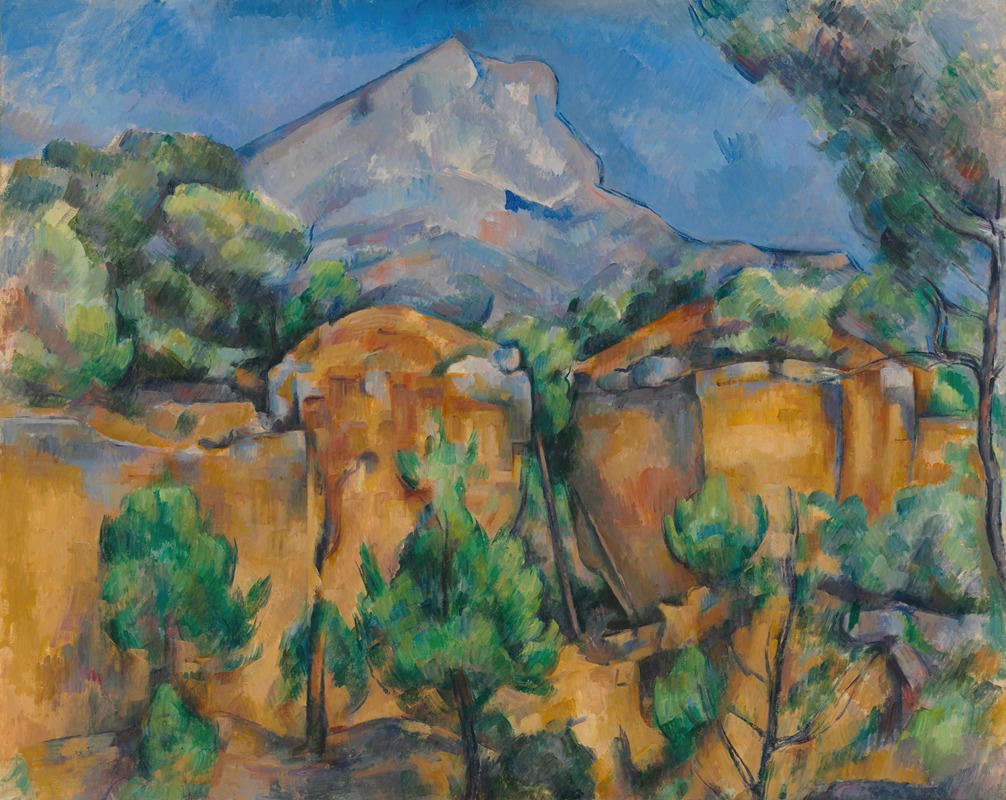
La Montagne Sainte-Victoire vue de la carrière Bibémus
Paul Cézanne
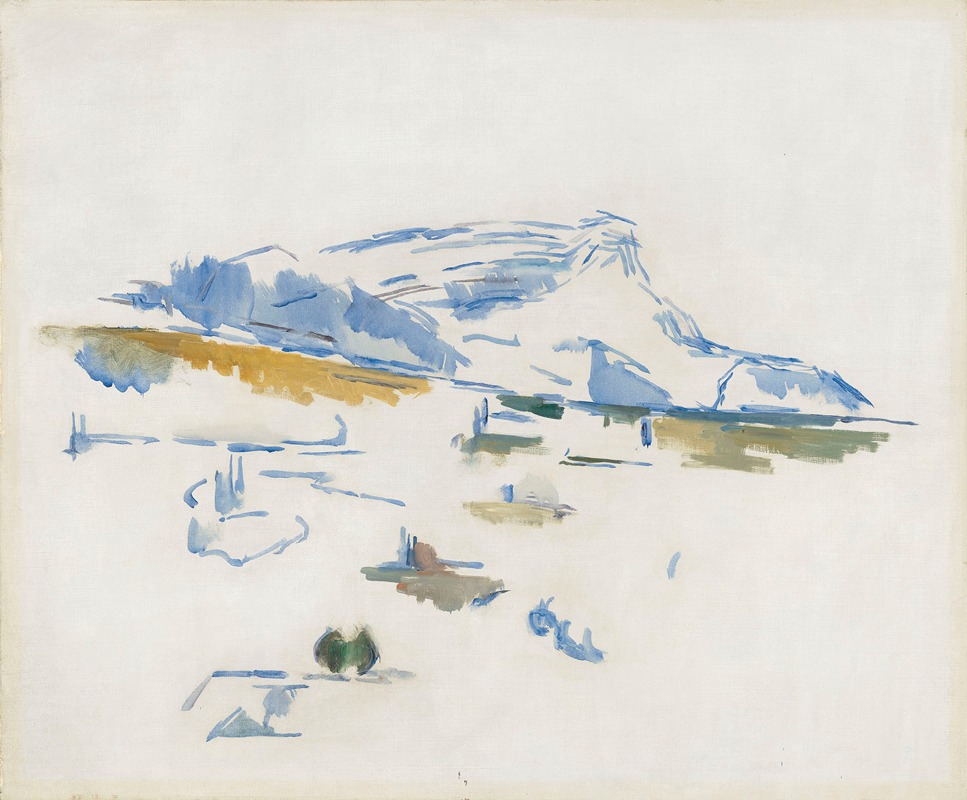
La Montagne Sainte-Victoire vue des Lauves
Paul Cézanne