
Houses at Vaugirard — History & Facts
What if beauty was never meant to be finished? In the hands of Paul Gauguin, the tumultuous interplay of color and form reveals the underlying violence of existence, capturing a quiet yet potent conflict between nature and man. Begin by examining the canvas's left side, where the vibrant greens of foliage pulse against the soft ochres of the houses. As your gaze sweeps across the piece, let the contrasting hues guide you to the stark lines of the structures; they stand resolute yet fragile, embodying both shelter and potential threat. Notice the brushstrokes, thick and expressive, lending a raw texture that evokes the emotional weight of the scene.
The composition, deceptively simple, draws you into a world alive with unspoken tension. Beneath the surface, a dialectic unfolds between serenity and unease. The placement of the houses—one slightly askew—implies impermanence, as if they might crumble under the relentless weight of time or conflict. The spiraling clouds above echo this sentiment, hinting at storms both literal and metaphorical.
Each element, from the vivid colors to the jagged lines, becomes a testament to the complexities of human existence, revealing beauty entwined with an underlying violence. During the late 19th century, Gauguin was immersed in the Post-Impressionist movement, seeking to break free from conventional representation. Painted around this time, Houses at Vaugirard reflects his exploratory spirit while he was living in France and grappling with both personal and artistic discontent. This period marked a turning point, as he ventured towards a more symbolic and expressive form of art, deeply influenced by his experiences and the chaotic world around him.
More Artworks by Paul Gauguin
Browse all →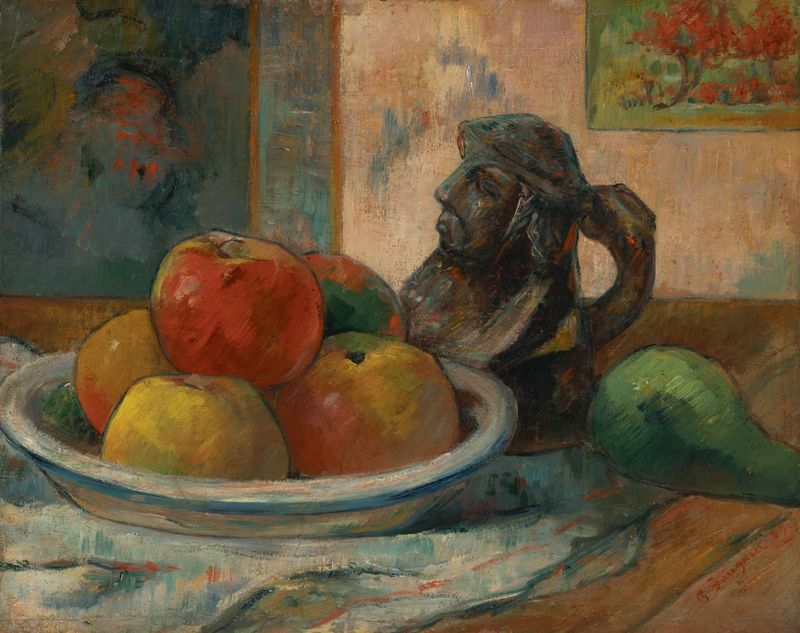
Still Life with Apples, a Pear, and a Ceramic Portrait Jug
Paul Gauguin
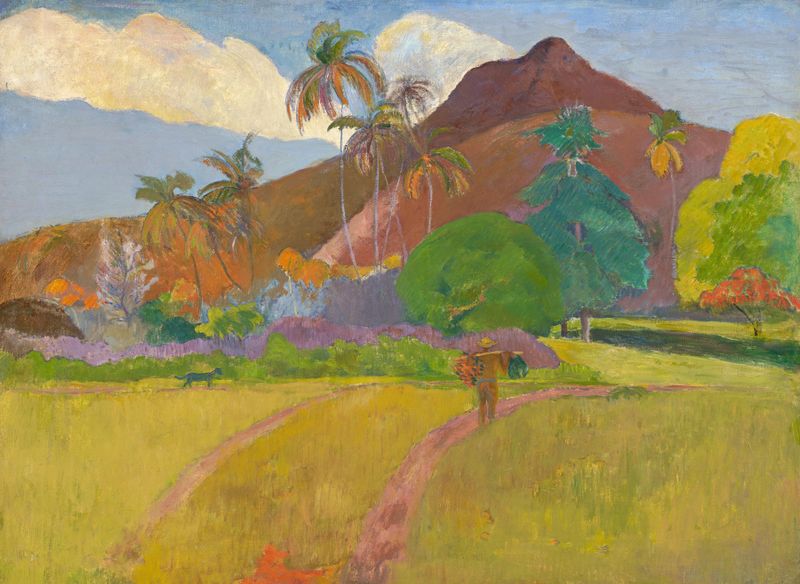
Tahitian Landscape
Paul Gauguin

Landscape near Pont-Aven
Paul Gauguin

No te aha oe riri (Why Are You Angry?)
Paul Gauguin
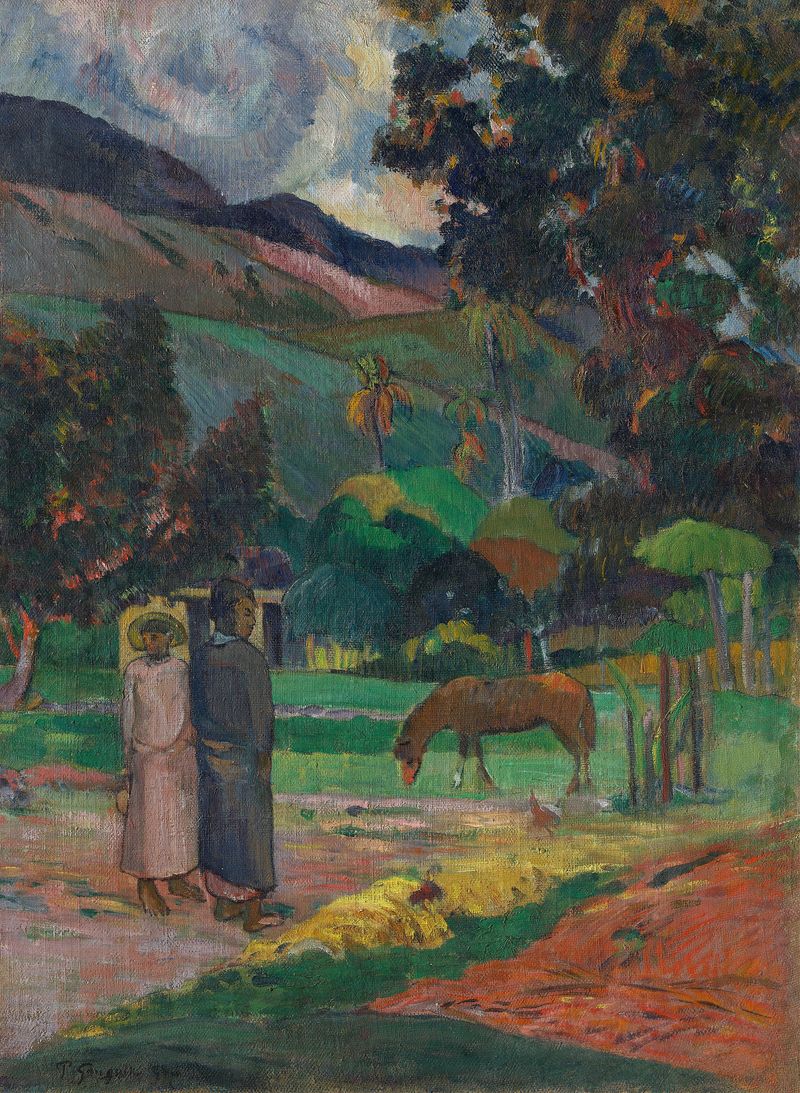
Tahitian Landscape
Paul Gauguin
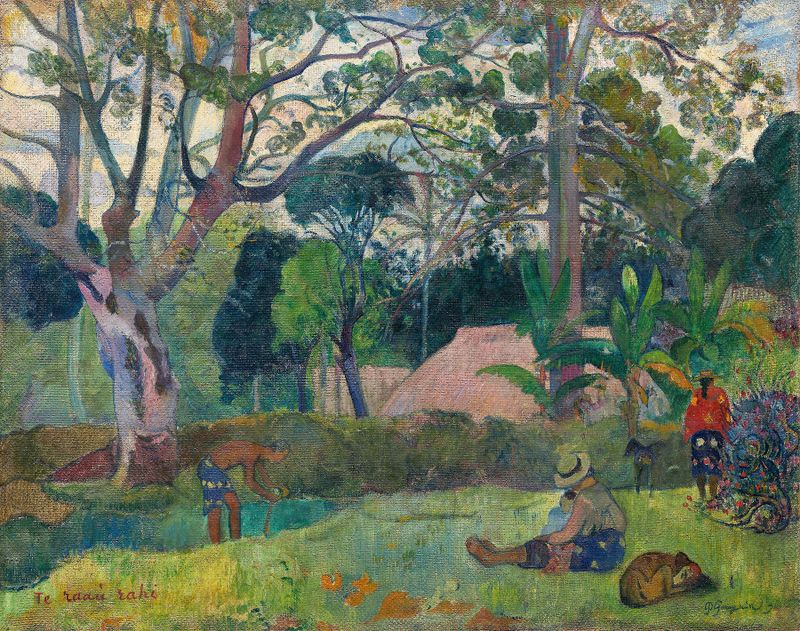
Te raau rahi (The Big Tree)
Paul Gauguin

Landscape at Le Pouldu
Paul Gauguin

Landscape of Brittany
Paul Gauguin

Poèmes Barbares
Paul Gauguin
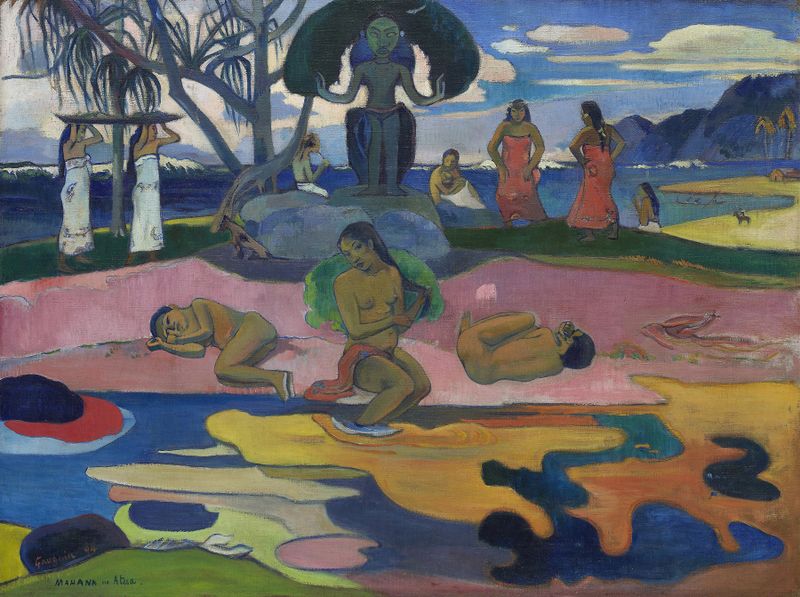
Mahana no atua (Day of the God)
Paul Gauguin





