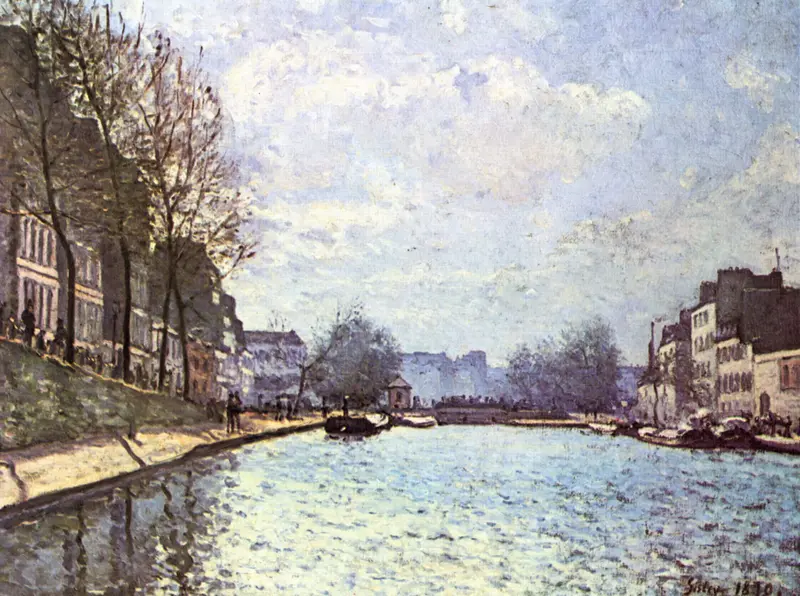
Hôtel Dieu avant l’incendie — History & Facts
In a world where chaos often reigns, the delicate balance between light and shadow reveals deeper realities, waiting patiently to be discovered. Focus first on the serene façade of the Hôtel Dieu, where muted tones blend seamlessly, evoking a tranquil yet somber atmosphere. Notice how the warm ochres of the building contrast with the cool blues of the sky, creating a palpable tension that invites reflection. The careful brushwork suggests a moment suspended in time, capturing both the grandeur of the architecture and the subtle imperfections of human creation. Yet within this harmony, the juxtaposition of light and shadow becomes a metaphor for fragility.
The vibrant colors exude life, but they also hint at impending loss, as if the calm before a storm holds secrets of what is to come. The artist’s choice to frame the scene with towering trees enhances the feeling of overshadowing, while the vacant windows stare back, echoing stories of those who once walked through its doors. This sense of absence amplifies the emotional weight of the scene, compelling viewers to ponder the balance between presence and absence. During this time, Auguste-Sébastien Bénard was immersed in the academic art scene of France, where classical ideals often dominated.
While the exact date of this piece remains unknown, the artist’s dedication to capturing architectural forms reflects a period when artists sought to blend realism with an emotional truth, a precursor to the changing tides in artistic expression that would follow.
More Artworks by Auguste-Sébastien Bénard

Le Grand Châtelet du XVIIIème siècle.
Auguste-Sébastien Bénard
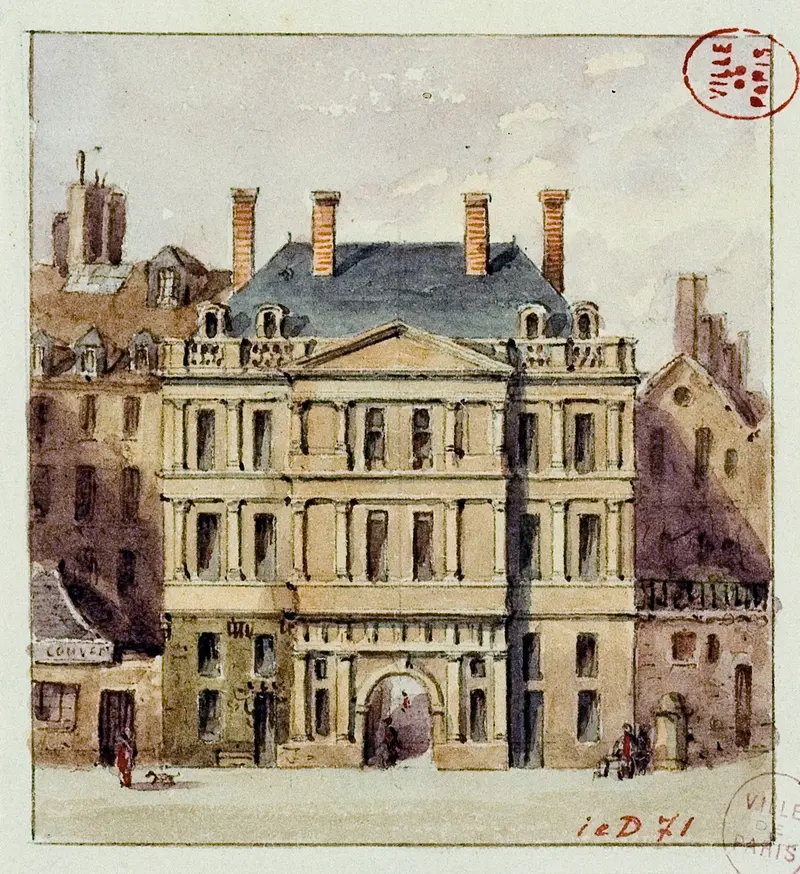
Cour de la Sainte Chapelle.
Auguste-Sébastien Bénard
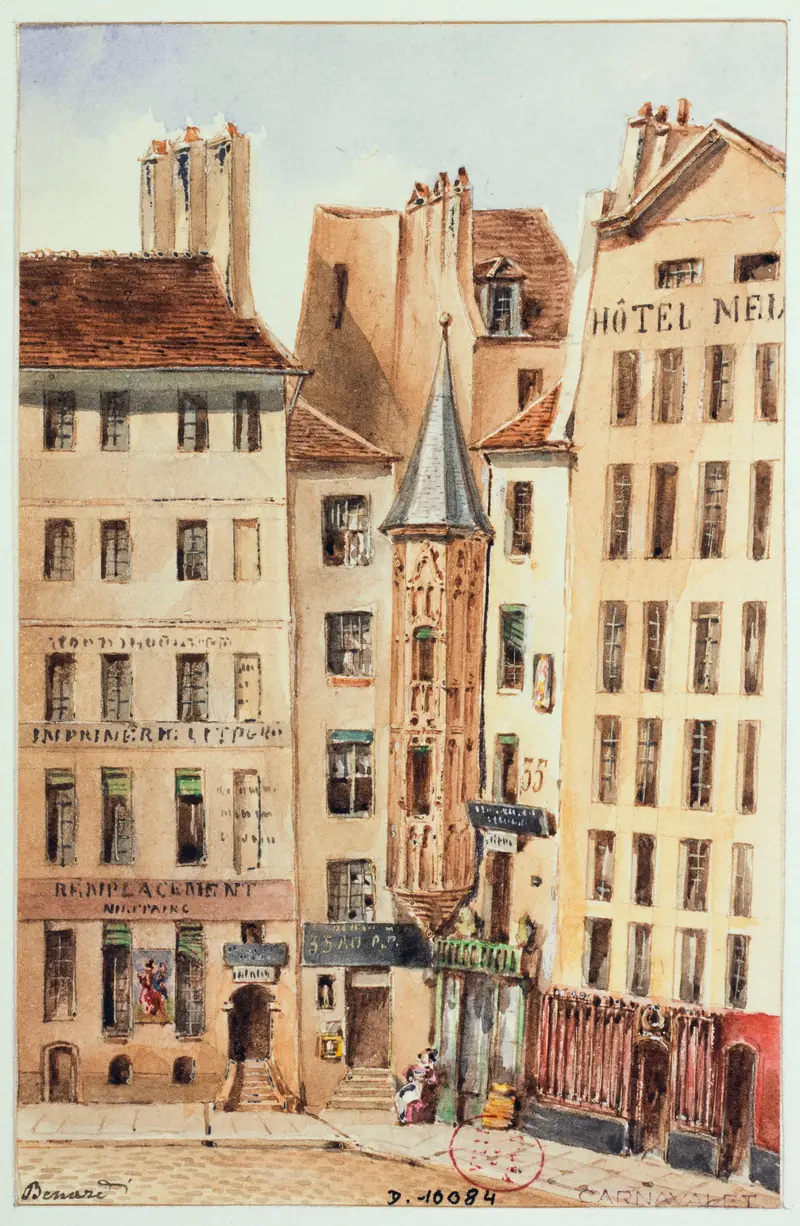
Place de l’Hôtel de Ville.
Auguste-Sébastien Bénard
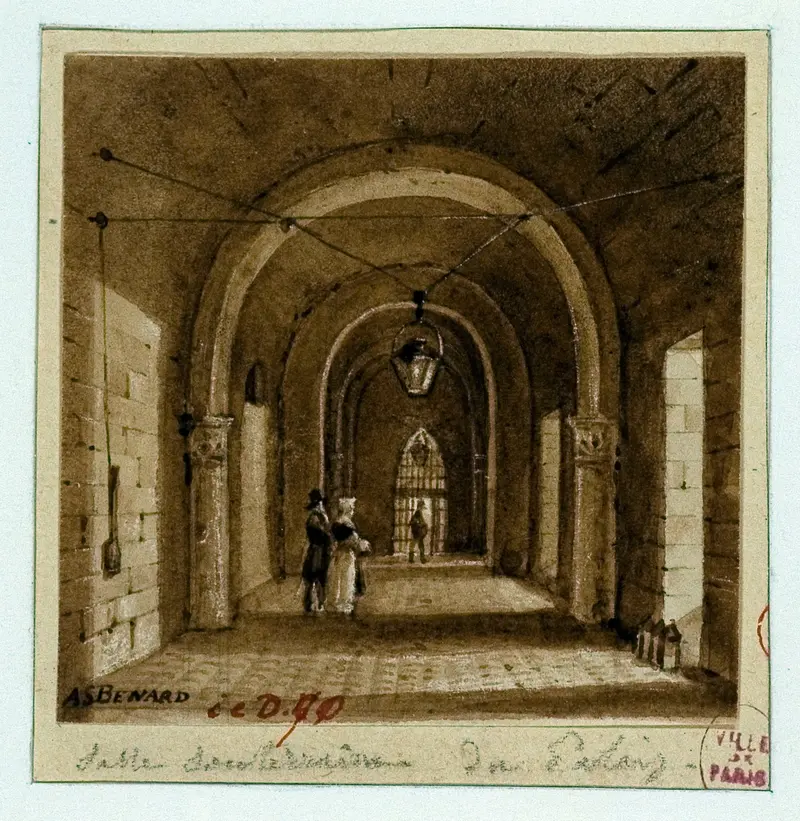
Salle souterraine du Palais de Justice.
Auguste-Sébastien Bénard
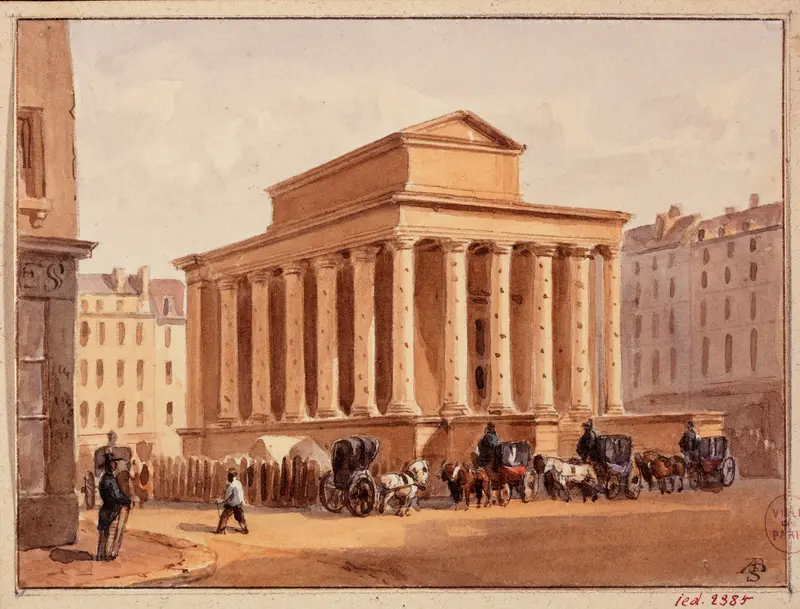
Monument expiatoire élevé à la mémoire du duc de Berry, à l’emplacement de l’ancien Opéra
Auguste-Sébastien Bénard
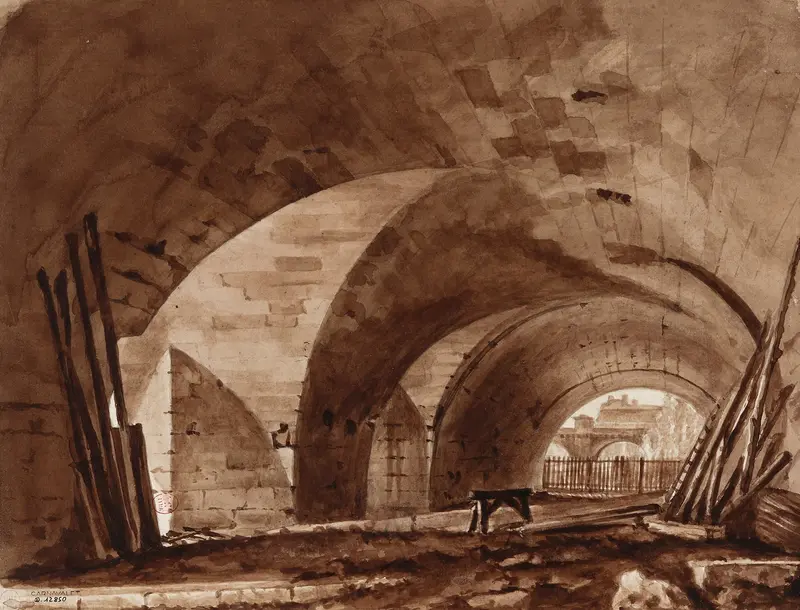
Voûtes du quai de Gesvres
Auguste-Sébastien Bénard
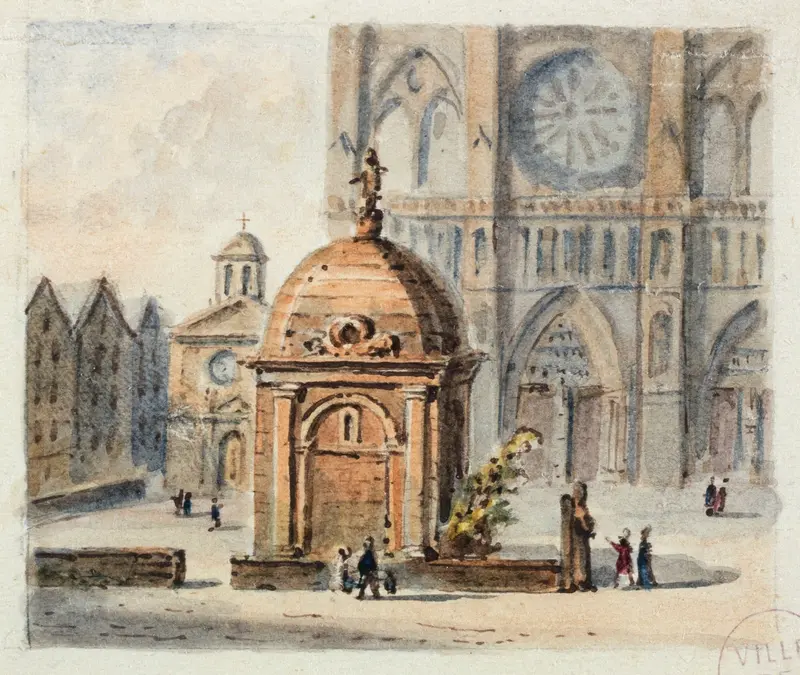
Le parvis de Notre-Dame de Paris
Auguste-Sébastien Bénard
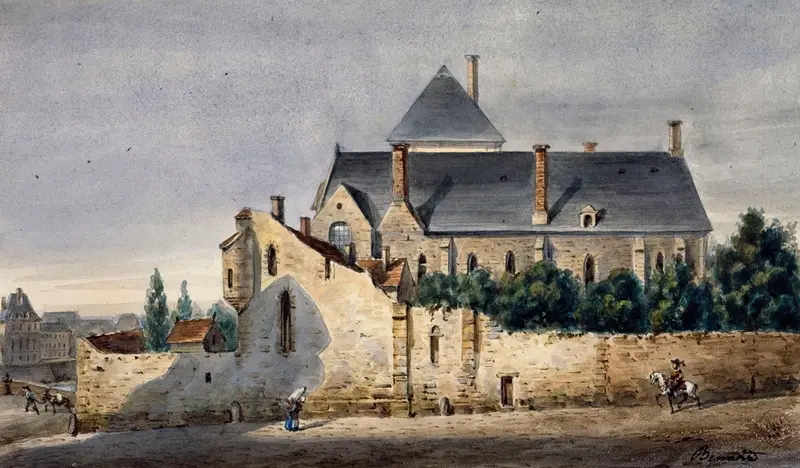
Les restes des bâtiments de l’hôtel du Petit Bourbon.
Auguste-Sébastien Bénard
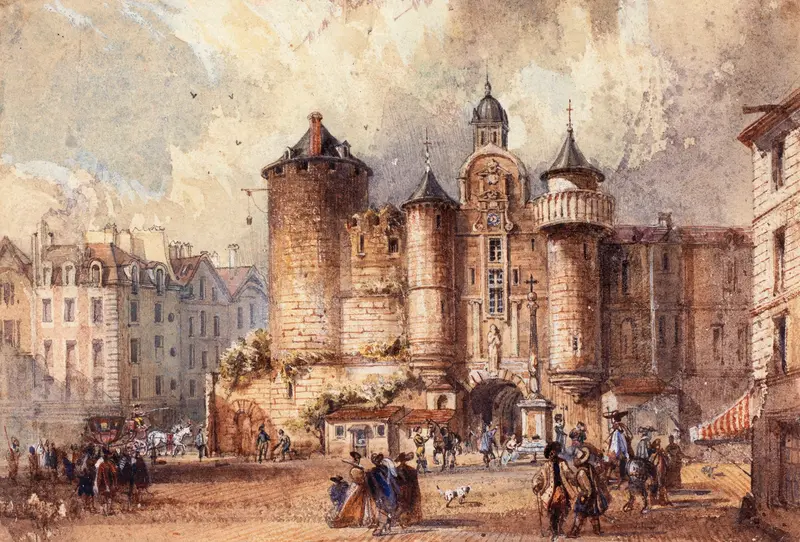
L’entrée de l’ancienne forteresse du Grand Châtelet, un jour de Carnaval
Auguste-Sébastien Bénard
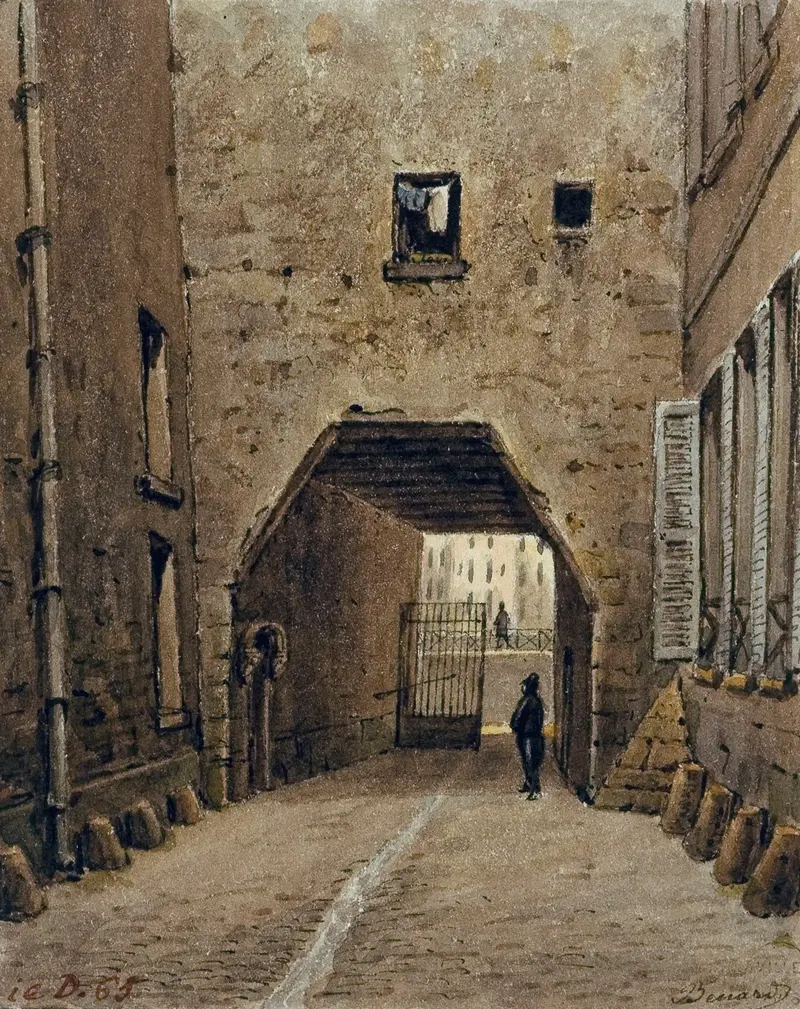
Rue des chantres (entre le quai aux fleurs et la rue Chanoinesse).
Auguste-Sébastien Bénard