
Hudson Valley — History & Facts
In the stillness of nature, we confront the profound themes of life, death, and rebirth. Look to the horizon, where the lush greens of the valley collide with the soft blues of the sky, forming a tapestry that invites exploration. Notice how the light cascades over the rolling hills, illuminating each detail with a gentle touch, revealing the artist’s mastery of atmospheric perspective. The vibrant colors create a sense of warmth, while the careful composition guides the eye from the foreground's vibrant foliage to the distant peaks, creating depth and intimacy with the landscape. At first glance, the serenity of the scene masks an underlying tension.
The contrasting elements of light and shadow represent the duality of existence—life in its vibrant bloom, yet also the quiet decay that accompanies it. Trees stand tall, their leaves lush, but around them are hints of withering foliage, symbolizing the cycle of rebirth inherent in nature. This harmonious blend of exuberance and melancholy embodies the timeless narrative of growth and renewal. In 1867, Frederic Edwin Church painted this work during a period marked by exploration and a burgeoning appreciation for the American landscape.
Located in his studio in Hudson River Valley, he was deeply influenced by the Romantic movement, which celebrated the beauty of nature alongside its sublime power. This painting emerged from a time when artists sought to capture not only the physical beauty of the land but also its emotional resonance, responding to the changing world around them.
More Artworks by Frederic Edwin Church
Browse all →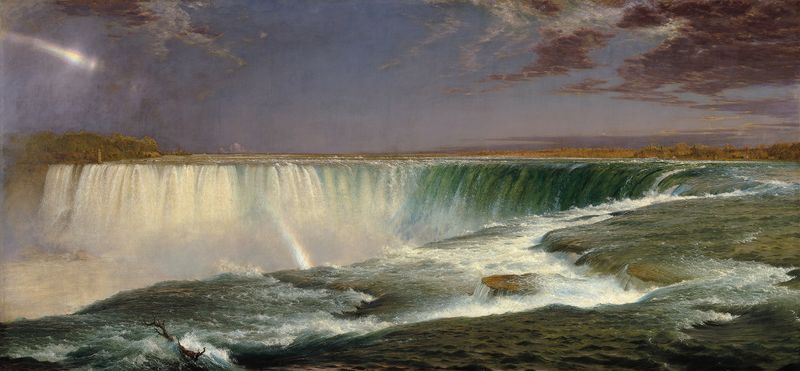
Niagara
Frederic Edwin Church
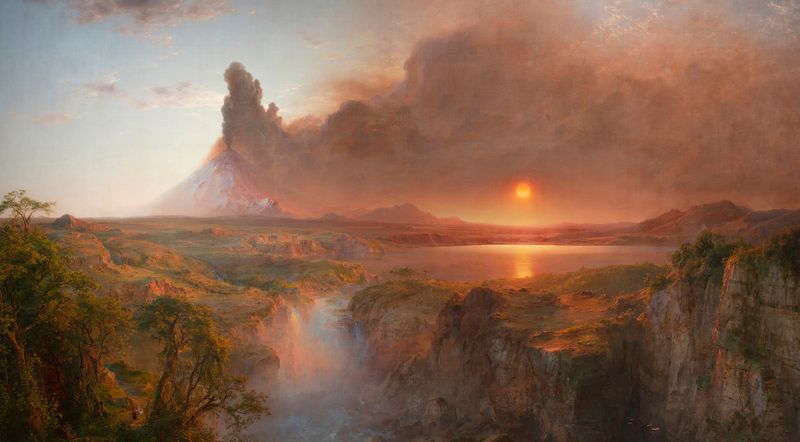
Cotopaxi
Frederic Edwin Church
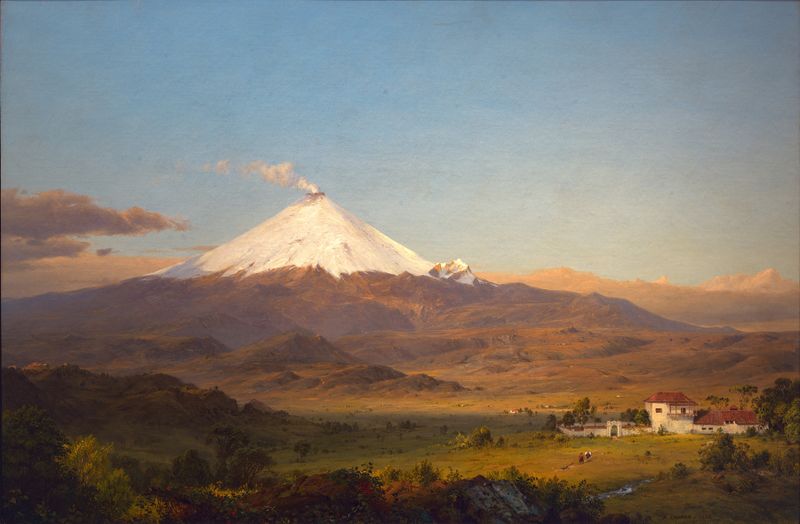
Cotopaxi
Frederic Edwin Church
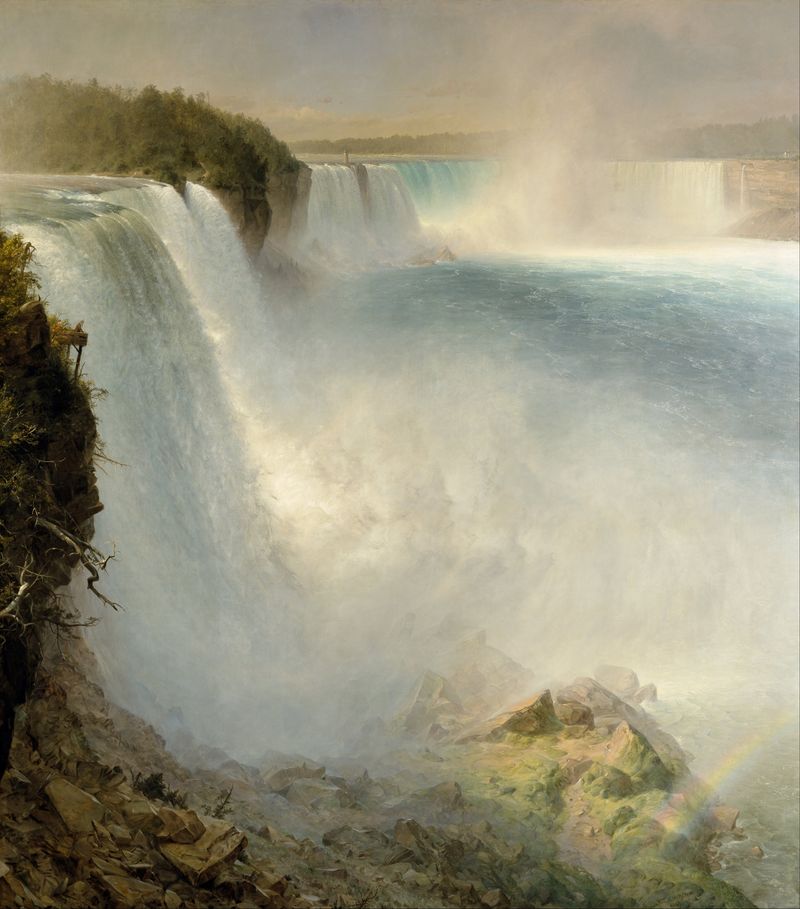
Niagara Falls, from the American Side
Frederic Edwin Church
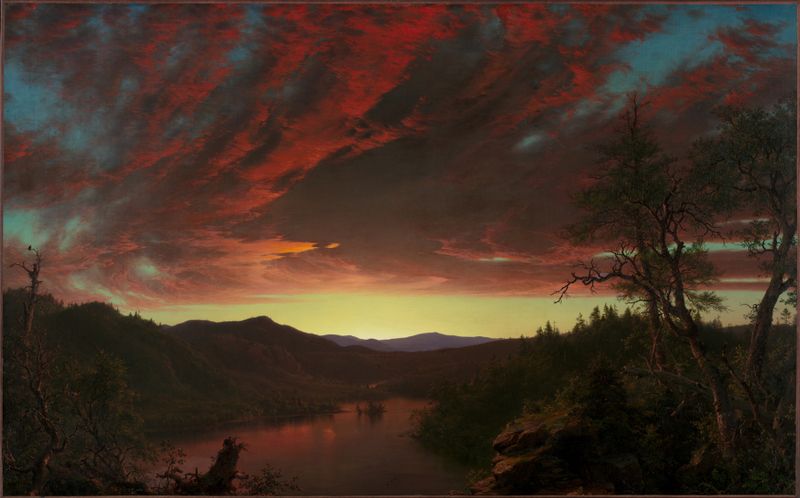
Twilight in the Wilderness
Frederic Edwin Church
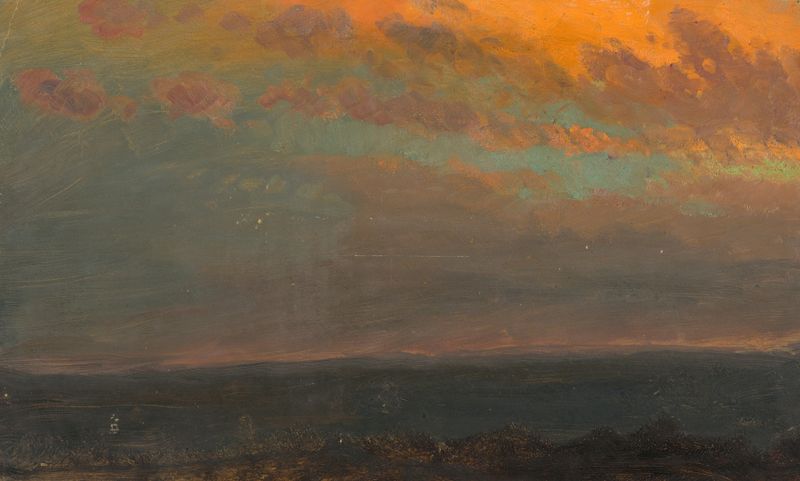
Hudson Valley at Sunset
Frederic Edwin Church
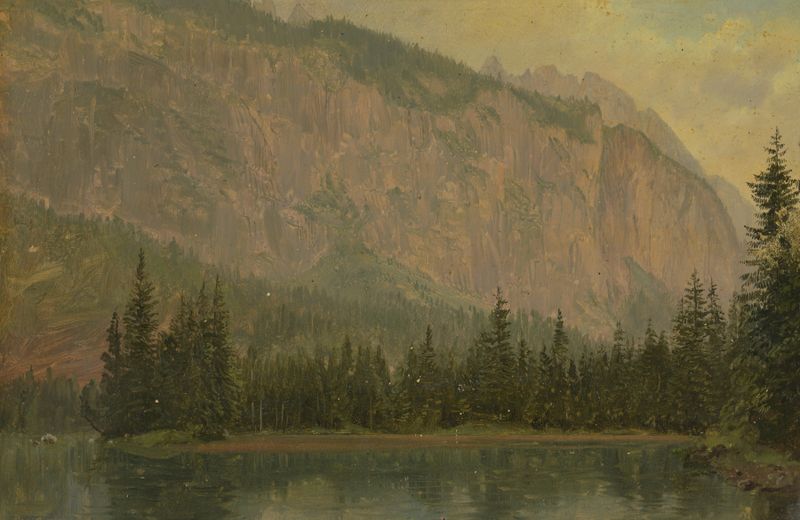
The Hintersee, near Berchtesgaden, Bavaria
Frederic Edwin Church
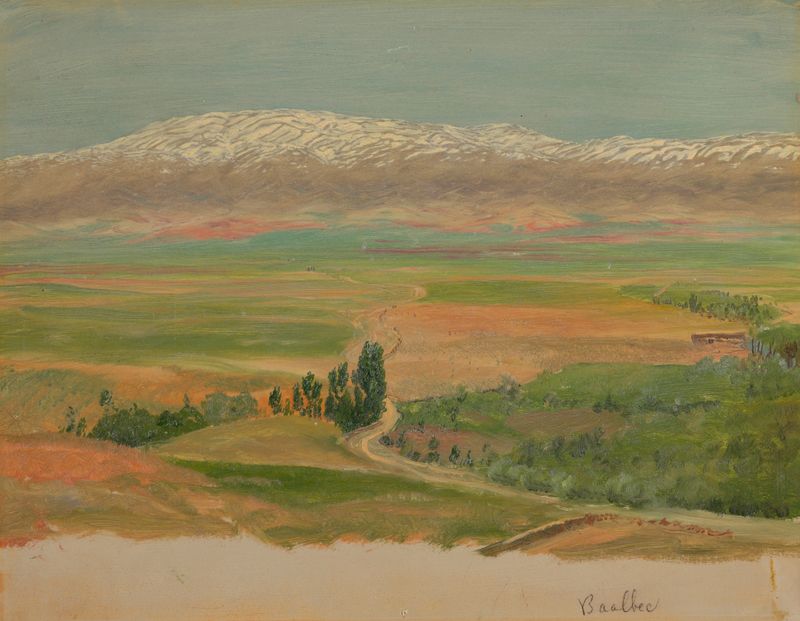
Mountains near Baalbec
Frederic Edwin Church
Aurora Borealis
Frederic Edwin Church
Cotopaxi
Frederic Edwin Church





