
Huis aan de gracht in Amsterdam — History & Facts
Is this a mirror — or a memory? The reflection of a canal-side house evokes the tension between fleeting moments and the permanence of art, inviting viewers to contemplate their own perceptions of reality. Look to the left at the delicate strokes that define the house's façade, a blend of soft blues and greys that capture the light filtering through the atmosphere. The gentle ripples on the water’s surface pull your gaze toward the shimmering reflections, suggesting a world both serene and dynamic. Notice how the muted palette imbues the scene with a sense of nostalgia, while the skewed angles hint at the artist's intention to convey not just a place but a feeling, a moment suspended in time. In this composition, the stillness of the house contrasts sharply with the fluidity of the water, mirroring the tension between stability and the ever-changing nature of life.
The delicate balance of light and shadow entices viewers to explore deeper stories hidden behind the surface, such as the industrial revolution reshaping society outside this tranquil scene. Each brushstroke encapsulates a fleeting memory, blurring the lines between the personal and the universal. James Abbott McNeill Whistler painted this work in 1889 while living in Amsterdam, a vibrant city undergoing significant change. The art world was in flux too, with movements emphasizing impressionism and modernism.
Whistler, already an established figure, was seeking to encapsulate mood and emotion through simplicity, laying the groundwork for future artistic explorations of perception in the evolving landscape of 19th-century art.
More Artworks by James Abbott McNeill Whistler
Browse all →
Nocturne in Blue and Silver
James Abbott McNeill Whistler
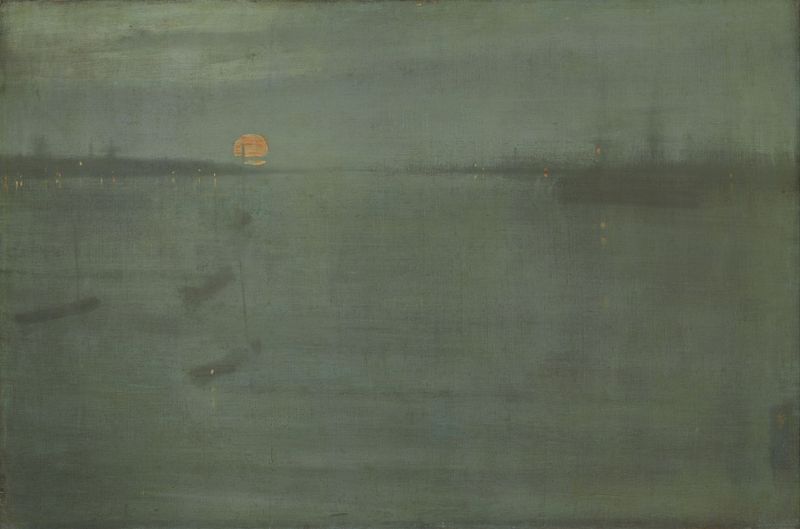
Nocturne: Blue and Gold–Southampton Water
James Abbott McNeill Whistler
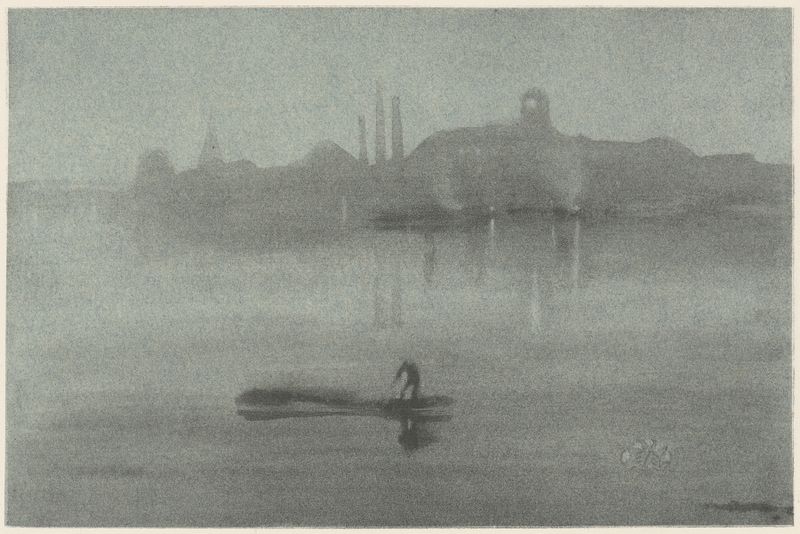
Nocturne
James Abbott McNeill Whistler
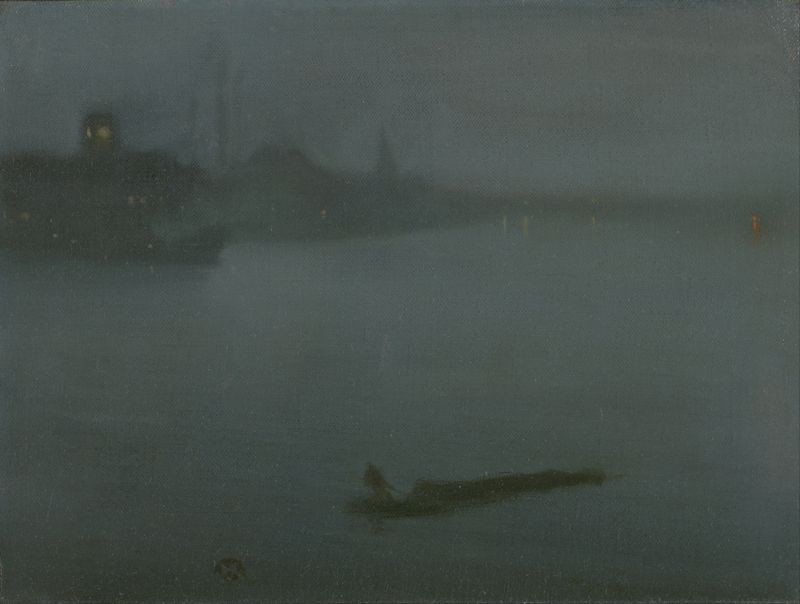
Nocturne in Blue and Silver
James Abbott McNeill Whistler
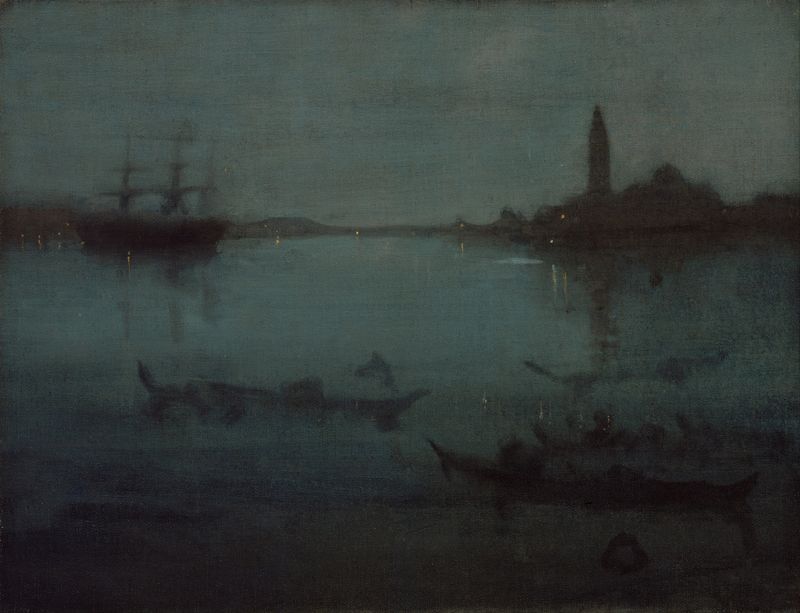
Nocturne in Blue and Silver- The Lagoon, Venice
James Abbott McNeill Whistler
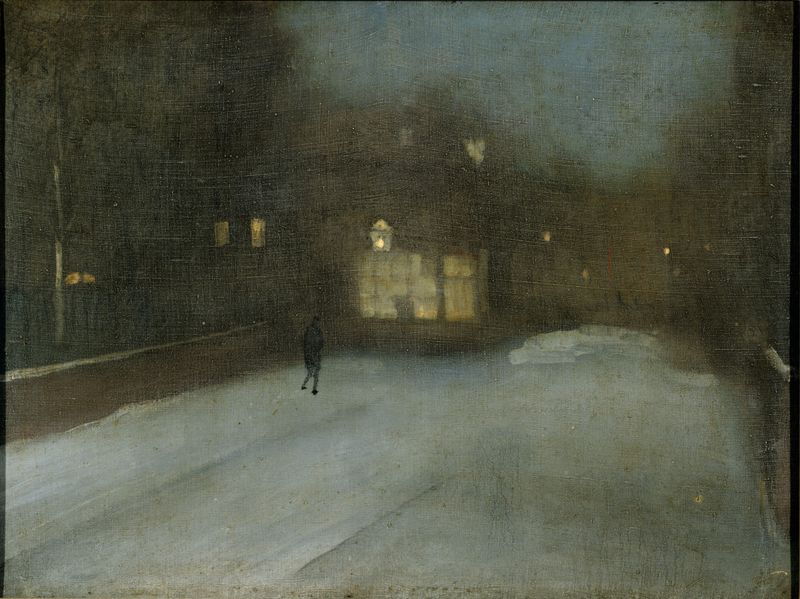
Nocturne in Grey and Gold: Chelsea Snow
James Abbott McNeill Whistler
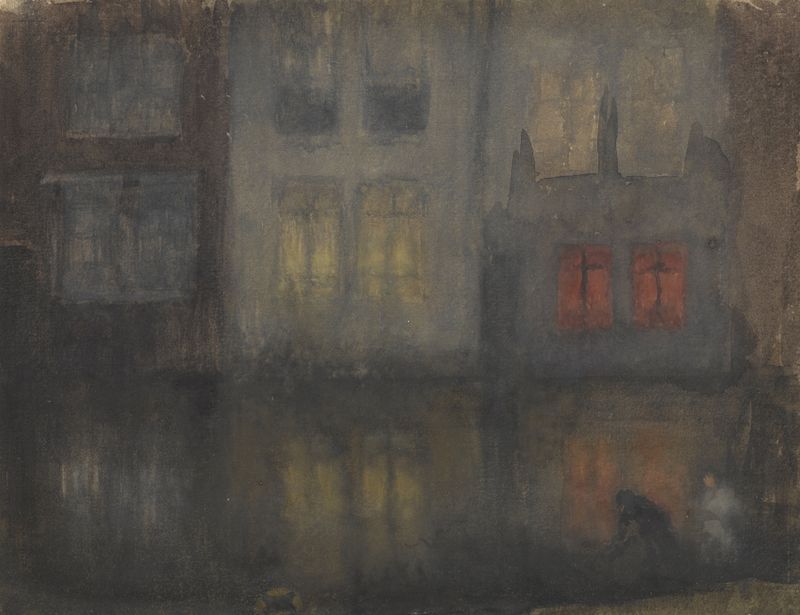
Nocturne: Black and Red—Back Canal, Holland
James Abbott McNeill Whistler
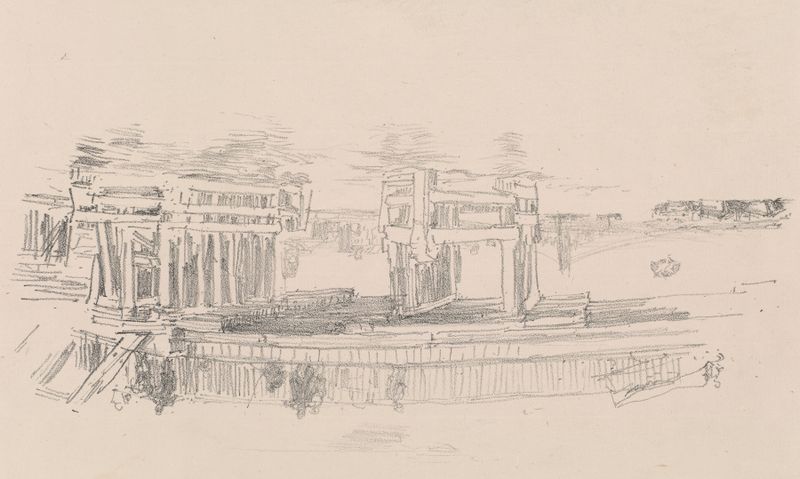
Old Battersea Bridge
James Abbott McNeill Whistler

Nocturne: Blue and Silver–Battersea Reach
James Abbott McNeill Whistler
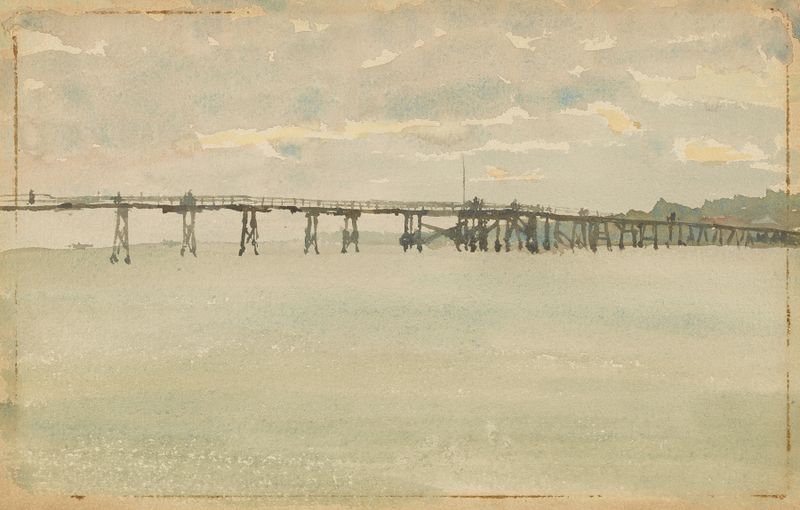
Grey and Silver–Pier, Southend
James Abbott McNeill Whistler
More Architecture Art
Browse all →
The statue of Liberty
Frédéric Auguste Bartholdi

View of Houses in Delft, Known as ‘The Little Street’
Johannes Vermeer

View of Houses in Delft, Known as ‘The Little Street’
Johannes Vermeer

The Cathedral in Rouen. The portal, Grey Weather
Claude Monet

The yellow house
Vincent van Gogh

The Church in Auvers-sur-Oise, View from the Chevet
Vincent van Gogh