
Huis of fabriek aan een kanaal — History & Facts
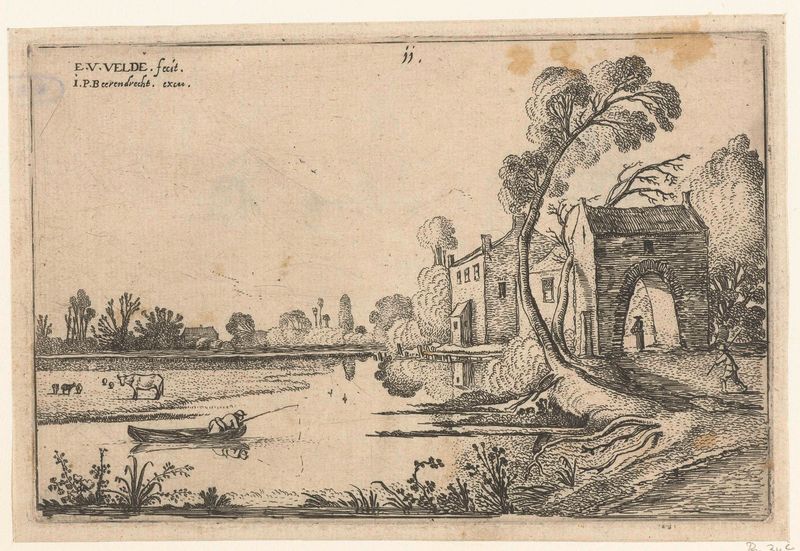
In a world where the tranquil surface masks an undercurrent of unrest, the stillness of a canal-side scene invites contemplation of what lies beneath. The conflict between calmness and turmoil often reveals the most profound truths. Focus on the left-hand side where a factory stands, its jagged edges contrasting sharply against the smooth flow of the water. Notice how the light glimmers on the canal’s surface, reflecting both the structure above and the shadows of life beneath it.
The muted earth tones dominate the palette, yet the occasional splash of color hints at the human presence that has left its mark—an echo of industry, perhaps a whisper of violence that disrupted the peace. Explore the small details: the small boats lined up at the dock seem subdued, their stillness reflecting a broader sense of powerless resignation. The factory, with its imposing stature, looms over the scene, symbolizing the encroachment of civilization on untouched nature. This juxtaposition stirs a tension between progress and the quiet desperation of the natural world, suggesting that violence can be both physical and existential. During the period from 1613 to 1617, the artist was immersed in the Dutch Golden Age, a time marked by prosperity but also by conflicts that lay just beneath the surface.
Van de Velde, painting in Haarlem, was influenced by the burgeoning imaginative landscapes that combined serene beauty with the reality of human encroachment, reflecting a complex relationship with the industrial growth of his time.
More Artworks by Esaias van de Velde
Browse all →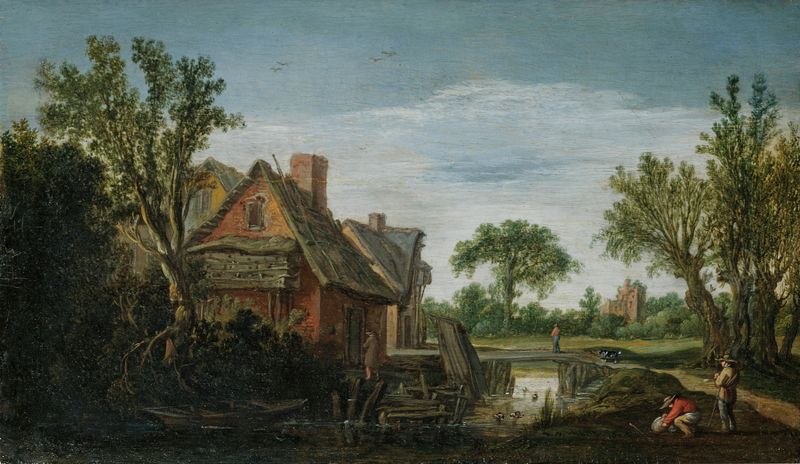
The Hague A Wooded River Landscape With Figures On A Path On A River Bank Beside A Village, A Bridge Beyond
Esaias van de Velde
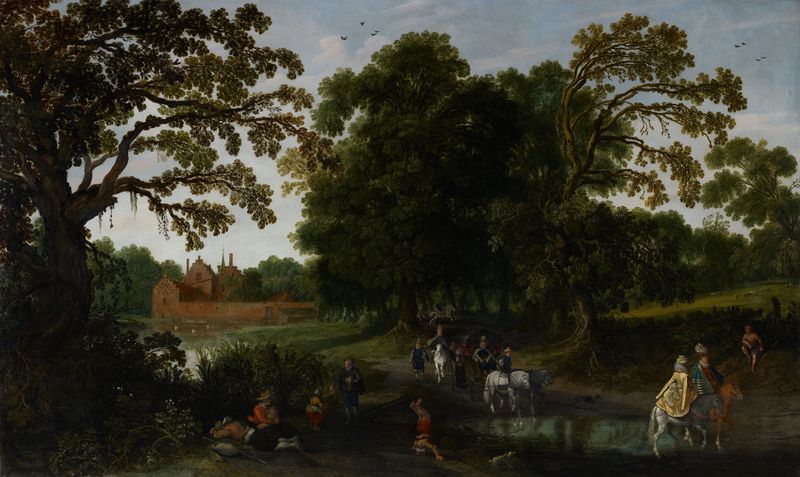
Courtly Procession before Abstpoel Castle
Esaias van de Velde
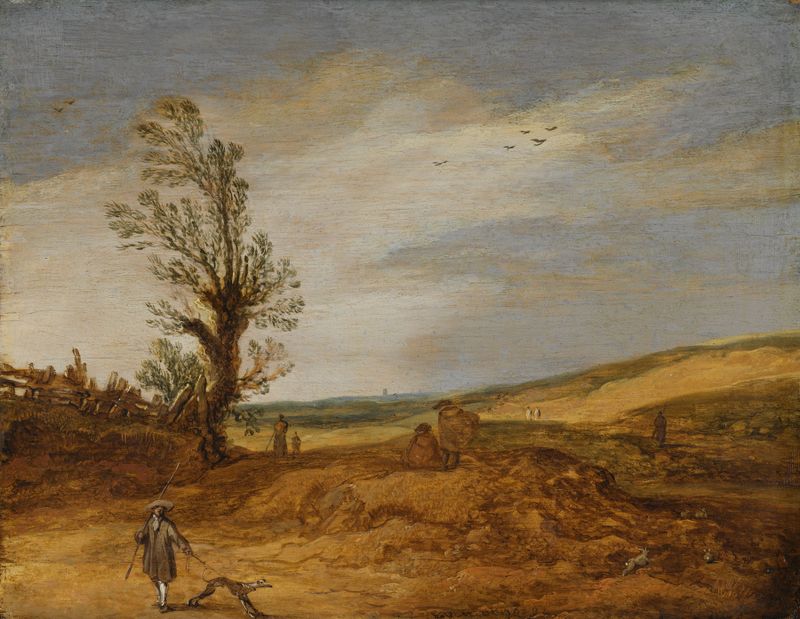
A View in the Dunes
Esaias van de Velde
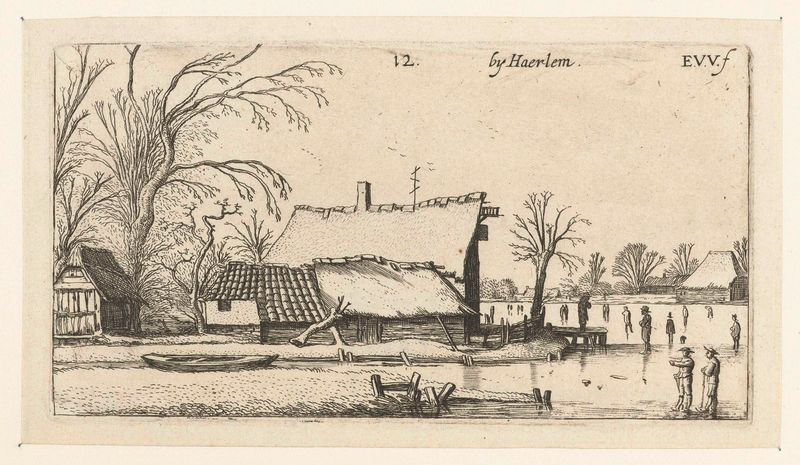
Boerderij bij een bevroren rivier met schaatsers
Esaias van de Velde
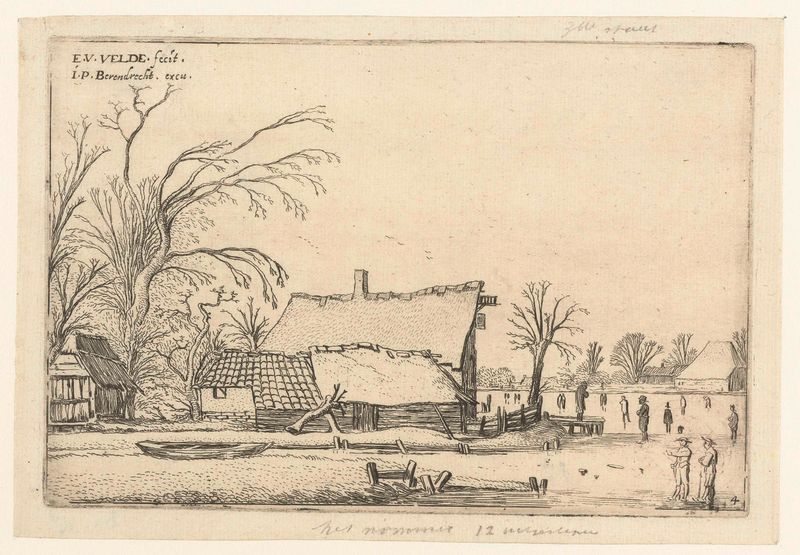
Boerderij bij een bevroren rivier met schaatsers
Esaias van de Velde
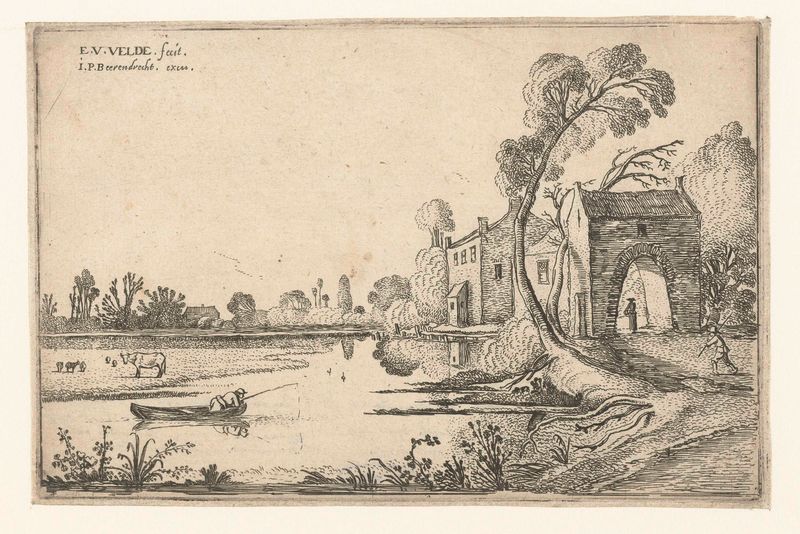
Landschap met rivier en poortgebouw
Esaias van de Velde
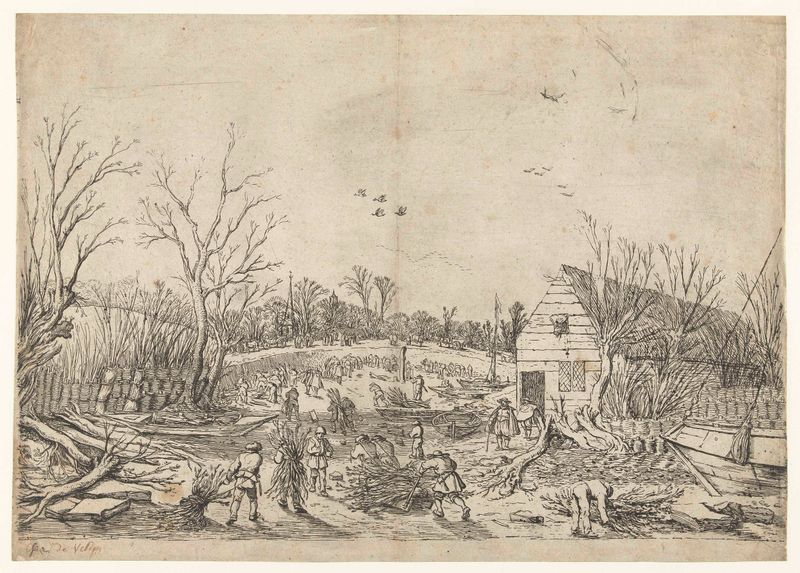
Herstelwerkzaamheden aan de doorgebroken Lekdijk bij 't Waal
Esaias van de Velde
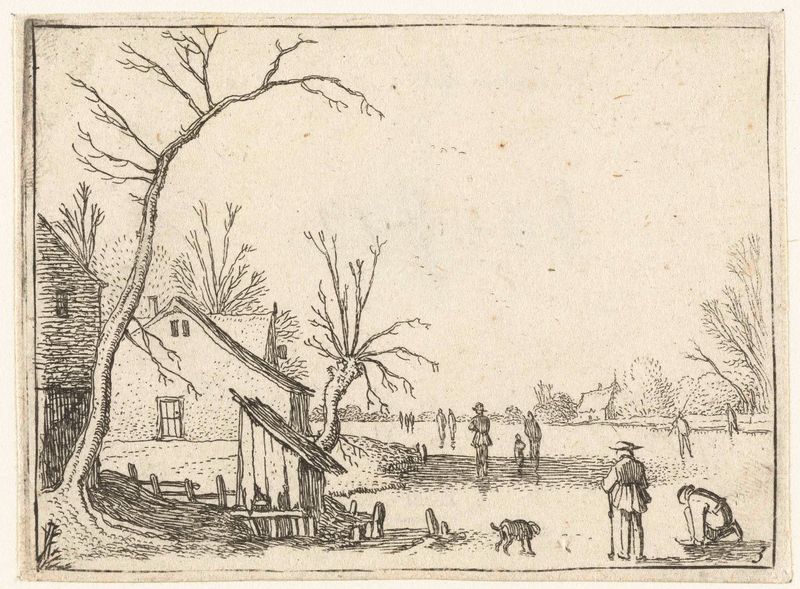
Boerderij bij bevroren rivier en schaatsers op het ijs
Esaias van de Velde
Landschap met een rivier en poortgebouw
Esaias van de Velde
Travelers by a Lake
Esaias van de Velde





