Gezicht op de Binnen-Amstel in de nevel — History & Analysis
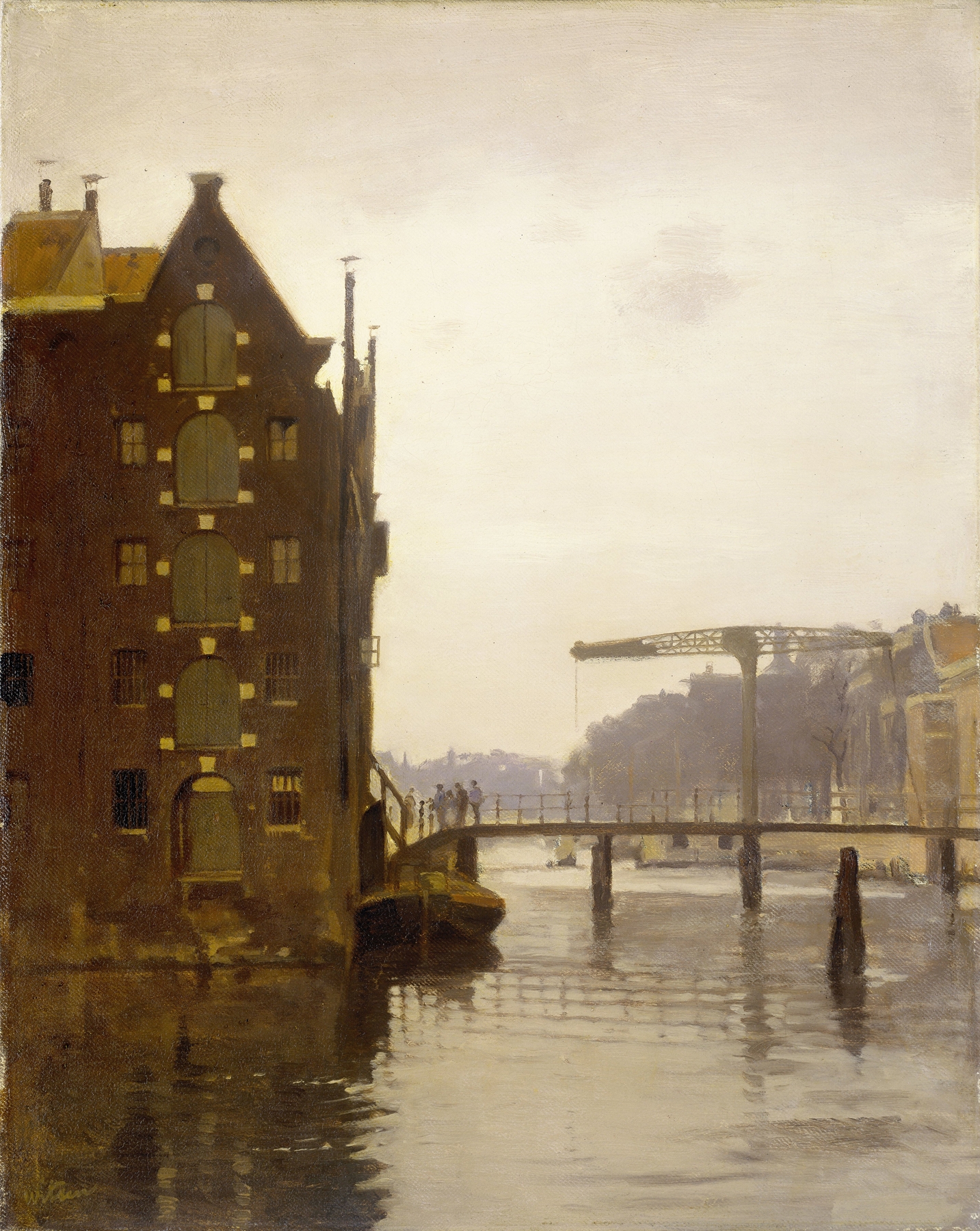
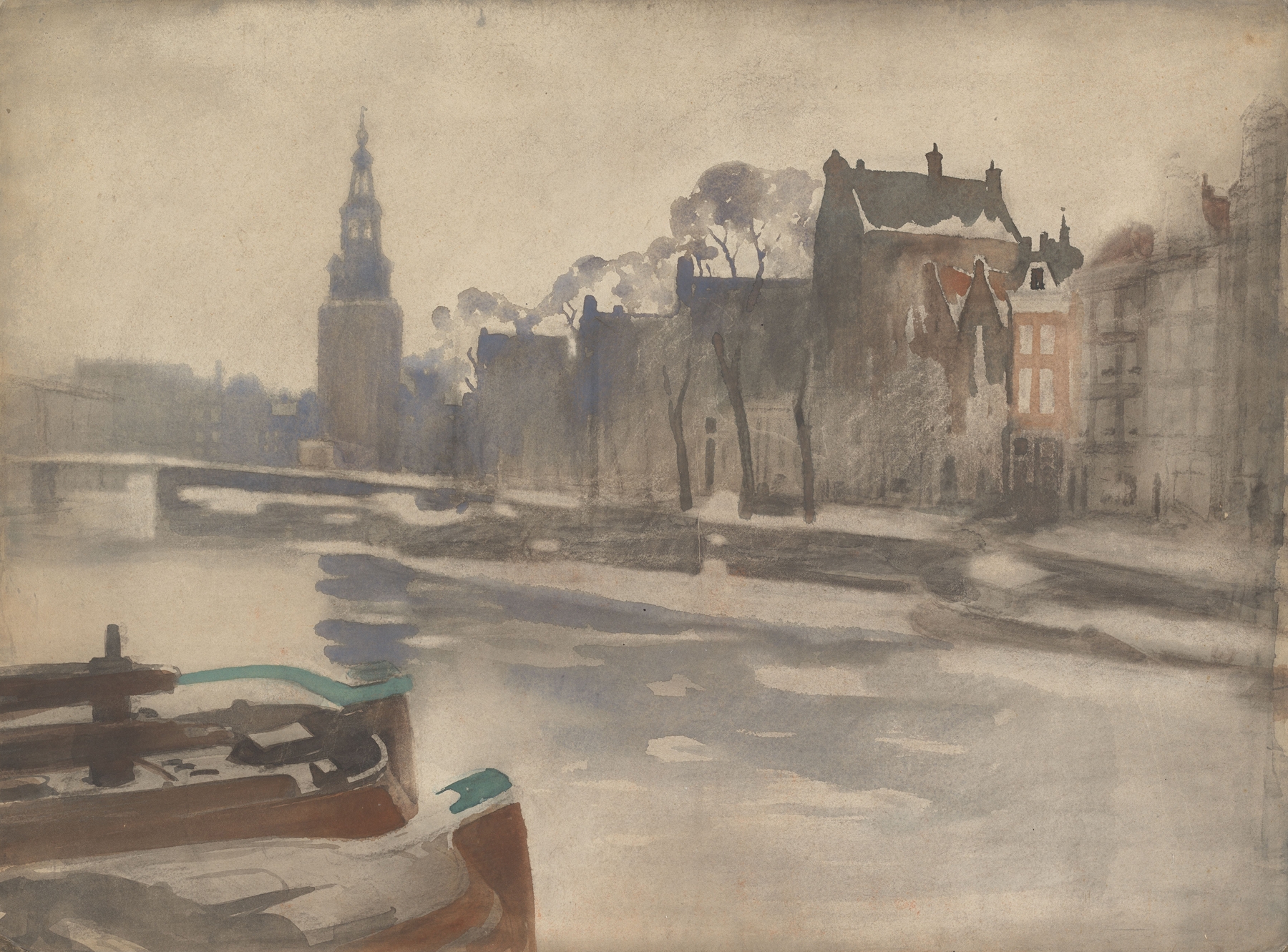
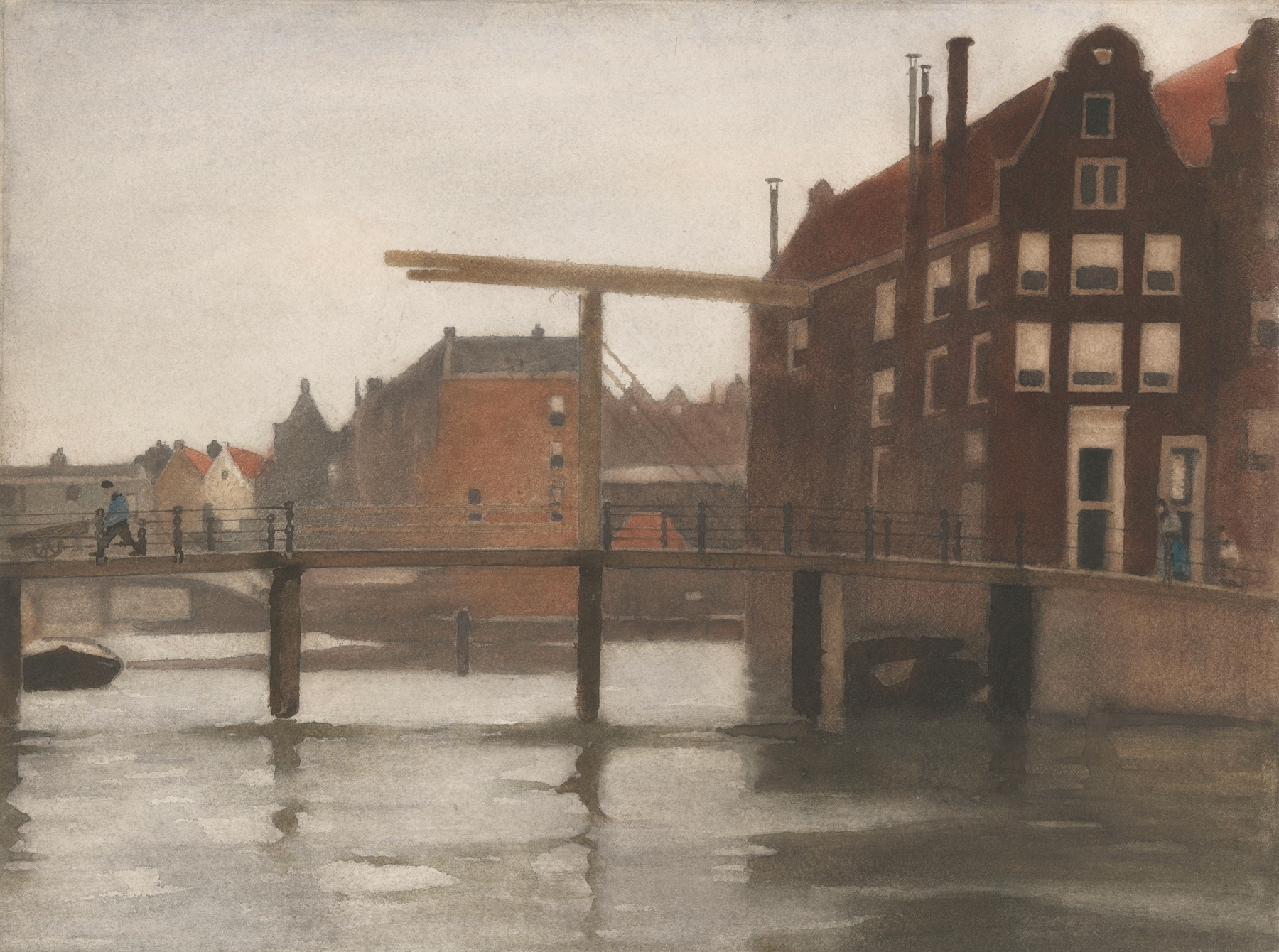
Under the brush, chaos becomes grace. In the misty embrace of dawn, the city’s edge reveals a world cloaked in tranquility and mystery, inviting viewers to ponder the unseen depths of the human experience. Look to the foreground where soft strokes blend hues of gray and blue, capturing the morning fog that gently swathes the Binnen-Amstel. The layers of paint create an ethereal quality, drawing your gaze to the subtle reflections dancing on the water’s surface.
Notice how the light seems to diffuse through the vapor, illuminating the outlines of the trees and buildings just enough to suggest life, yet shrouding them in an enigmatic veil. Delve deeper into the contrasts within the artwork—the inherent tension between the solidity of the structures and the ephemeral mist that surrounds them. This interplay evokes a sense of awe and introspection, as if the viewer is standing on the threshold between reality and the ethereal. The muted palette, punctuated by soft whites and blues, enhances the emotional resonance of the scene, making it feel both intimate and expansive.
Willem Witsen created this piece during a transformative period for Dutch art, around the early 20th century. He was immersed in the burgeoning movement of Impressionism, seeking to capture fleeting moments of beauty in the everyday. Working in Amsterdam, Witsen was deeply influenced by the city's ambiance and the interplay of light and shadow, which he masterfully integrated into his works, marking a distinct evolution in his artistic vision and the broader landscape of contemporary art.