Gemeerde schuiten aan een besneeuwde grach — History & Analysis
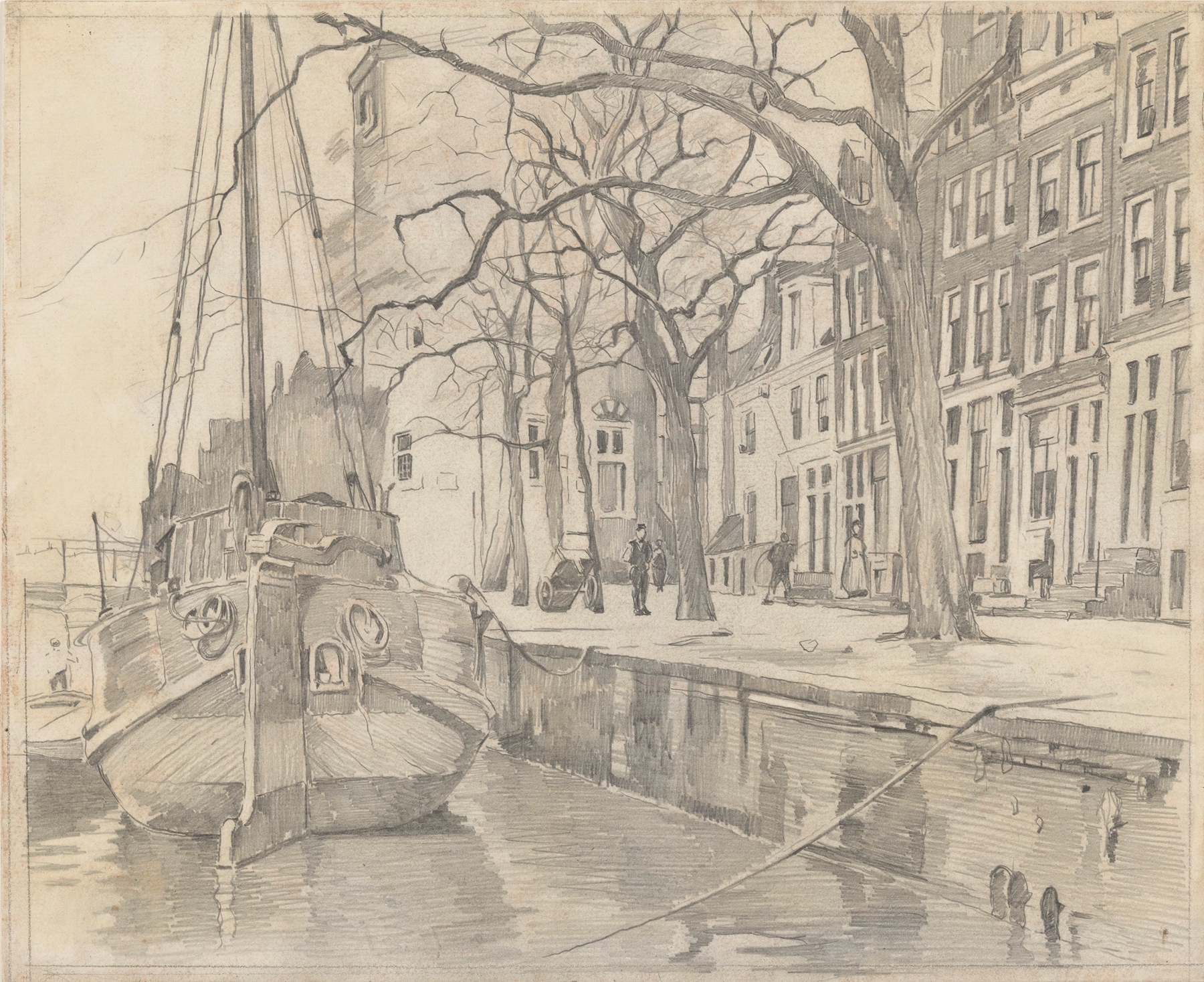
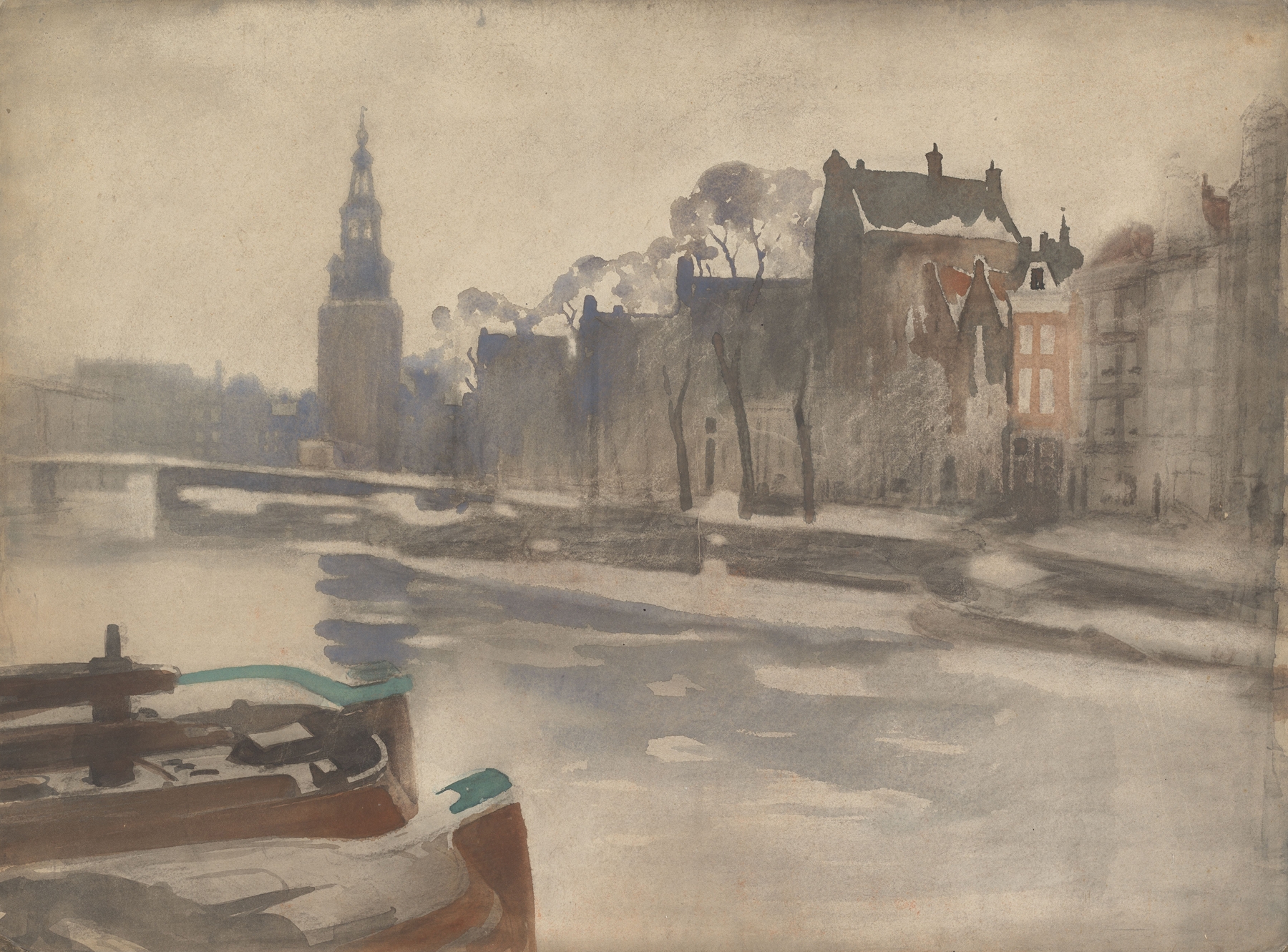
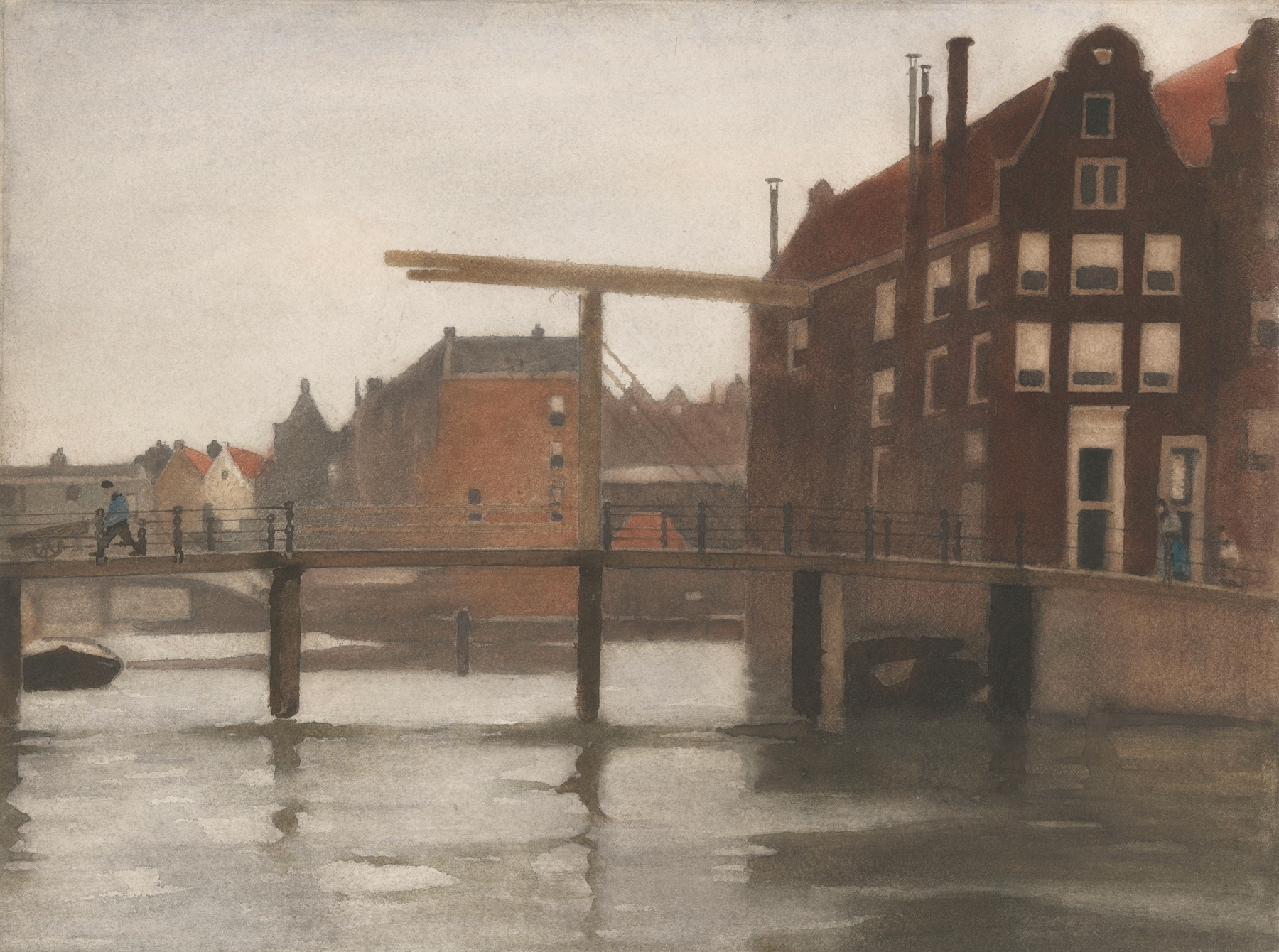
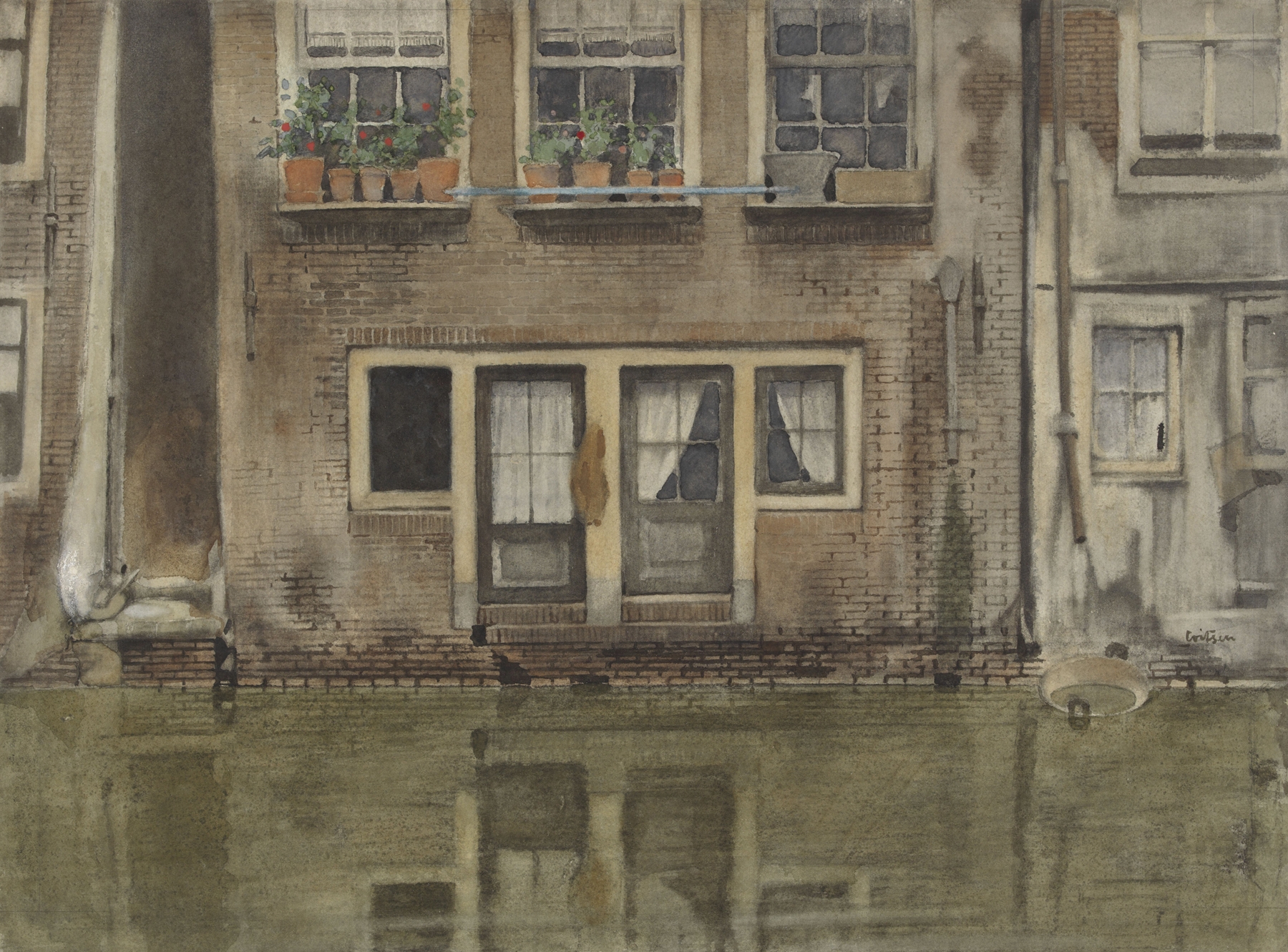
Could beauty survive in a century of chaos? In the quiet embrace of a snow-laden canal, a dream unfolds—a moment suspended where time and turmoil seem worlds apart. Look to the center of the canvas; there, the sturdy hulls of moored boats rest gently against the glistening white of fresh snow. The muted palette of grays, whites, and soft blues creates a serene yet stark contrast, inviting the viewer to linger. Notice how the light dances delicately across the water's surface, reflecting the somber sky, while the silhouettes of trees frame the scene, enhancing its tranquility.
Each brushstroke seems deliberate, capturing the essence of winter's stillness. Delve deeper, and you'll find layers of emotional tension woven into this serene tableau. The juxtaposition of the vibrant life that once thrived in these canals against their current wintry slumber speaks of change and impermanence. The boats, once vessels of movement, are now static, echoing a longing for what was.
This poignant contrast hints at the struggles of an era, where dreams might fade but never truly vanish. Willem Witsen painted this work in the early 20th century, a time when he was deeply entrenched in the artistic community of Amsterdam. As Europe faced the impending upheaval of the First World War, his focus lay in capturing the beauty of everyday life in his beloved city. This piece reflects his mastery of light and mood, showcasing not only his technical skill but also the deep emotional resonance that art can evoke amidst a backdrop of uncertainty.