
Huizengevels — History & Facts
What if beauty was never meant to be finished? In Huizengevels, the elegant façades rise in silent dialogue, each one a monument to the destiny of architectural grace. Look to the left at the striking archways, each meticulously outlined in soft pastels, inviting your gaze upward. Notice how the gentle light kisses the peaks of the gables, casting delicate shadows that dance across the cobblestones below. The harmonious arrangement of colors—pinks, yellows, and blues—creates a serene rhythm that underlines the beauty of imperfection, as if each building holds its breath in anticipation of a story yet to unfold. Yet, within this serene composition lies a tension, as the buildings seem to lean slightly towards one another, suggesting a longing for connection.
The juxtaposition of solid structure against the fleeting quality of light speaks to the transient nature of beauty and existence. Small details, like the weathered bricks and the meticulously painted trims, evoke a sense of history and the passage of time, inviting viewers to ponder the lives lived within those walls. Alfred Ost painted Huizengevels in 1930 while living in Belgium, amidst a period of artistic evolution marked by the rise of modernism. At this time, Ost was refining his style, moving towards a more distinct representation that captured the essence of daily life through architectural forms.
The world around him was grappling with changes, and his work reflects both a nostalgia for the past and a celebration of beauty in the ordinary.
More Artworks by Alfred Ost
Browse all →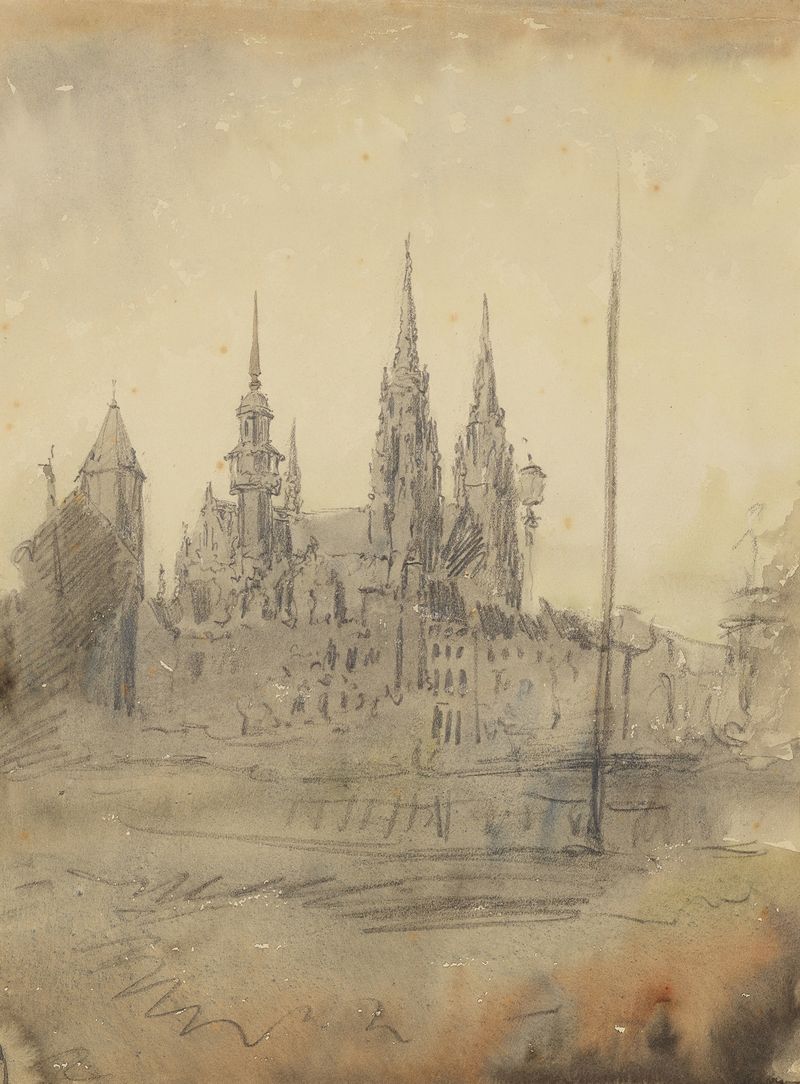
Oostende in de mist
Alfred Ost

Ypres Remember
Alfred Ost
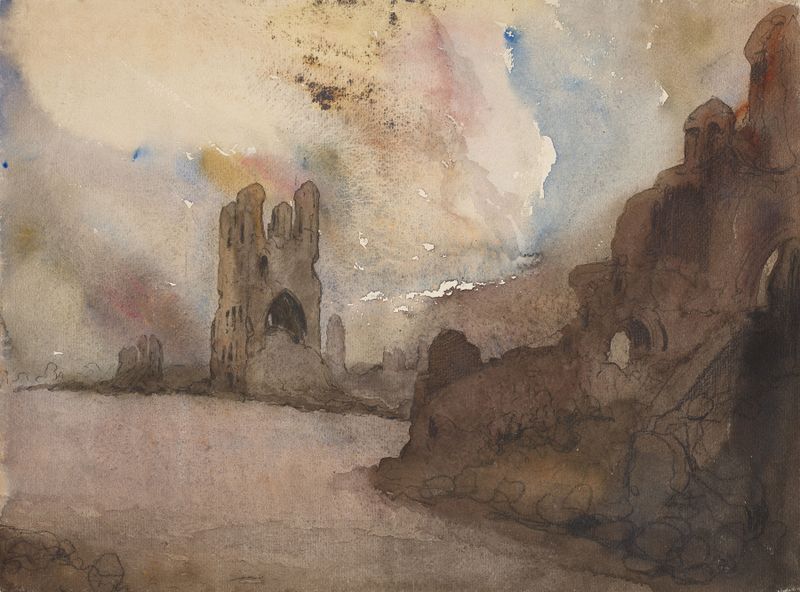
Ypres Remember
Alfred Ost
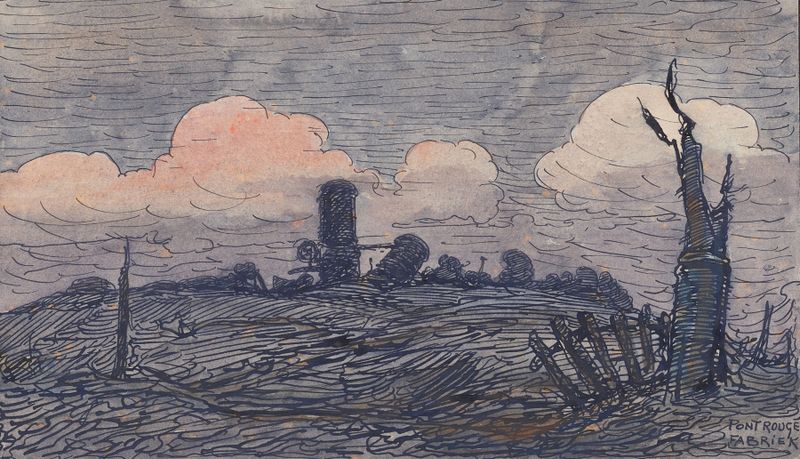
Ypres Remember
Alfred Ost

Bedevaarders op weg naar de Sint Salavtorkerk van Hakendover
Alfred Ost
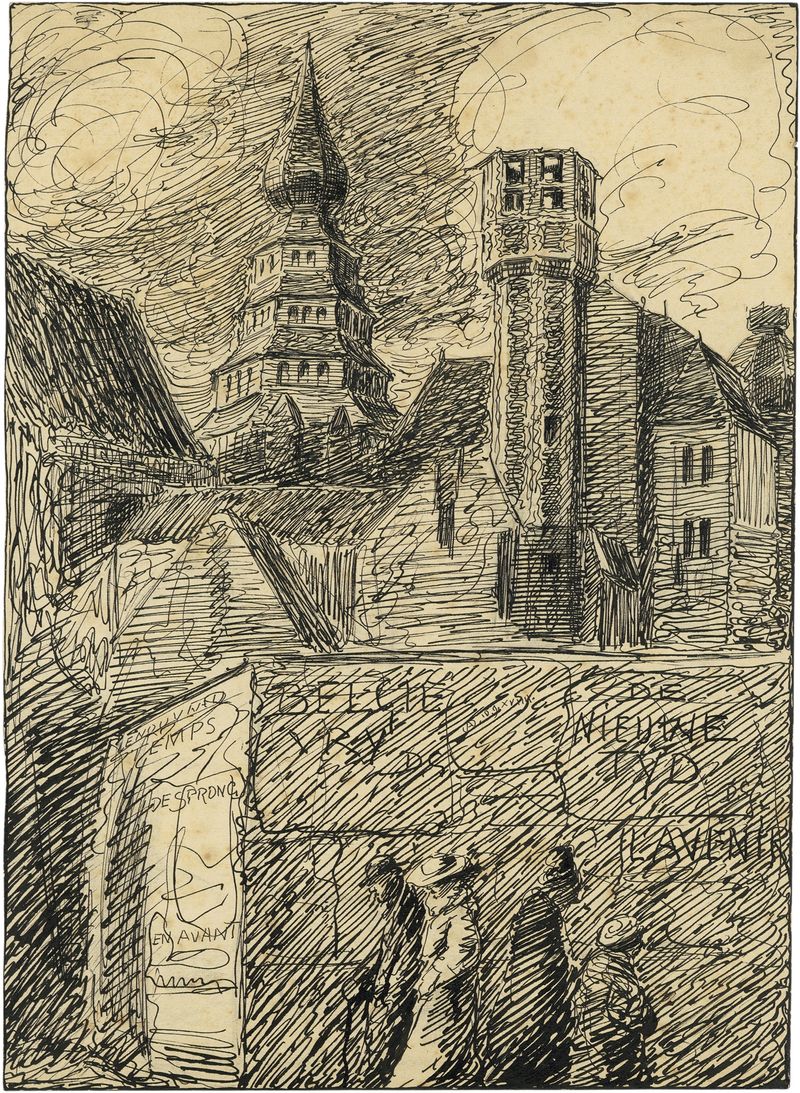
‘België vrij. De nieuwe tijd.’
Alfred Ost

Vierkantshoeve
Alfred Ost

Huis met rieten dak in een veld
Alfred Ost

Italiaanse kerk en bomen
Alfred Ost

Sint-Salvatorkerk in Hakendover – zijaanzicht
Alfred Ost
More Architecture Art
Browse all →
The statue of Liberty
Frédéric Auguste Bartholdi

View of Houses in Delft, Known as ‘The Little Street’
Johannes Vermeer

View of Houses in Delft, Known as ‘The Little Street’
Johannes Vermeer

The Cathedral in Rouen. The portal, Grey Weather
Claude Monet

The yellow house
Vincent van Gogh

The Church in Auvers-sur-Oise, View from the Chevet
Vincent van Gogh