Humná — History & Facts
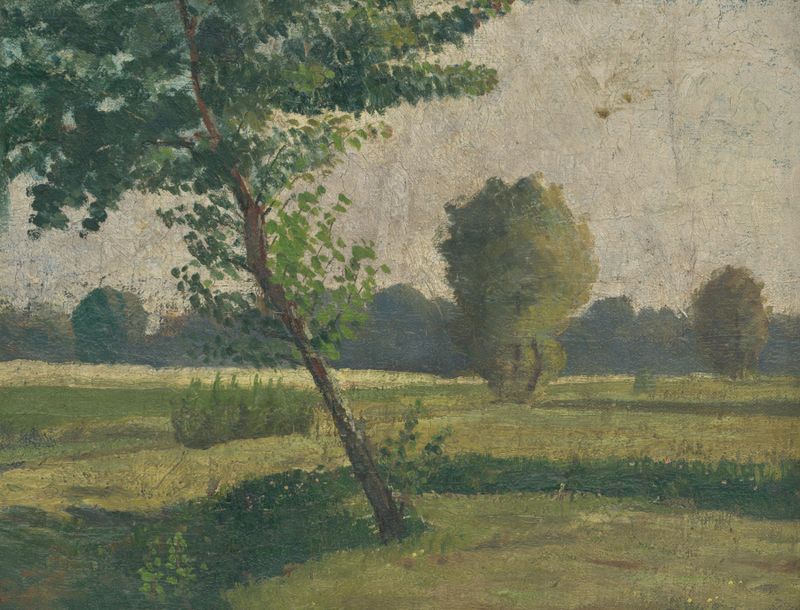
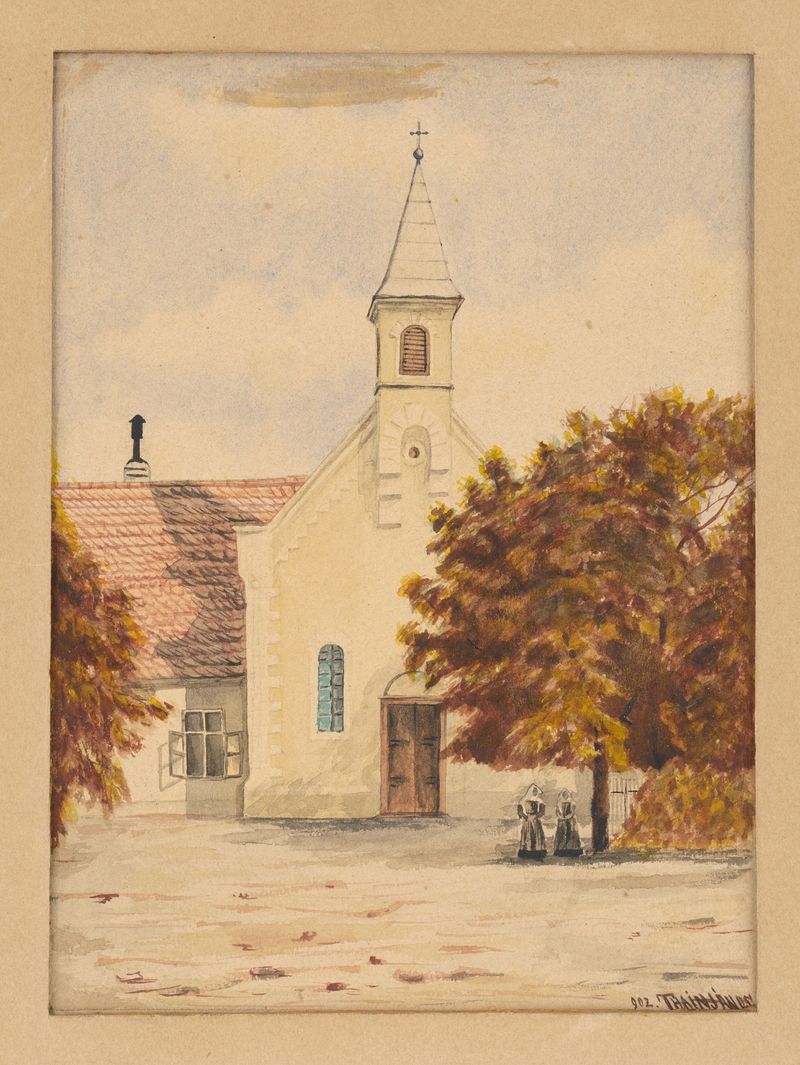
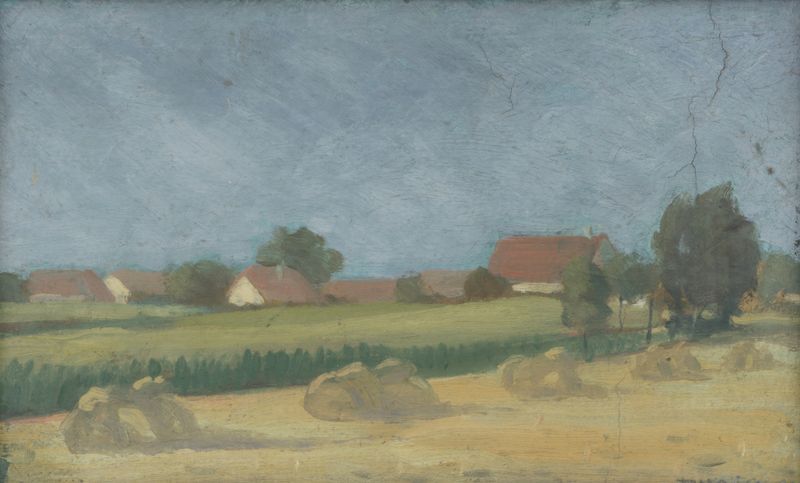
In the quiet depths of memory lies an intricate tapestry woven from threads of longing and nostalgia, where the echoes of the past linger like whispers between brushstrokes. Look closely at the center of the canvas where a solitary figure stands, shrouded in gentle hues of blue and gray. The figure's posture, slightly hunched, suggests a weight of remembrance, while the soft play of light reveals the contours of their face and the lines that tell stories unknown. Notice how the muted palette envelops the scene, evoking a sense of introspection, while fragments of brighter tones break through like flashes of precious memories. The stark contrast between the figure and the surrounding emptiness heightens the emotional resonance.
Here, absence becomes a presence, and every shadow casts a deeper meaning. The delicate strokes that outline the figure convey fragility, yet they are imbued with a strength borne of introspection. The subtle layering of paint invites viewers to peel back the layers of their own memories, prompting reflections on loss, identity, and the enduring nature of what is left unsaid. In 1908, Ján Thain was immersed in the evolution of modern art in Prague, a city alive with the fervor of new ideas and artistic revolutions.
As traditional forms gave way to more abstract expressions, Thain sought to capture the essence of human experience in its rawest form. It was a period marked by personal and societal transformations, and Humná reflects not only his individual journey but also the collective memory of a society navigating the complexities of a changing world.