Hurricane’s End — History & Facts
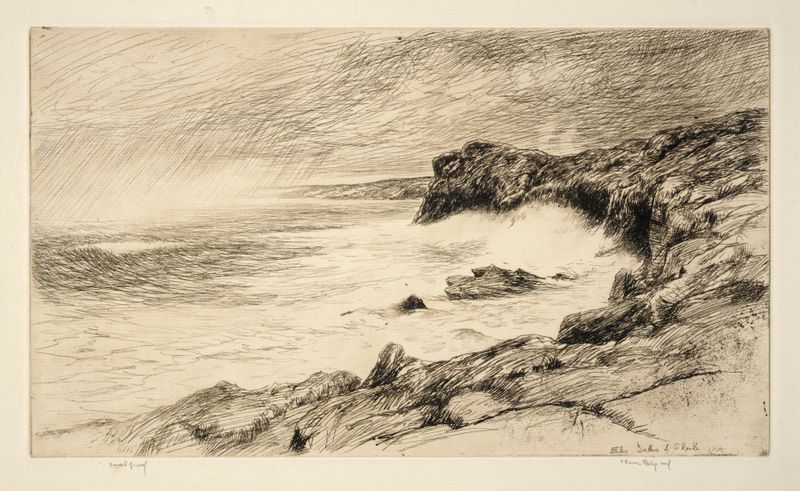
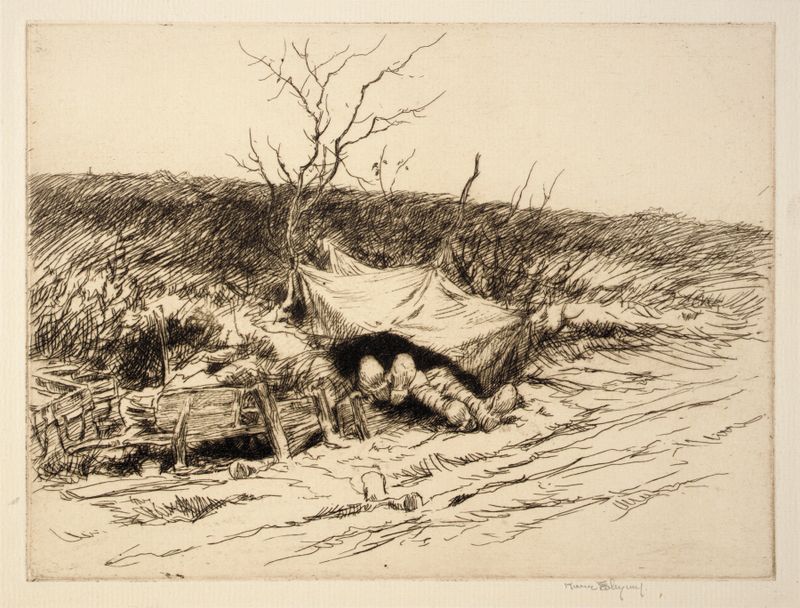
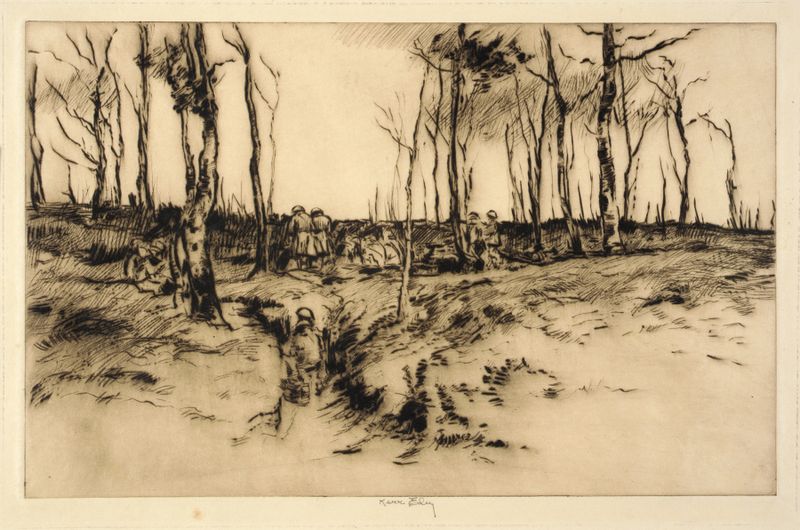
In a world racing towards the future, desire lingers in the echoes of what has passed. It weaves through the moments captured on canvas, allowing us to reflect on loss, survival, and the quiet aftermath of tumult. Look to the left at the darkened sky, swirling with thick, ominous clouds that loom over the landscape. Eby’s brushstrokes capture the chaotic energy of the storm, yet as your gaze moves to the horizon, you’ll find a soft, golden light breaking through the clouds, hinting at hope.
The juxtaposition of dark and light reveals the tension between despair and renewal, drawing the viewer into a liminal space where emotion hangs heavy in the air. The fallen trees, their twisted forms bear silent witness to nature's wrath, while the tranquil details of wildflowers peeking through the debris signify resilience amidst devastation. This contrast speaks to the dual nature of desire—a longing for beauty, yet a recognition of what must be left behind. As the viewer, you may contemplate not only the aftermath of a hurricane but also the transient nature of all things, and the human spirit's capacity to rebuild and remember. Kerr Eby created Hurricane’s End in 1938, a period marked by economic downturn and social upheaval.
Living in New York, he was deeply influenced by the realism of his contemporaries and the emotional weight of the Great Depression. This work reflects not just personal experience, but also the broader human condition, capturing a moment where nature’s fury meets the quiet determination of survival.