Hyères — History & Facts
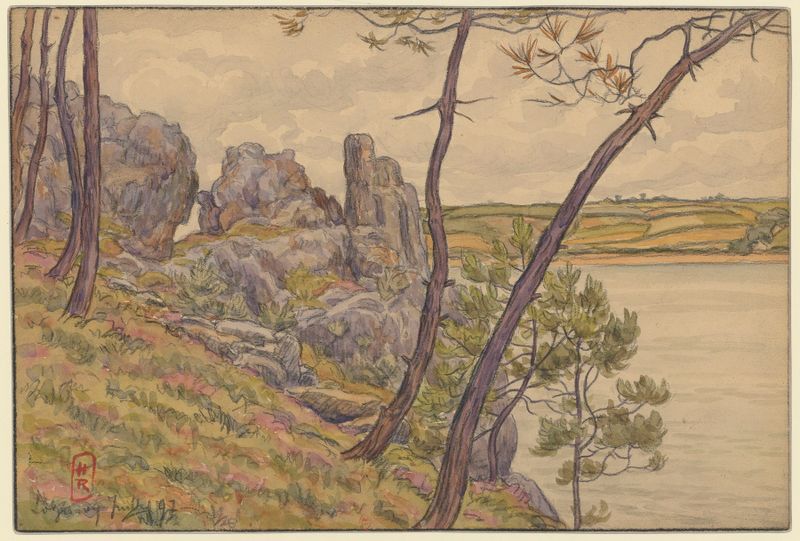
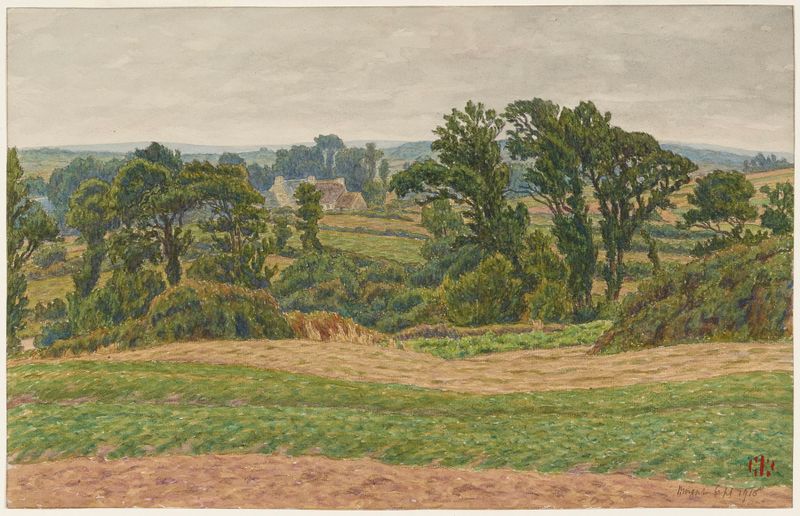
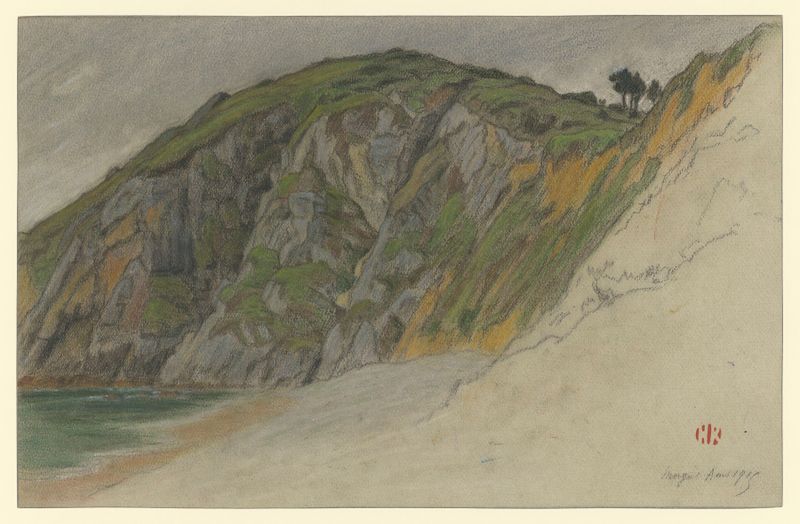
In the hands of an artist, emptiness can transform into a haunting beauty that resonates deeply within us. Focus your gaze on the tranquil expanse of color, where muted blues and soft greens blend seamlessly, inviting contemplation. Notice how the brushwork evokes a gentle ebb of waves, each stroke articulating a sense of calm, yet underlying this serene surface is a profound stillness that speaks of isolation. The light breathes softly across the canvas, illuminating pockets of shadow that hint at untold stories, as the horizon blurs the line between sea and sky. Delve into the contrasts present within the composition: the dynamic tension between the vast emptiness and the intimate detail of the shoreline.
Each brushstroke captures a fleeting moment, yet the expansive space suggests an underlying yearning for connection, echoing the solitude of existence. The interplay of light and darkness encapsulates a meditative state, where the viewer is compelled to confront their own feelings of isolation amidst the beauty of nature. In 1930, Rivière was deeply engaged in the exploration of color and form, working in the South of France during a time of personal reflection. This period was marked by a move toward abstraction, as he sought to express the essence of his surroundings rather than their literal representation.
The world of art was evolving, embracing modernist ideals, and Rivière’s work is a testament to this transitional phase, capturing both a physical landscape and an emotional landscape imbued with emptiness.