
Ibreem, 10-30 am, 2 February 1867 — History & Facts
In Edward Lear's Ibreem, 10-30 am, 2 February 1867, the viewer encounters a profound reflection on the fleeting nature of beauty and the inexorable march of decay. Focus your gaze on the horizon where the earth meets the sky, a delicate interplay of muted ochres and ashen blues that evoke a profound sense of melancholy. Notice how the light struggles to break through the clouds, casting a soft glow over the landscape, illuminating the remnants of what once flourished. The meticulous brushwork captures the textures of abandoned structures, hinting at stories lost to time, while the composition draws the eye toward the decay that underscores life’s transience. In this artwork, the contrast between the vibrant colors and the decay present a duality—one of beauty overshadowed by sadness.
The striking yet disintegrating architecture symbolizes the impermanence of human endeavors, while the sparse vegetation offers a stark reminder of nature's resilience amidst neglect. Each detail holds weight, serving as a metaphor for the passage of time, urging the viewer to confront the beauty that often hides within the decay. Created during a period of significant exploration and change, Lear was navigating the intersections of art and literature in the 19th century. He painted this piece while traveling through regions that inspired his vivid landscapes, reflecting a world on the brink of modernity, yet still tethered to the remnants of the past.
This juxtaposition of progress and decay resonates throughout much of his work, inviting contemplation on the beauty that emerges even from decay.
More Artworks by Edward Lear
Browse all →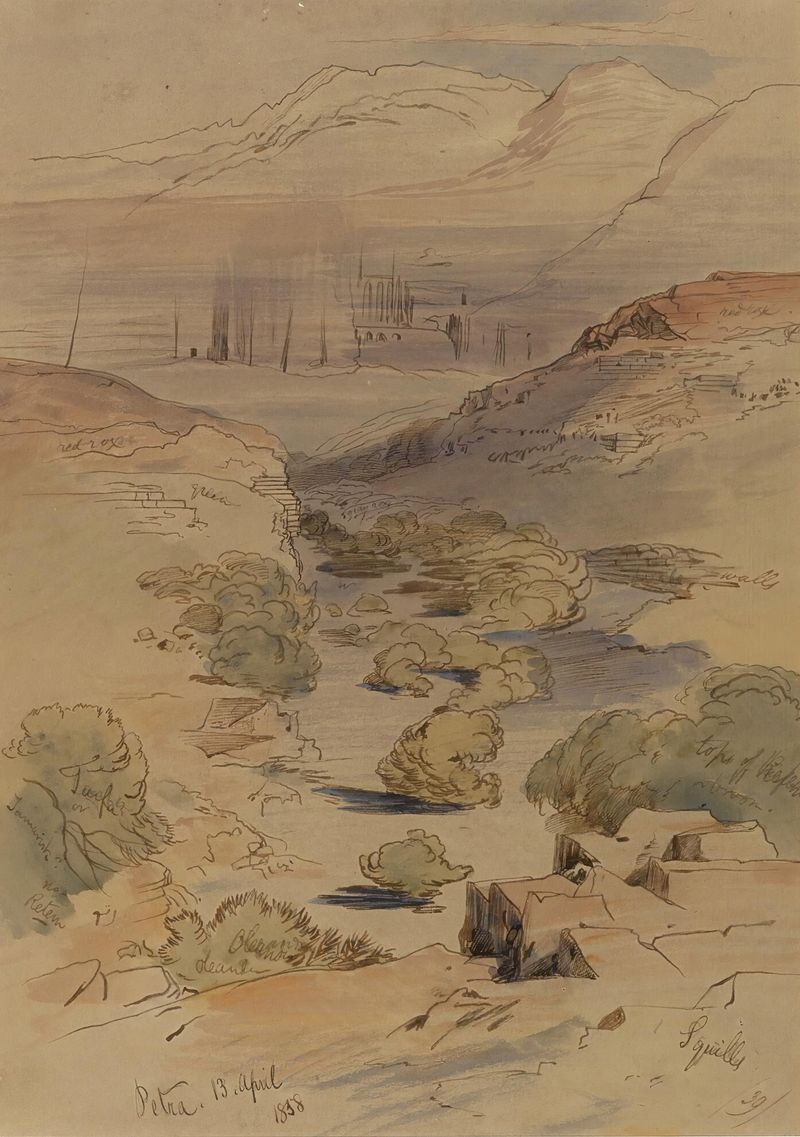
Petra
Edward Lear
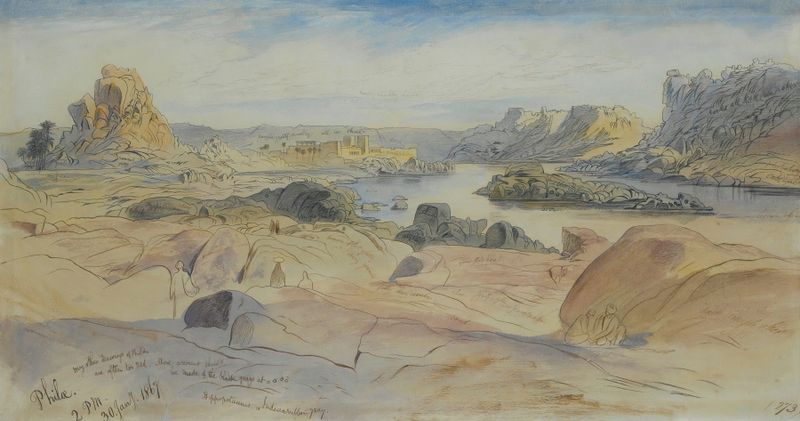
Philae, Egypt
Edward Lear
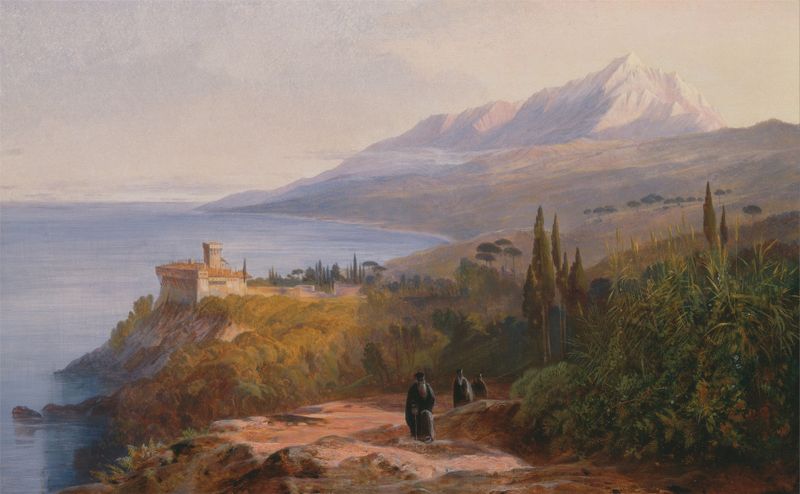
Mount Athos and the Monastery of Stavronikétes
Edward Lear
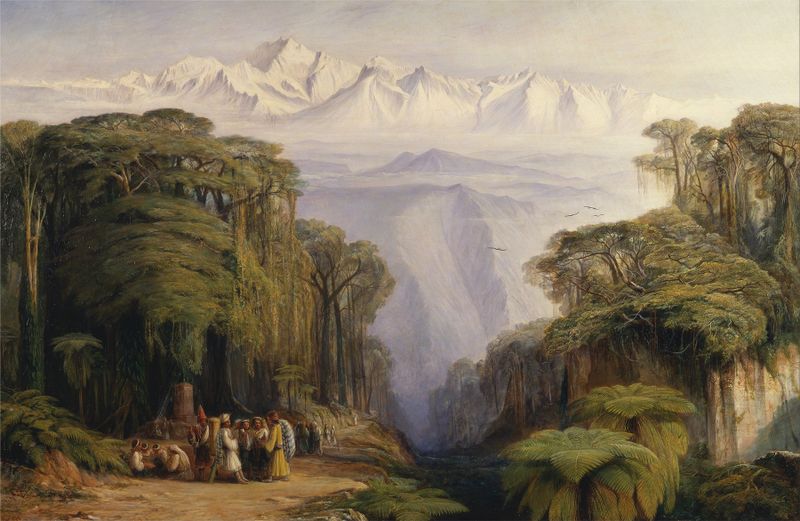
Kangchenjunga from Darjeeling
Edward Lear
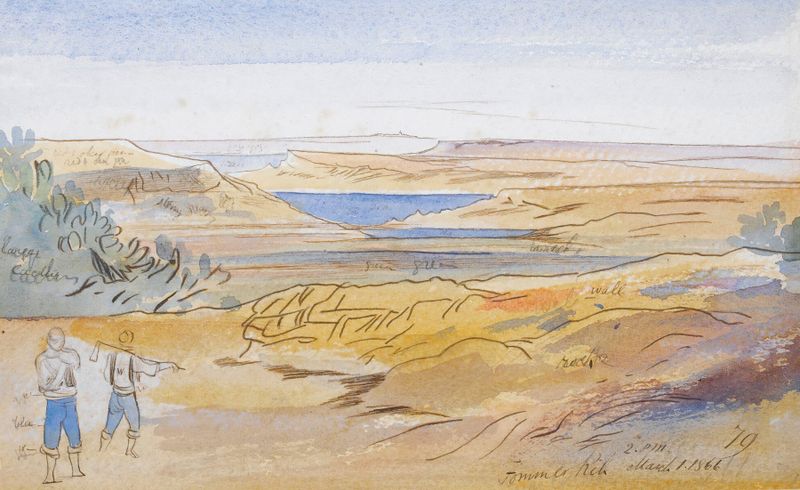
Fomm Ir-Rih, Malta
Edward Lear
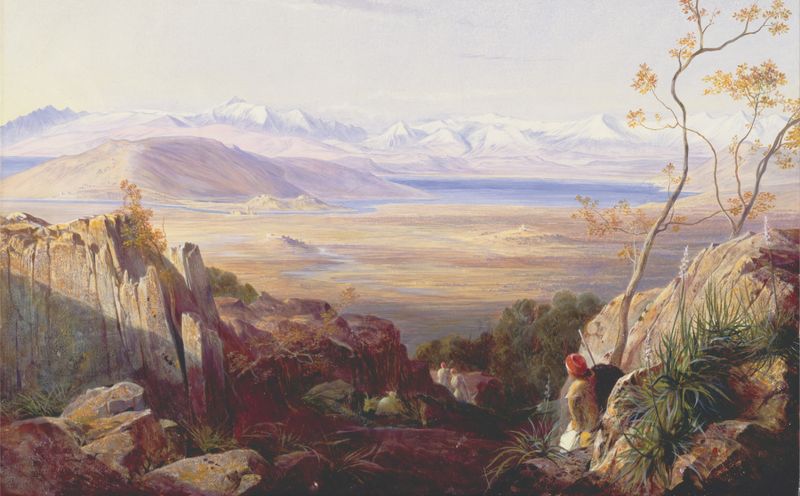
Butrinto, Albania
Edward Lear
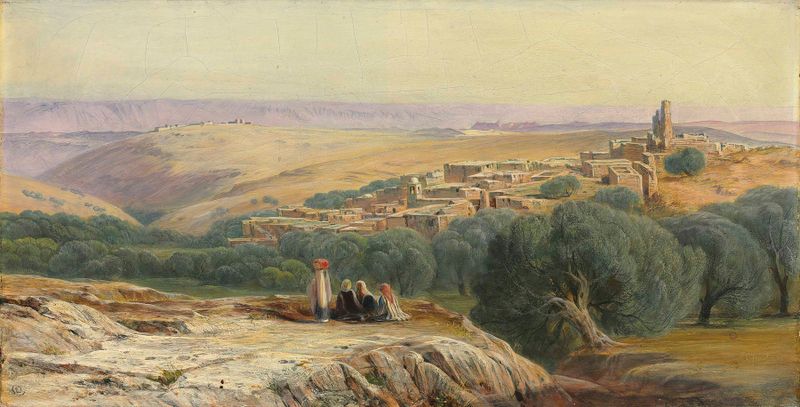
The Plains of Bethany
Edward Lear

Karnak, 9-30 pm, 22 January 1867
Edward Lear
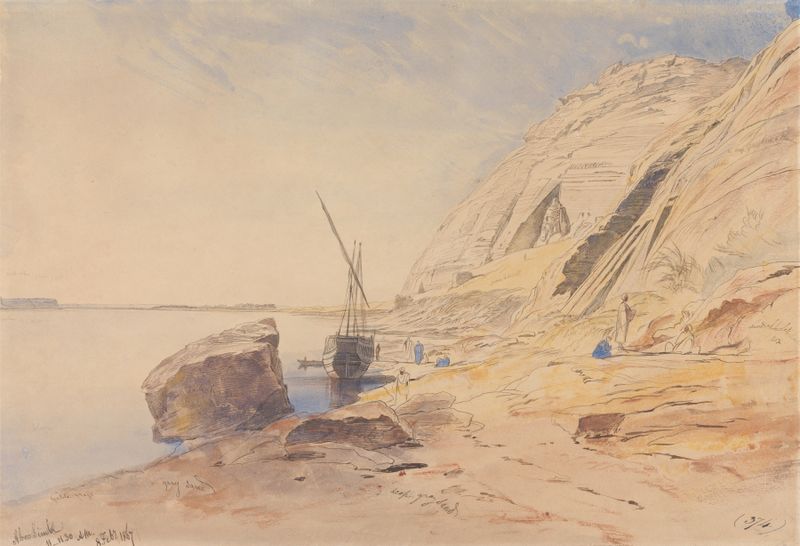
Abu Simbel, 11-11;30 am, 8 February 1867 (374)
Edward Lear

A View Of Mount Athos And The Pantokrator Monastery, Greece
Edward Lear





