
Ibreem, 11-00 am, 2 February 1867 — History & Facts
Did the painter know this moment would outlive them? The delicate interplay of light and shadow in Ibreem, 11-00 am, 2 February 1867 suggests an intimate understanding of time's fleeting nature, capturing a fragment of beauty that resonates across the years. Look closely at the soft, luminous palette that envelops the landscape, guiding your gaze from the golden warmth of the sunlit foreground to the cool, shadowy depths of the background. The meticulous brushwork reveals textures in both the earth and the sky, while wisps of clouds hover overhead, their forms echoing the gentle undulations of the land below. Notice the way light filters through the branches of trees, creating dappled patterns that breathe life into the scene and evoke a serene stillness. Beneath this idyllic surface lies a deeper reflection on the transient essence of nature.
The interplay between light and shadow not only highlights the beauty of the moment but also serves as a reminder of nature’s impermanence. The scattered leaves on the ground hint at the passage of seasons, while the solitary figure in the distance evokes a sense of solitude and contemplation, suggesting a connection to the wider world beyond the canvas. Edward Lear painted Ibreem during a period marked by his travels across the Mediterranean, where he sought new inspiration and artistic expression. Living in an era of burgeoning Romanticism, Lear's work reflected a longing for the sublime in nature, and this piece captures his contemplative spirit as he embraced and celebrated the ephemeral beauty surrounding him.
More Artworks by Edward Lear
Browse all →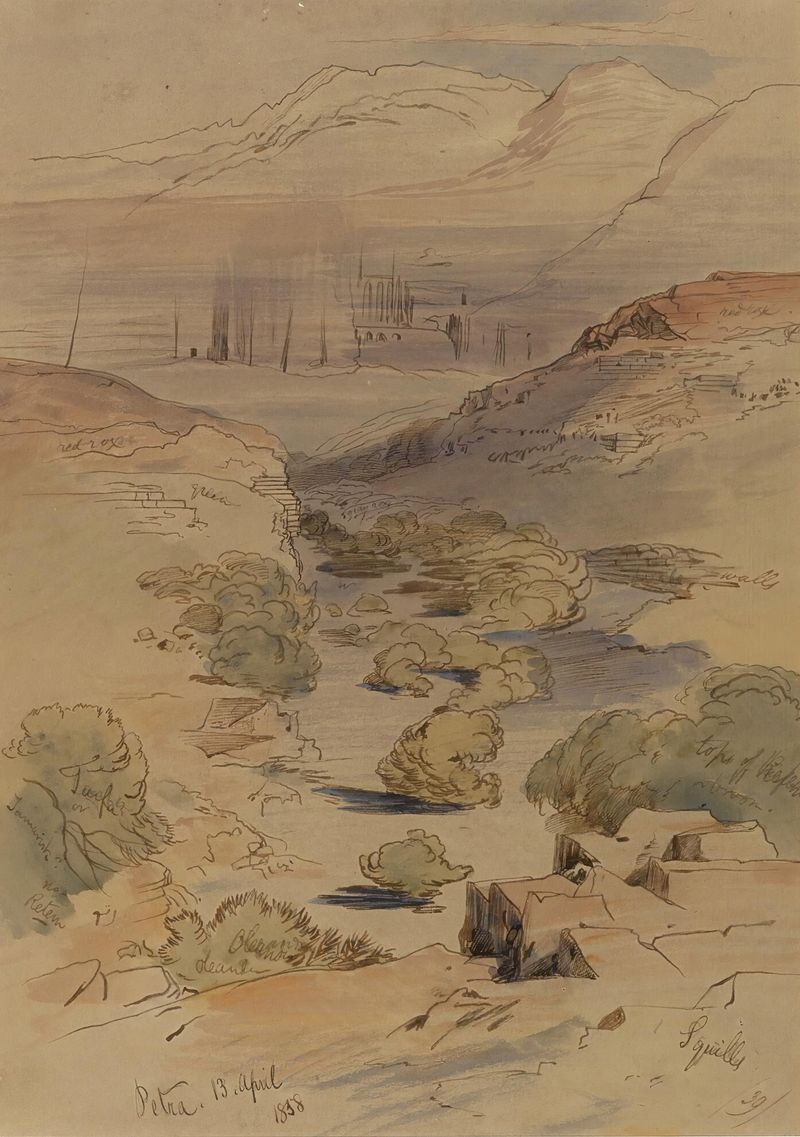
Petra
Edward Lear
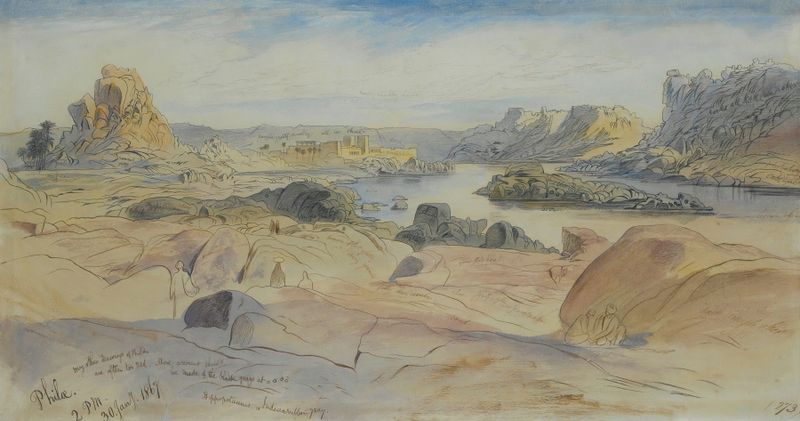
Philae, Egypt
Edward Lear
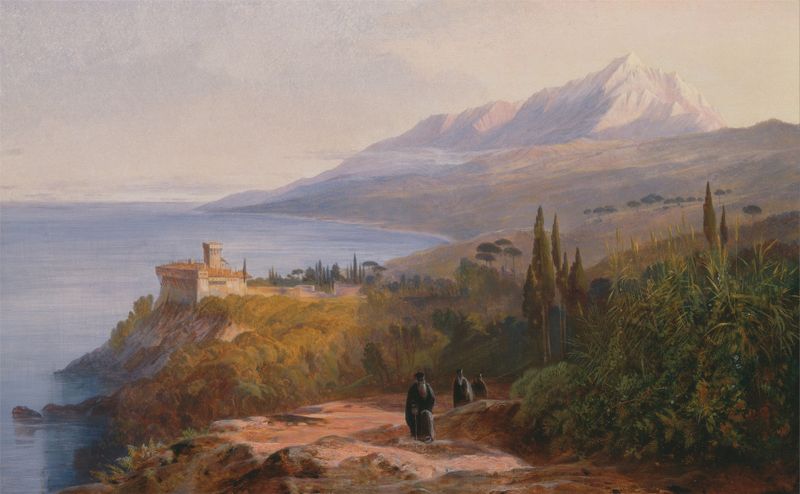
Mount Athos and the Monastery of Stavronikétes
Edward Lear
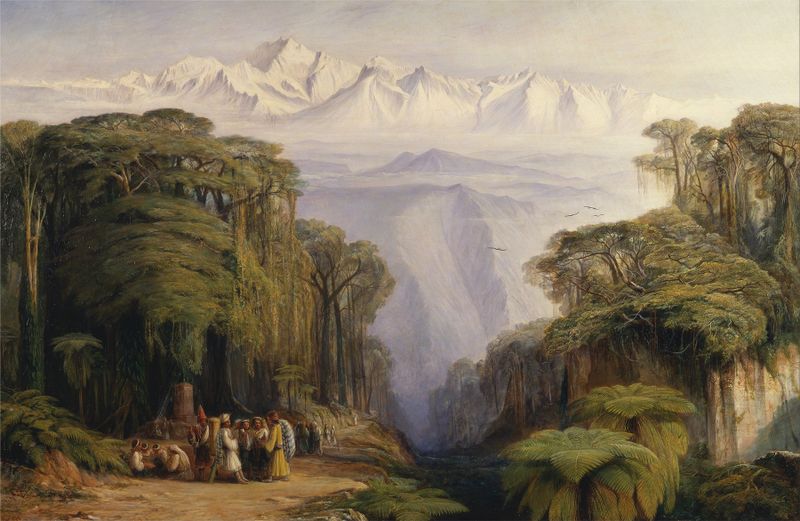
Kangchenjunga from Darjeeling
Edward Lear
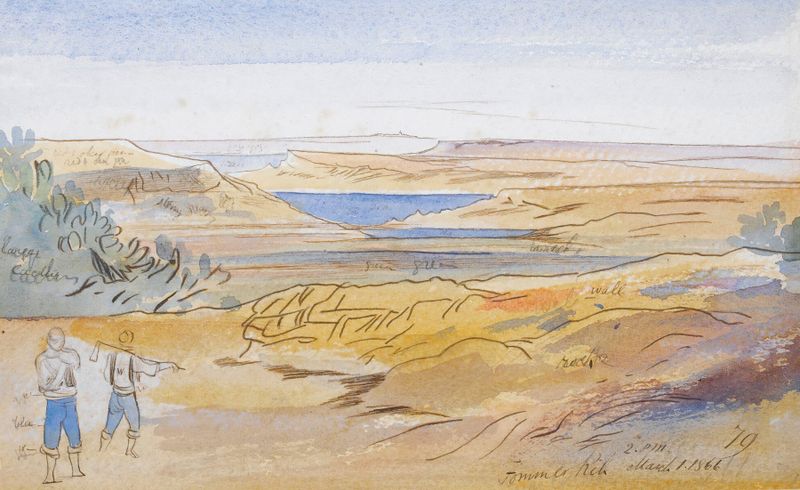
Fomm Ir-Rih, Malta
Edward Lear
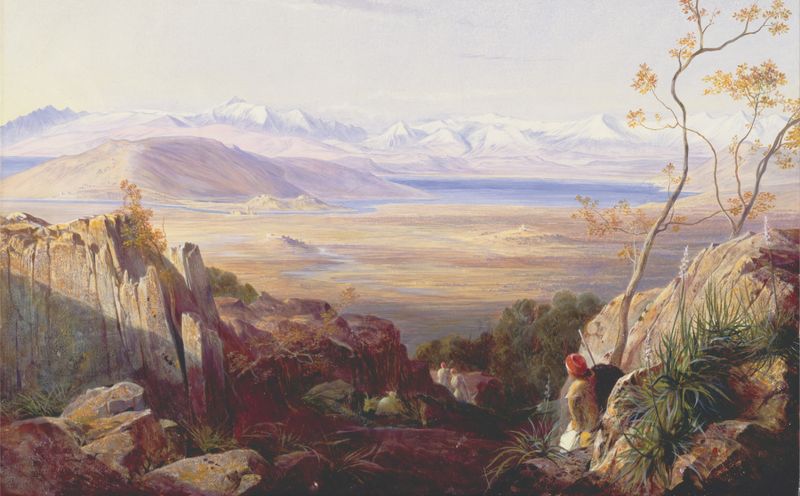
Butrinto, Albania
Edward Lear
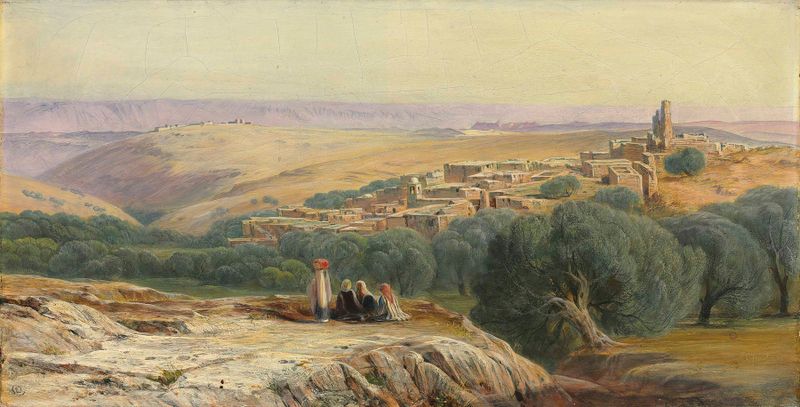
The Plains of Bethany
Edward Lear

Karnak, 9-30 pm, 22 January 1867
Edward Lear
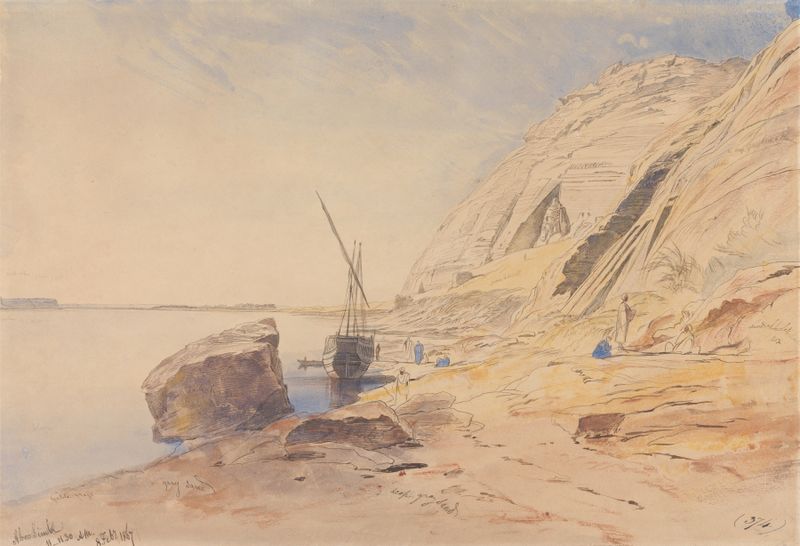
Abu Simbel, 11-11;30 am, 8 February 1867 (374)
Edward Lear

A View Of Mount Athos And The Pantokrator Monastery, Greece
Edward Lear





