
Iceberg and Ice Flower — History & Facts
In Iceberg and Ice Flower, the interplay of shadow and light reveals nature’s delicate balance, inviting quiet contemplation of its mysteries. Look to the center, where a delicate flower bursts forth from the stark icy landscape. The vibrant hues of the petals contrast vividly against the cool blues and whites of the surrounding ice. Notice how the artist’s careful layering of translucent paint creates a sense of depth, allowing the light to dance through the flower while it remains anchored in a seemingly inhospitable environment.
The juxtaposition of the fragile bloom against the massive, imposing iceberg draws the viewer's eye, creating a visual tension that is both striking and serene. Deeper meanings emerge as one contemplates the symbolism of resilience and fragility. The ice flower, amidst the harsh reality of its frozen surroundings, can represent hope and beauty thriving in adversity. The shadows cast by the towering iceberg suggest danger lurking, yet they also serve to enhance the flower's brightness, emphasizing the coexistence of light and darkness.
This interplay echoes themes of nature's duality—its capacity for both destruction and nurturing. Frederic Edwin Church painted this masterpiece in 1859 during a period of great exploration and discovery in the Arctic. At the time, he was deeply engaged in the Hudson River School movement, which emphasized the grandeur and diversity of the American landscape. His fascination with nature’s sublime aspects reflects a growing interest in environmental themes, aligning with the broader Romantic movement that sought to explore the emotional depths of the natural world.
More Artworks by Frederic Edwin Church
Browse all →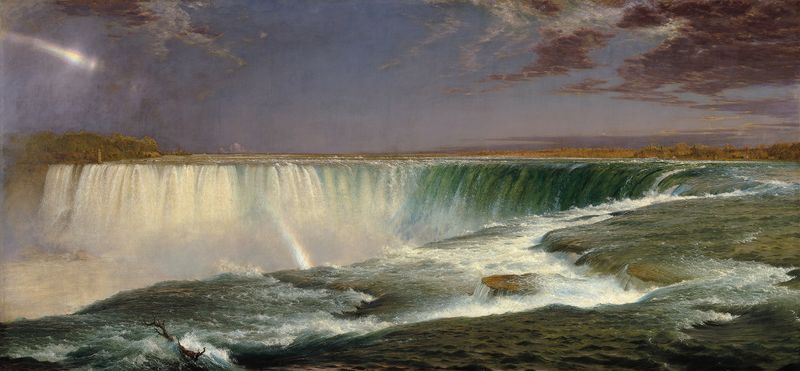
Niagara
Frederic Edwin Church
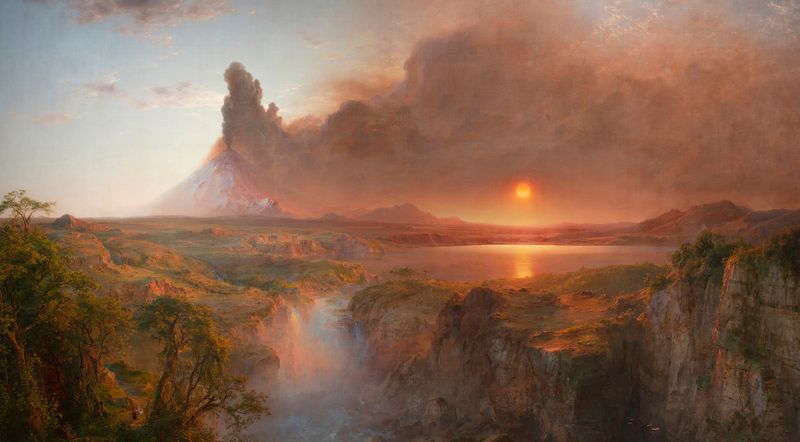
Cotopaxi
Frederic Edwin Church
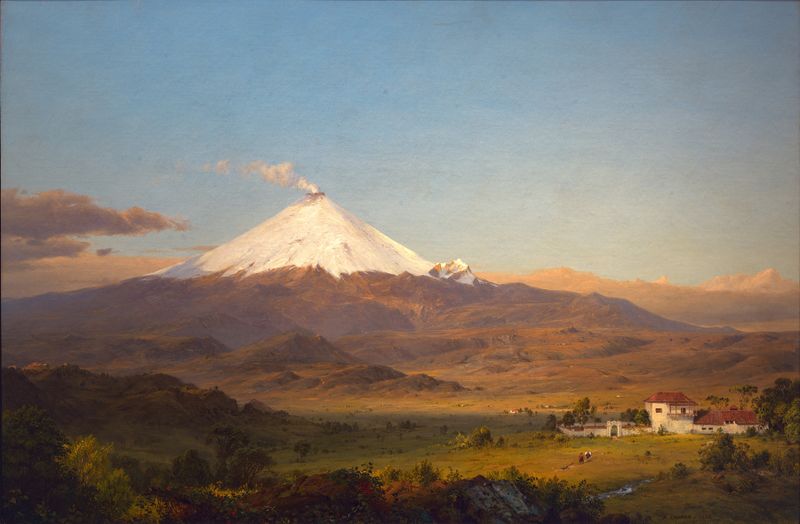
Cotopaxi
Frederic Edwin Church
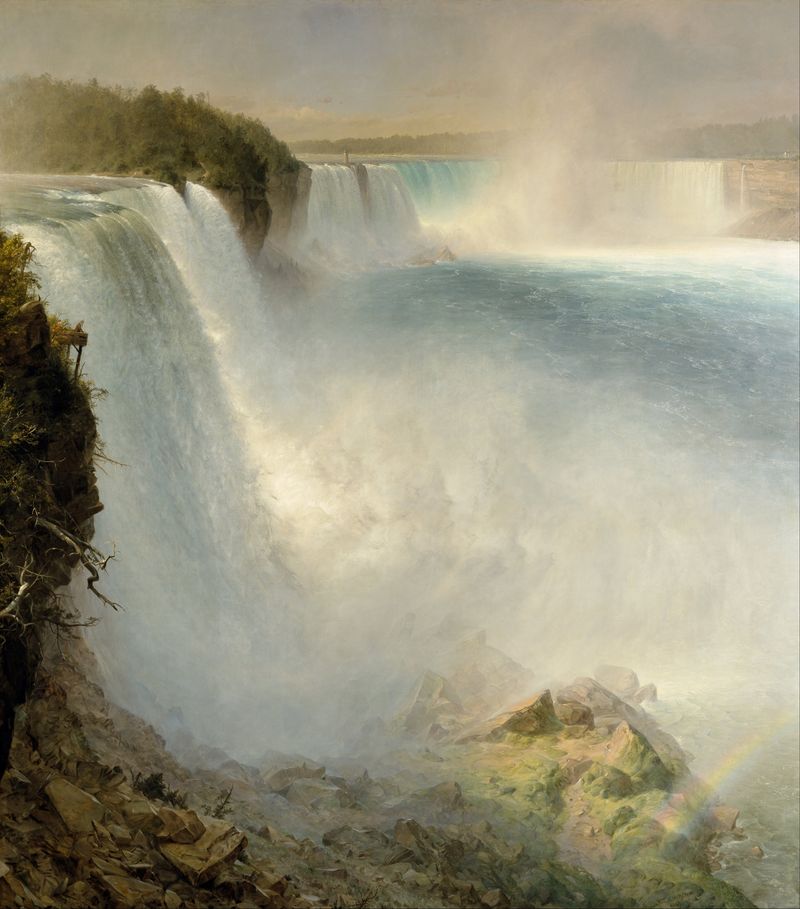
Niagara Falls, from the American Side
Frederic Edwin Church
Twilight in the Wilderness
Frederic Edwin Church
Hudson Valley at Sunset
Frederic Edwin Church
The Hintersee, near Berchtesgaden, Bavaria
Frederic Edwin Church
Mountains near Baalbec
Frederic Edwin Church
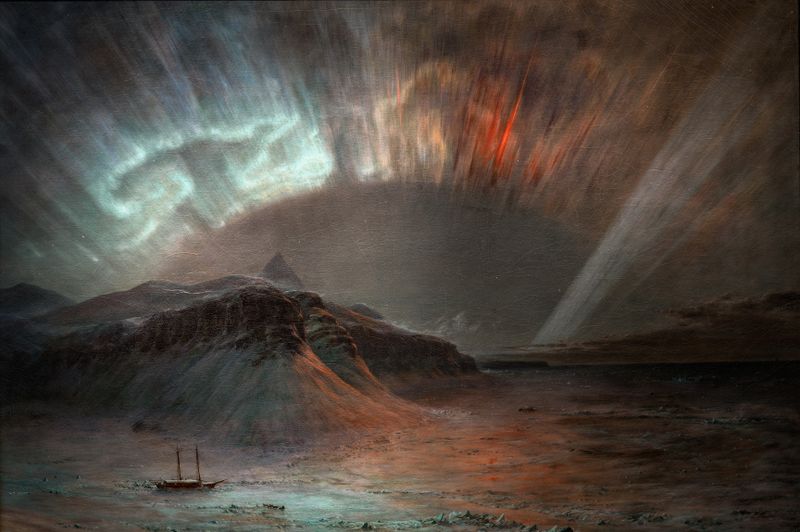
Aurora Borealis
Frederic Edwin Church
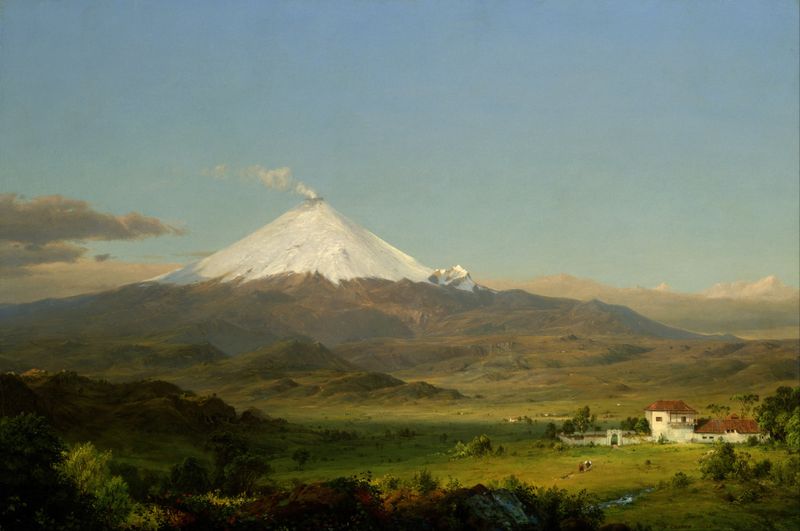
Cotopaxi
Frederic Edwin Church





