Discover insights about this artwork
Imperial cone (Conus imperialis) — History & Facts
In Imperial cone (Conus imperialis), the viewer is presented with a detailed representation of a shell. The colors are soft and natural, with shades of cream, brown, and hints of orange. The shell is the focal point, showcasing its intricate patterns and textures.
The background is subtle, allowing the shell to stand out prominently. This artwork is an etching, a technique that allows for fine details and textures to be captured. The precision in the lines and shading demonstrates Hollar's skill as an engraver. The dimensions are approximately 25 x 35 cm, making it a modest-sized piece.
The etching technique also contributes to the delicate appearance of the shell. Wenceslaus Hollar was a 17th-century Bohemian artist known for his detailed engravings and etchings. Imperial cone (Conus imperialis) reflects his fascination with natural forms and scientific observation. Interestingly, Hollar created many works depicting shells, which were popular among collectors of his time.
This particular piece showcases his ability to blend art with scientific inquiry.
More Artworks by Wenceslaus Hollar
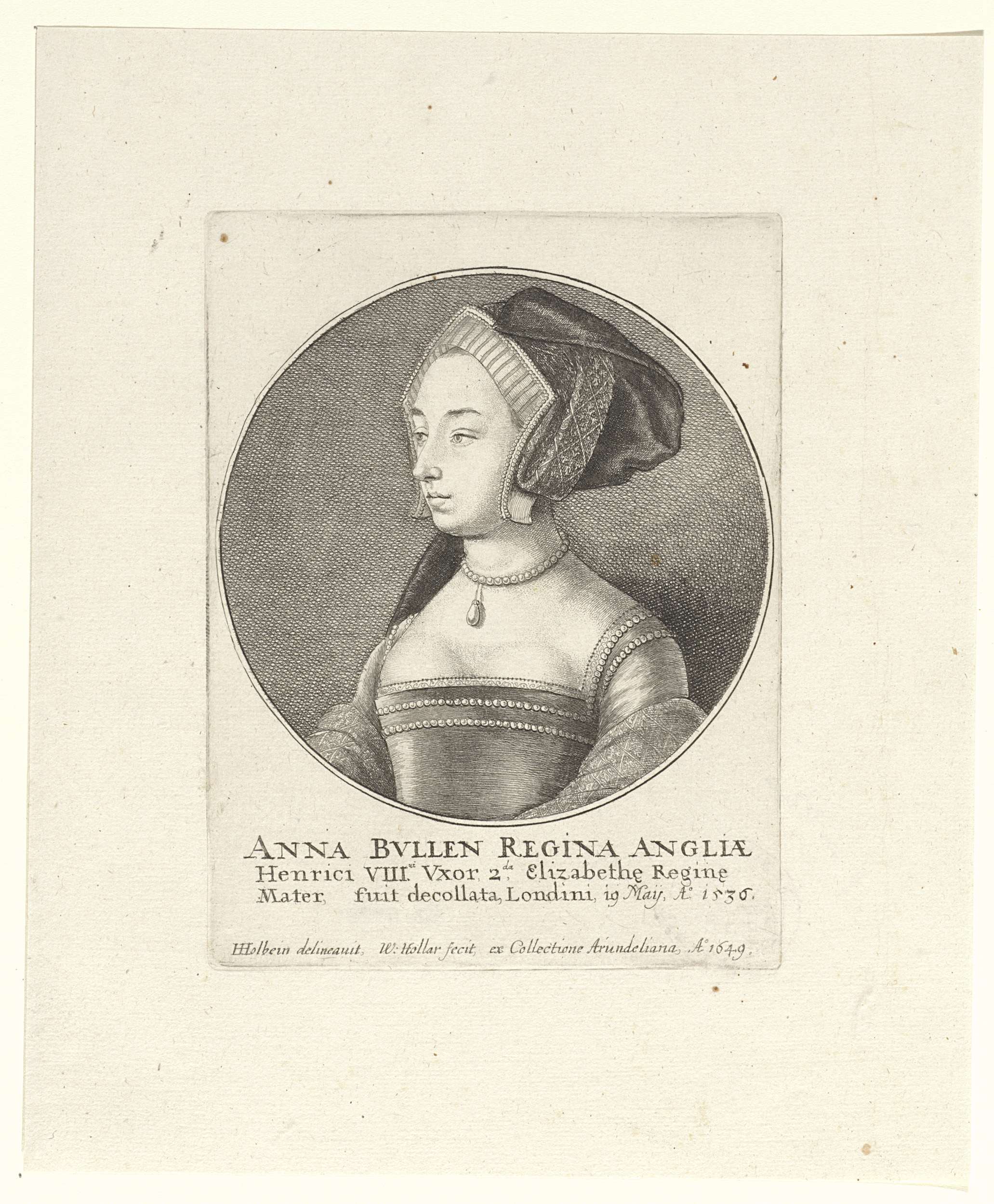
Portret van Anna Boleyn, koningin van Engeland
Wenceslaus Hollar
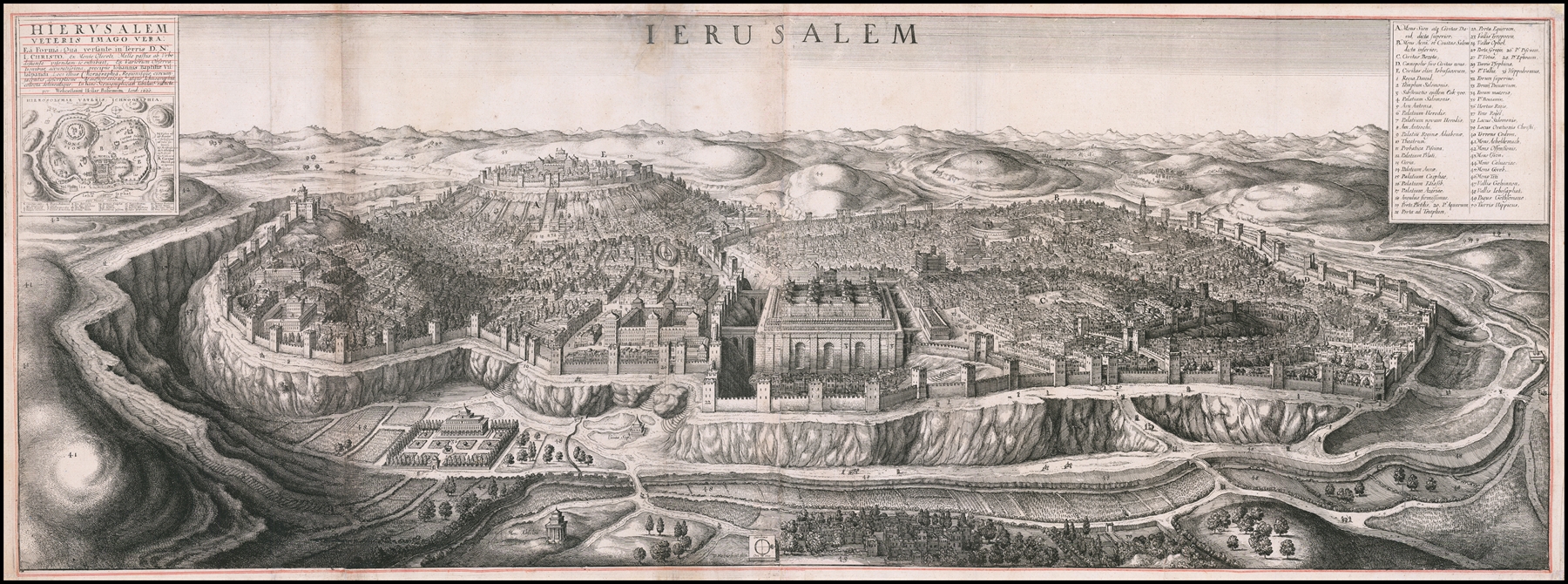
Bird’s eye view of Jerusalem
Wenceslaus Hollar
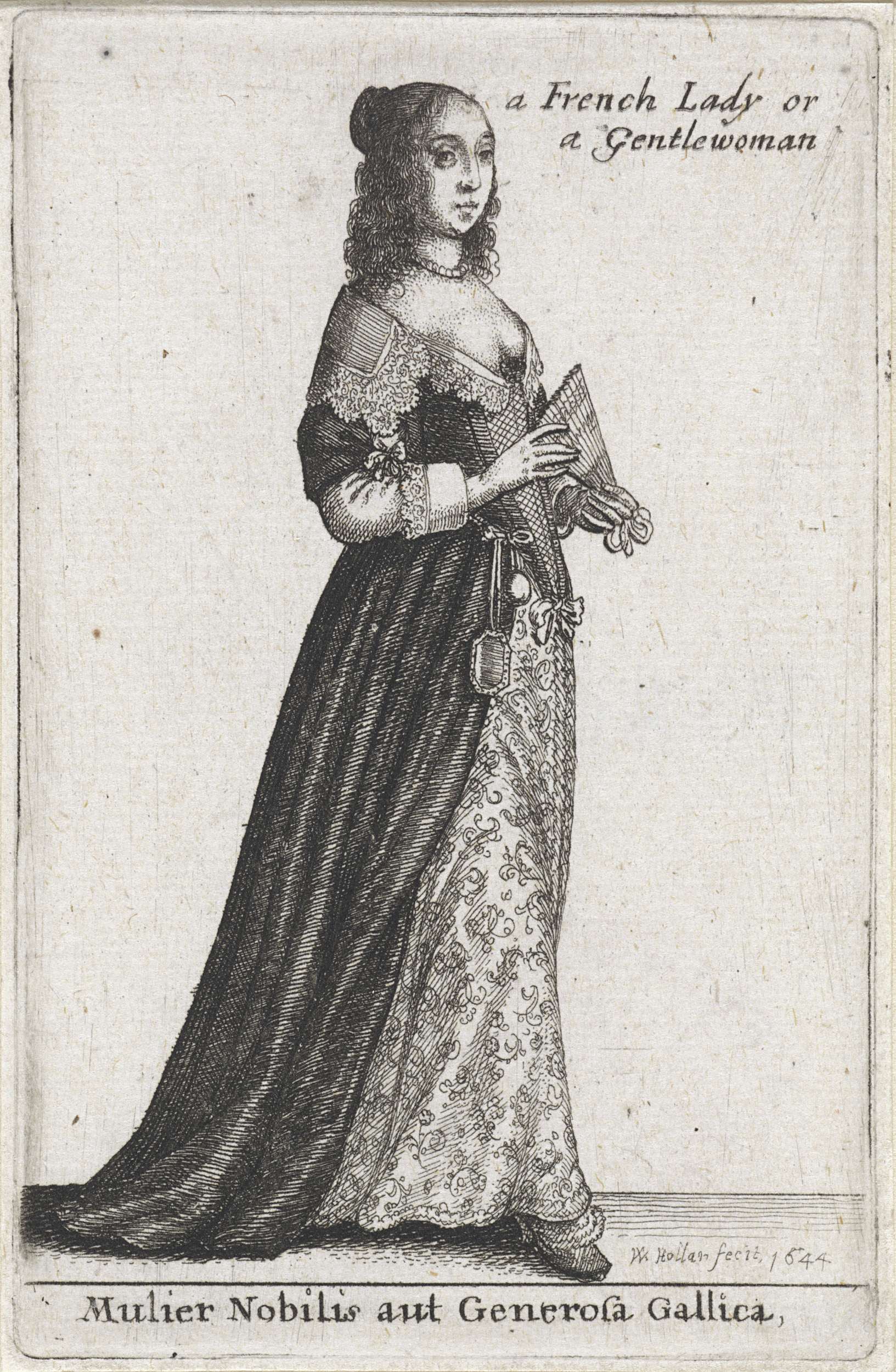
Mulier Nobilis aut Generosa Gallica / a French Lady or Gentlewoman
Wenceslaus Hollar
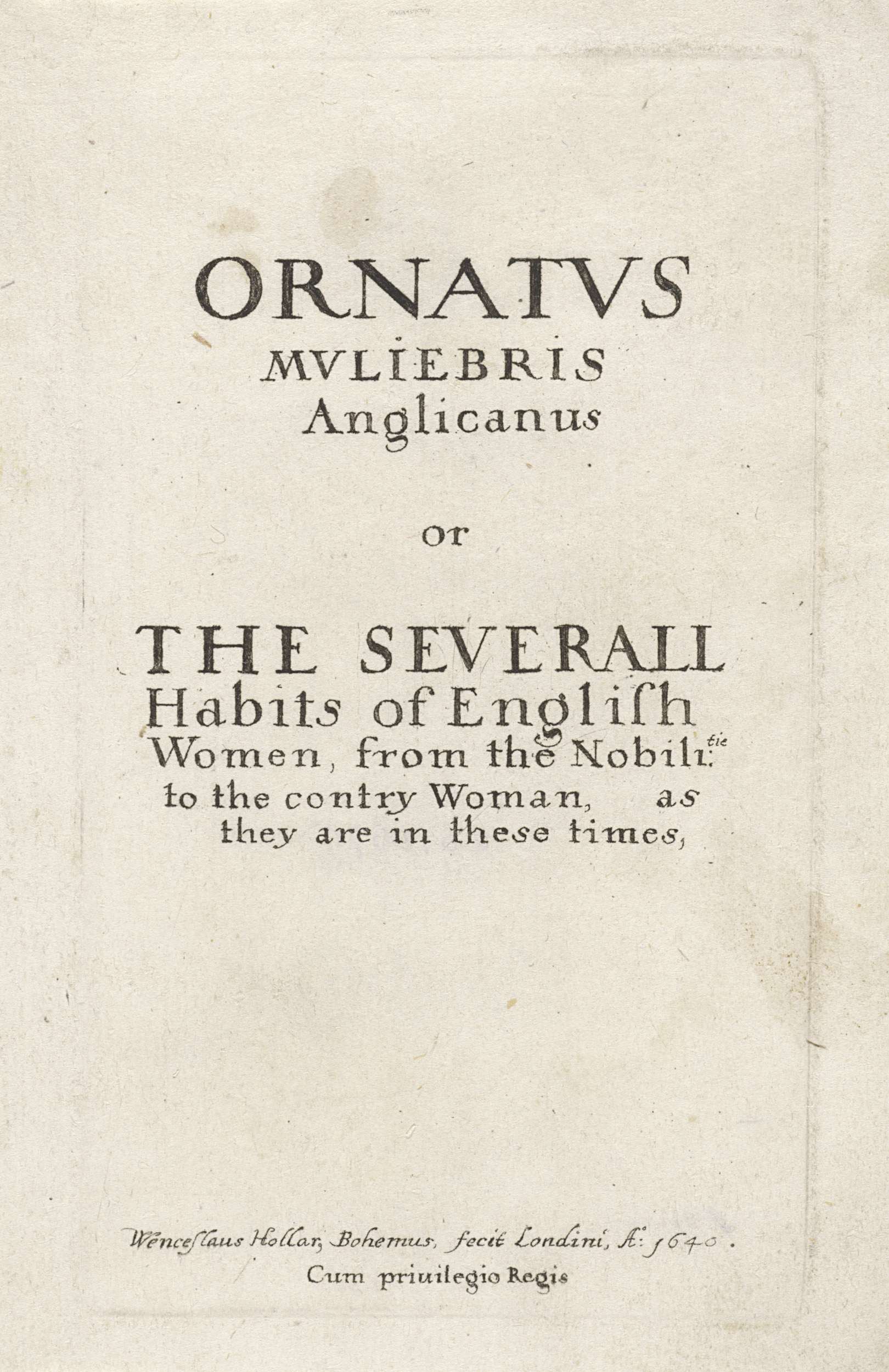
Titelprent voor: Ornatus Muliebris Anglicanus
Wenceslaus Hollar
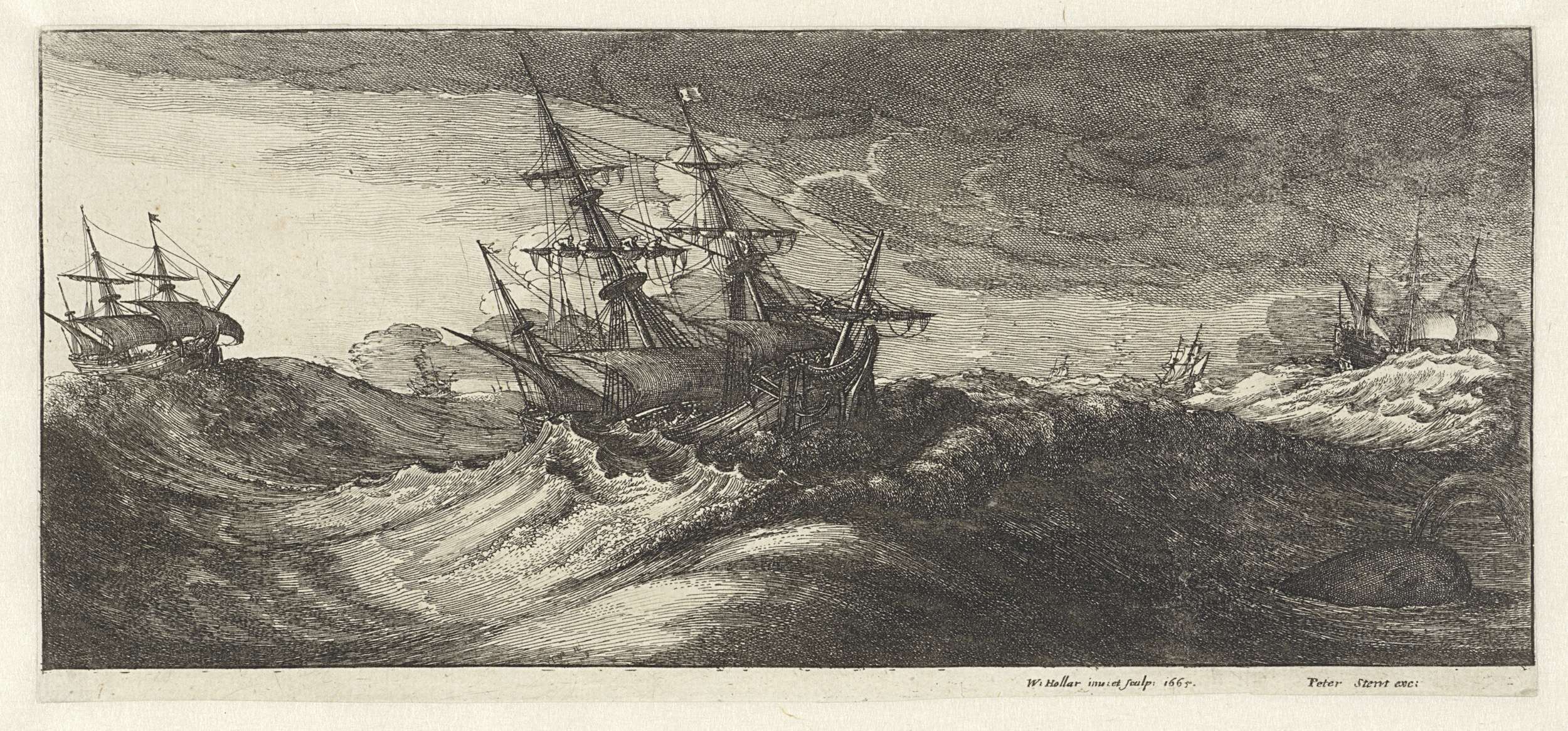
Oorlogsschepen en een walvis in een zeestorm
Wenceslaus Hollar
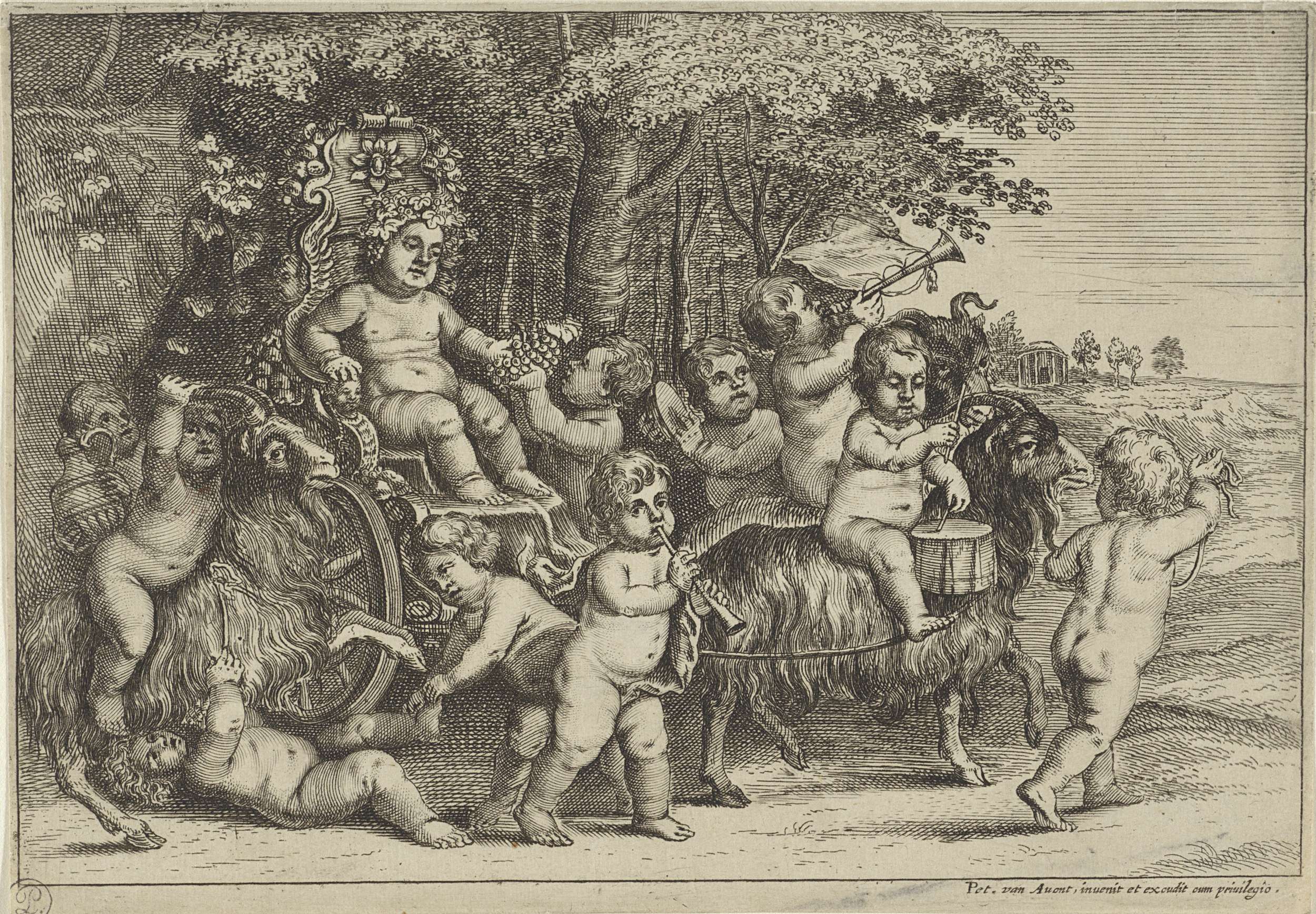
Optocht van bacchant en jongetjes op geiten
Wenceslaus Hollar
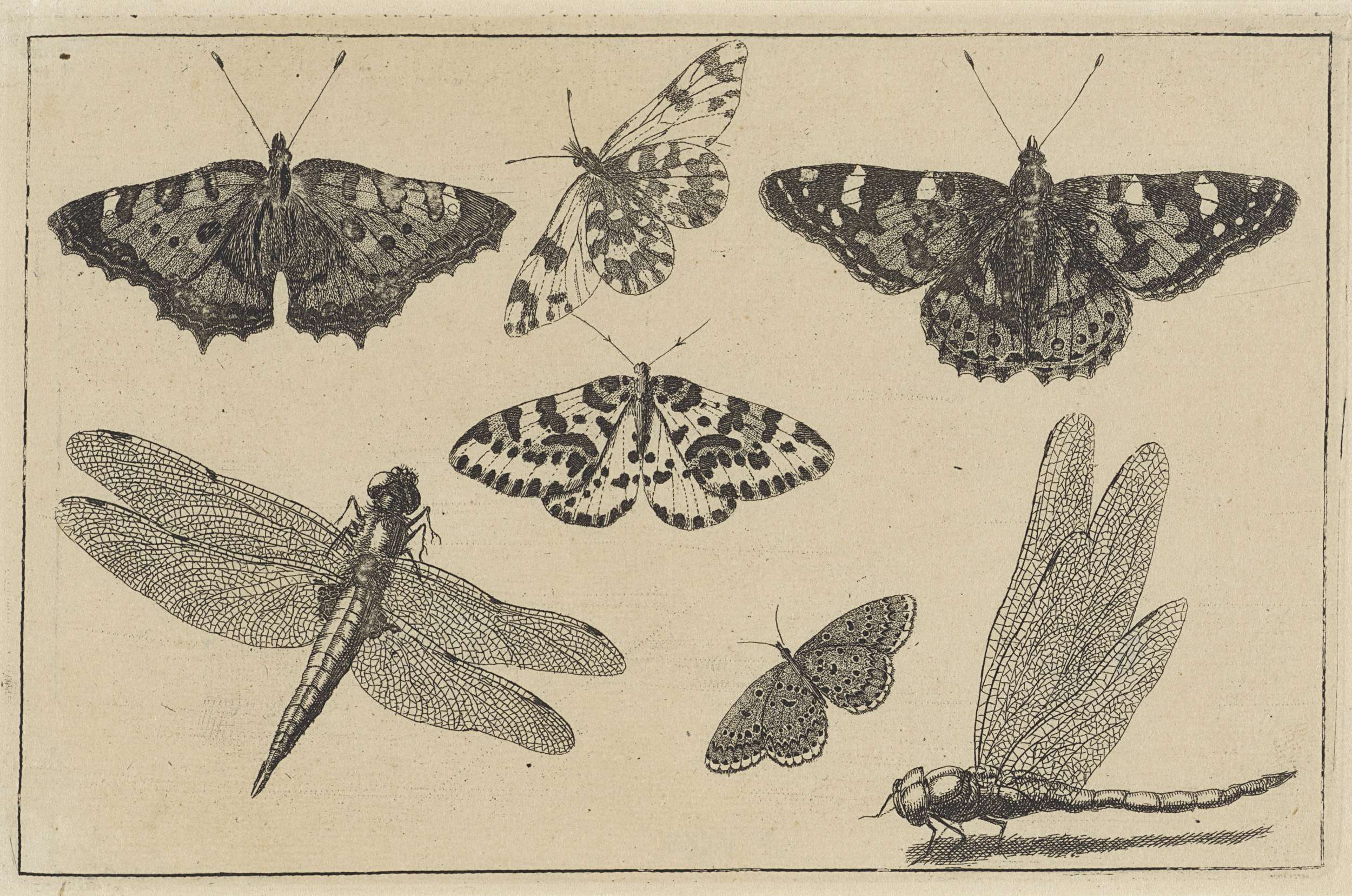
Twee libellen en vijf vlinders
Wenceslaus Hollar
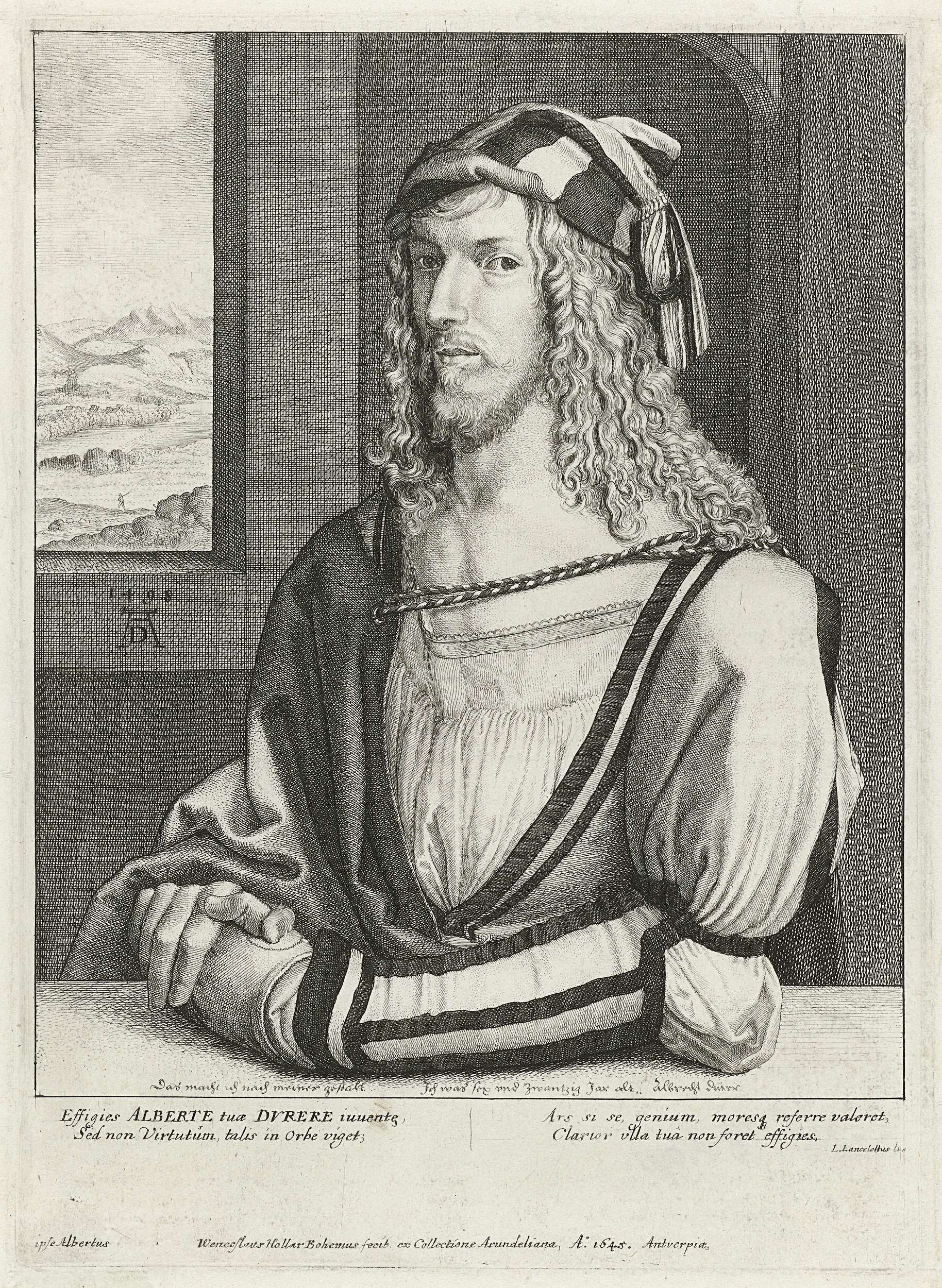
Portret van Albrecht Dürer
Wenceslaus Hollar
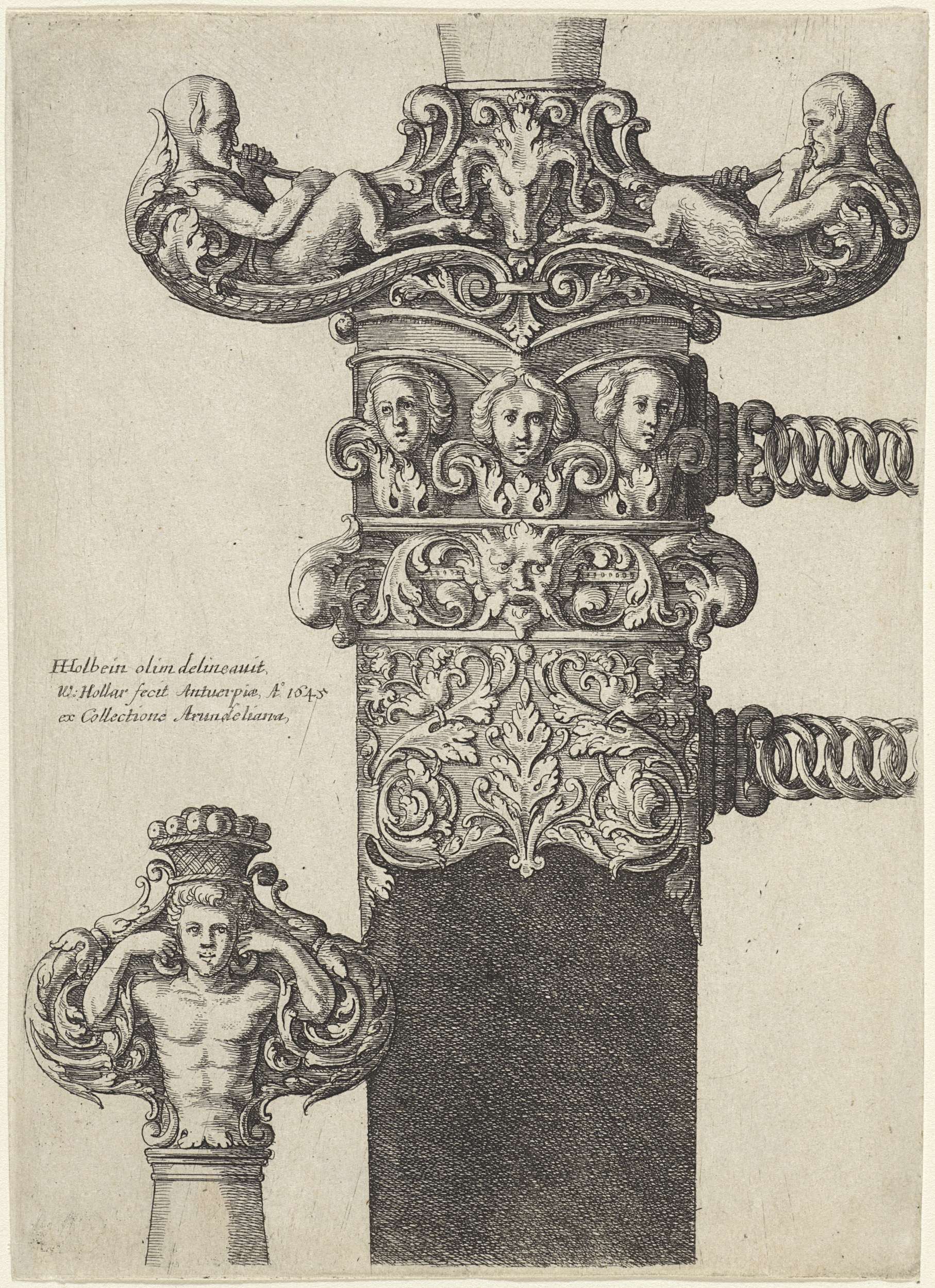
Ornamenteel ontwerp voor een dolk
Wenceslaus Hollar
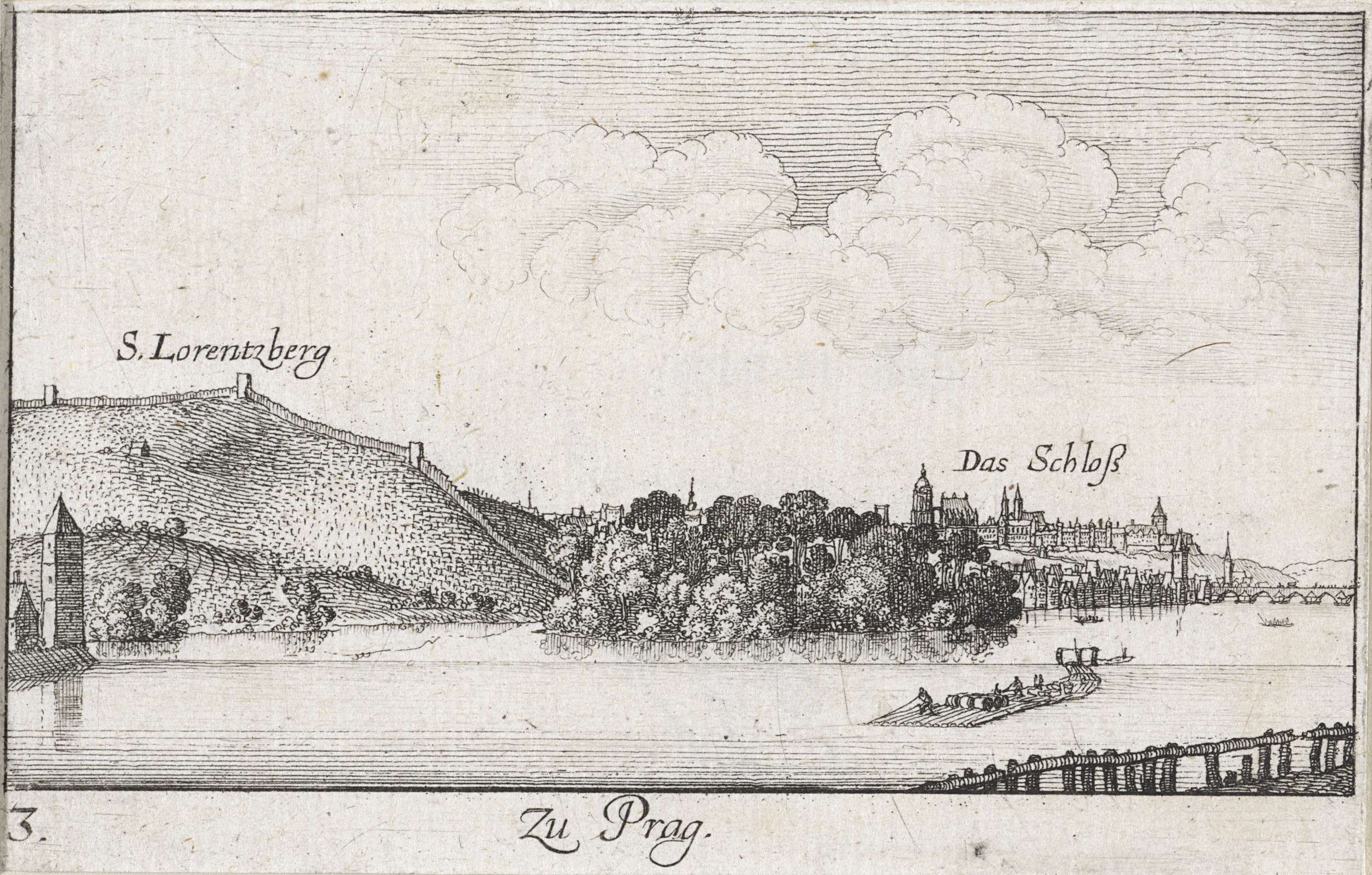
Gezicht op Praag vanaf de Moldau
Wenceslaus Hollar