
Imperial Theater — History & Facts
In the act of creation, one confronts the shadows of loss and longing that often lurk beneath the surface of memory. Focus first on the vibrant hues that envelop the canvas. The bold reds and blues blend into a chaotic symphony, drawing the eye toward the center where figures emerge, distanced yet intertwined. Notice how the brushwork captures movement, with swirls and strokes that evoke a sense of urgency, suggesting an unspoken drama unfolding within the confines of the theater.
The composition invites you into a world where light and shadow clash, reflecting the emotional spectrum of both joy and sorrow. Delve deeper into the scene and observe the interplay of faces—some turned away, others gazing into the distance. Each expression, while distinct, shares a common thread of nostalgia woven through their features. The juxtaposition of the lively colors against the somber undertones hints at the fleeting nature of joy, as if the artist is reminding us that every performance must eventually end, leaving behind echoes of grief.
The theater, a place of escape, also serves as a stark reminder of the inevitable passage of time, where every laugh hides a tear. In 1922, during a period of societal transformation in Japan, the artist created this piece amidst a burgeoning interest in modern art. Negoro Raizan, navigating the complexities of post-war identity and cultural change, sought to capture the essence of human experience—both its beauty and its fragility. This work, rich in emotion and layered with meaning, reflects the artist's own journey through a world that was rapidly evolving yet still anchored in tradition.
More Artworks by Negoro Raizan
Browse all →
Ochanomizu Bridge
Negoro Raizan

Asakusa Temple
Negoro Raizan

Meiji Shrine
Negoro Raizan
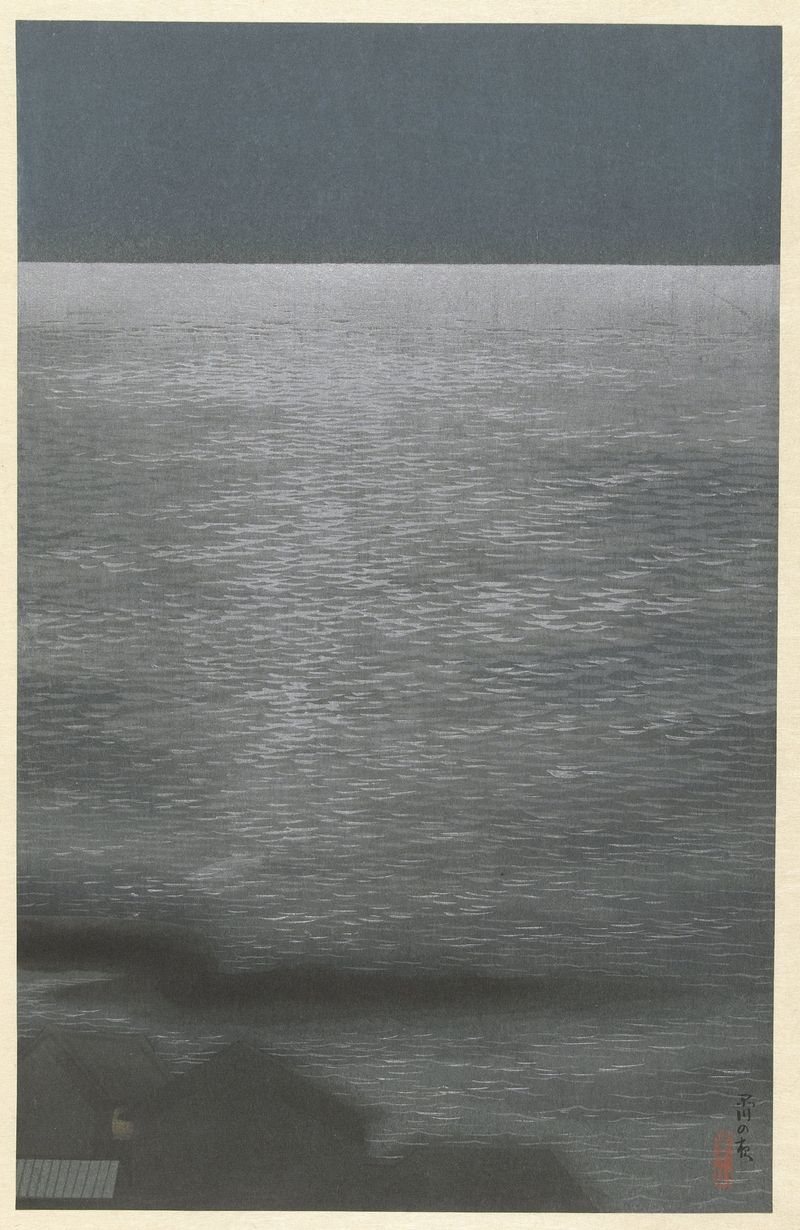
Nacht in Shinagawa
Negoro Raizan
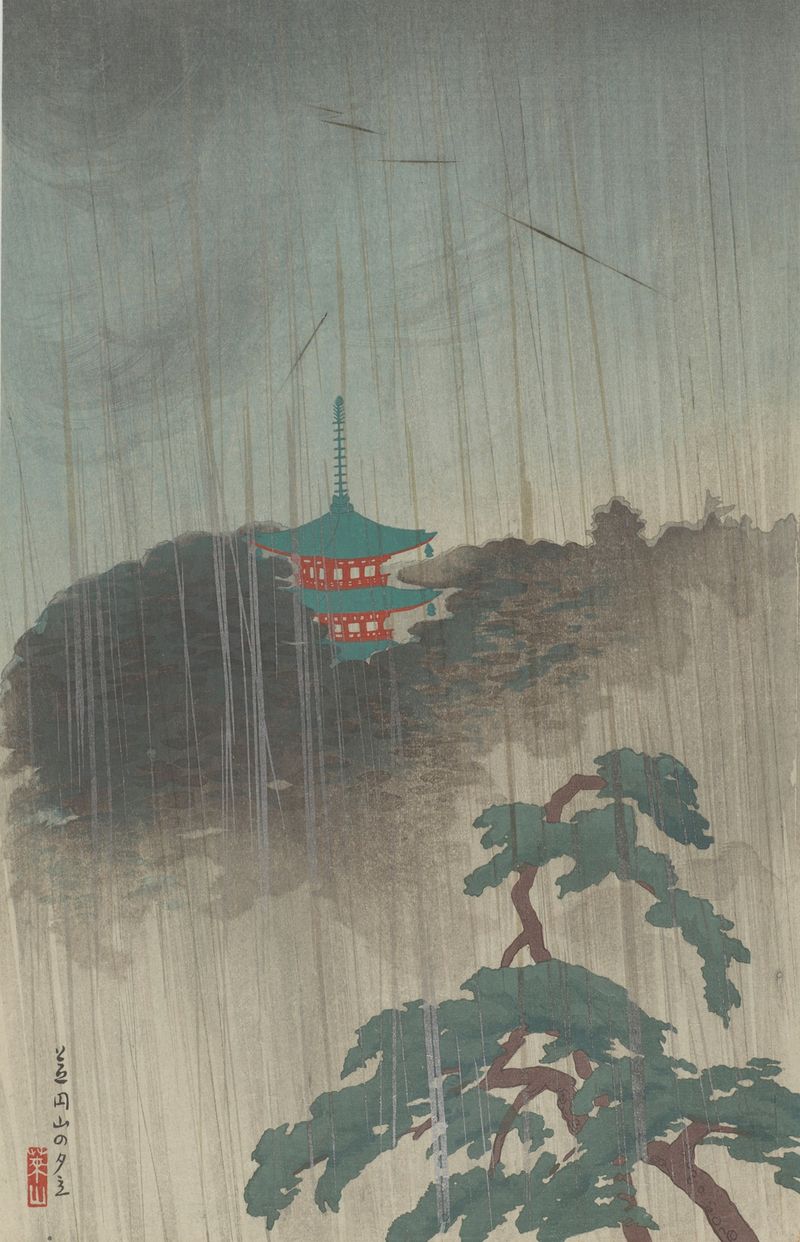
Evening Rain at Maruyama, Shiba
Negoro Raizan
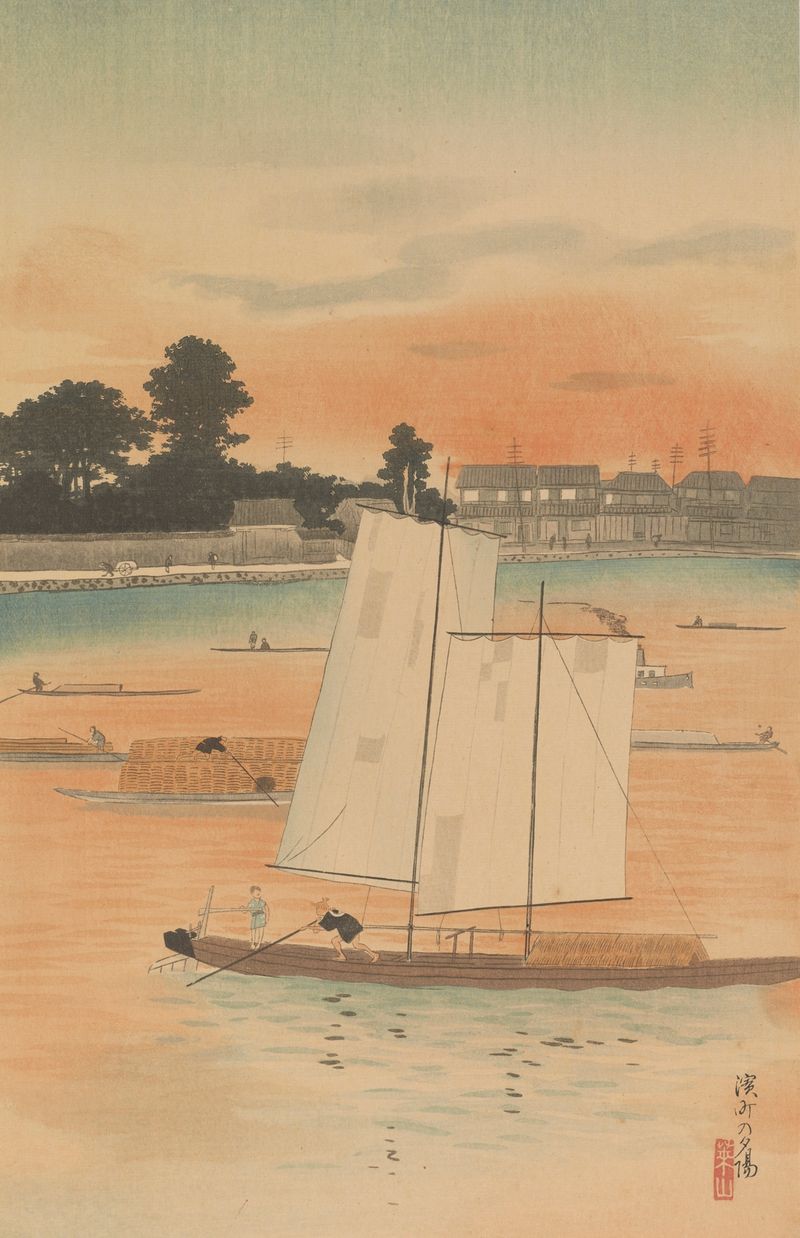
Sunset at Hamachō
Negoro Raizan

Ueno Takenodai
Negoro Raizan
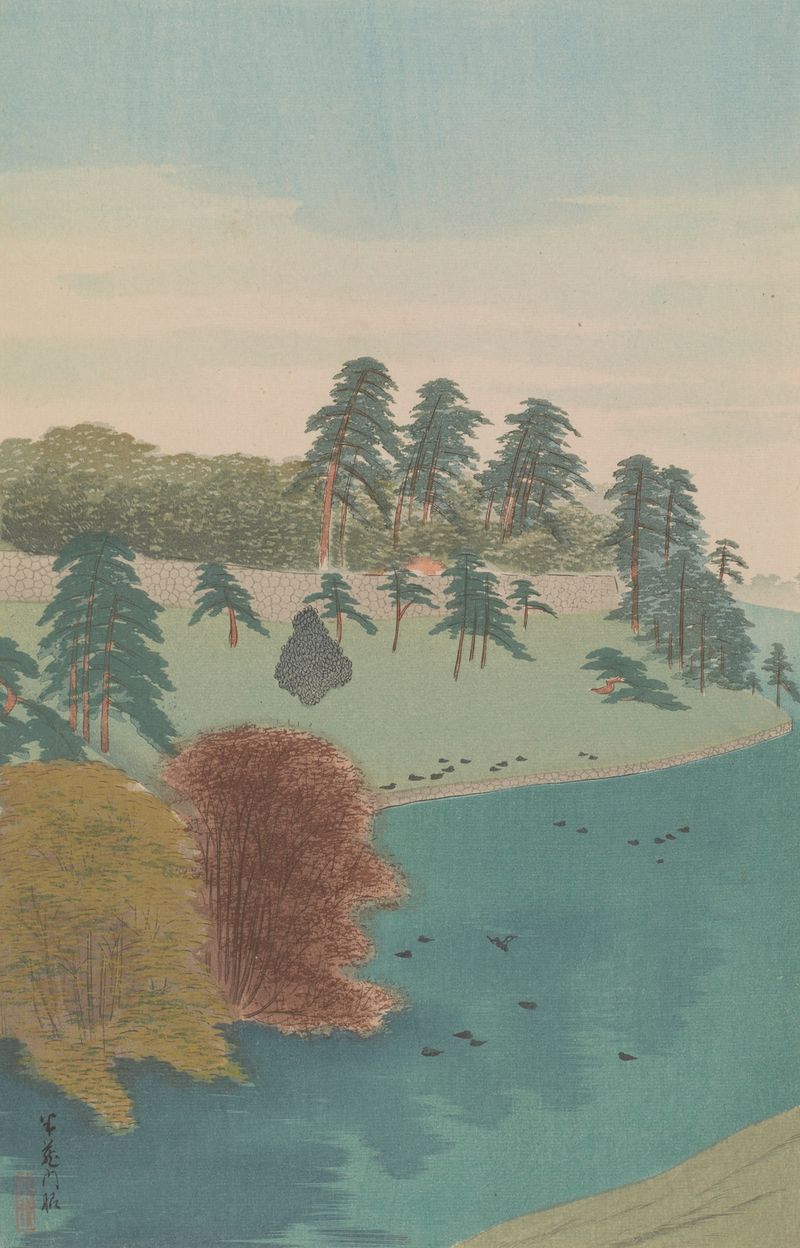
To the side of Hanzōmon gate
Negoro Raizan

Untitled
Negoro Raizan

Kinokunizaka
Negoro Raizan





