
In the Forest of Fontainebleau — History & Facts
In the delicate interplay of light and shadow, nostalgia breathes life into the canvas, inviting us to step into a world both serene and fleeting. Look closely at the foreground, where dappled sunlight spills across a carpet of fallen leaves, evoking a sense of tranquility. The vibrant greens of the trees create a canopy that filters the light, casting soft, diffused hues that dance over the figures wandering through this tranquil space. Notice how the brushstrokes convey movement—they are not merely shapes but whispers of the forest, inviting you to explore deeper. As you move your gaze to the background, the painter conjures an emotional undercurrent; the figures appear lost in contemplation, perhaps reflecting on their own journeys or the passage of time itself.
The juxtaposition of the vibrant foliage and the subdued, almost melancholic expressions of the characters creates a poignant contrast. Each brushstroke is laden with meaning, a reminder of the beauty and transience of life, capturing both the essence of nature and the ephemeral nature of memory. In 1825, during a period marked by Romanticism's rise, Bonington painted this masterpiece while residing in France. He was immersed in a world of artistic exploration, at a time when artists sought to capture the emotional depth of nature.
This painting reflects not only his personal style but also the broader movement of his contemporaries who were drawn to the allure of landscapes filled with nostalgia and reflection.
More Artworks by Richard Parkes Bonington
Browse all →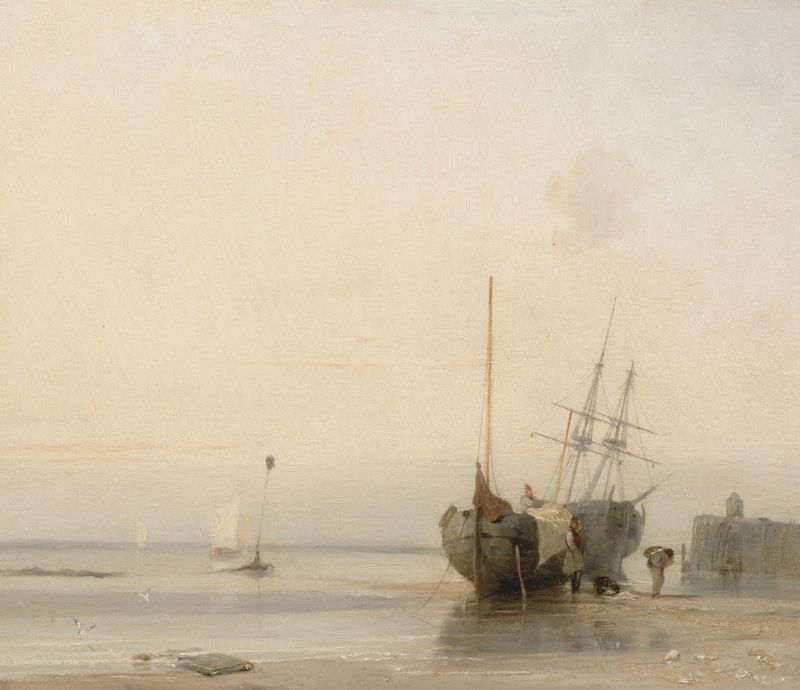
Calais Jetty, France
Richard Parkes Bonington
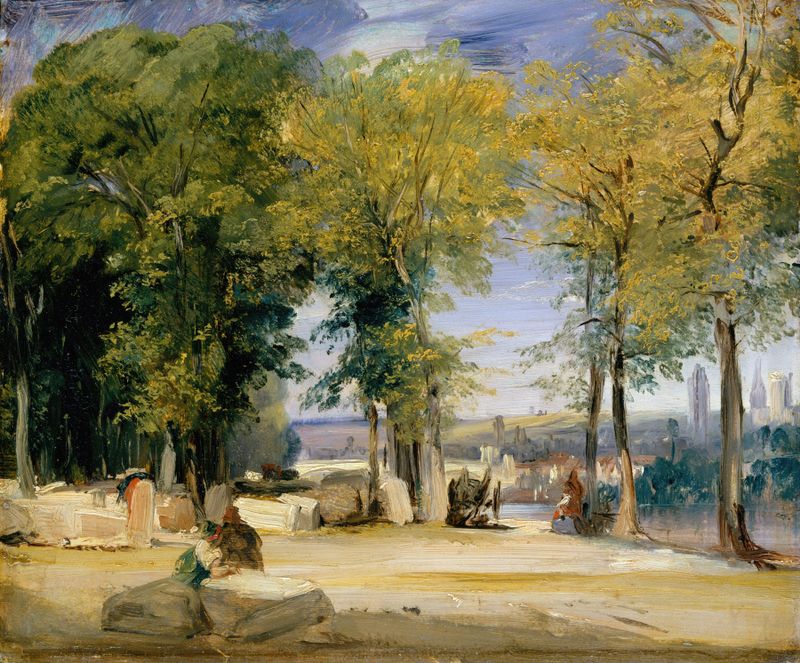
View near Rouen
Richard Parkes Bonington
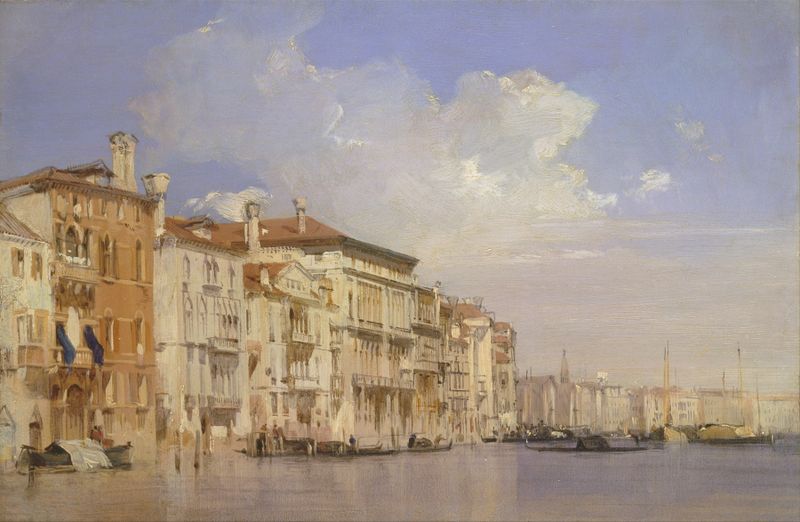
Grand Canal, Venice
Richard Parkes Bonington
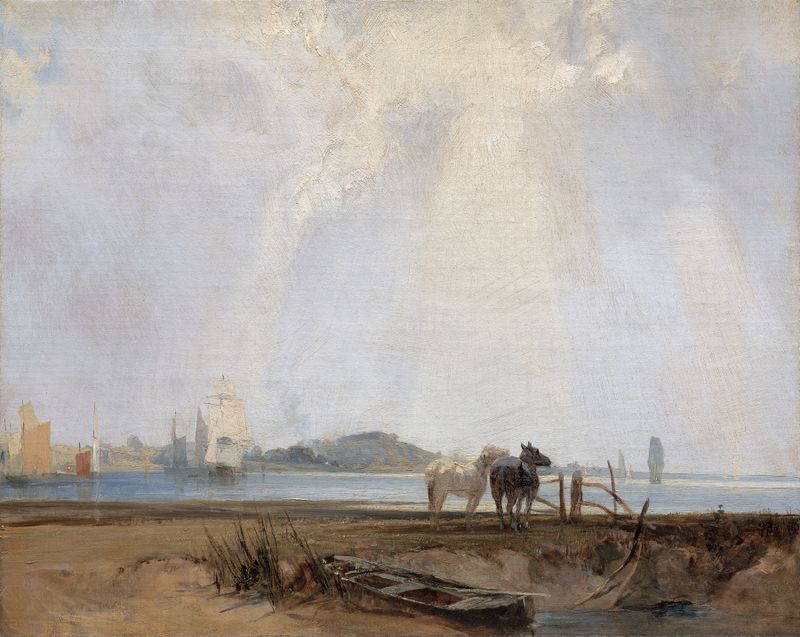
Near Quillebeuf
Richard Parkes Bonington
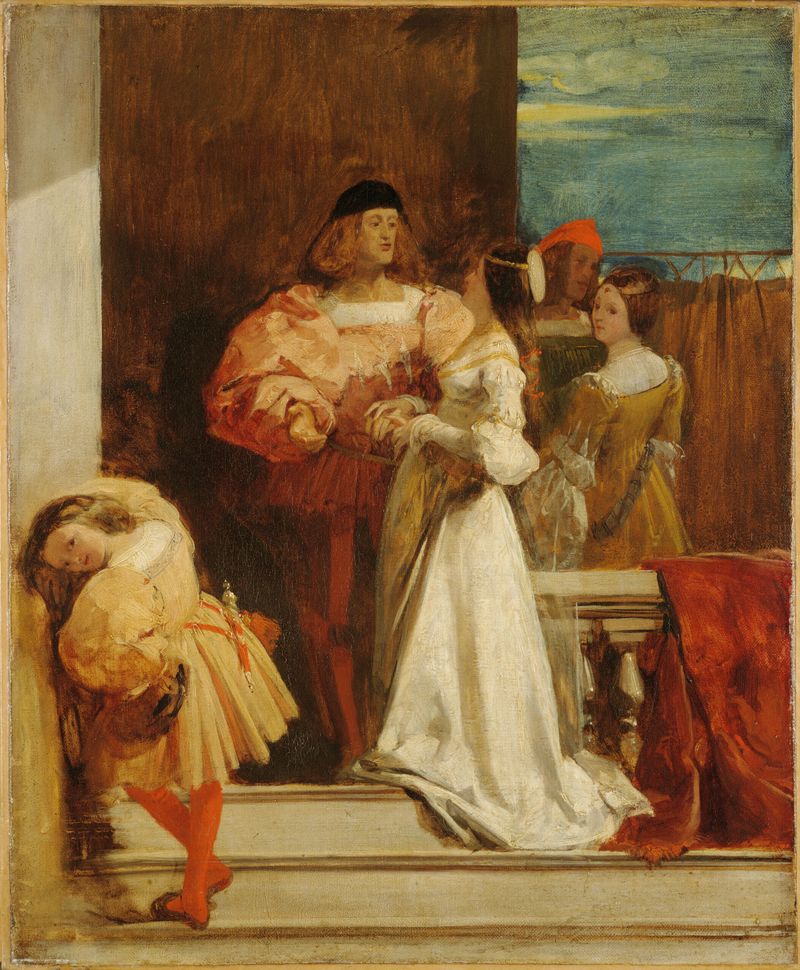
Evening in Venice
Richard Parkes Bonington
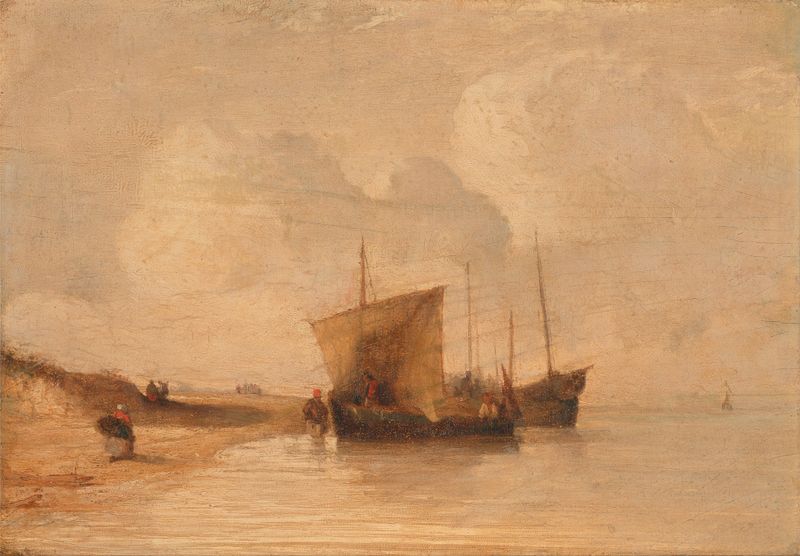
Normandy Coast
Richard Parkes Bonington
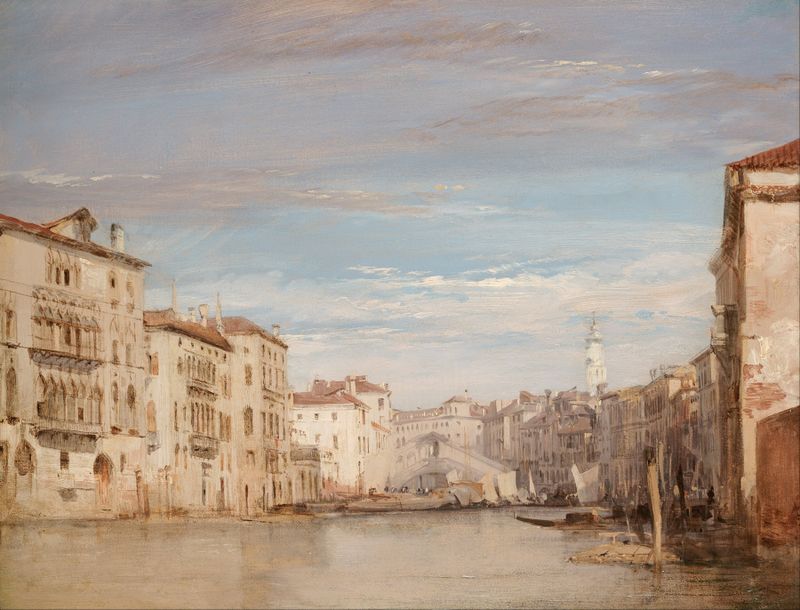
The Grand Canal, Venice, Looking Toward the Rialto
Richard Parkes Bonington
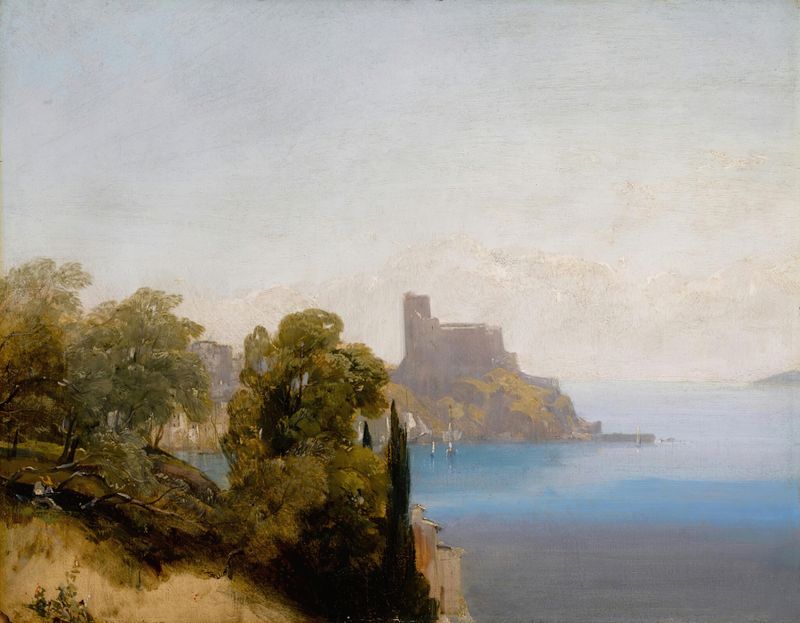
View of Lerici with Baron Charles Rivet sketching in the foreground
Richard Parkes Bonington
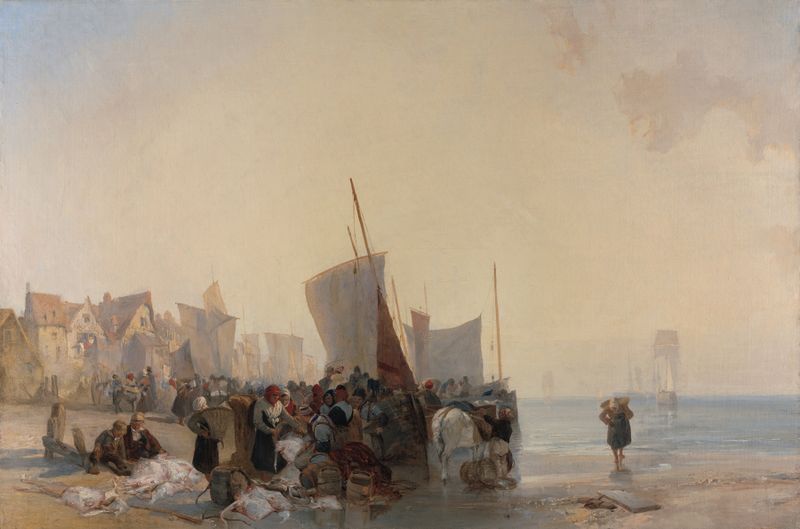
A Fish-market near Boulogne
Richard Parkes Bonington
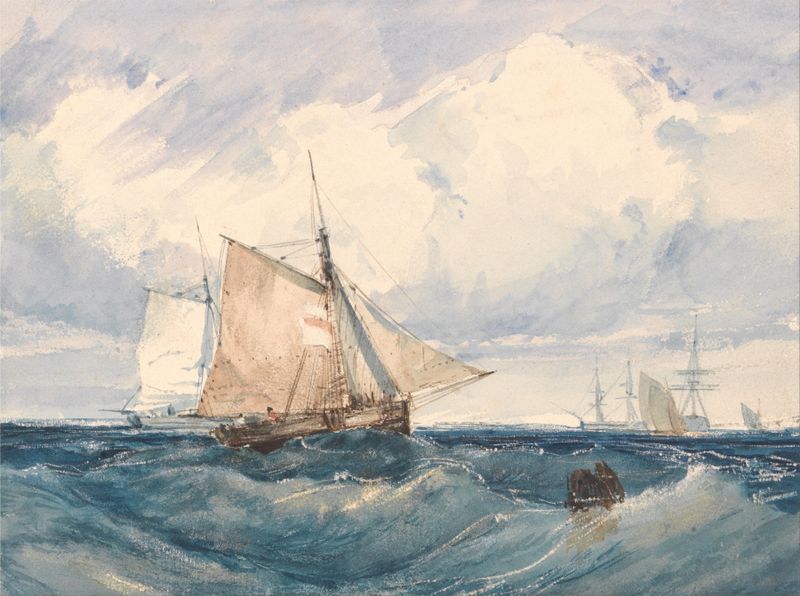
A Cutter and other shipping in a Breeze
Richard Parkes Bonington





