Discover insights about this artwork
In the Man’s Brain — History & Facts
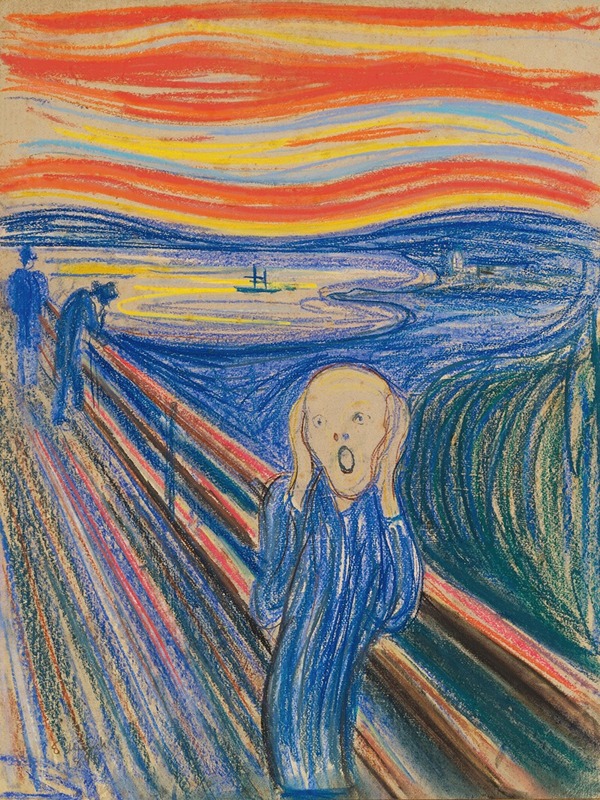
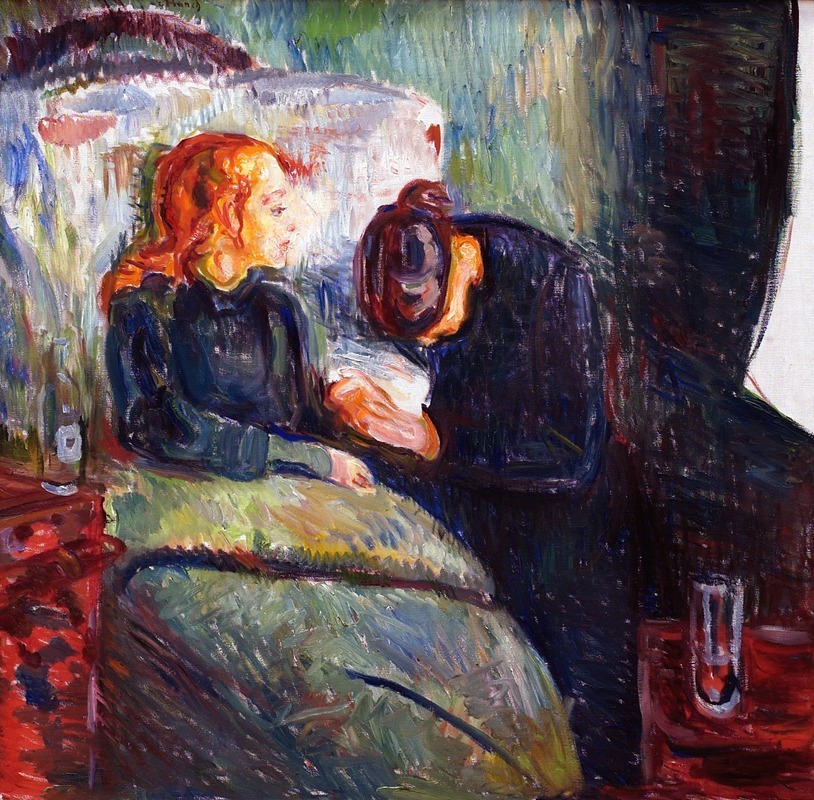
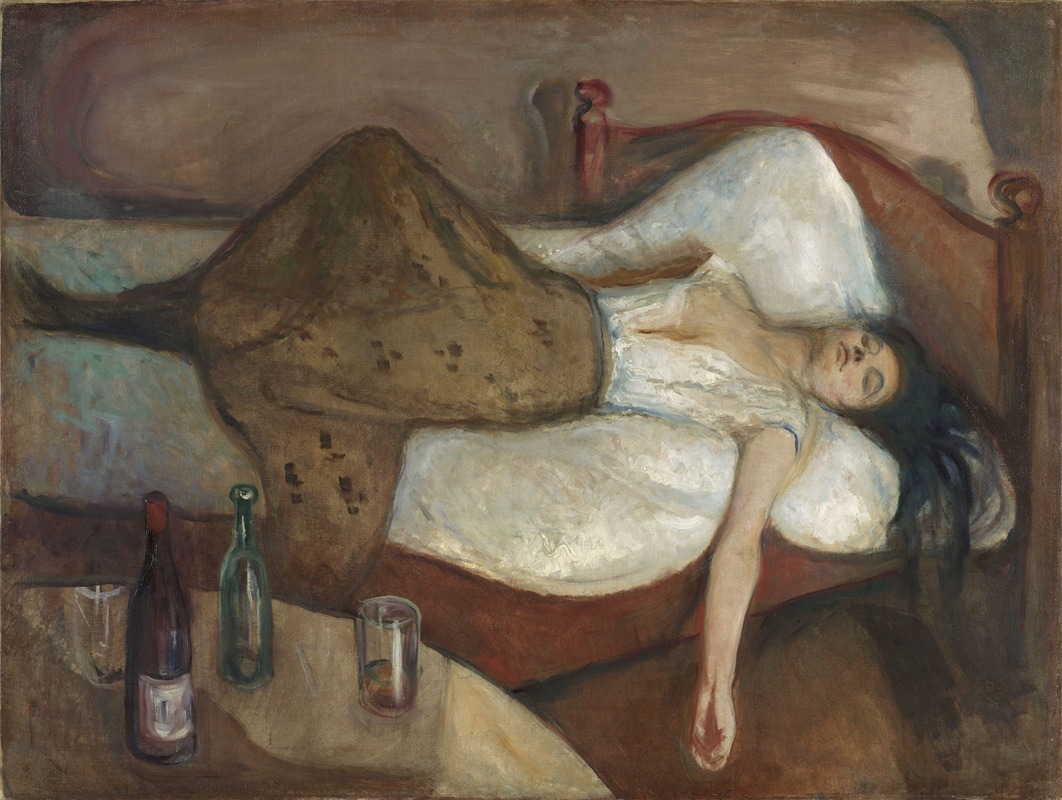
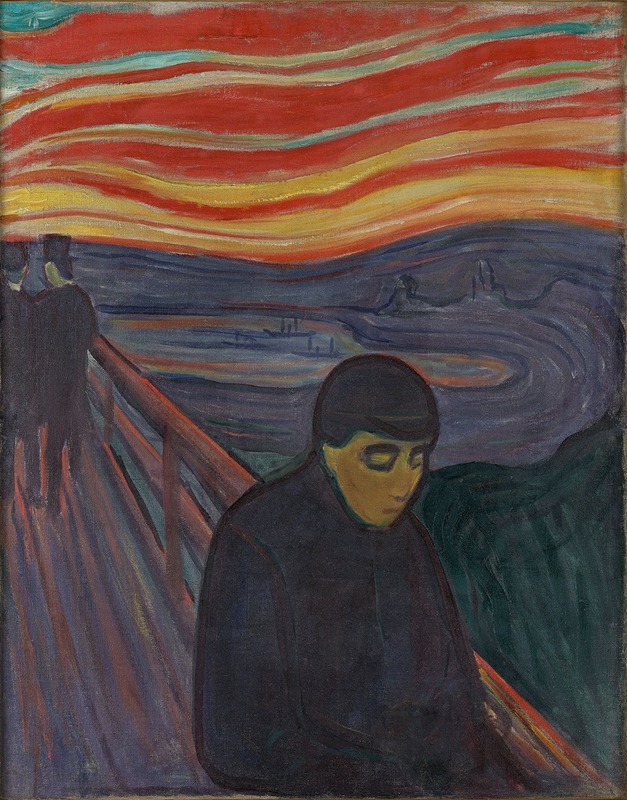
In In the Man’s Brain, Edvard Munch uses bold colors and distorted forms to depict a man's inner turmoil. The painting features swirling shapes that suggest chaos and confusion. Dark tones contrast with bright hues, creating a sense of emotional intensity.
Figures appear fragmented, reflecting the complexity of mental states. This artwork is characterized by its expressive brushwork and vivid color palette, typical of Expressionism. Munch employs oil on canvas to create a dynamic surface that enhances the emotional impact. The dimensions are approximately 100 x 80 cm, making it a substantial piece that draws viewers in.
The composition invites interpretation, encouraging personal reflection. Edvard Munch, known for his exploration of psychological themes, created In the Man’s Brain during a period of personal struggle. This work reflects his interest in the human psyche and emotional expression. An interesting fact is that Munch often drew inspiration from his own experiences and mental health challenges.
This painting exemplifies his unique style and thematic focus.