
In the Woods, probably Maine — History & Facts
Is this a mirror — or a memory? In a world where nature holds both beauty and trepidation, the boundaries between the two blur, evoking an unsettling tranquility. First, focus on the lush foliage that spills across the canvas, rich greens mingling with the shadows that hint at a deeper darkness within the woods. Notice how the light filters through the trees, creating dappled patterns that dance along the forest floor. The meticulous brushwork captures each leaf and branch, inviting you to step closer, to investigate the interplay of light and shadow as they weave together a tale of enchantment and unease. Within this verdant embrace, small details hold profound significance.
The gnarled roots, partially hidden beneath a carpet of moss, speak of time’s relentless passage, while the faint path winding through the trees suggests an invitation—or perhaps a warning. The silence that envelops the scene feels charged, as if the woods guard ancient secrets veiled in the whispers of the wind. This juxtaposition of allure and anxiety invites the viewer to confront their own fears, echoing the instinctual human response to the unknown. Frederic Edwin Church painted this work during the height of the Hudson River School movement, around 1850 to 1860, a time when America was deeply entwined with the sublime beauty of nature.
He sought to explore the emotional terrain of landscapes, using his art to engage with both the awe and fear that nature can evoke. At this juncture in his career, Church was establishing his reputation, bravely delving into the romanticism of untouched wilderness, while the nation grappled with the complexities of its own identity.
More Artworks by Frederic Edwin Church
Browse all →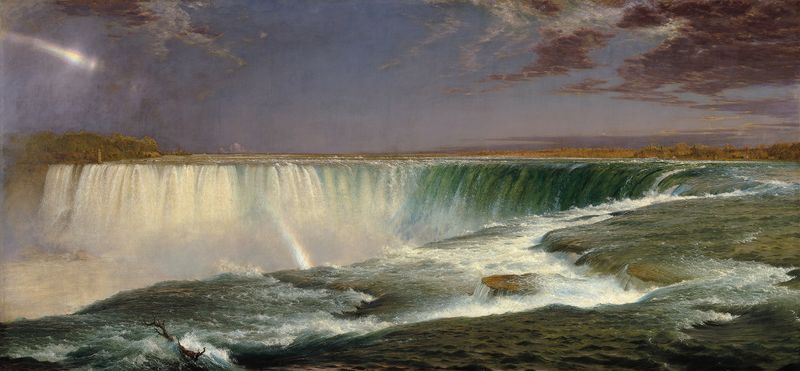
Niagara
Frederic Edwin Church
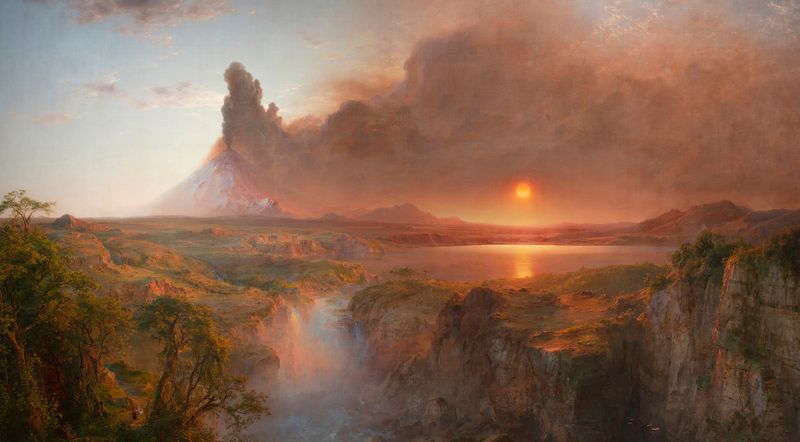
Cotopaxi
Frederic Edwin Church
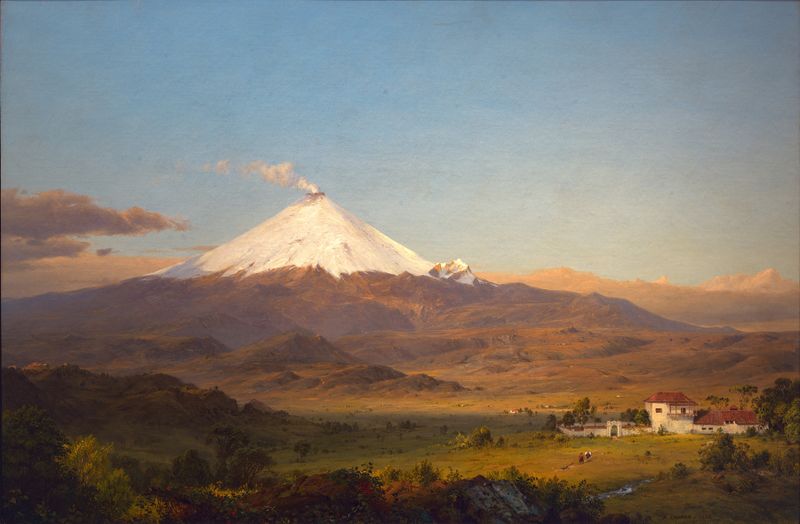
Cotopaxi
Frederic Edwin Church
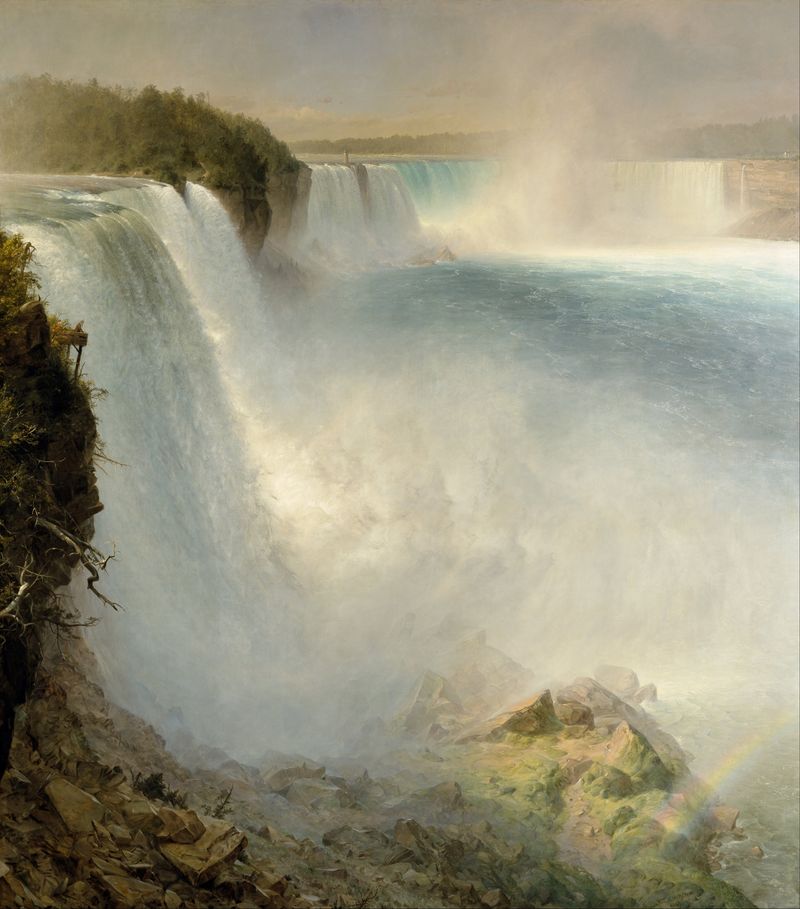
Niagara Falls, from the American Side
Frederic Edwin Church
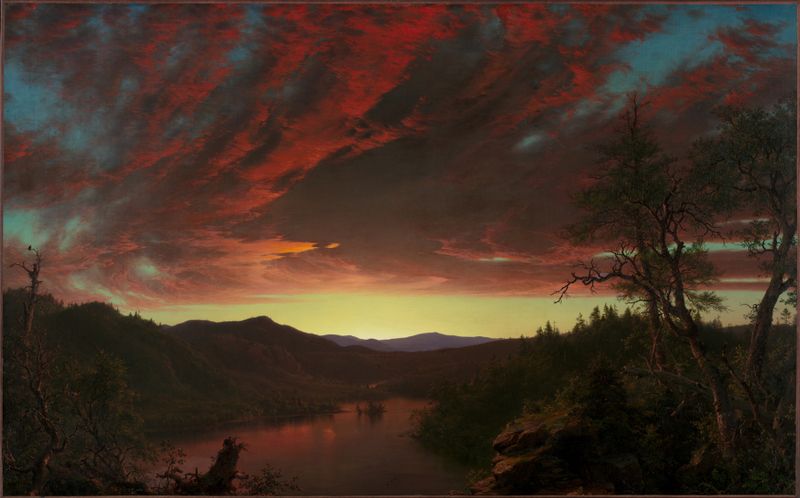
Twilight in the Wilderness
Frederic Edwin Church
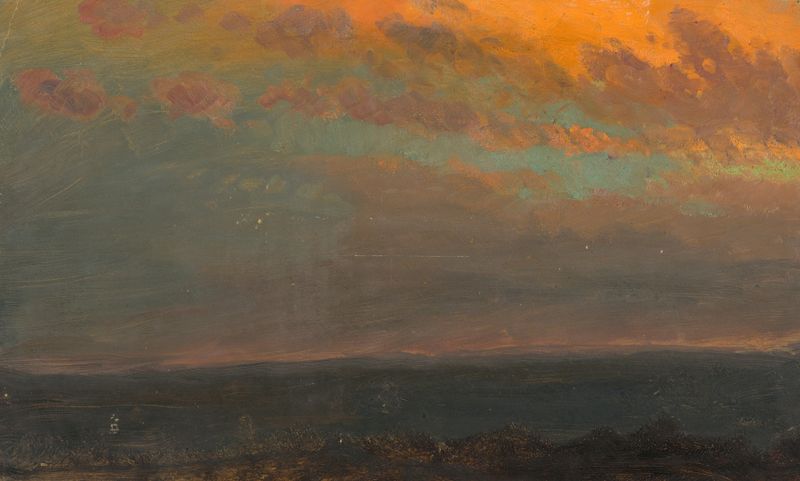
Hudson Valley at Sunset
Frederic Edwin Church
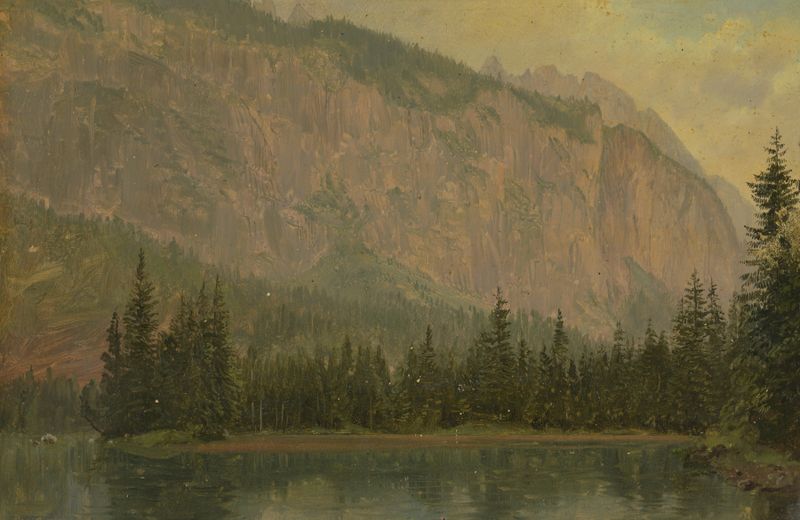
The Hintersee, near Berchtesgaden, Bavaria
Frederic Edwin Church
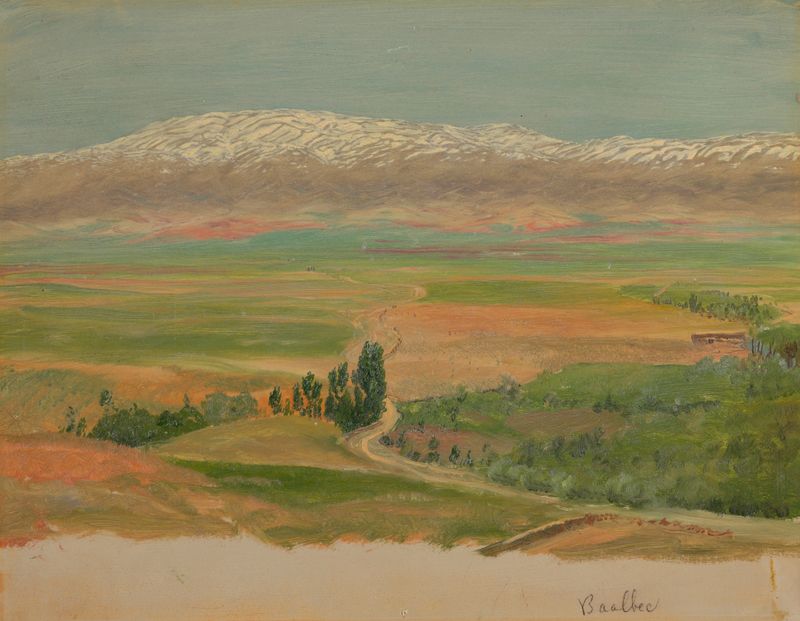
Mountains near Baalbec
Frederic Edwin Church
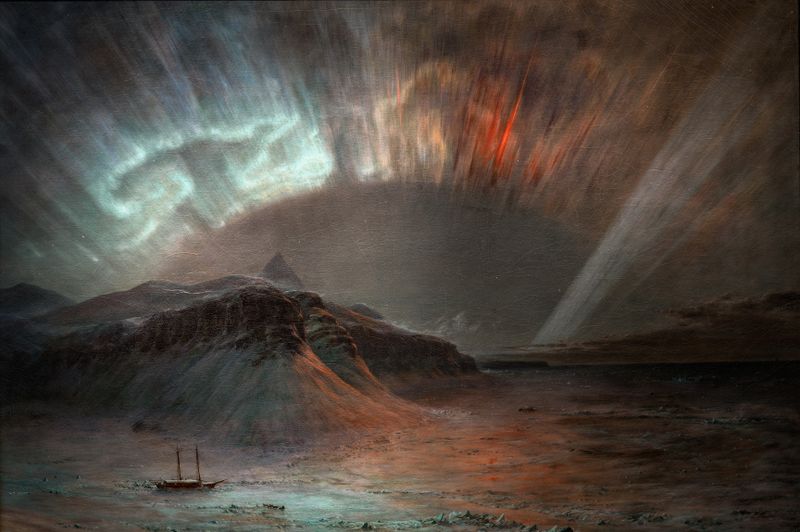
Aurora Borealis
Frederic Edwin Church
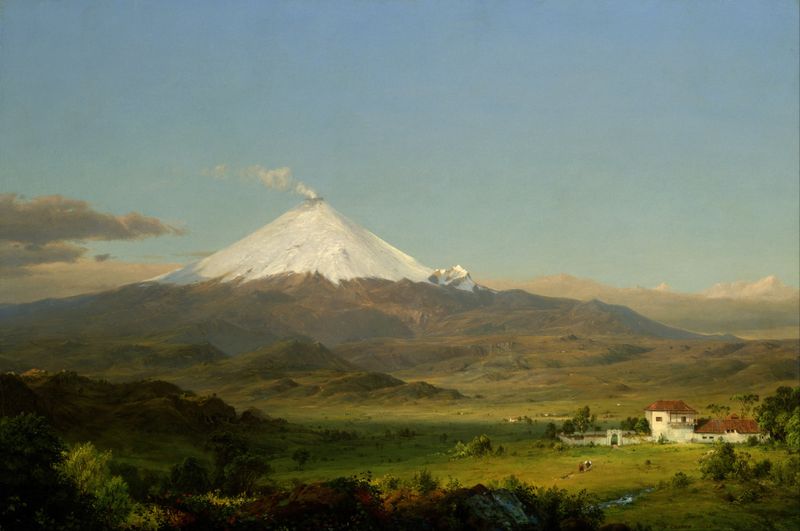
Cotopaxi
Frederic Edwin Church





