Indian Kikapoos, presented to H.M. Maximilien 1-r — History & Facts
Can beauty exist without sorrow? In the intricate world of C. Castro’s work, the answer dances on the edges of dream and reality, inviting viewers to ponder the interplay of joy and melancholy. Look to the foreground, where the vivid colors of the Kikapoos burst forth against a backdrop of muted earth tones. Notice how the artist expertly layers texture, with each stroke breathing life into the vibrant plumage of the birds, which seem to shimmer under an unseen sun.
The delicate balance between light and shadow guides your eyes across the canvas, drawing your gaze to the expressions on the Kikapoos’ faces—curious, almost wistful. Yet, as the colors entice, there lingers a tension beneath the surface. The Kikapoos, while visually captivating, evoke a sense of transience, as if caught in a fleeting moment of beauty just before dusk falls. The contrast of their vibrant existence against the more subdued background evokes a bittersweet harmony, a reminder that such beauty is often ephemeral.
Each detail—the flick of a tail, the tilt of a head—whispers stories of longing and the delicate fragility of life. In 1869, Castro painted this piece during a pivotal period in the art world, where the fascination with exotic subjects and realism was flourishing. Living in a time of rapid change, both politically and artistically, the artist sought to capture the enchanting yet fleeting nature of beauty in his works. This painting stands as a testament to those complexities, reflecting the dreams and sorrows that define our understanding of the world around us.
More Artworks by C. Castro
Browse all →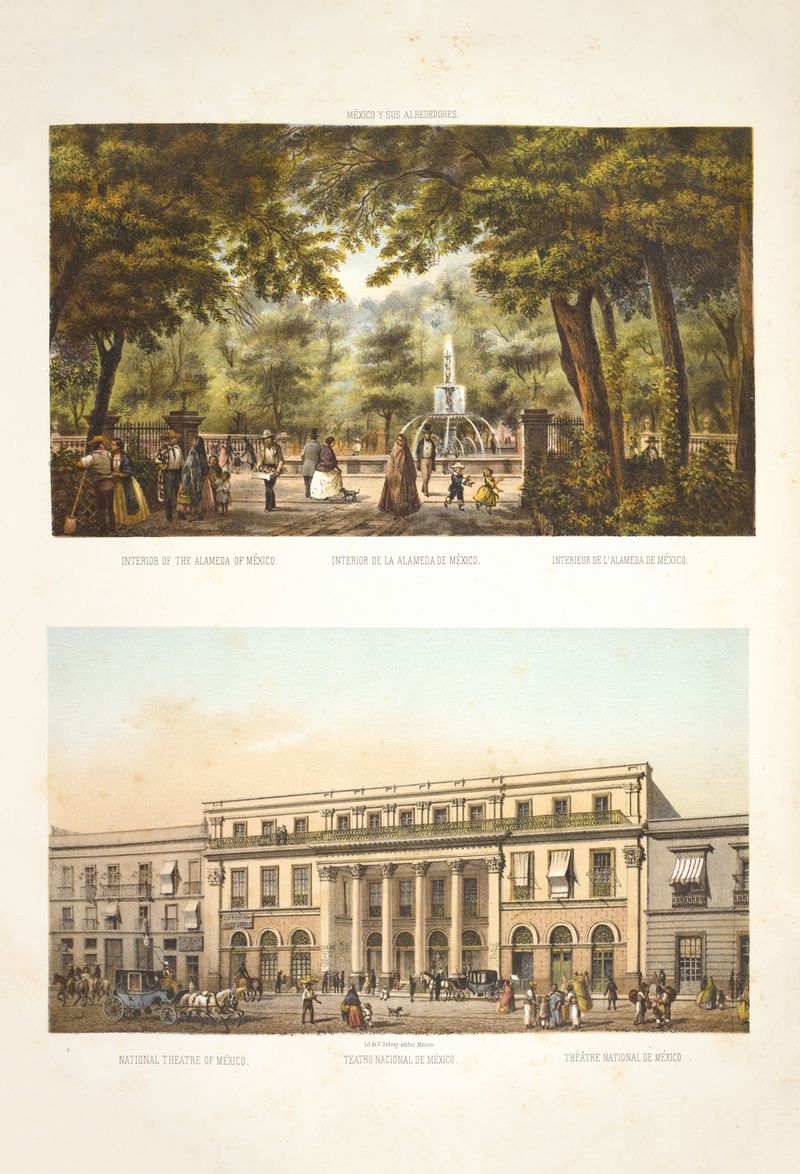
Interior of the Alameda of Mexico ; National Theatre of Mexico.
C. Castro
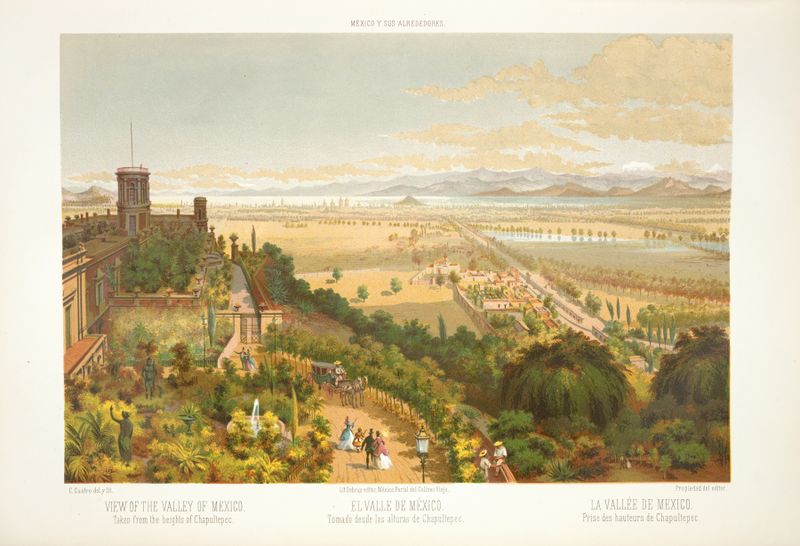
View of the Valley of Mexico, taken from the heights of Chapultepec.
C. Castro
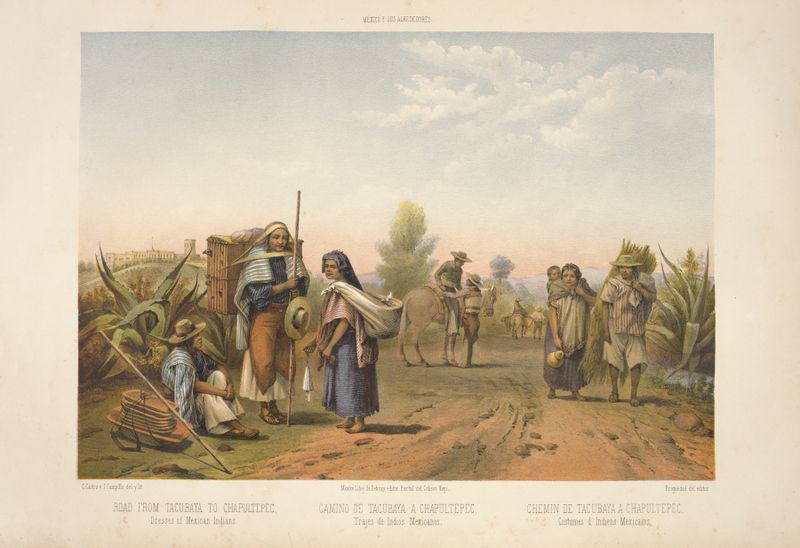
Road from Tacubaya to Chapultepec, dresses of Mexican Indians.
C. Castro
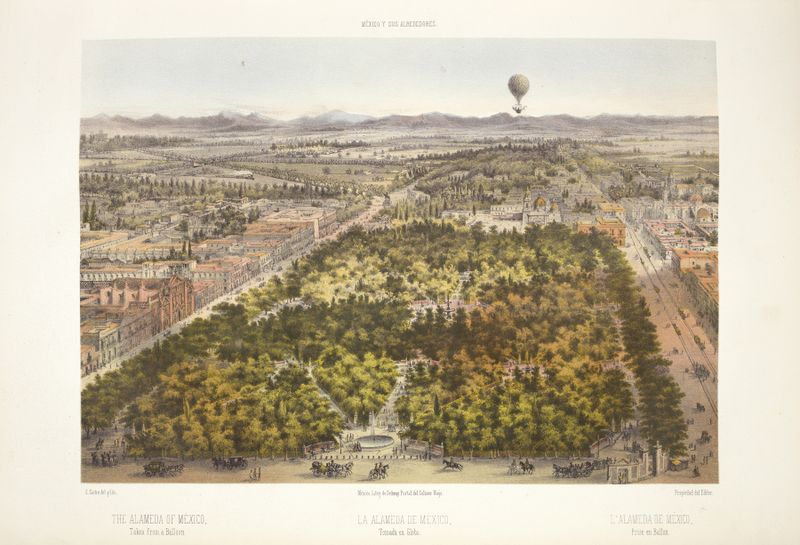
The Alameda of Mexico, taken from a balloon.
C. Castro
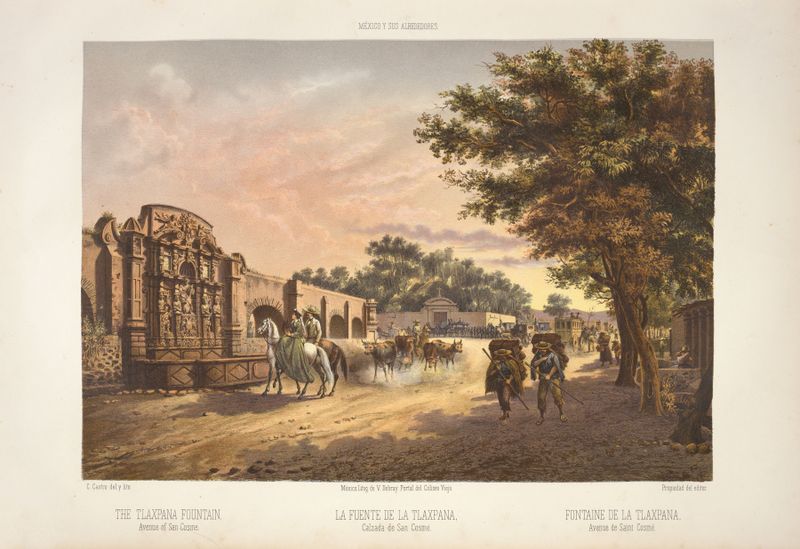
The Tlaxpana fountain, Avenue of San Cosme.
C. Castro
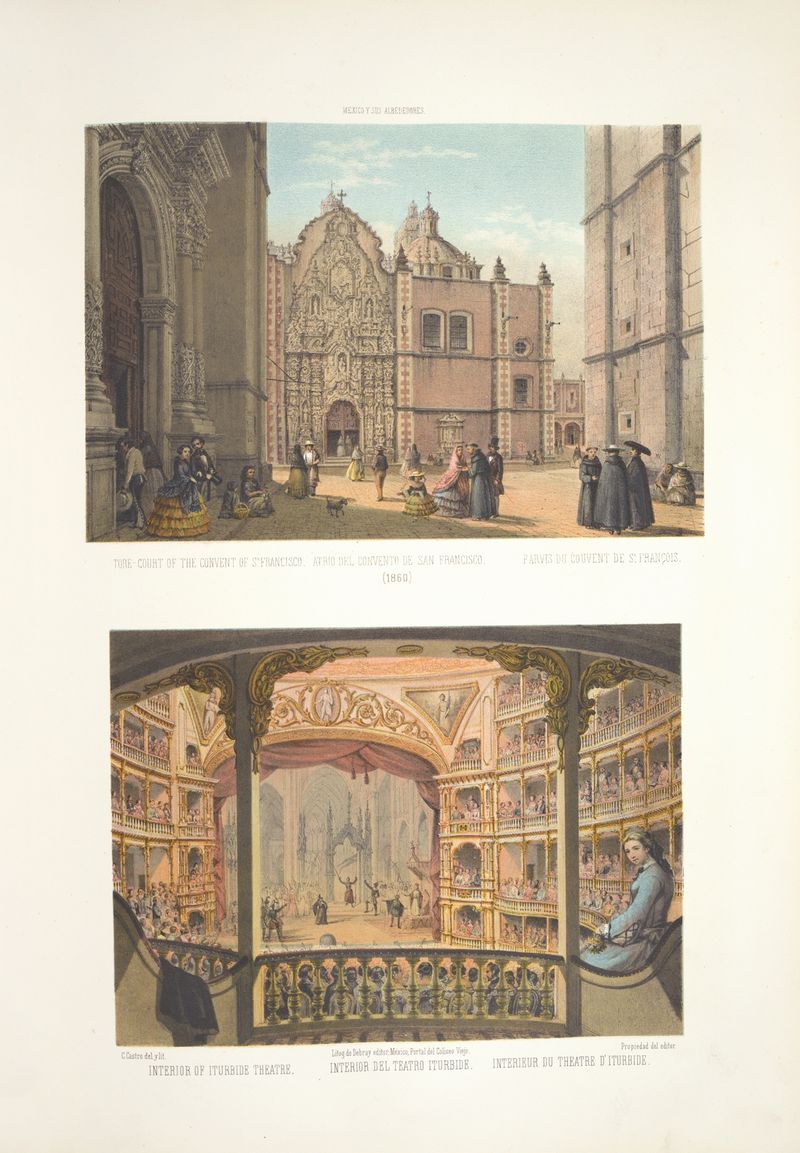
Tore-court of the convent of St. Francisco ; Interior del Teatro Iturbide
C. Castro
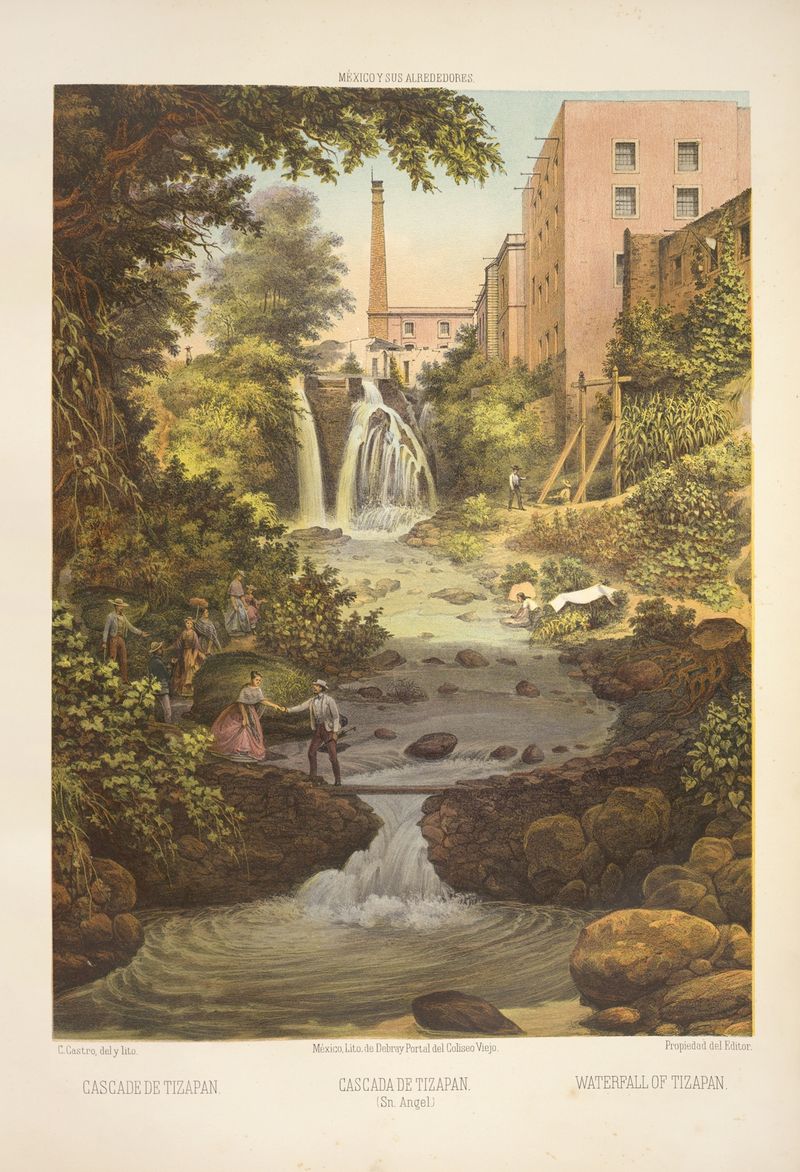
Waterfall of Tizapan
C. Castro
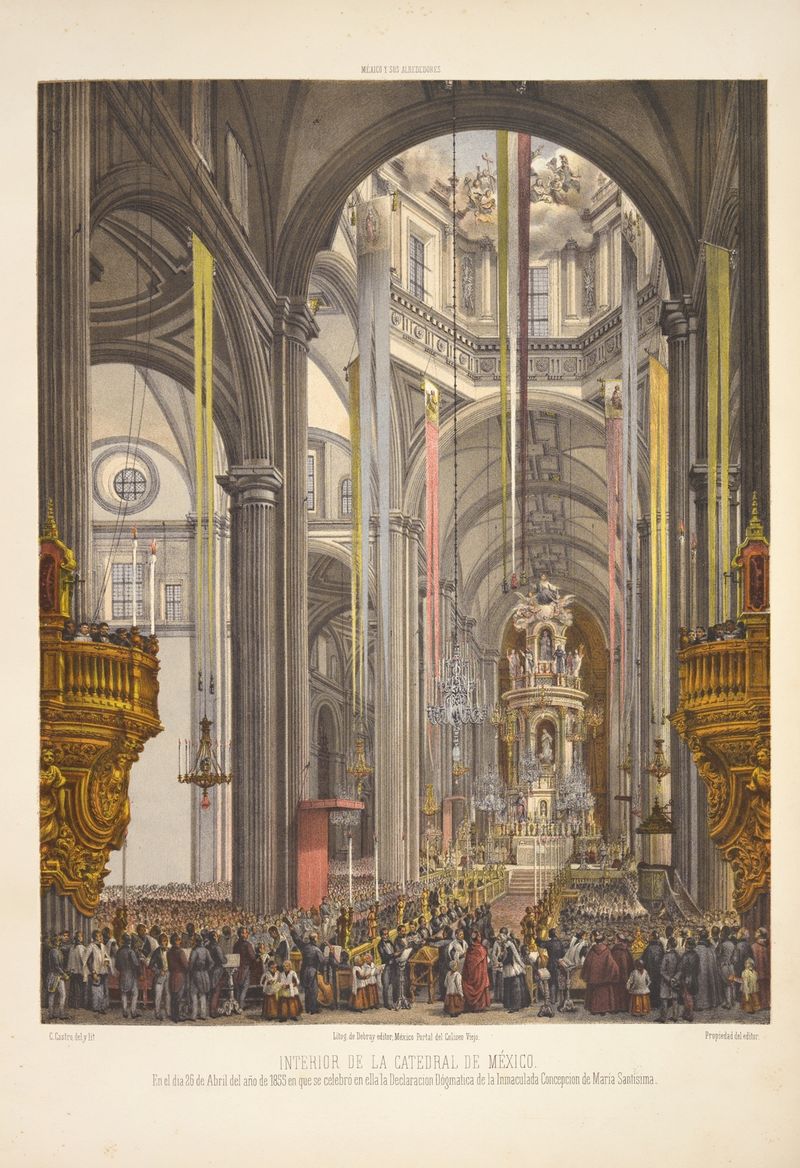
Interior de la Catedral de México. En el dia 26 de Abril del año de 1855 en que se celebró en ella la Declaracion Dógmatica de la Inmaculada Concepcion de María Santisima.
C. Castro
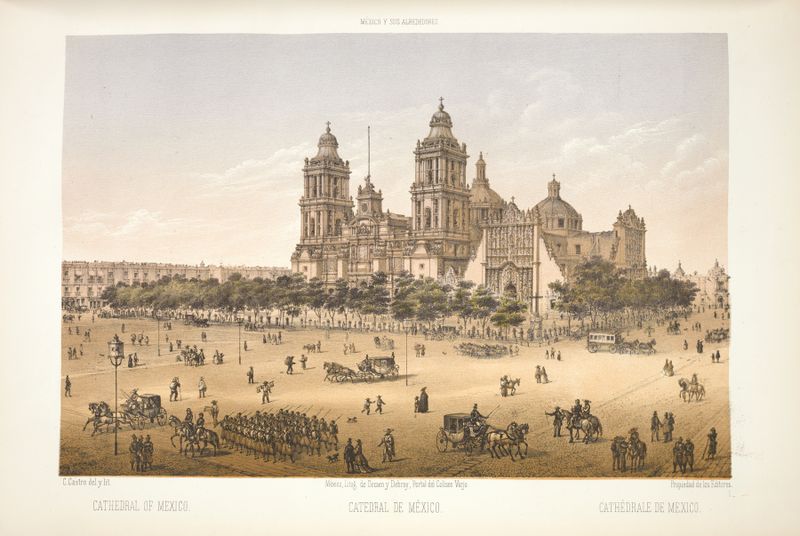
Cathedral of Mexico.
C. Castro
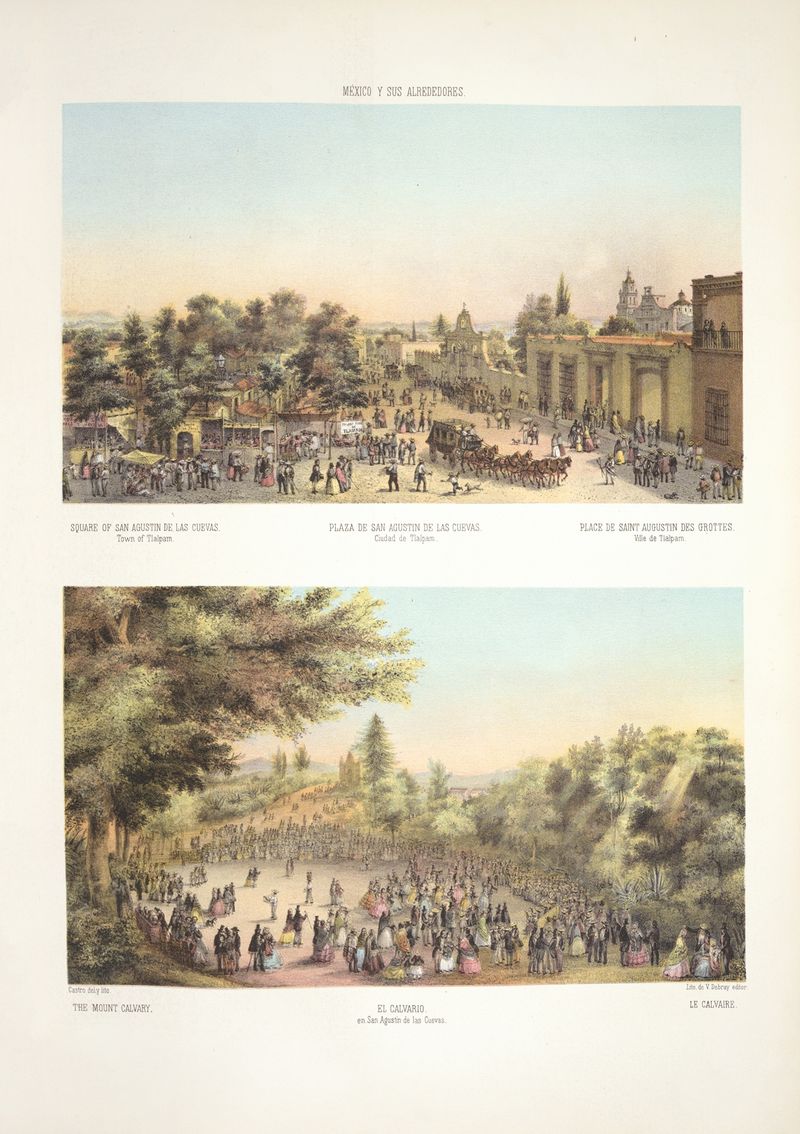
Square of San Agustin de las Cuevas, town of Tlalpam ; The Mount Calvary.
C. Castro