
Indian Pass — History & Facts
In the stillness of Thomas Cole’s vision, one senses the weight of destiny lingering in the air, a whisper of fate woven into the fabric of nature itself. Look to the foreground, where rugged cliffs rise dramatically against a vast sky, streaked with hues of amber and violet. The viewer's gaze is drawn along the winding river that snakes through the lush valley, a lifeline teeming with possibility. Notice how the gentle ripples catch the fading light, casting reflections that dance upon the water's surface, underscoring the delicate balance between serenity and the tumult of impending change. The juxtaposition of the grand mountains and the intimate river hints at the tension between human ambition and the relentless power of nature.
The towering peaks, with their imposing presence, seem to stand as guardians of an untold narrative, while the waterway beckons the viewer to journey forth. Each brushstroke reveals not just the beauty of the landscape, but the existential questions of direction and purpose—how does one navigate the currents of life amidst such grandeur? Created during a time of burgeoning American nationalism, this work reflects Cole's profound connection to the landscape of his homeland in the early 19th century. As a key figure in the Hudson River School, he sought to elevate the American landscape to the level of its European counterparts, capturing a moment when nature and identity were inextricably linked.
In Indian Pass, the artist encapsulates his belief in destiny's role within the American experience, inviting viewers to consider their place within the ever-unfolding narrative of life.
More Artworks by Thomas Cole
Browse all →
View from Mount Holyoke, Northampton, Massachusetts, after a Thunderstorm—The Oxbow
Thomas Cole
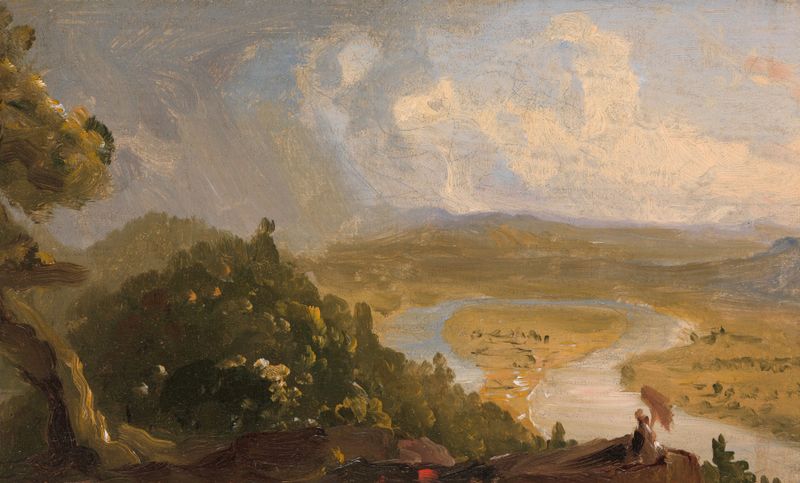
Sketch for View from Mount Holyoke, Northampton, Massachusetts, after a Thunderstorm (The Oxbow)
Thomas Cole
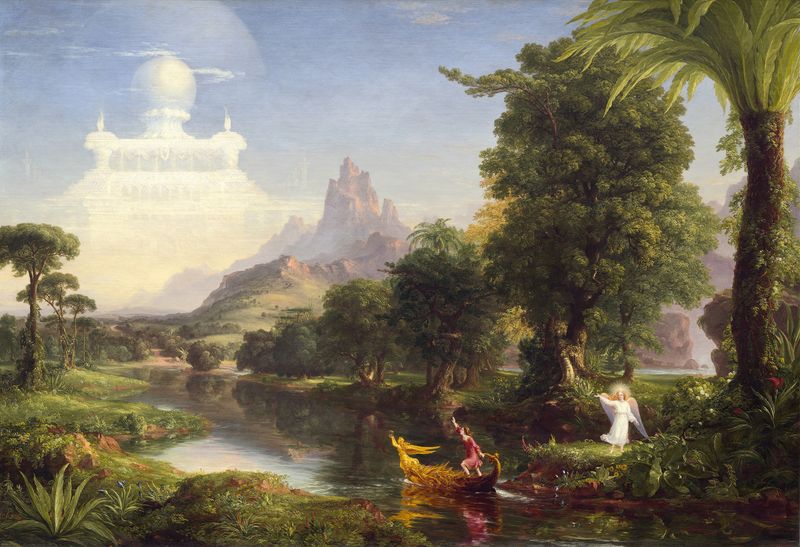
The Voyage of Life – Youth
Thomas Cole
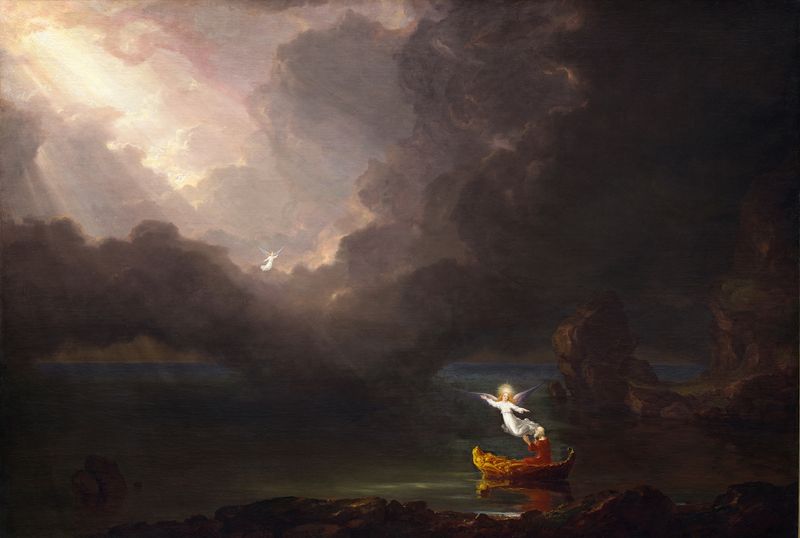
The Voyage of Life – Old Age
Thomas Cole
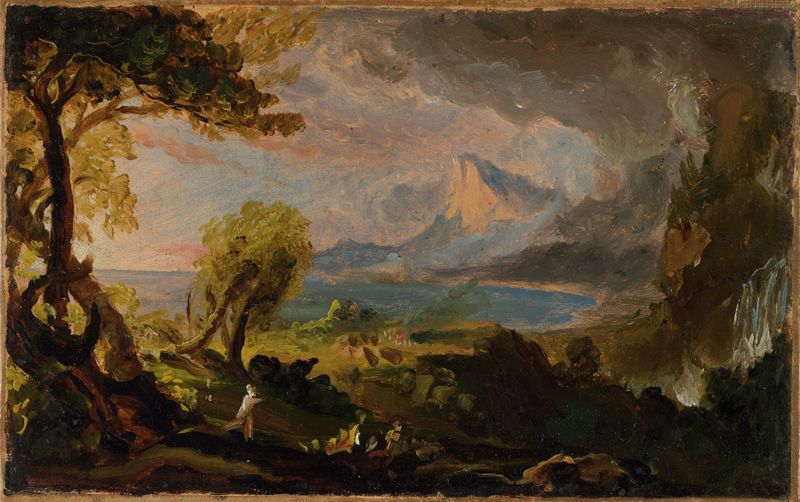
The Course of Empire–The Savage State
Thomas Cole

Landscape
Thomas Cole

New England Scenery
Thomas Cole

Sunrise in the Catskills
Thomas Cole
Tornado in an American Forest
Thomas Cole
The Voyage of Life – Childhood
Thomas Cole





