
Ingresso a Marglia Colla Villa del Marchese Luchesimi — History & Facts
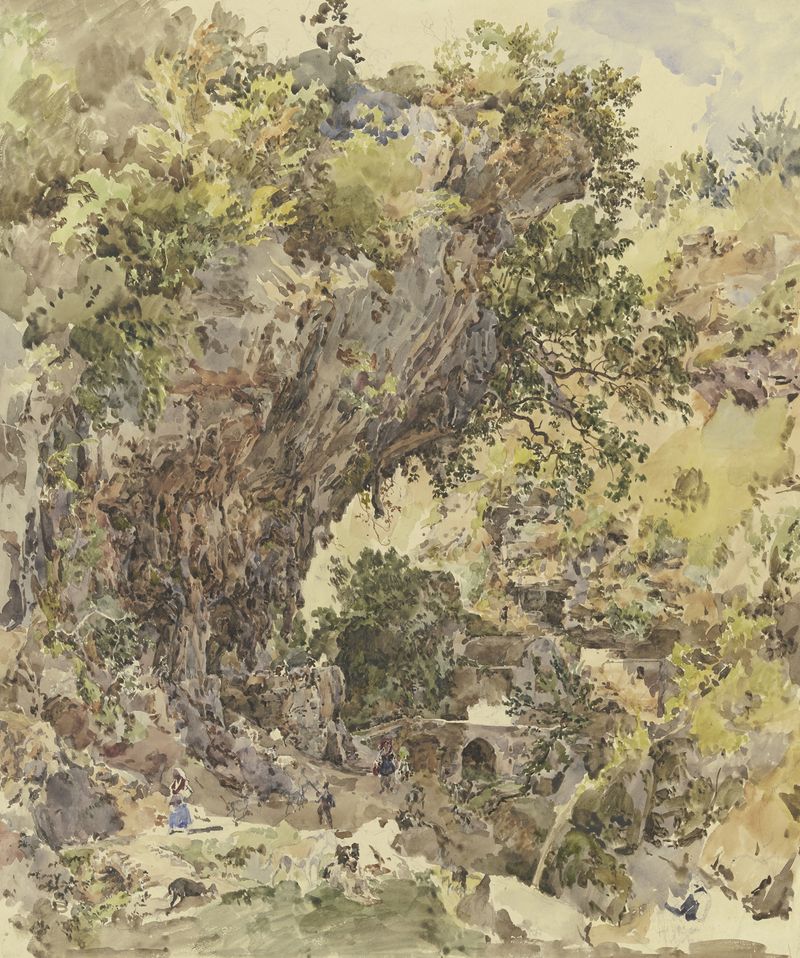
When did color learn to lie? The hues of nostalgia can often mask the truth of a moment, inviting us to contemplate what’s real and what is merely a memory. Look to the foreground, where a gentle archway beckons visitors into a lush garden. The intricate play of verdant greens contrasts with the soft, warm sunlight that spills across the scene, illuminating the fine details of the villa's architecture. Notice how the painter expertly juxtaposes the elegance of the structure with the wildness of nature, using delicate brushstrokes that capture both the meticulous design of the building and the untamed beauty of the surrounding flora. The artwork's emotional tension lies in this very contrast; the peaceful serenity of the garden juxtaposes a sense of longing and reminiscence.
The path leading into the garden seems to suggest a journey not just into a physical space, but also into the past, where memories and dreams intertwine. Small details—a blooming flower here, a fluttering leaf there—evoke the bittersweet nature of nostalgia, hinting at both the beauty of the moment and the inevitable passage of time. In 1830, Johann Nepomuk Rauch painted this work during a period marked by a burgeoning Romanticism in Europe. He was deeply influenced by the shifting cultural landscape that celebrated nature and emotional depth.
While the world around him was undergoing rapid change, his art captured a yearning for the tranquility and beauty found in both nature and memory, embodying the spirit of his times and the lingering impact of beauty on the human experience.
More Artworks by Johann Nepomuk Rauch
Browse all →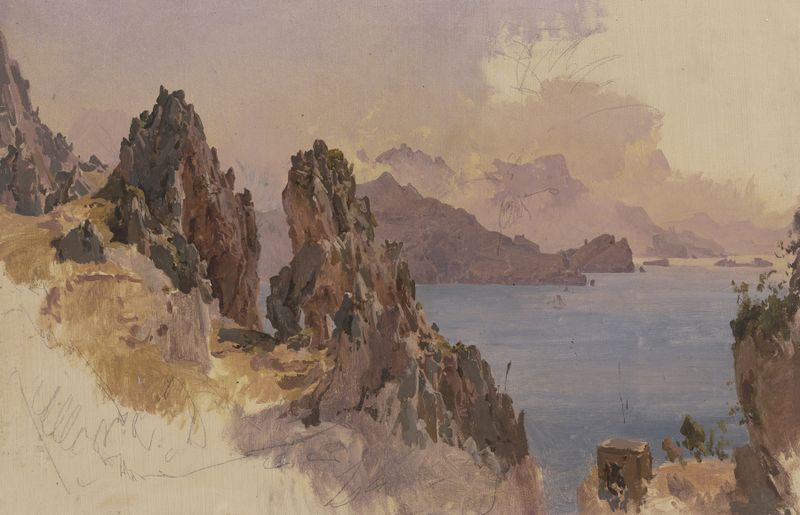
Süditalienische Felsenküste
Johann Nepomuk Rauch
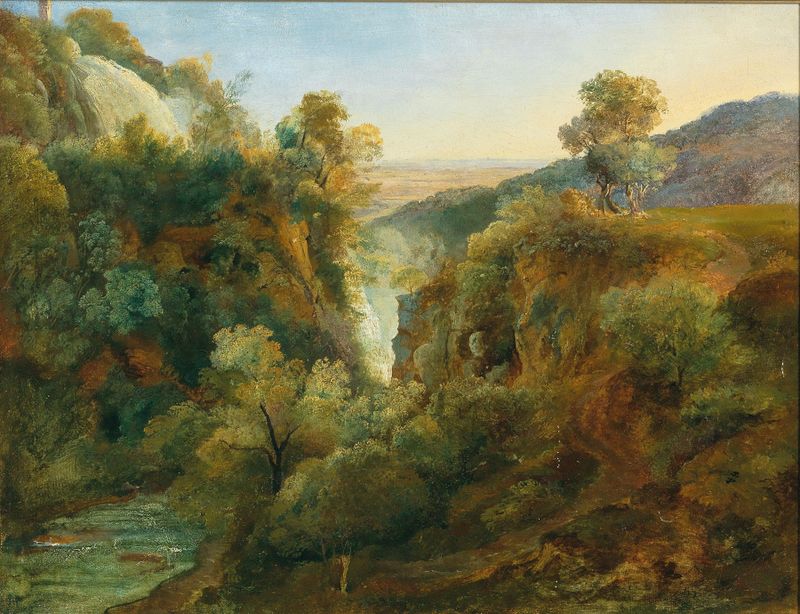
Wasserfall bei Tivoli
Johann Nepomuk Rauch
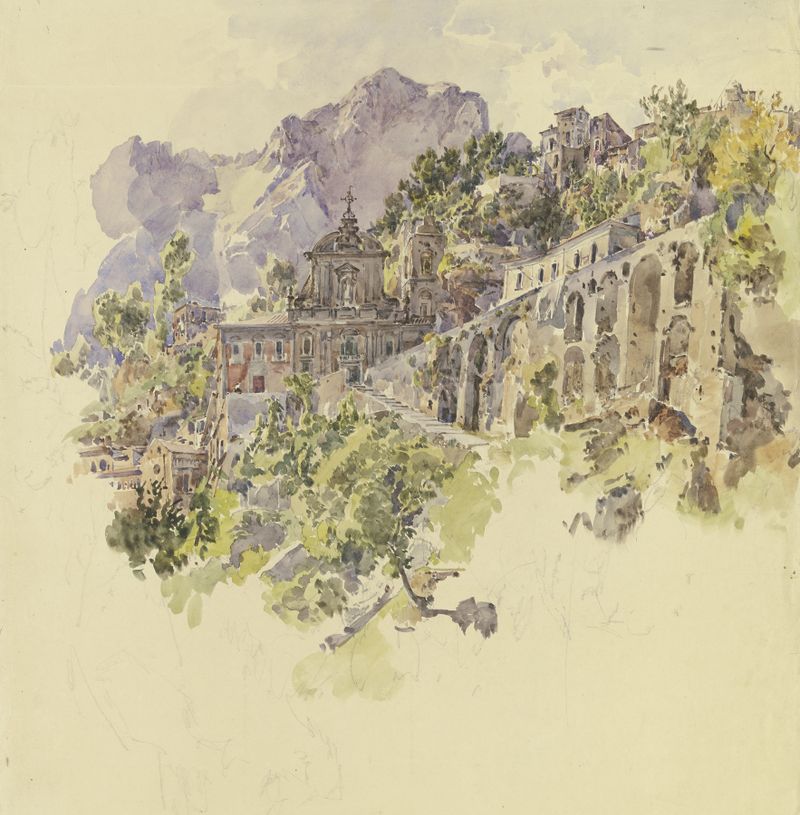
Kloster im Gebirge mit großen Terrassen und Treppen
Johann Nepomuk Rauch

Felsabhang mit Bäumen bei Nemi
Johann Nepomuk Rauch

La Marina grande del Vico
Johann Nepomuk Rauch
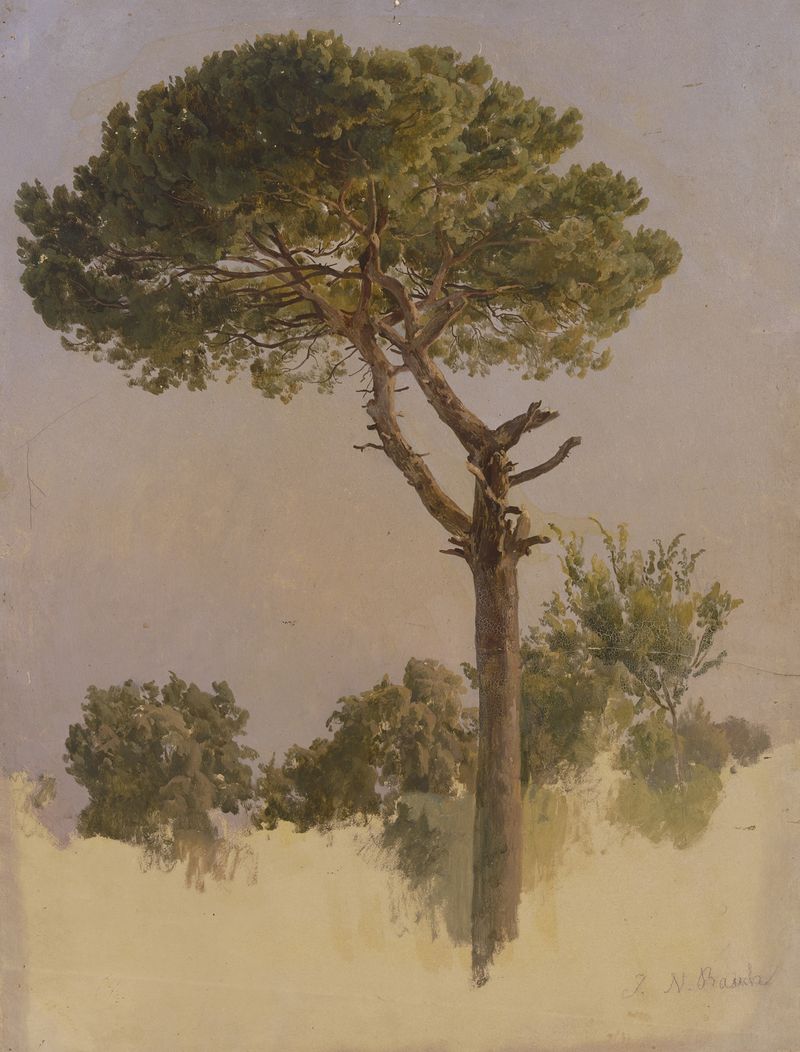
Pinienbaum bei S. Nicola da Tolentino in Rom
Johann Nepomuk Rauch
Gebirgslandschaft mit einer Brücke und vielen Figuren, links eine großartige Felspartie
Johann Nepomuk Rauch

Fuori la grotta di Posilipo
Johann Nepomuk Rauch

Wasser-Reservoir in Tivoli
Johann Nepomuk Rauch

Rast an der Landstraße
Johann Nepomuk Rauch
More Architecture Art
Browse all →
The statue of Liberty
Frédéric Auguste Bartholdi

View of Houses in Delft, Known as ‘The Little Street’
Johannes Vermeer

View of Houses in Delft, Known as ‘The Little Street’
Johannes Vermeer

The Cathedral in Rouen. The portal, Grey Weather
Claude Monet

The yellow house
Vincent van Gogh

The Church in Auvers-sur-Oise, View from the Chevet
Vincent van Gogh