
Inner Temple — History & Facts
This thought lingers in the air, beckoning us to delve deeper into the layers of art and emotion. Here, in the elegant strokes and rich colors, lies a profound awakening that invites introspection. Look to the center of the composition, where an ethereal light emanates, illuminating the delicate textures of the temple’s intricate architecture. Notice how the artist employs a palette of warm golds and muted earth tones to create a harmonious balance, drawing the viewer’s eye towards the architectural grandeur.
The meticulous attention to detail reflects the mastery of technique; shadows dance lightly across surfaces, creating depth and inviting contemplation. Yet, within this beauty, contrasting elements emerge—stark shadows hint at the passage of time, and the grandeur seems to whisper of solitude. The juxtaposition of light and dark speaks to an emotional tension, evoking feelings of both awe and melancholy. It’s as if the temple stands as a monument to both spiritual enlightenment and the burdens of existence, embodying the duality of our human experience. Samuel Ireland painted this masterpiece in 1800, during a time of great change in both his life and the world of art.
Living in England, he navigated a burgeoning Romantic movement, which sought to explore emotion and nature's beauty. As he created Inner Temple, Ireland was immersed in a landscape where traditional values were being challenged, making his work not only a personal expression but also a reflection of the shifting artistic currents of the era.
More Artworks by Samuel Ireland
Browse all →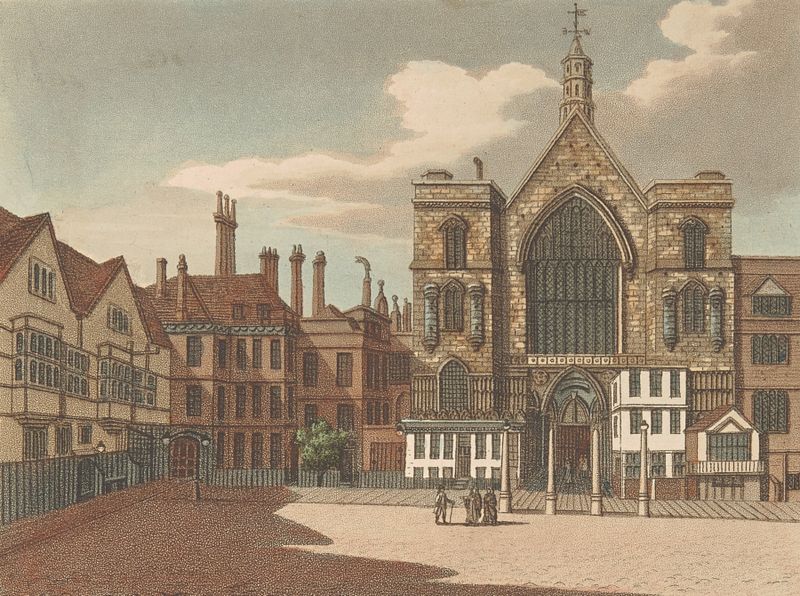
Westminster Hall
Samuel Ireland

Southwest View of Middle Temple
Samuel Ireland
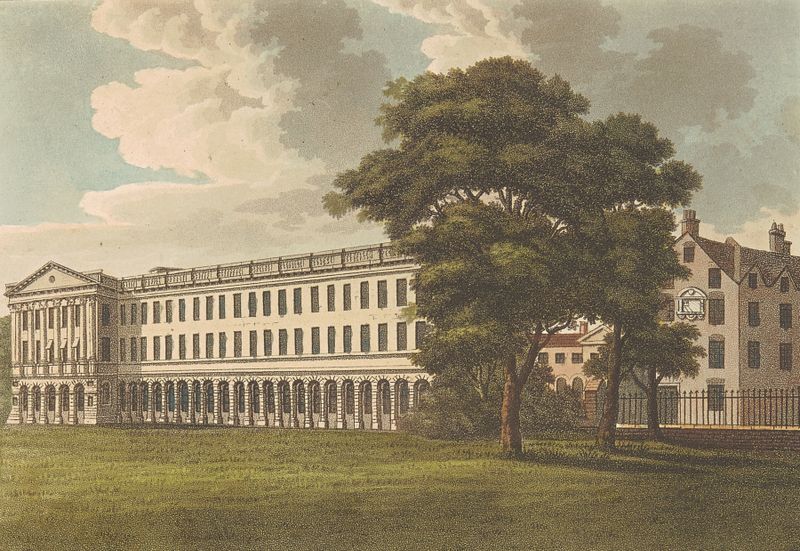
Stone Buildings, Lincoln’s Inn
Samuel Ireland
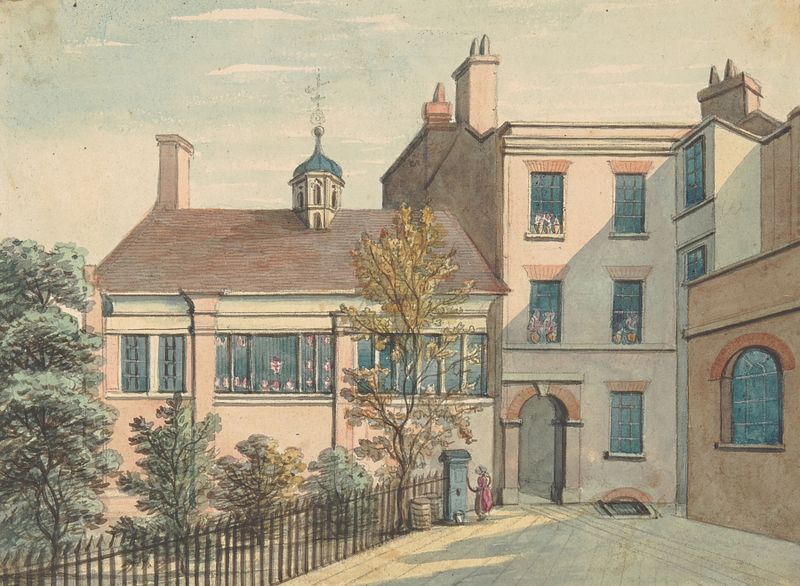
Barnard’s Inn
Samuel Ireland

Lincoln’s Inn Hall and Chapel
Samuel Ireland

Lion’s Inn
Samuel Ireland
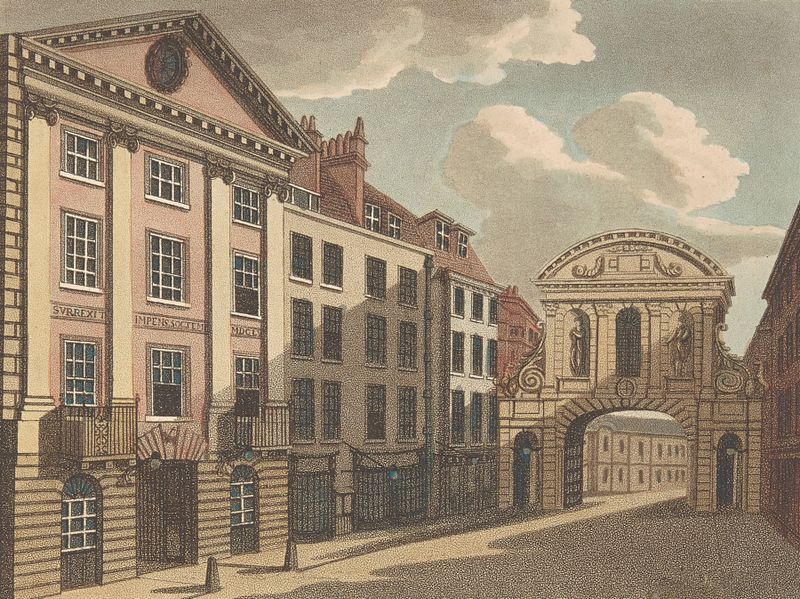
Middle Temple Gate
Samuel Ireland
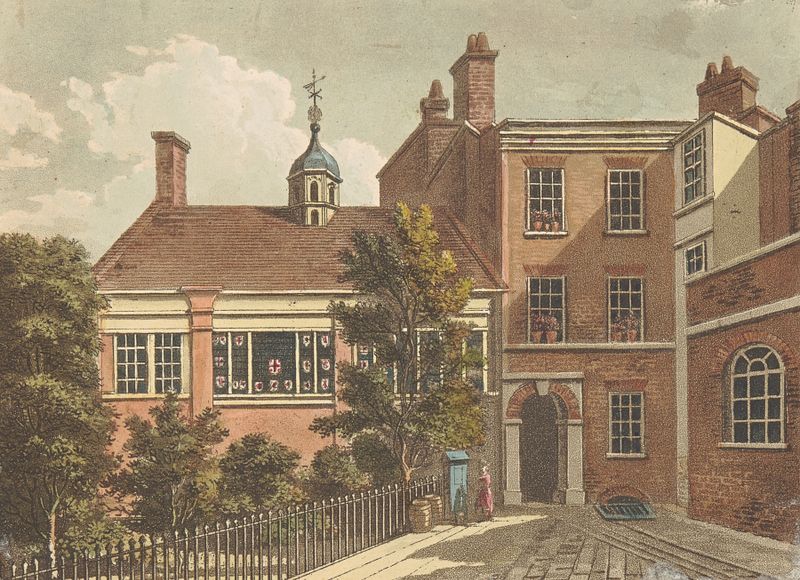
Barnard’s Inn
Samuel Ireland

Westminster Hall
Samuel Ireland
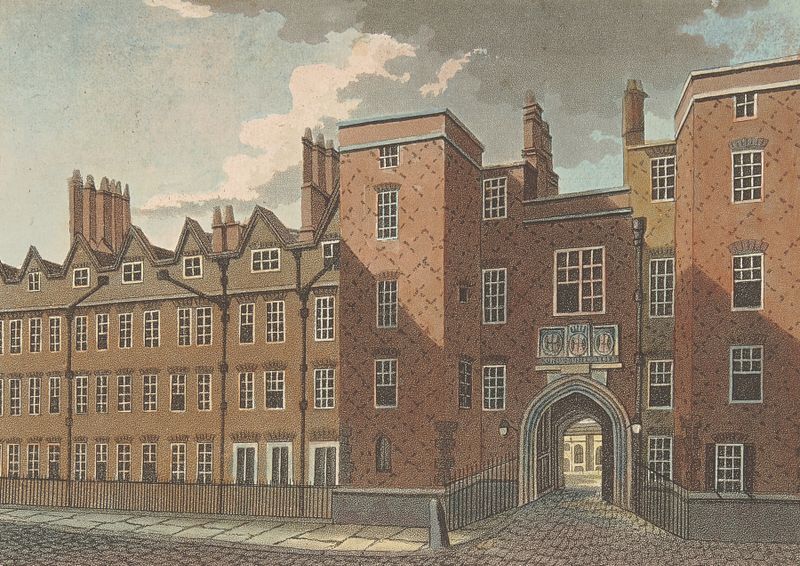
Lincoln’s Inn Gate
Samuel Ireland
More Architecture Art
Browse all →
The statue of Liberty
Frédéric Auguste Bartholdi

View of Houses in Delft, Known as ‘The Little Street’
Johannes Vermeer

View of Houses in Delft, Known as ‘The Little Street’
Johannes Vermeer

The Cathedral in Rouen. The portal, Grey Weather
Claude Monet

The yellow house
Vincent van Gogh

The Church in Auvers-sur-Oise, View from the Chevet
Vincent van Gogh