Interieur van een zaal in het Kurhaus van Wiesbaden — History & Facts
How often do we attempt to capture the ephemeral, only to realize that loss resides at the heart of our creations? Focus first on the intricate details of the ornate interior, where the play of light dances across the elegant furnishings. Notice how the golden hues of the curtains contrast with the muted tones of the wooden flooring, drawing your eyes to the lavish chandelier hanging above. The meticulous brushstrokes create a sense of depth; each stroke seems to breathe life into the space, inviting you to step into the moment, but also hinting at the passage of time and inevitable change. Yet, it is in the shadows that the emotional weight lays heavy.
The absence of figures in this grand hall amplifies a sense of loss, as if the laughter and chatter once filling the room have dissipated into silence. The opulence surrounding you now feels tinged with nostalgia, suggesting both a celebration of beauty and a mourning for moments that can never return. This dichotomy is a poignant reminder of impermanence — even the most splendid settings are susceptible to time’s relentless grasp. Created in 1889, this work reflects a period of artistic transition in Europe, where the influence of impressionism began seeping into various styles.
The artist, whose identity remains a mystery, possibly aimed to encapsulate the spirit of a society that was rapidly changing. The Kurhaus of Wiesbaden was a popular social hub, and the artist may have been inspired by both its grandeur and the collective memory of a time now lost to history.
More Artworks by Unknown Artist
Browse all →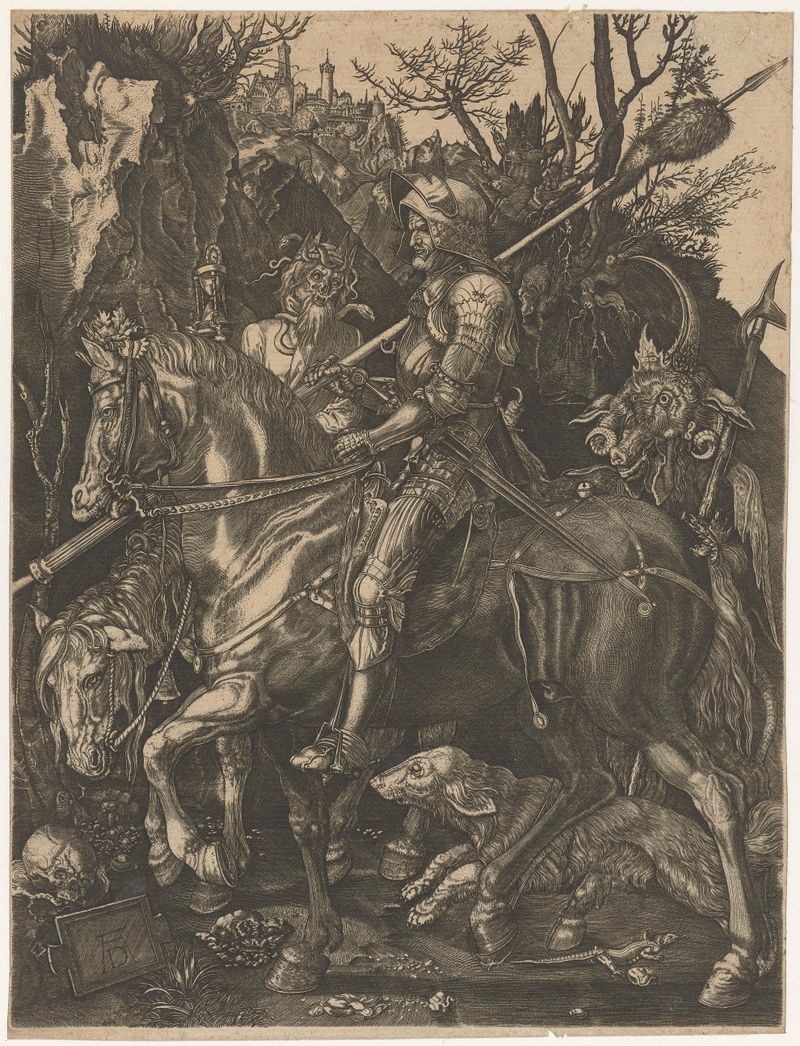
Ridder, Dood en Duivel
Unknown Artist
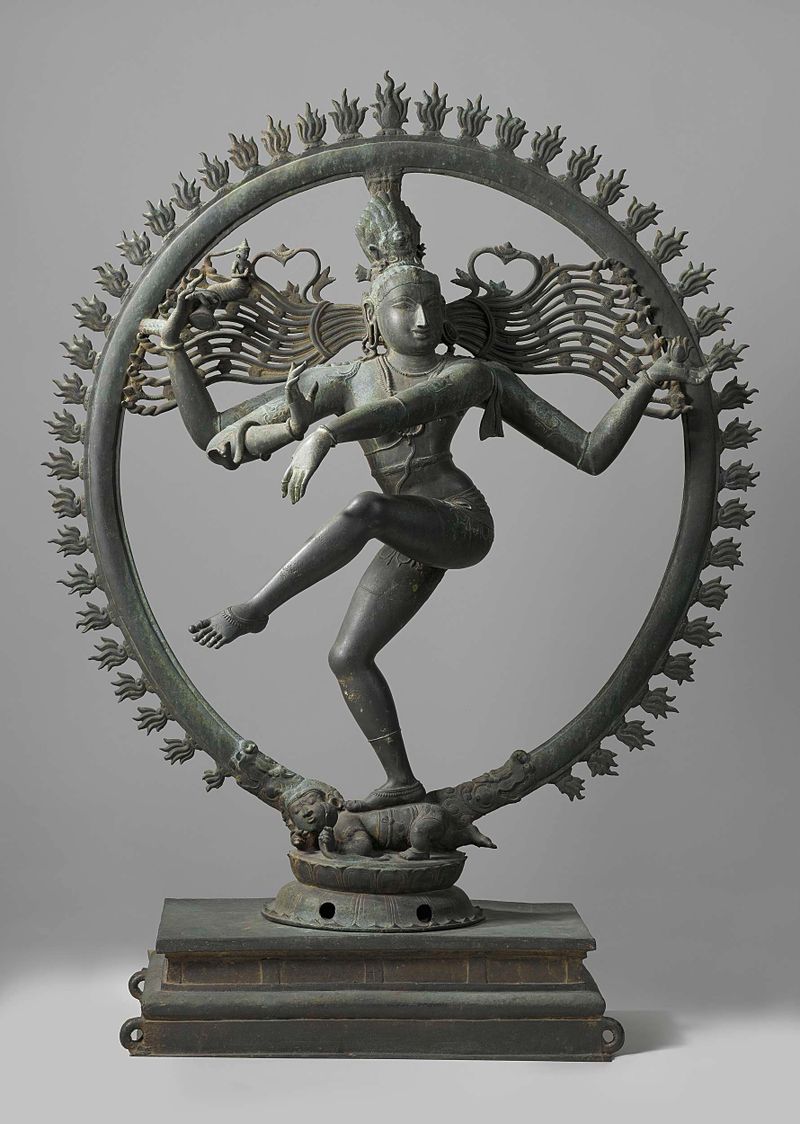
Shiva Nataraja
Unknown Artist
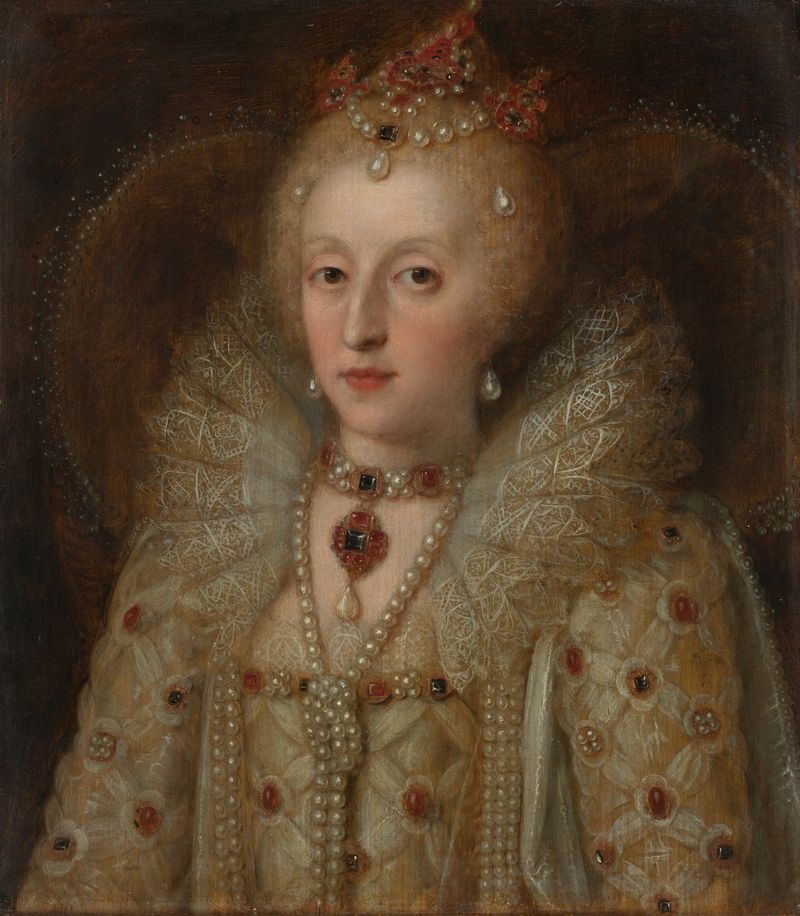
Portrait of Elizabeth I, Queen of England
Unknown Artist
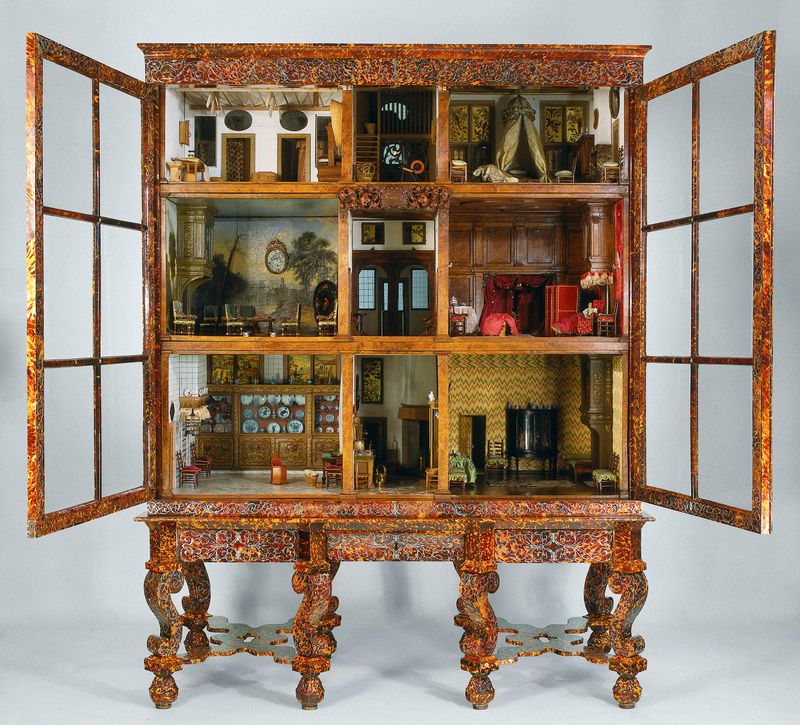
Dolls’ house of Petronella Oortman
Unknown Artist
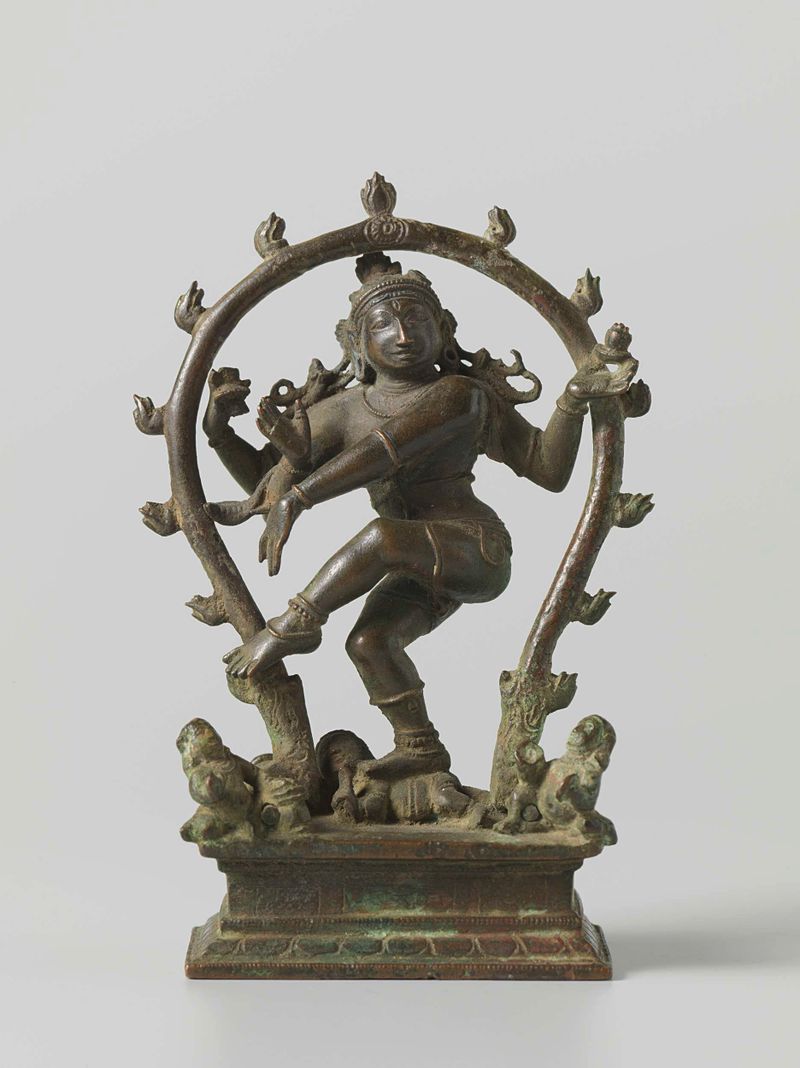
Shiva Nataraja
Unknown Artist

The Tale of Genji
Unknown Artist

The Tale of Genji
Unknown Artist
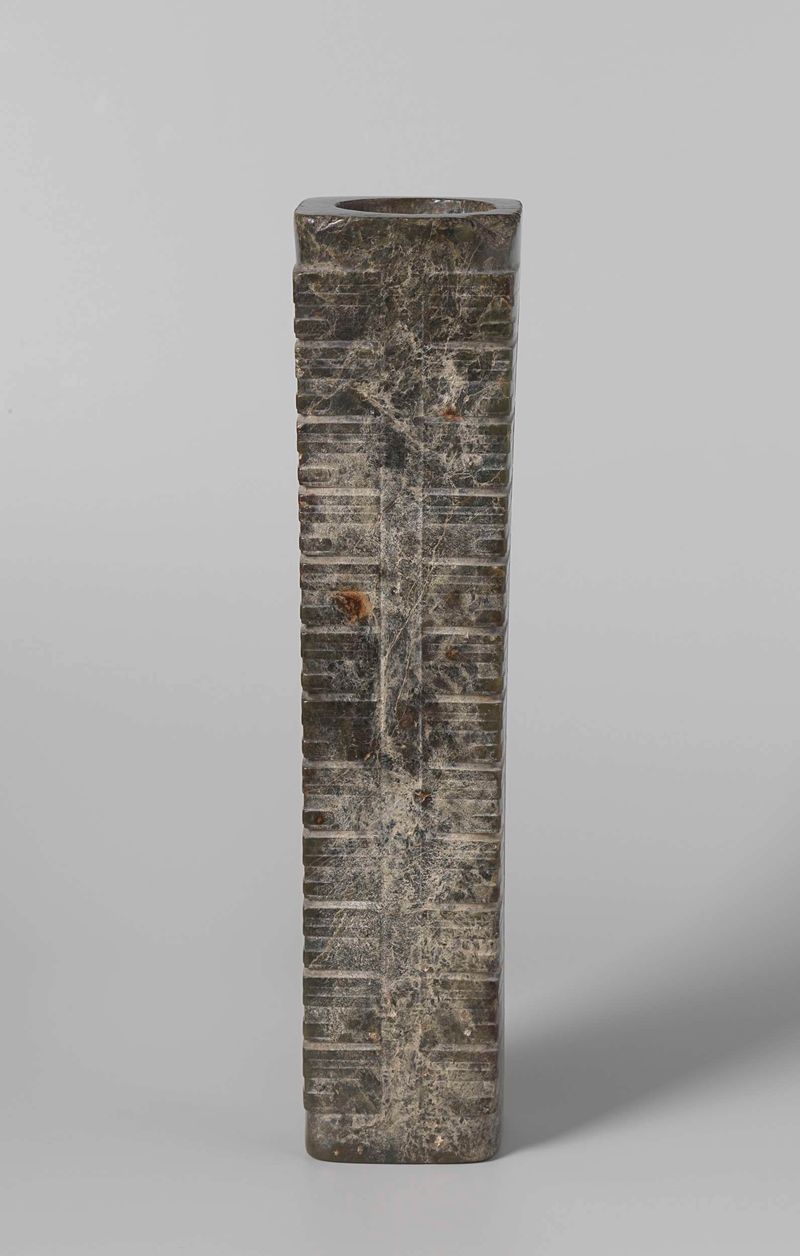
Cong
Unknown Artist
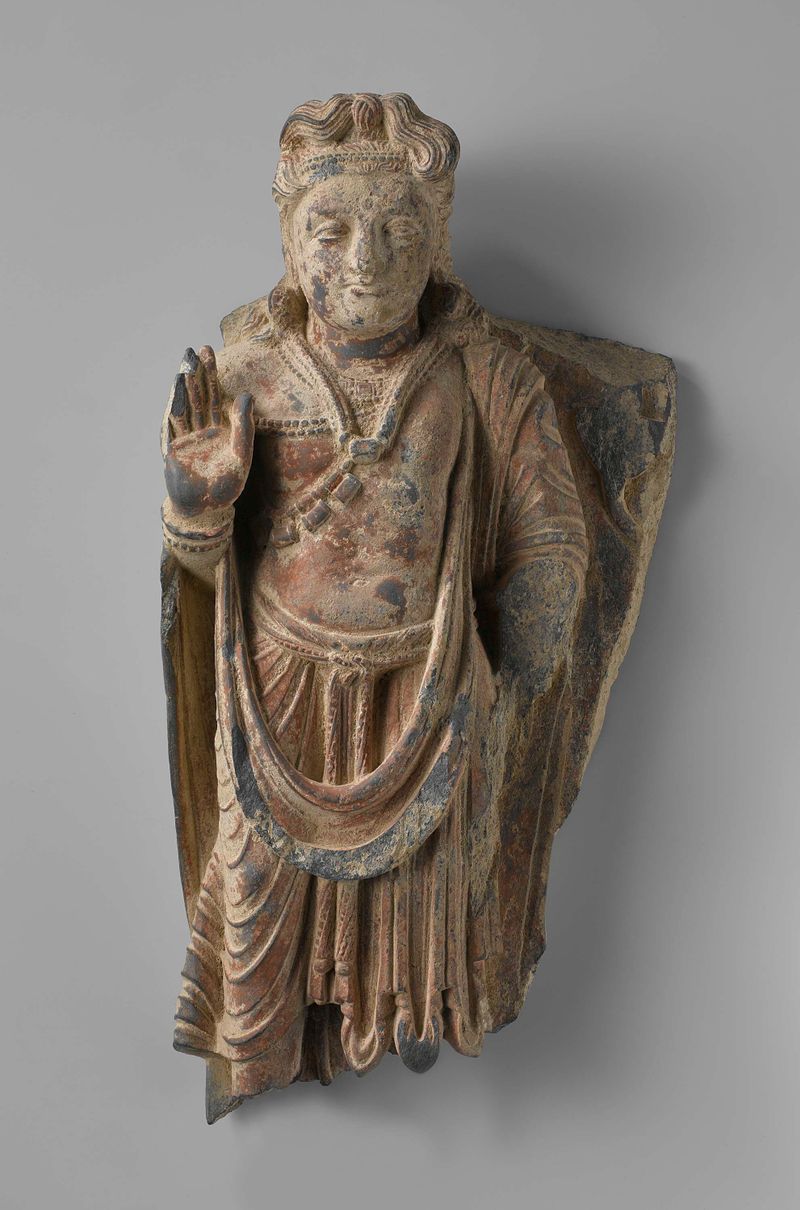
The bodhisattva Maitreya
Unknown Artist
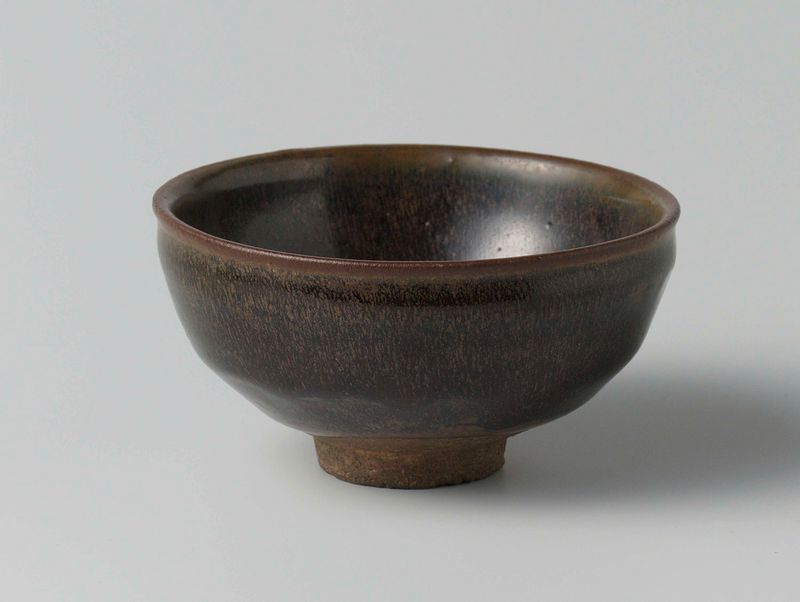
Teabowl with a 'hare's fur' glaze
Unknown Artist