Interior of cloister with a sarcophagus — History & Facts
When did color learn to lie? In the quiet of a cloister, the ethereal interplay of light and shadow unveils a revelation that whispers through time. Look to the left at the grand sarcophagus, its marble surface cool and inviting, reflecting the muted hues of the surrounding architecture. The soft light streams in from the arched windows, casting delicate patterns that dance across the stone floor, guiding your gaze. Notice how the artist employs a palette of subdued earth tones, allowing the rich textures of the cloister to breathe and resonate, creating an atmosphere of contemplative reverie. Yet, beyond its serene beauty lies an emotional tension.
The closed-off space hints at secrets long buried, a juxtaposition between life and death, memory and oblivion. The grandeur of the sarcophagus speaks of a legacy, while the quietude of the setting evokes a sense of isolation, urging the viewer to reflect on their own mortality. Each detail—from the intricate carvings to the subtle play of light—contributes to this complex narrative, inviting a deeper connection to the past. Granet painted this piece during a period of great exploration in the art world, likely in the early 19th century, while engaging with neoclassical ideals.
Living in France, he was surrounded by a burgeoning interest in archaeology and the classical past, which influenced his work and themes. This particular piece reveals his ability to meld observation with emotion, capturing not just a space, but the essence of history and contemplation.
More Artworks by François-Marius Granet
Browse all →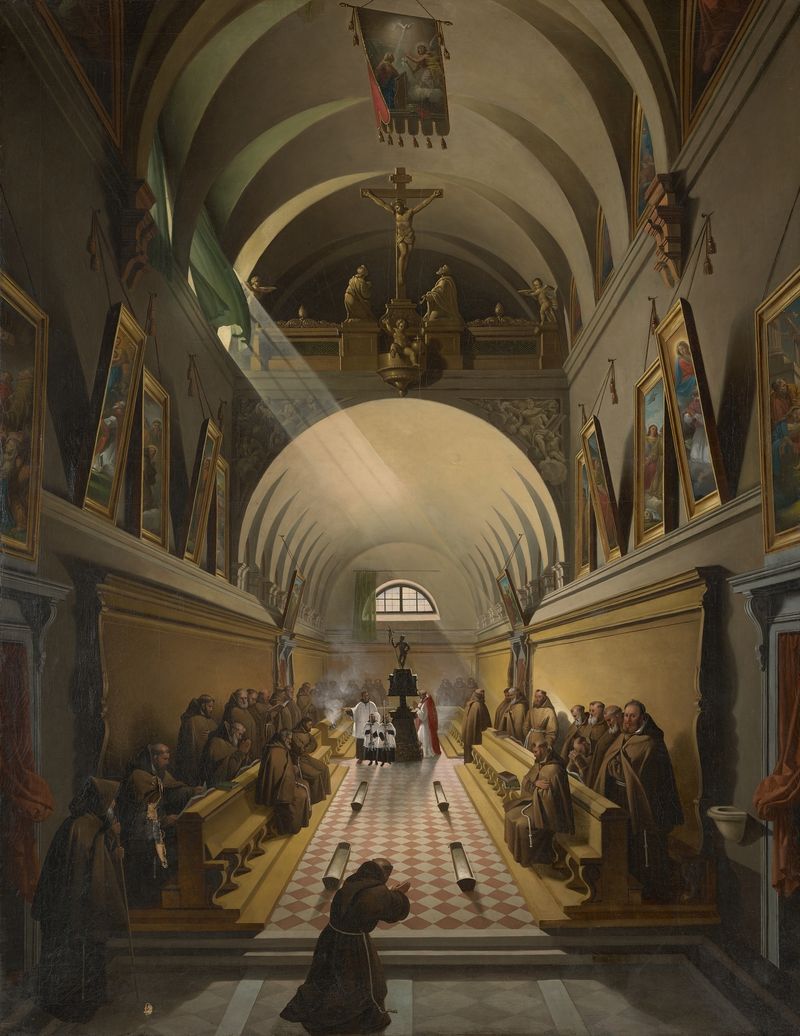
Interior of a Capuchin Convent
François-Marius Granet
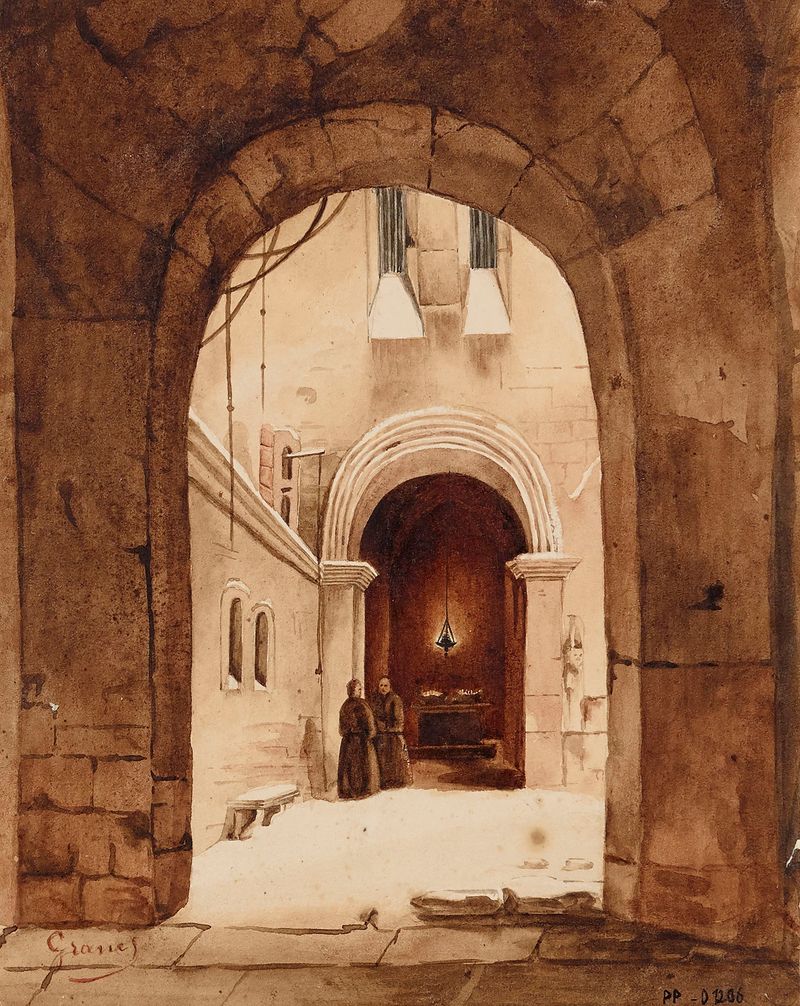
Deux ermites se promenant sous des voûtes
François-Marius Granet
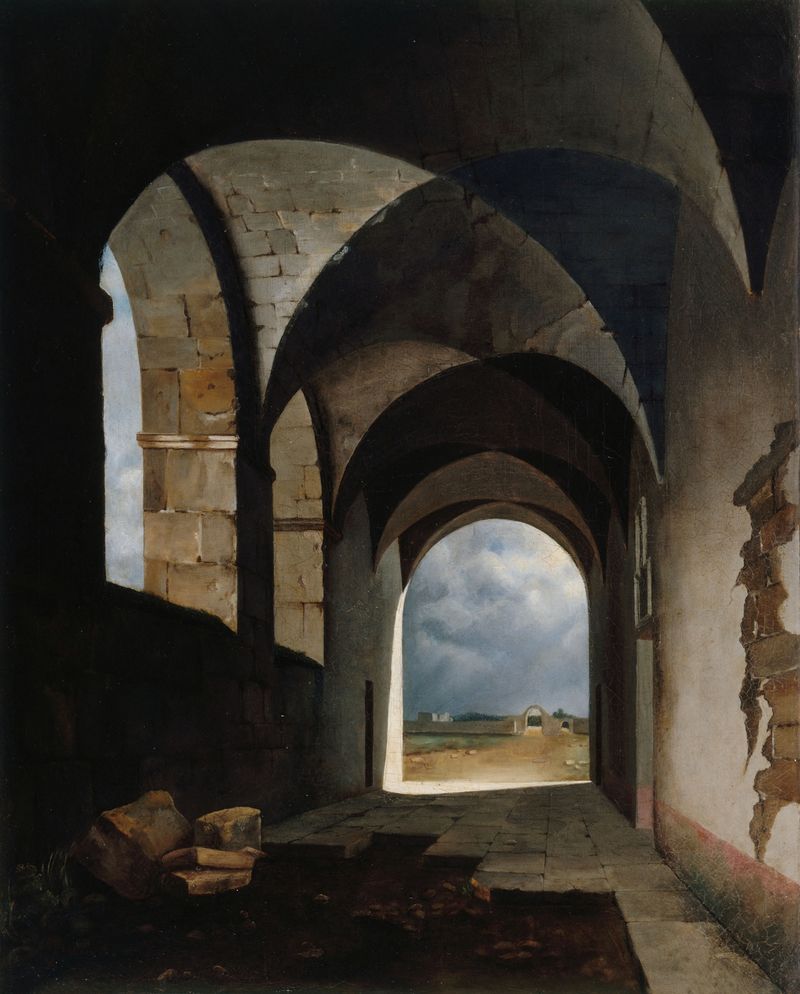
Effet de lumière dans les ruines
François-Marius Granet
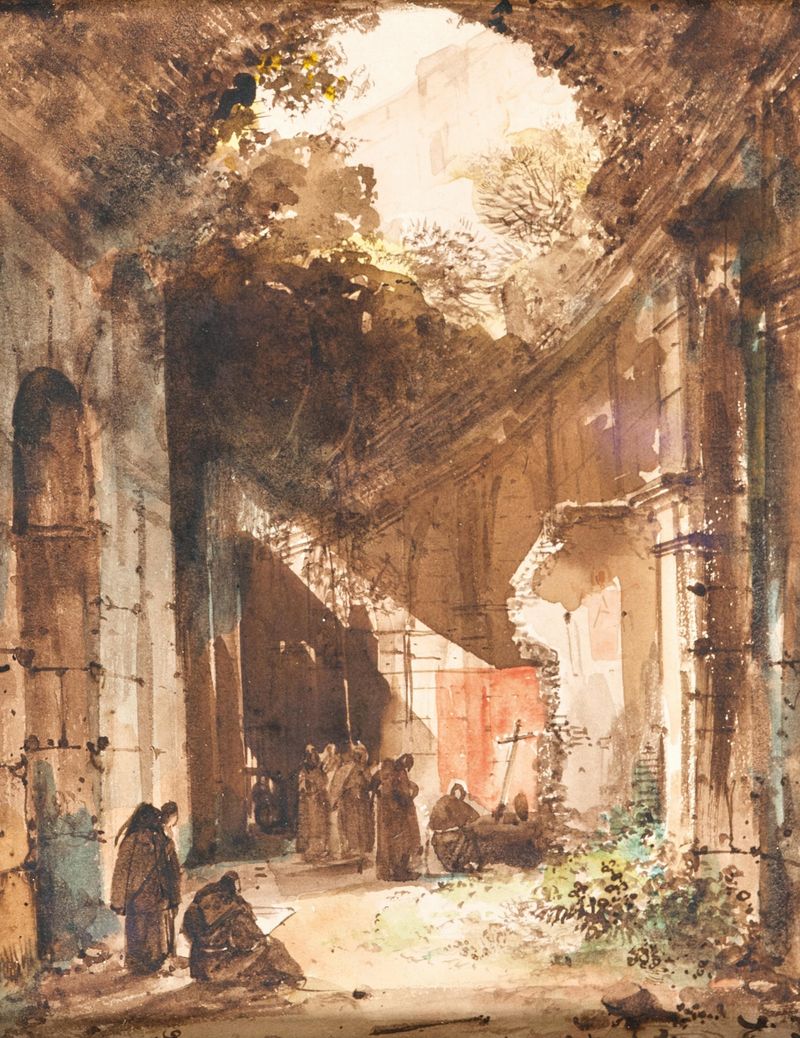
Monks in the Colosseum
François-Marius Granet
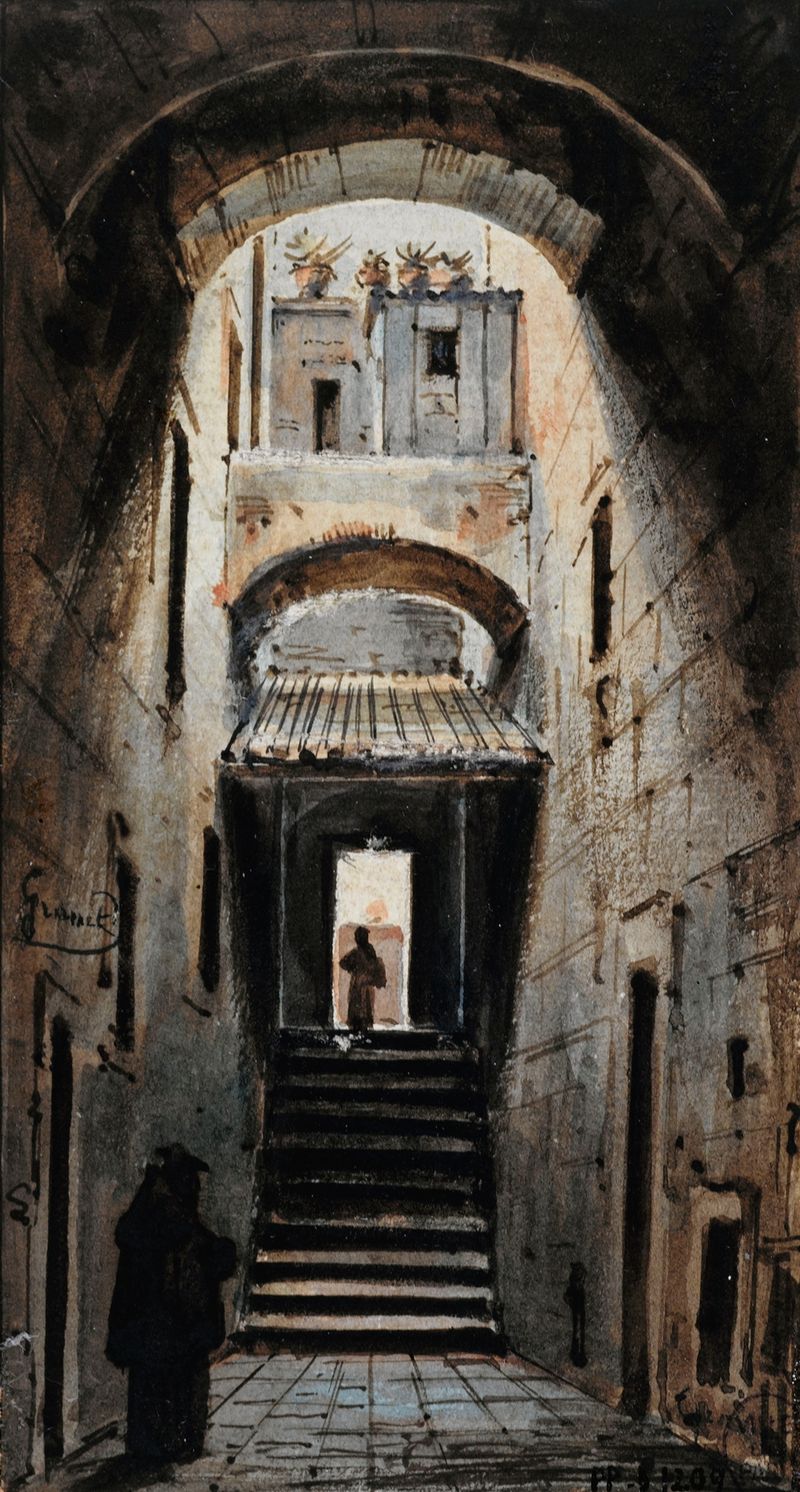
Une rue sous les voûtes
François-Marius Granet
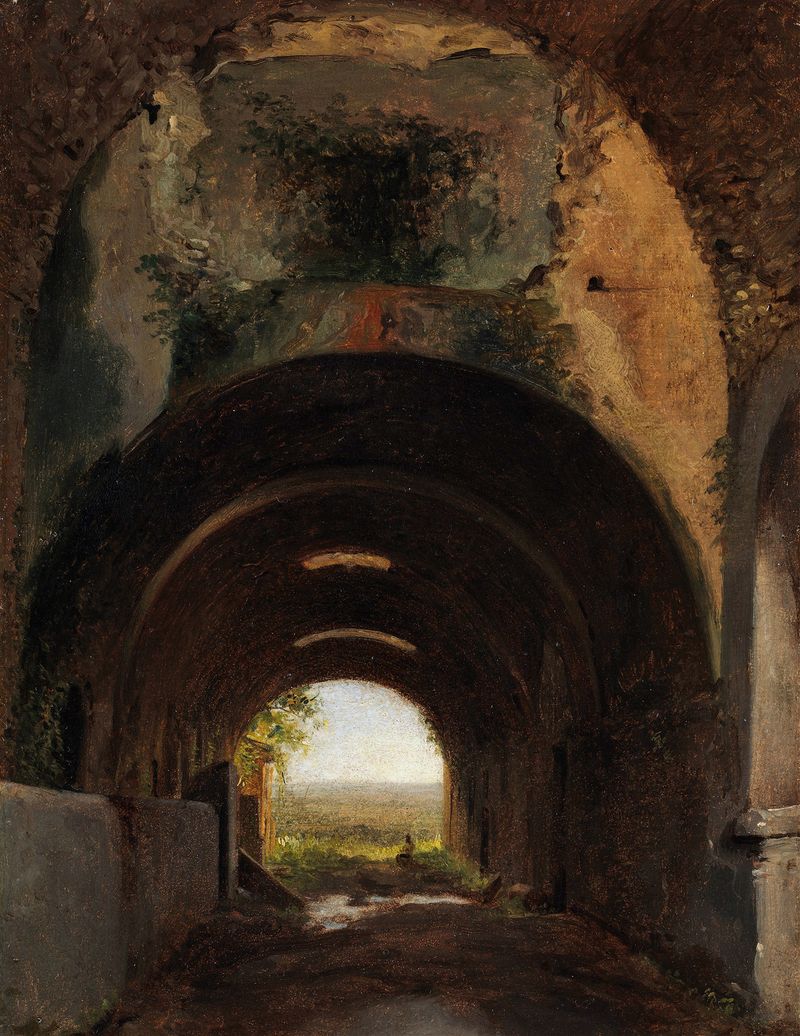
View in the Stables of the Villa of Maecenas, Tivoli
François-Marius Granet
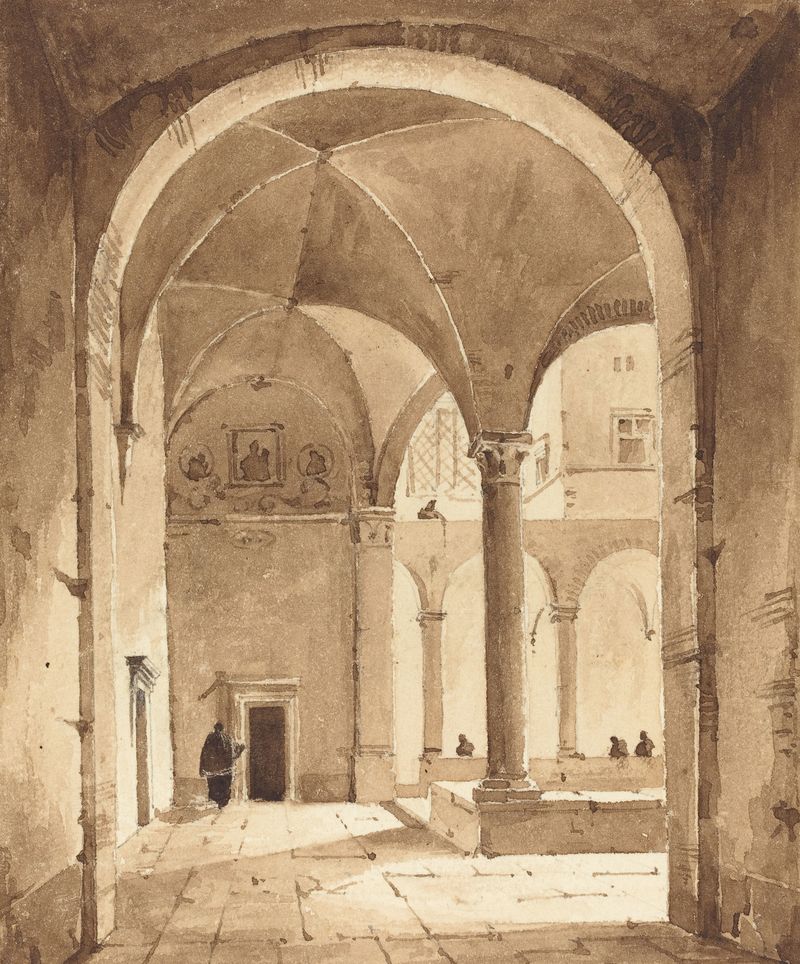
A Cloister
François-Marius Granet
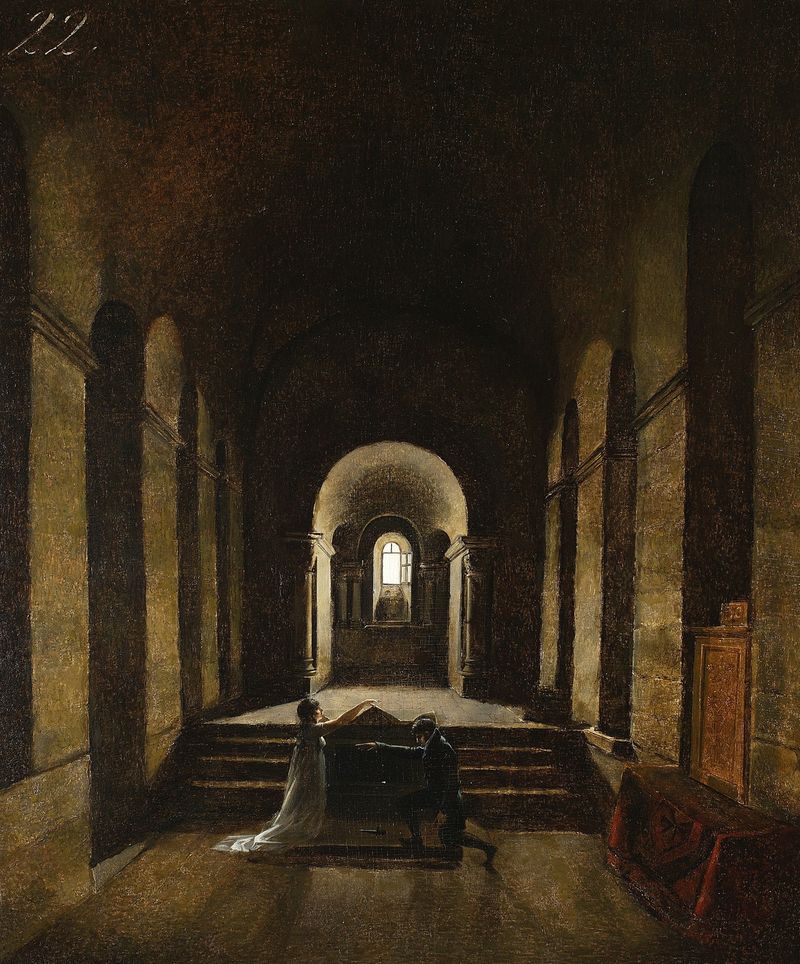
Vow (chapel interior)
François-Marius Granet
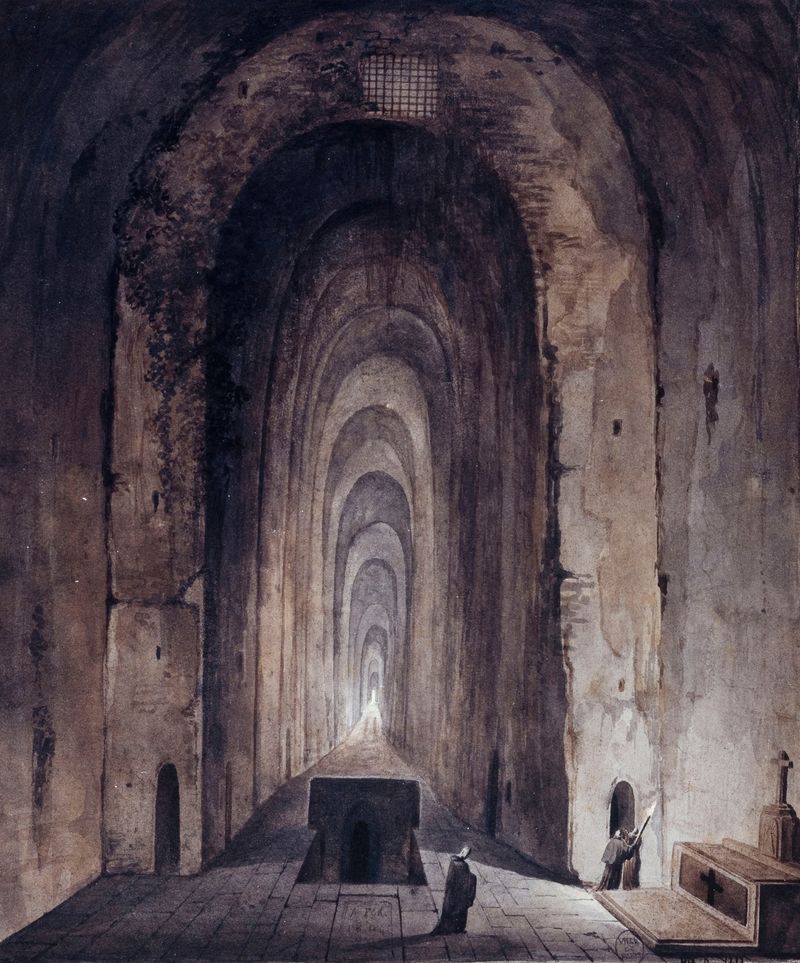
Les Catacombes de Saint-Agnès à Naples
François-Marius Granet
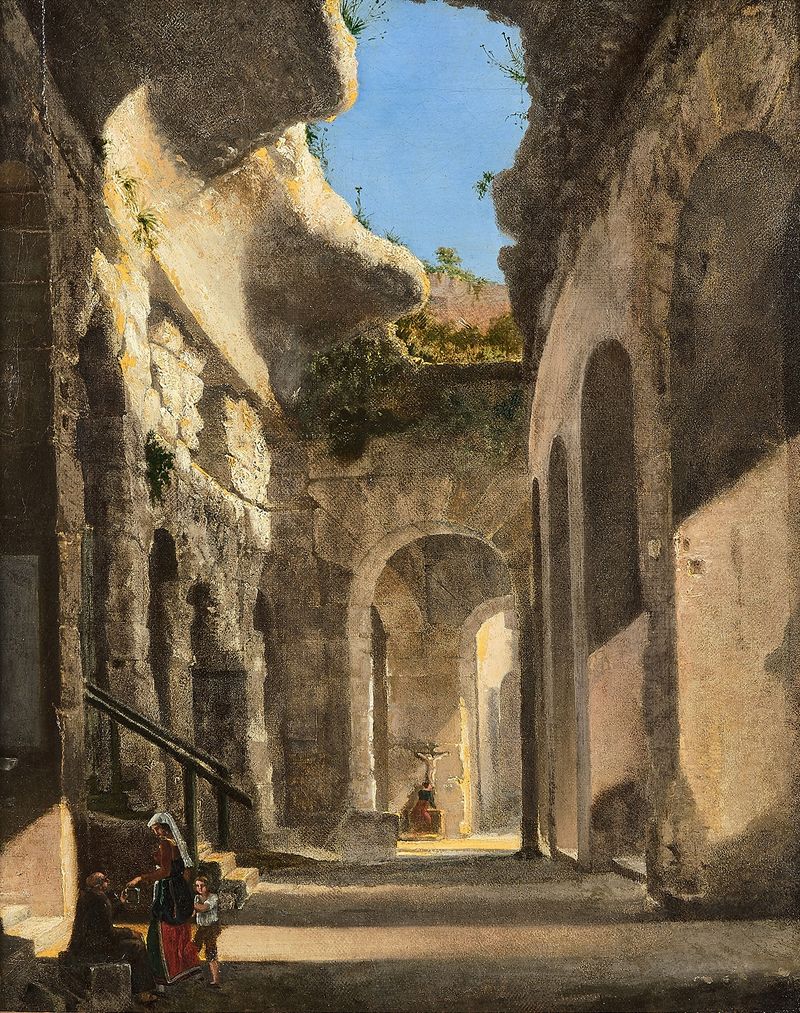
Les ruines du Colisée animées de personnages
François-Marius Granet