
Iphigenia in Tauris — History & Facts
A lone figure stands at the edge of a windswept cliff, her arms raised as if in supplication or farewell, while the vast blue sea stretches endlessly before her. The viewer’s gaze is drawn first to the dramatic meeting of land and water, then to the solitary woman—her posture tense, her white scarf trailing like a signal against the dark rocks. The light pours in from the left, bathing the sea in a cool, restless shimmer, while the right side of the canvas is anchored by a colonnade and a flicker of firelight, half-hidden among the trees.
Every element in Iphigenia in Tauris by Apollinari Mikhailovich Vasnetsov seems to hold its breath, as if the landscape itself is caught between hope and resignation. Painted sometime between 1887 and 1924, this work belongs to a world where myth and memory often shared the stage. Russian artists of the late nineteenth and early twentieth centuries were drawn to ancient stories, reimagining them for audiences hungry for both national identity and universal themes. The painting’s measured grandeur and atmospheric palette reflect the era’s fascination with psychological drama and the natural world’s power to mirror inner turmoil.
Though little is recorded about the specific history of this canvas, it survives today in a Russian collection, a testament to the enduring pull of mythic landscapes—and to the way a single figure, poised at the edge of the world, can still command our attention.
More Artworks by Apollinari Mikhailovich Vasnetsov

Landscape With Lake
Apollinari Mikhailovich Vasnetsov
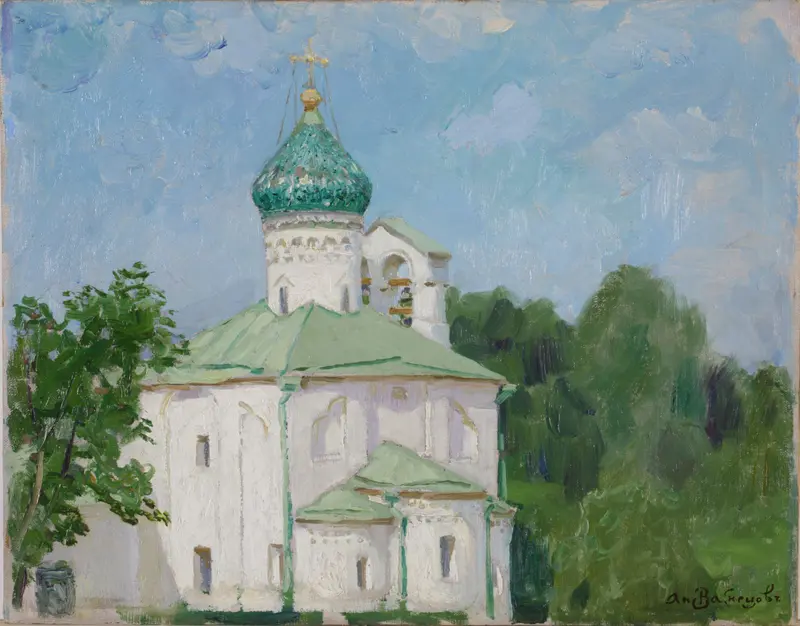
Sergius Luzhki
Apollinari Mikhailovich Vasnetsov
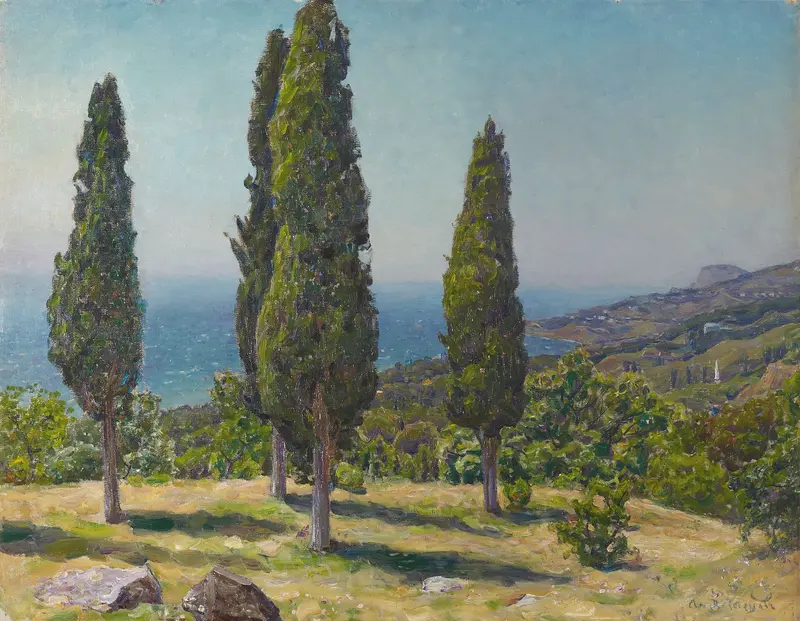
cypresses. Crimea
Apollinari Mikhailovich Vasnetsov
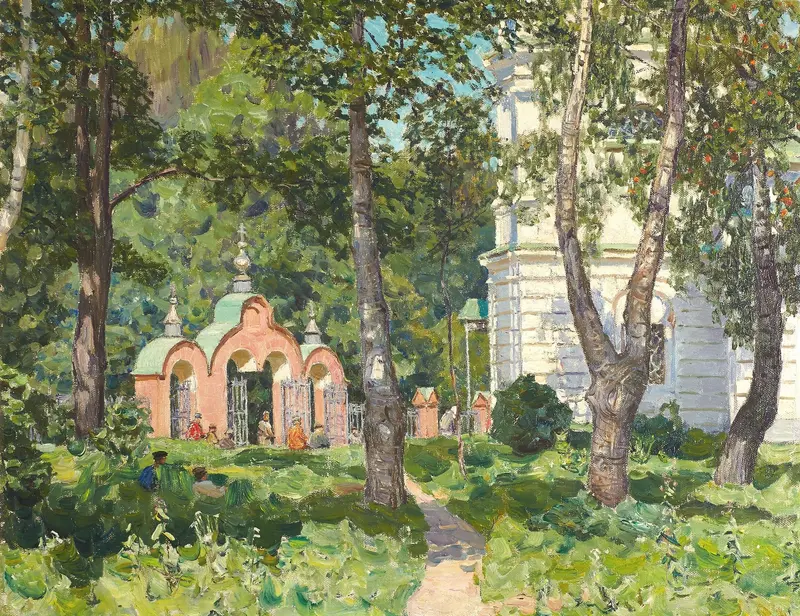
Demyanovo. At the churchyard
Apollinari Mikhailovich Vasnetsov
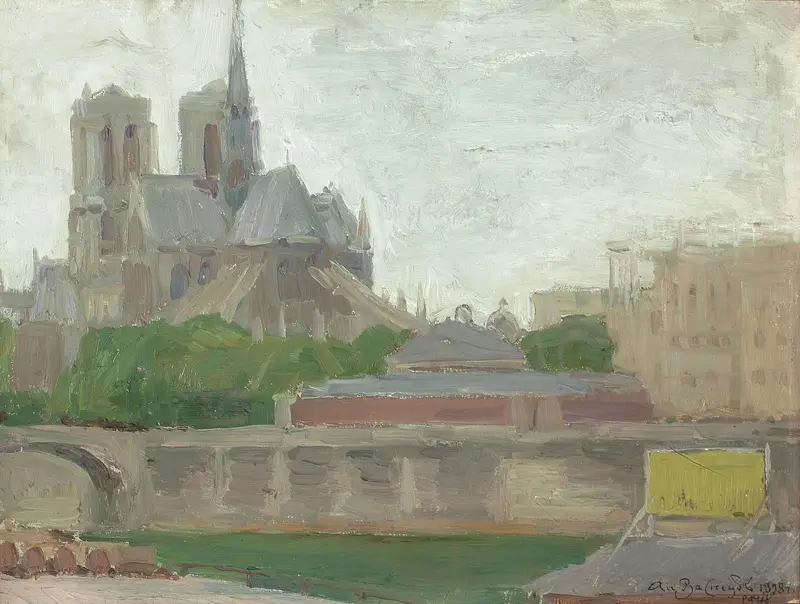
Notre Dame de Paris
Apollinari Mikhailovich Vasnetsov
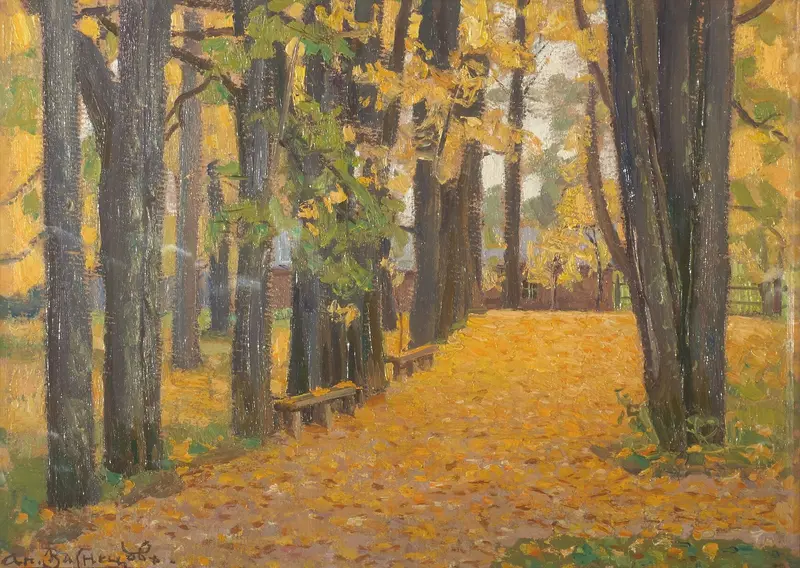
Autumn park
Apollinari Mikhailovich Vasnetsov
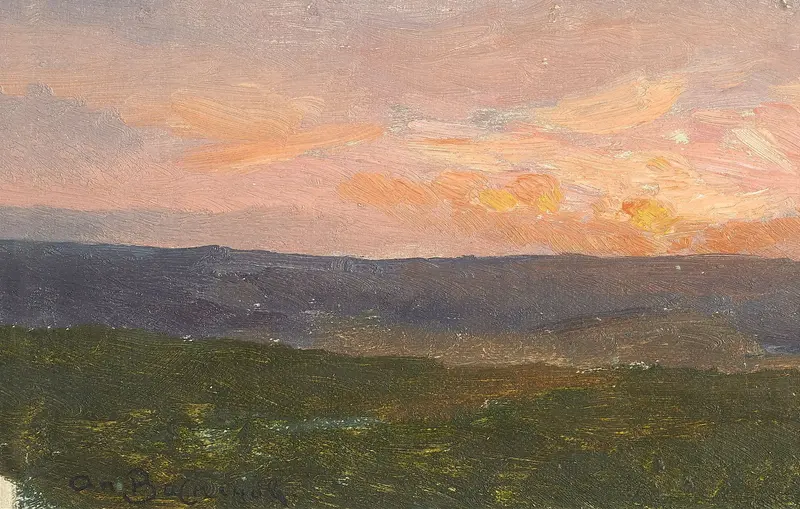
Sunset. Shurma
Apollinari Mikhailovich Vasnetsov

Via delle Tombe Pompeii
Apollinari Mikhailovich Vasnetsov
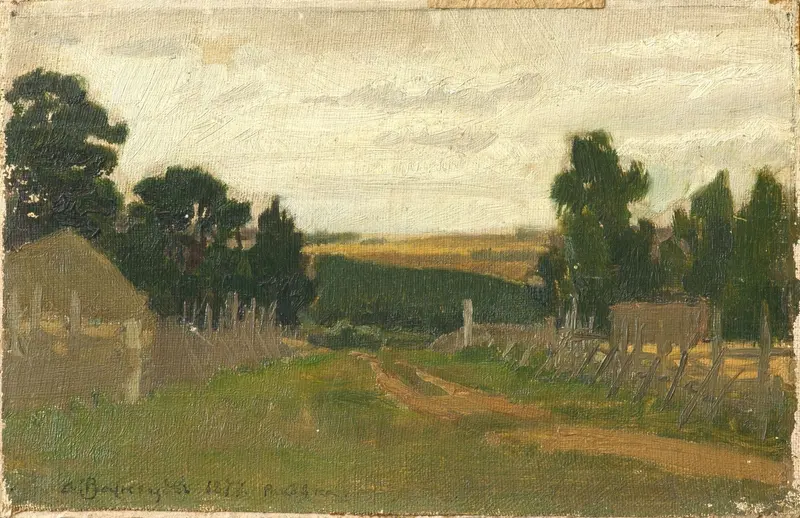
Rakovka
Apollinari Mikhailovich Vasnetsov
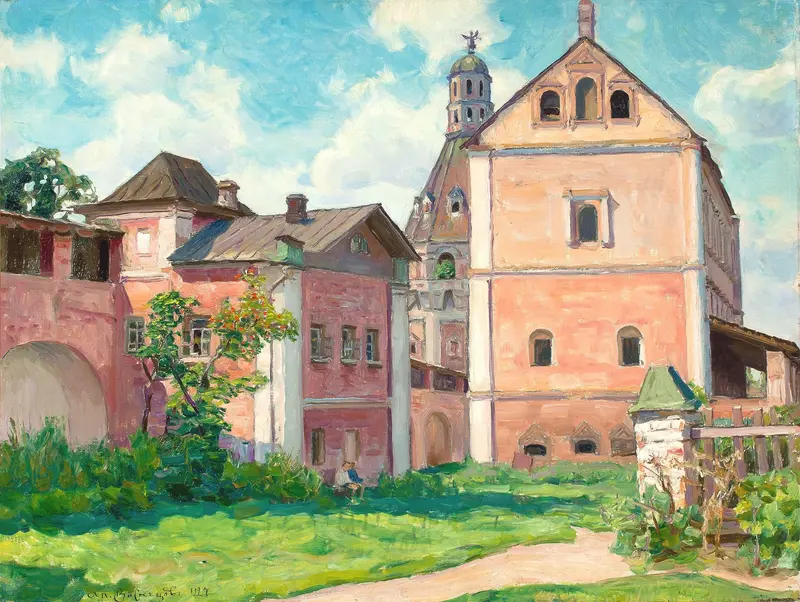
Simonov tower
Apollinari Mikhailovich Vasnetsov





