
Isabella,Viscountess Molyneux, later Countess of Sefton — History & Facts
What first catches the eye in this portrait is the extraordinary shimmer of the sitter’s gown—a cascade of silver and white that seems to catch every stray glimmer of light in the room. The artist, Thomas Gainsborough, has set his subject against a stormy, restless landscape, but it is the play of fabric and flesh that commands attention. Her left hand gathers the dark lace shawl, while the other rests lightly at her waist, suggesting both poise and a subtle readiness to move.
The light falls directly on her face and chest, drawing the viewer’s gaze upward from the elaborate folds of her dress to the calm, self-possessed expression she wears. The palette is rich but never garish, with the muted earth tones of the background making the silvery dress all the more luminous. Painted in 1769, this work belongs to a world on the cusp of revolution—social, artistic, and political. Portraits of this kind were the currency of status among the British elite, commissioned to secure both memory and reputation for generations to come.
In the late eighteenth century, artists like Gainsborough were celebrated for their ability to flatter and individualize, capturing not just a likeness but a sense of presence and rank. The sitter’s towering coiffure, her pearls, and the sumptuousness of her attire all speak to the aspirations and anxieties of her class. History has kept few traces of the everyday world behind such images, but the painting itself stands as a testament to the ambitions and artistry of its era—inviting us to look again at every gleam and gesture.
More Artworks by Thomas Gainsborough
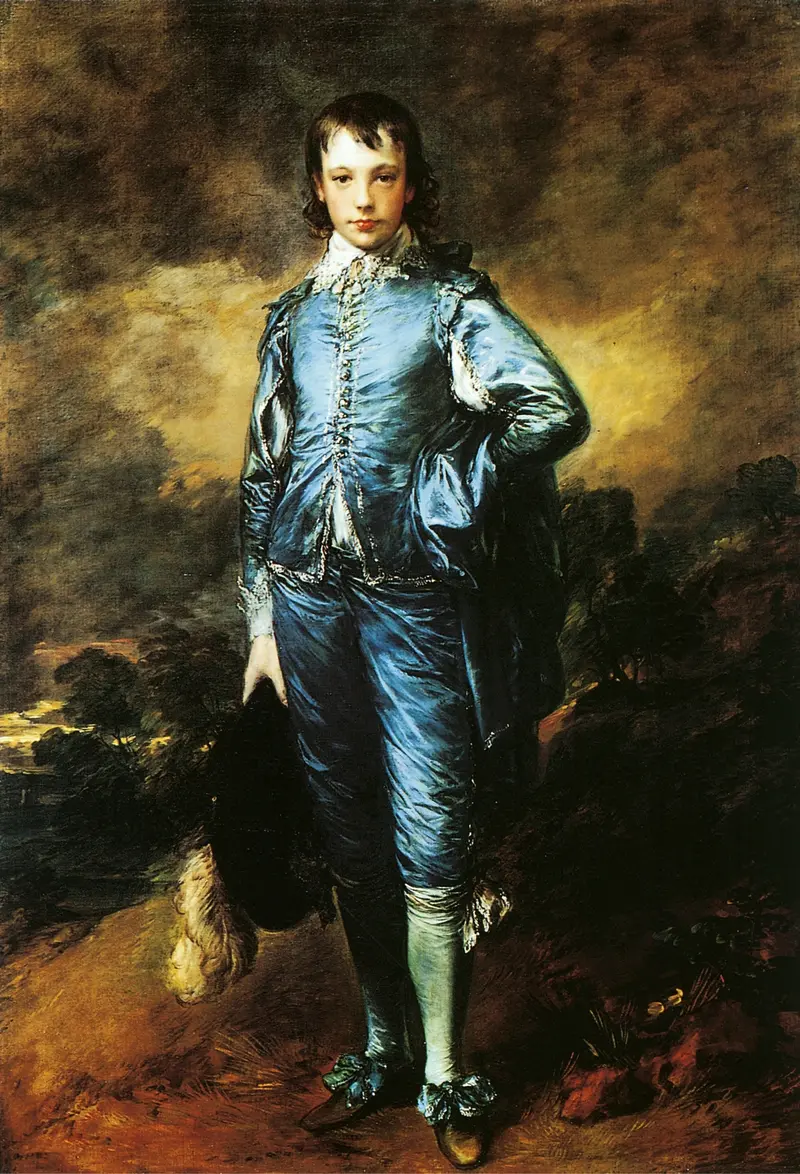
The Blue Boy
Thomas Gainsborough
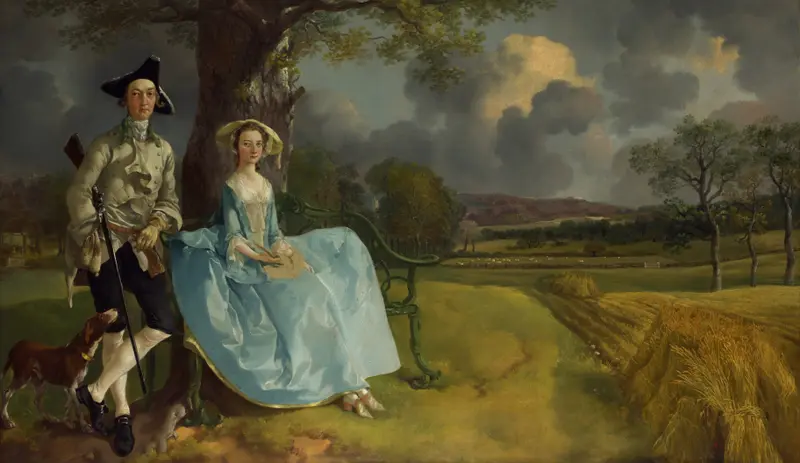
Mr and Mrs Andrews
Thomas Gainsborough

Wooded Landscape with Figures
Thomas Gainsborough

Sir Benjamin Thompson, later Count Rumford (1753-1814)
Thomas Gainsborough
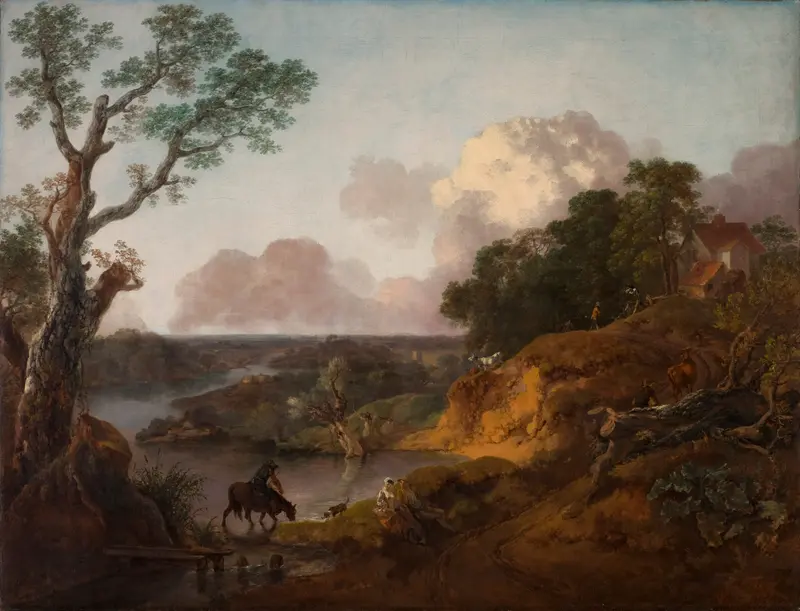
View in Suffolk
Thomas Gainsborough
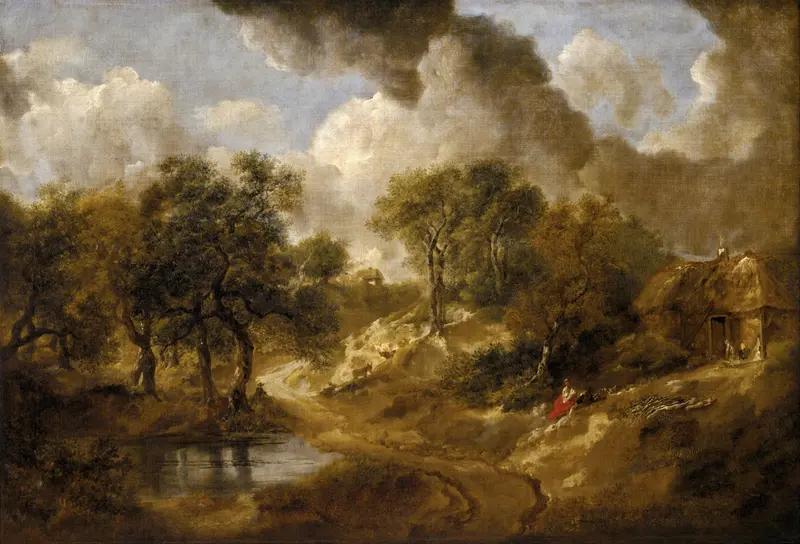
Landscape in Suffolk
Thomas Gainsborough
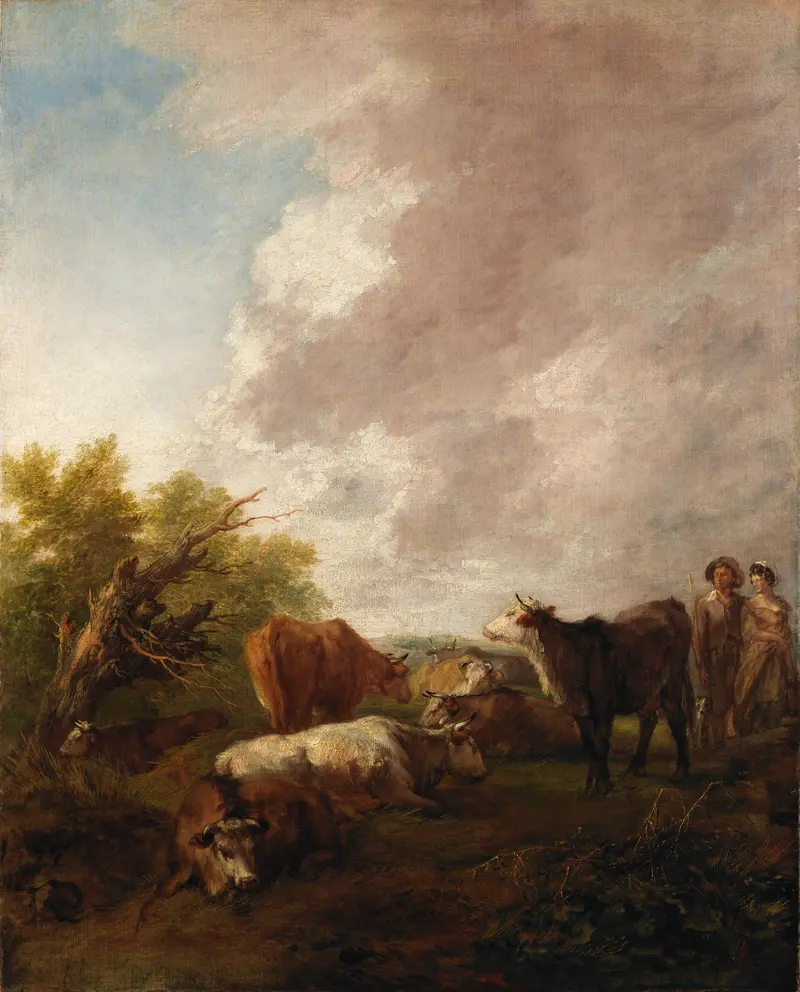
Landscape with Cattle
Thomas Gainsborough
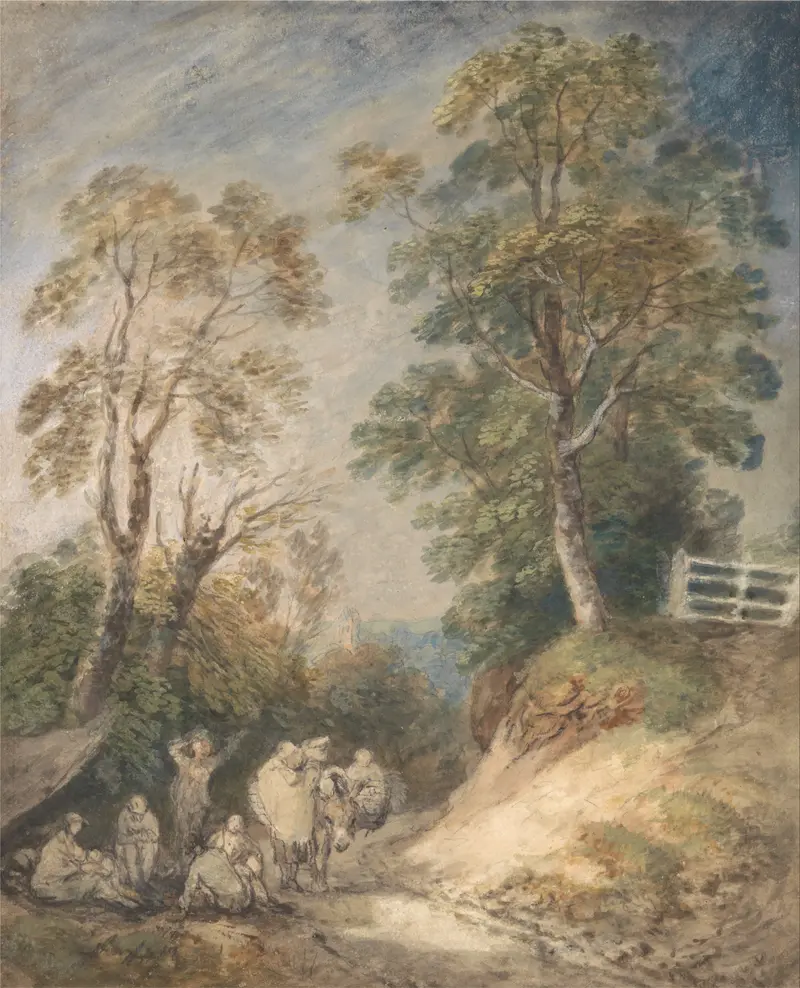
Country Lane with Gypsies Resting
Thomas Gainsborough
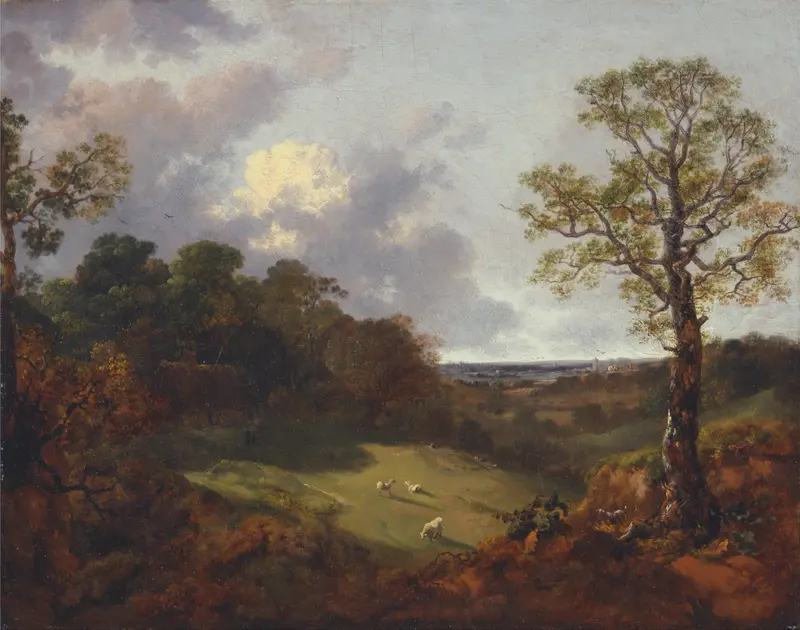
Wooded Landscape with a Cottage and Shepherd
Thomas Gainsborough
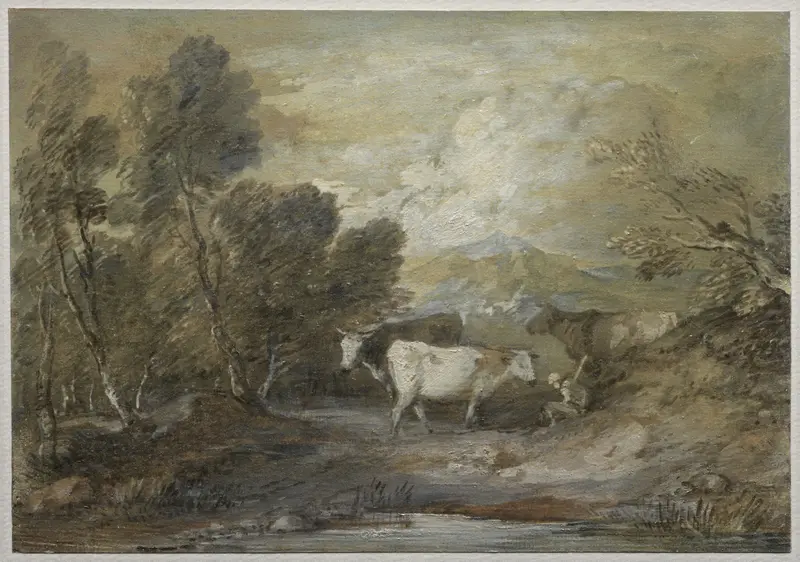
A Herdsman with Three Cows by an Upland Pool
Thomas Gainsborough





