
Island of Stromboli — History & Facts
In the stillness of the painted world, betrayal lingers in the air, whispering secrets through the strokes of the brush. The essence of longing and disappointment colors the heart of every observer, drawing them into an intimate dance with the landscape. Look to the left at the vivid orange and yellow hues of the fiery volcano, which spills down to the tranquil waters below. Notice how the light struggles to break through the dark clouds looming overhead, casting a somber shadow on the island.
The juxtaposition of the vibrant, active volcano against the serene sea creates a palpable tension, reflecting the emotional discord that often surfaces in relationships marked by betrayal. Delve deeper into the details: the small figures on the shore appear as silhouettes against the dramatic backdrop, embodying the fragility of human connections. Their position near the water’s edge suggests both allure and danger, as if they are caught between the beauty of the island and the threat of the impending eruption. The tumultuous energy of nature mirrors the inner conflicts of loyalty and trust, creating a haunting reminder that paradise can quickly turn perilous. In 1810, Luigi Mayer painted this work during a time of great change in the art world, as Romanticism began to flourish across Europe.
Living in England and drawing inspiration from his travels, he encapsulated the fascination with nature and the sublime that defined this period. The mingling of beauty and chaos in Island of Stromboli reflects both his personal experiences and the broader emotions of a society grappling with its own betrayals and transformations.
More Artworks by Luigi Mayer
Browse all →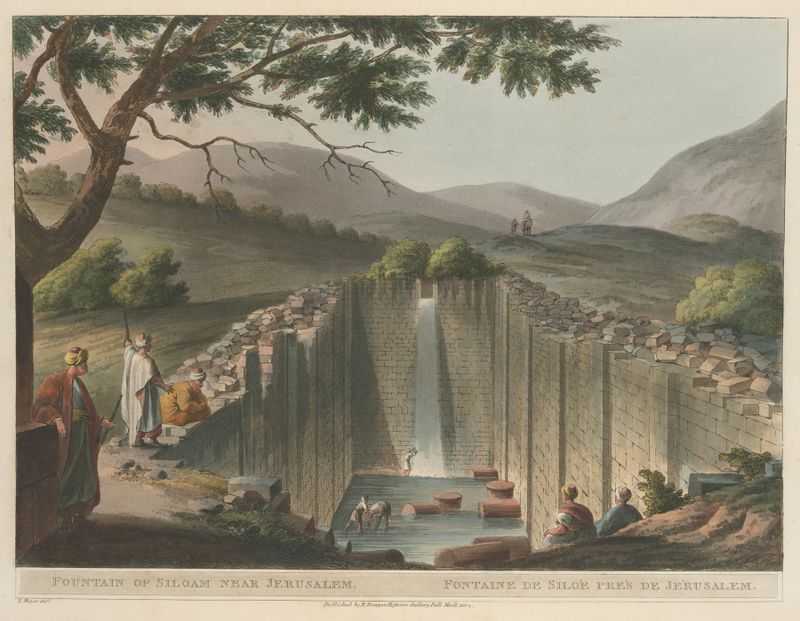
Fountain of Siloam Near Jerusalem
Luigi Mayer

View of the Dardanelles
Luigi Mayer
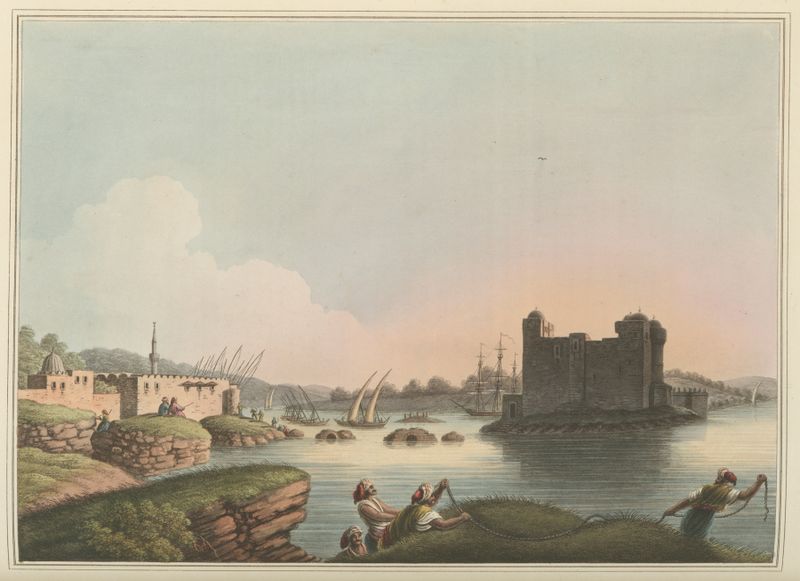
Port of Latachia
Luigi Mayer

Stadium at Ephesus
Luigi Mayer

Ancient Temples at Agrigentum
Luigi Mayer
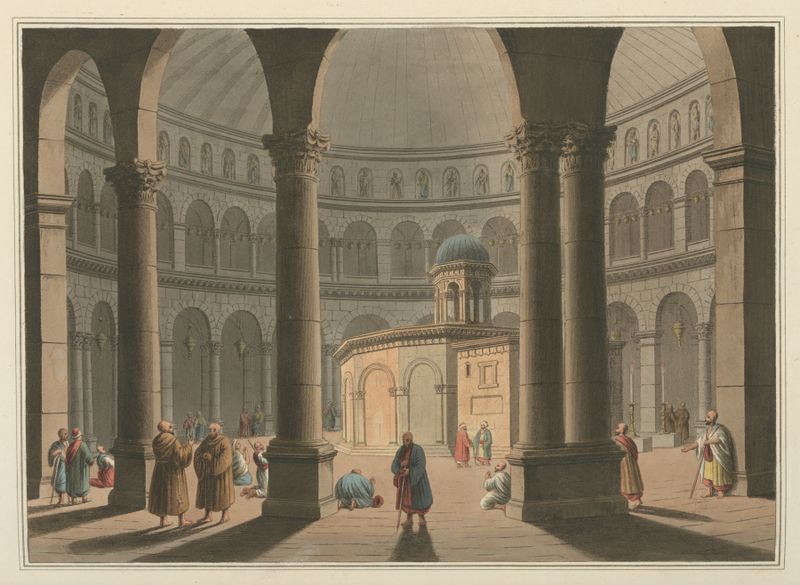
Church of the Holy Sepulchre
Luigi Mayer
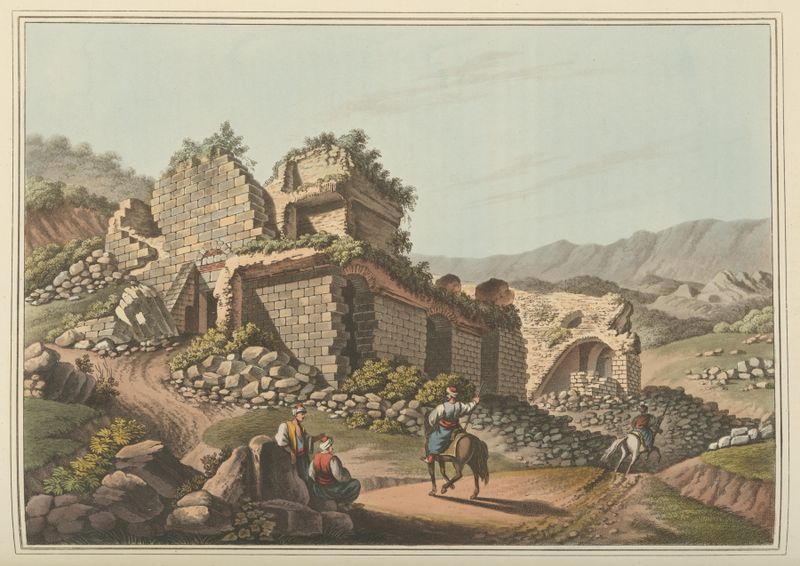
Theatre at Ephesus
Luigi Mayer
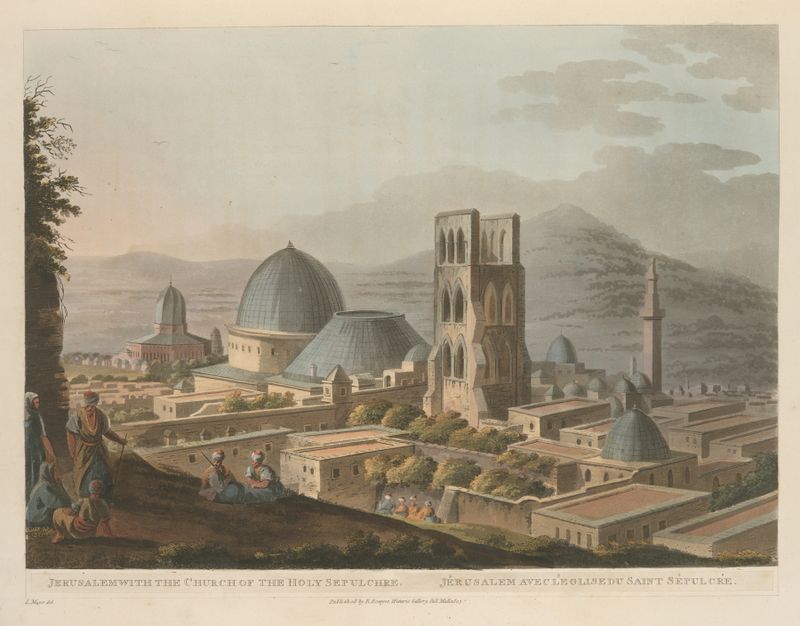
Jerusalem with the Church of the Holy Sepulchre
Luigi Mayer
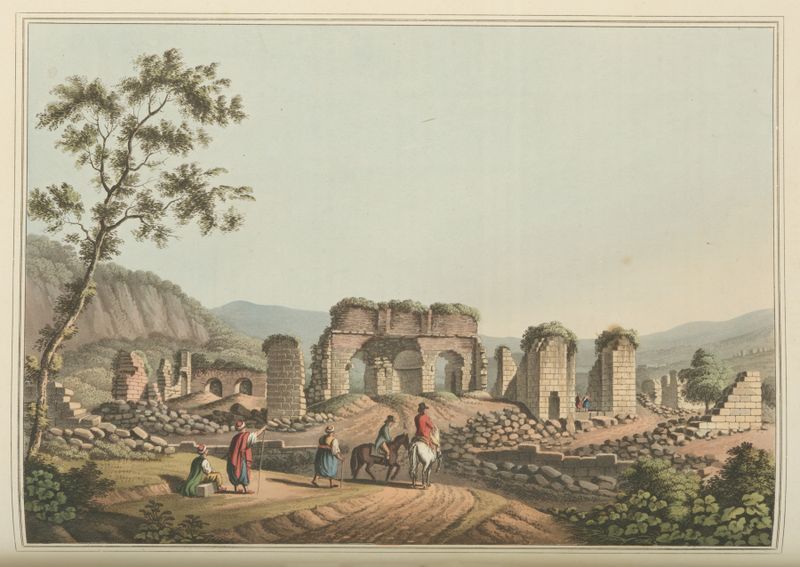
Ruins of the Temple of Diana at Ephesus
Luigi Mayer

Crater in the Island of Volcano
Luigi Mayer





