
Islands; Evening — History & Facts
Did the painter know this moment would outlive them? The serenity captured in this tranquil twilight whispers of eternity, inviting viewers into a world where time stands still. Focus your gaze on the horizon, where soft pastels of lavender and ochre blend seamlessly, enveloping the water in a silken embrace. Notice how the delicate brushstrokes create ripples that dance across the surface, subtly reflecting the fading light. The composition draws you in, guiding your eye across the horizon line, where islands emerge like dreams half-remembered, their silhouettes soft and inviting against the evening sky. Within this quiet scene lies a profound tension between the ethereal beauty of nature and the transience of human existence.
The islands, seemingly untouched, evoke a sense of peace, yet their isolation hints at solitude and longing. Each element, from the whisper of the wind to the stillness of the water, resonates with a silent conversation — one that contemplates the passage of time and the fleeting nature of moments we hold dear. In the late 1870s, the artist painted this piece amid a burgeoning interest in Japanese aesthetics and a shift towards more personal, emotional expressions in art. Living in London during a period of artistic experimentation and growth, he found in this serene evening scene a reflection of both his inner world and the broader currents of change in the art community.
Islands; Evening stands as a testament to Whistler's mastery of light and atmosphere, encapsulating a moment that transcends time.
More Artworks by James Abbott McNeill Whistler
Browse all →
Nocturne in Blue and Silver
James Abbott McNeill Whistler
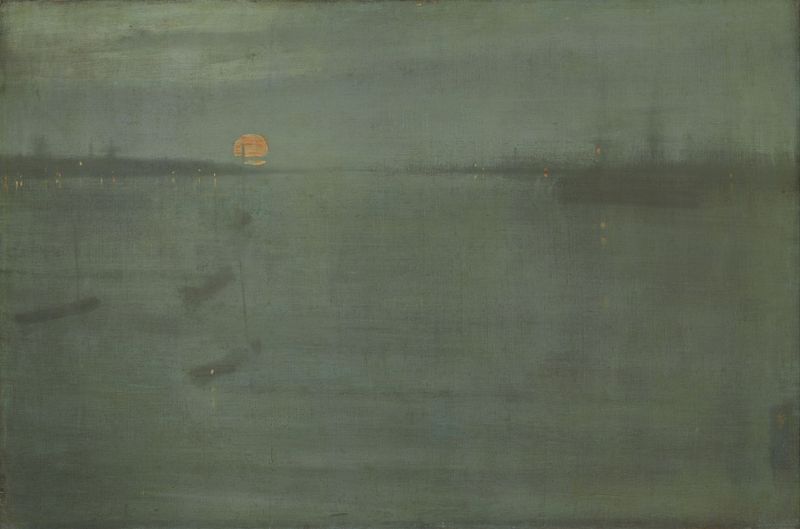
Nocturne: Blue and Gold–Southampton Water
James Abbott McNeill Whistler
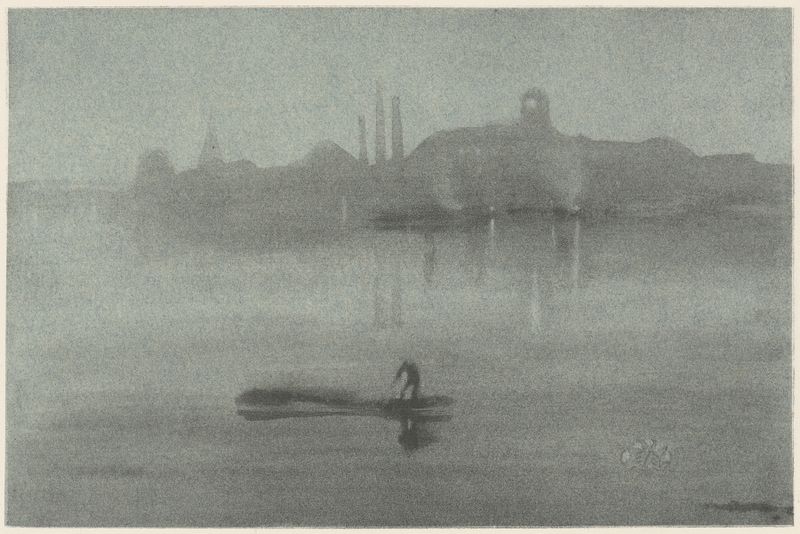
Nocturne
James Abbott McNeill Whistler
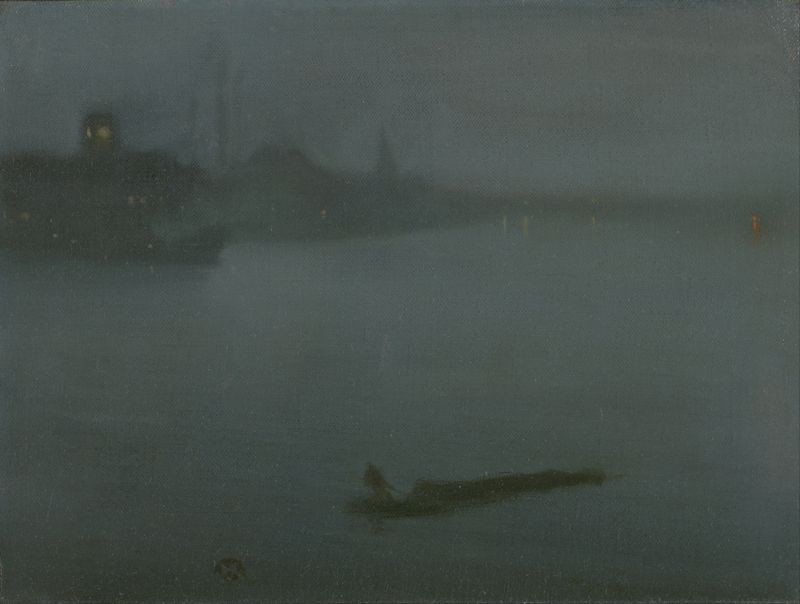
Nocturne in Blue and Silver
James Abbott McNeill Whistler
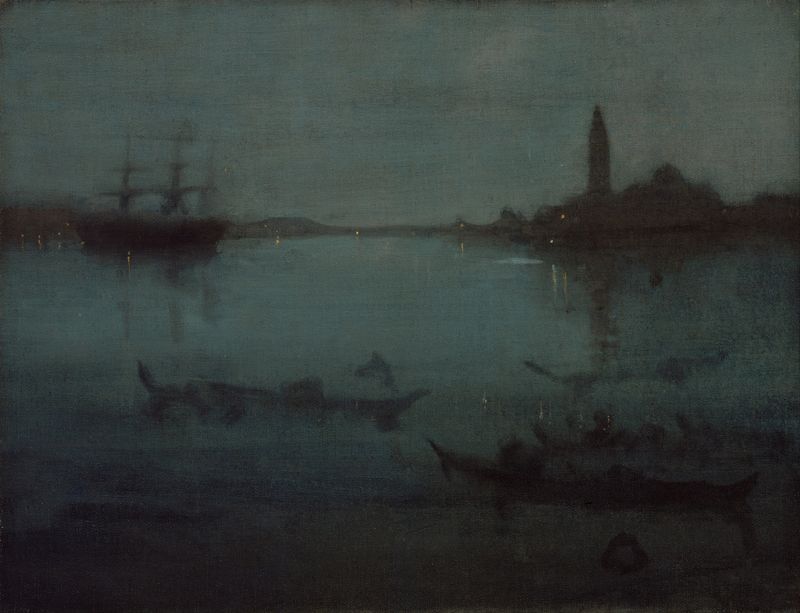
Nocturne in Blue and Silver- The Lagoon, Venice
James Abbott McNeill Whistler
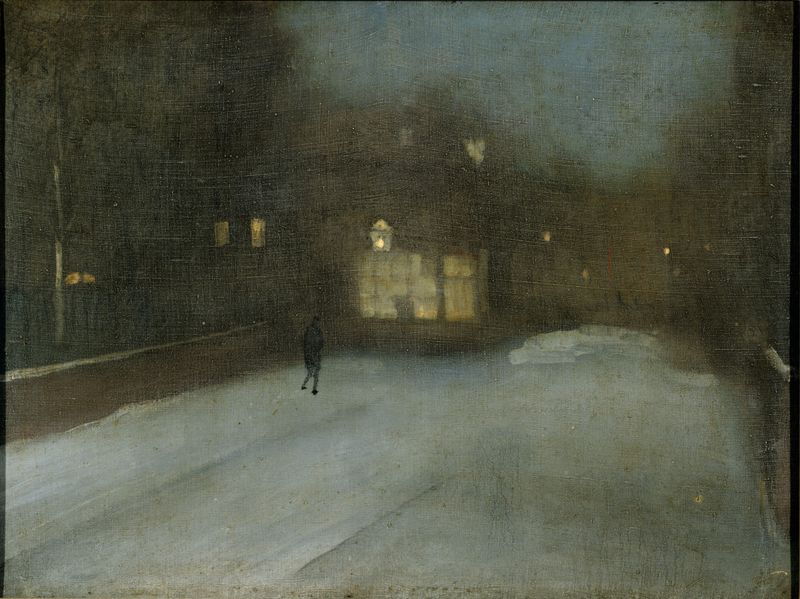
Nocturne in Grey and Gold: Chelsea Snow
James Abbott McNeill Whistler
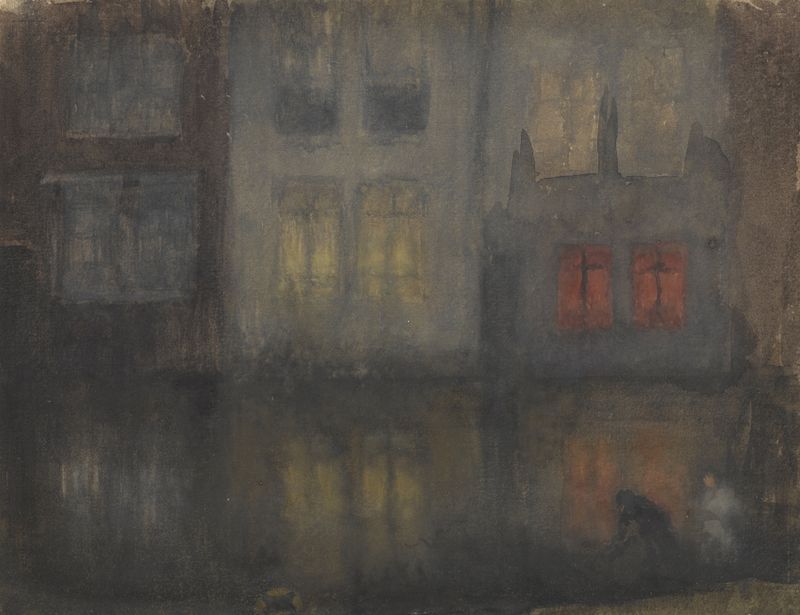
Nocturne: Black and Red—Back Canal, Holland
James Abbott McNeill Whistler
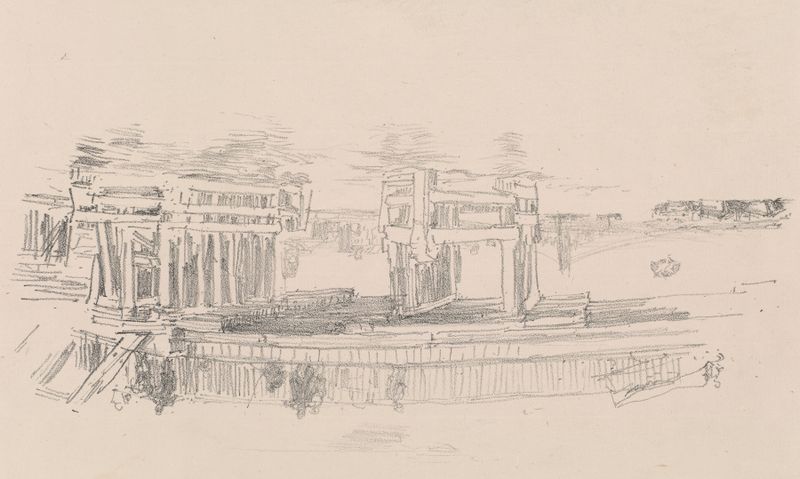
Old Battersea Bridge
James Abbott McNeill Whistler

Nocturne: Blue and Silver–Battersea Reach
James Abbott McNeill Whistler
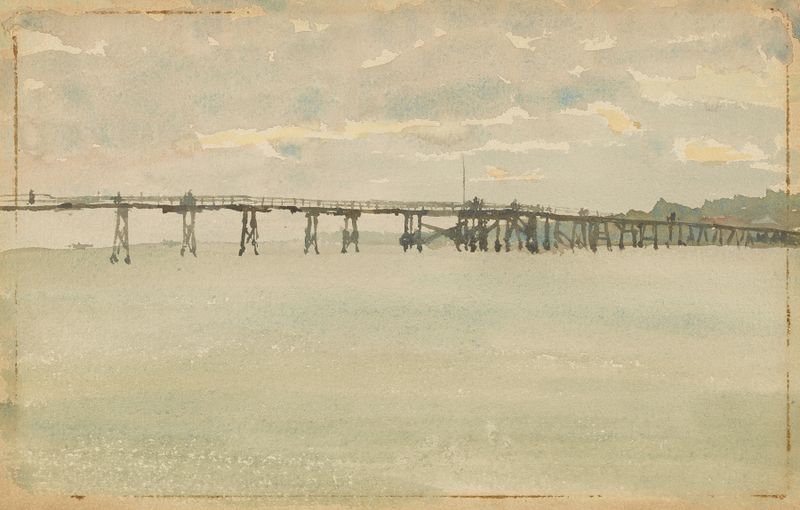
Grey and Silver–Pier, Southend
James Abbott McNeill Whistler




