
Italian Landscape — History & Facts
When did color learn to lie? In the realm of Italian Landscape, truth dances between the hues, whispering stories of nature’s grandeur and human emotion. Look to the left at the vibrant greens of the rolling hills, rich with the life of the Italian countryside. Notice how the warm sunlight bathes the landscape in a golden glow, casting shadows that stretch languidly across the terrain. The composition draws the eye down a winding path, inviting you to journey deeper into the scene, while the rich blues of the distant mountains stand in stark contrast to the lively foreground.
Each stroke reveals the artist's meticulous approach to capturing both form and light, illuminating the very essence of the Italian landscape. Within this serene vista lies a tension between nature and humanity, the sublime and the ordinary. The small figures in the foreground, mere silhouettes against the expansive backdrop, evoke a sense of insignificance amidst the bountiful beauty of the world. Yet, their presence reminds us of the delicate balance between man and nature, hinting at the stories that unfold in the quiet spaces of life.
The sky, awash with soft, ethereal clouds, conveys a fleeting moment of tranquility that belies the turmoil of the era. In 1848, when Italian Landscape was painted, Jasper Francis Cropsey was establishing himself as a prominent figure in American landscape painting. Living in a time of artistic exploration and burgeoning Romanticism, he sought to capture the emotional resonance of nature with vibrant color and dramatic composition. This period marked a shift in art toward a deeper appreciation of the natural world, as well as a quest for personal expression, laying the groundwork for future generations of artists.
More Artworks by Jasper Francis Cropsey
Browse all →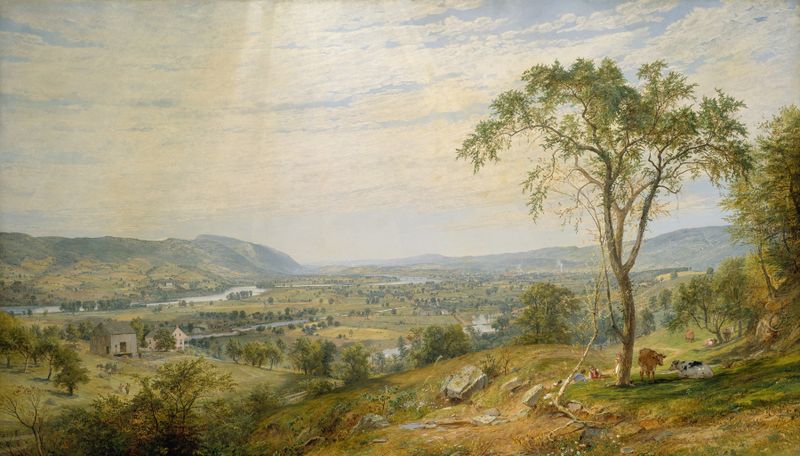
The Valley of Wyoming
Jasper Francis Cropsey
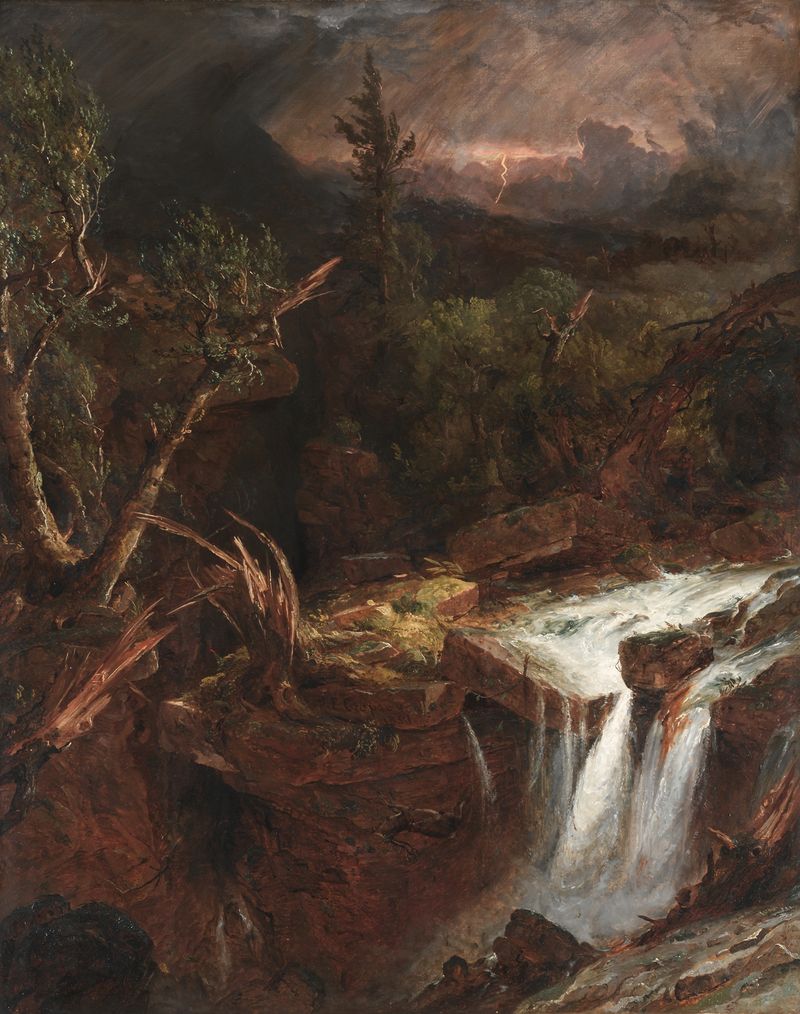
The Clove – A Storm Scene in the Catskill Mountains
Jasper Francis Cropsey
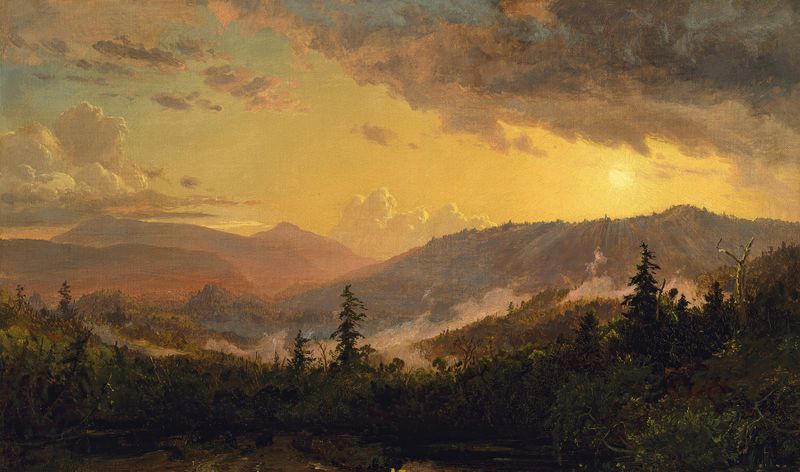
Sunset after a Storm in the Catskill Mountains
Jasper Francis Cropsey
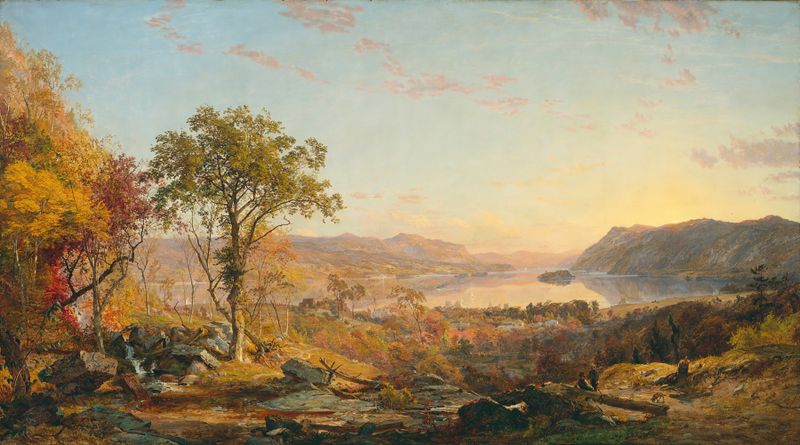
Indian Summer
Jasper Francis Cropsey

Autumn On The River
Jasper Francis Cropsey
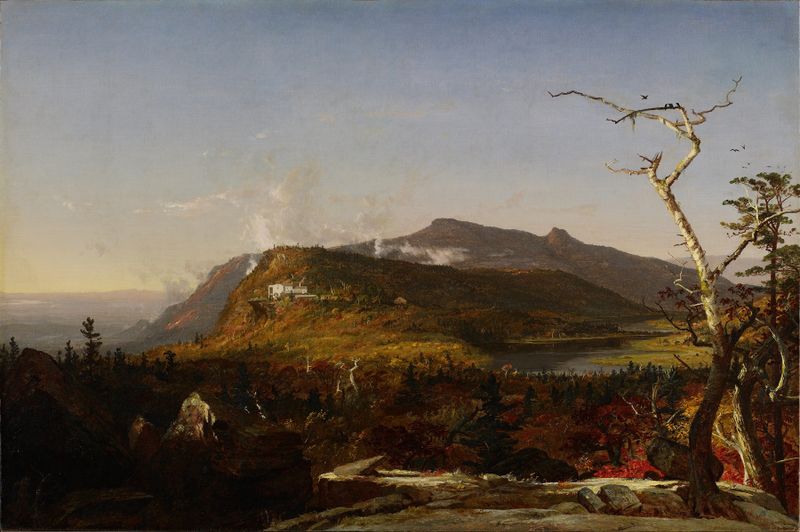
Catskill Mountain House
Jasper Francis Cropsey
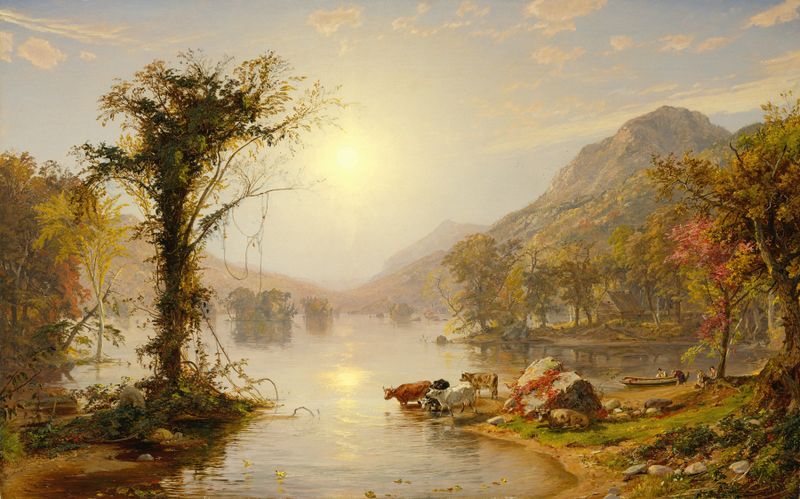
Autumn on Greenwood Lake
Jasper Francis Cropsey
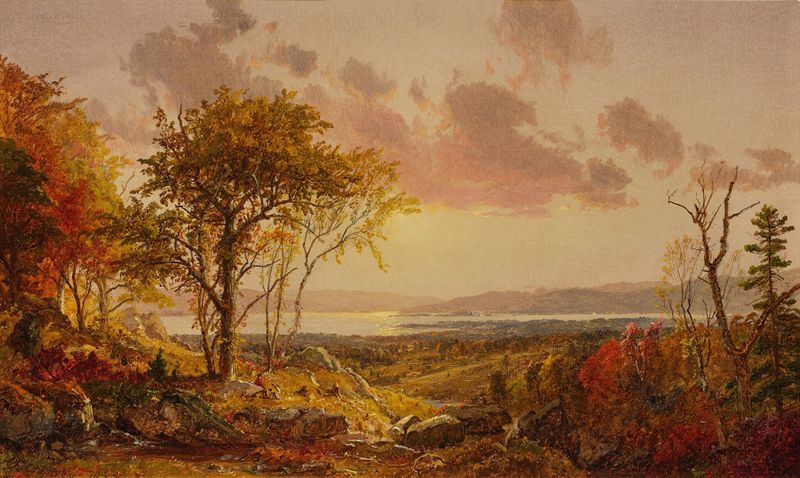
A Distant View of the Hudson River in the Fall
Jasper Francis Cropsey
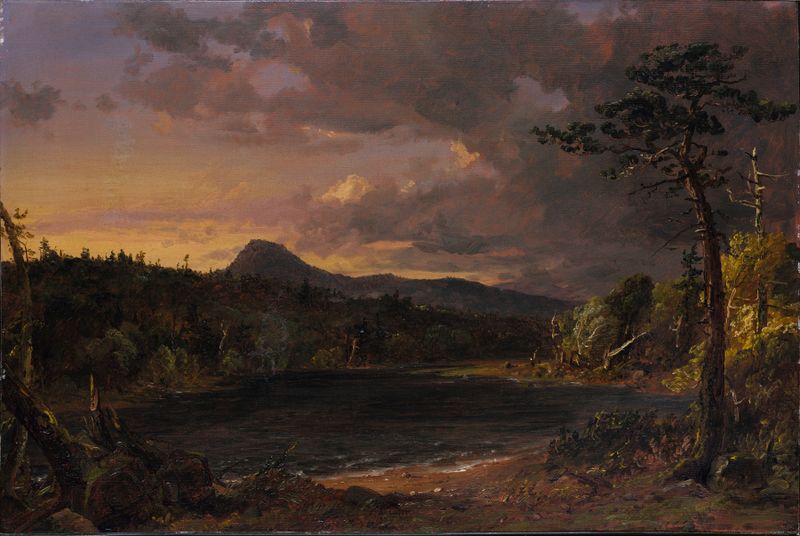
Catskill Creek
Jasper Francis Cropsey

Autumn on the Lake
Jasper Francis Cropsey





