
Ivan Rodin — History & Facts
A face emerges from the swirl of paint with the force of a memory—unvarnished, direct, and utterly present. The sitter’s gaze, slightly averted yet unyielding, draws the viewer into a silent conversation, while the thick, energetic brushwork gives the impression of a life shaped by both hardship and dignity. Every stroke seems to pulse with the immediacy of the encounter: the wild beard, the heavy coat, the hands poised in the foreground, all rendered with a tactile urgency that refuses to smooth away the roughness of experience.
Light falls across the figure’s chest and cheek, breaking through the darkness to reveal a patchwork of textures, as if the artist is intent on capturing not just likeness, but the weathered resilience of character. Painted in 1928, Ivan Rodin stands firmly within the Russian realist tradition, yet it pulses with the expressive freedom that marked the later years of Abram Efimovich Arkhipov. This was a period when portraits of working people—peasants, fishermen, laborers—became a vital genre, commissioned by collectors and institutions eager to document the changing face of society after the Revolution. Arkhipov, known for his robust, impasto technique and psychological insight, often chose subjects whose lives bore the marks of their era’s upheavals.
While little is recorded about the journey of this particular canvas, its presence today in the digital collection of the Metropolitan Museum of Art invites us to look again, and to see in the sitter’s eyes the endurance and complexity of a vanished world.
More Artworks by Abram Efimovich Arkhipov

The Boats
Abram Efimovich Arkhipov
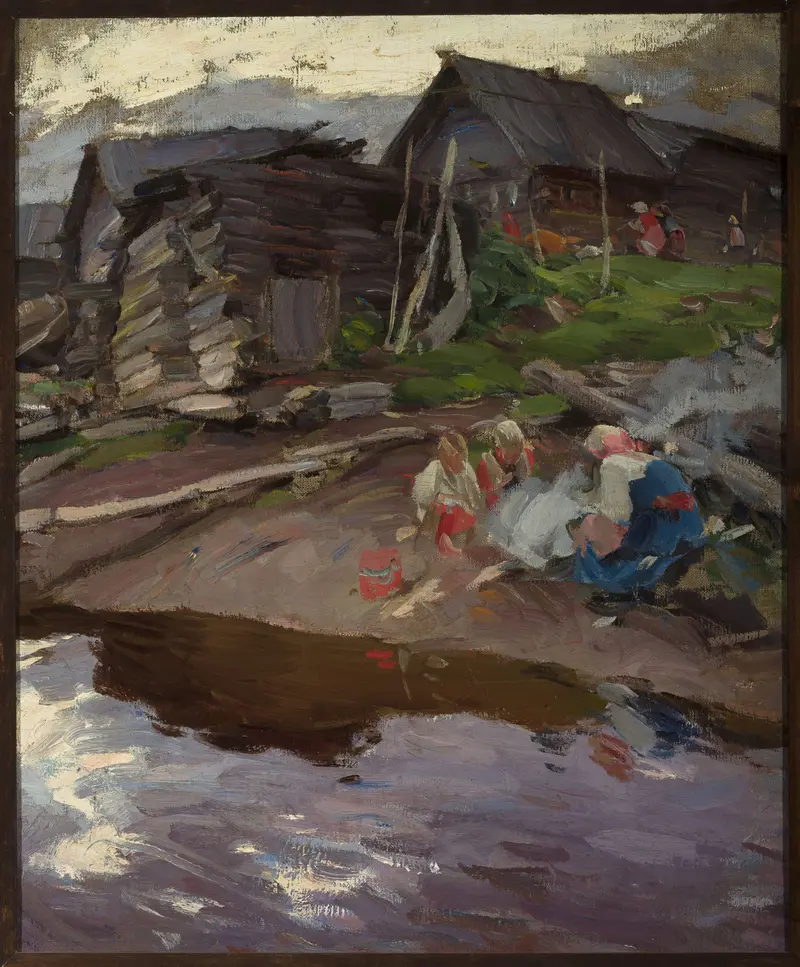
In the evening
Abram Efimovich Arkhipov
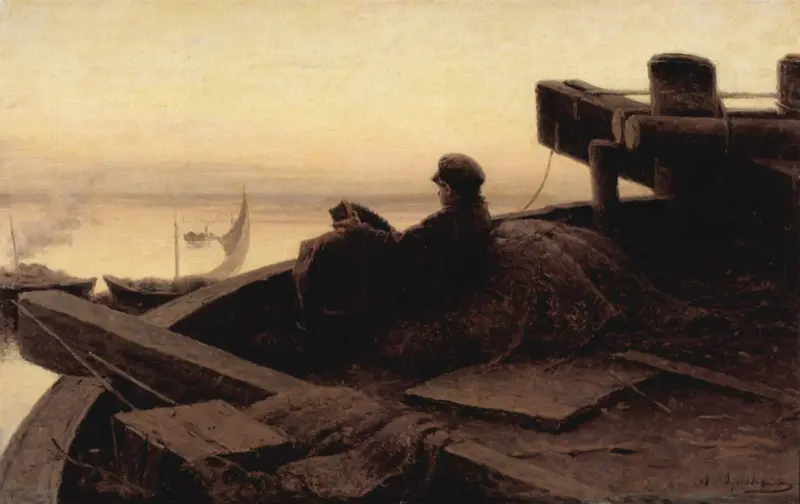
Abram Jefimowitsch Archipow 001
Abram Efimovich Arkhipov
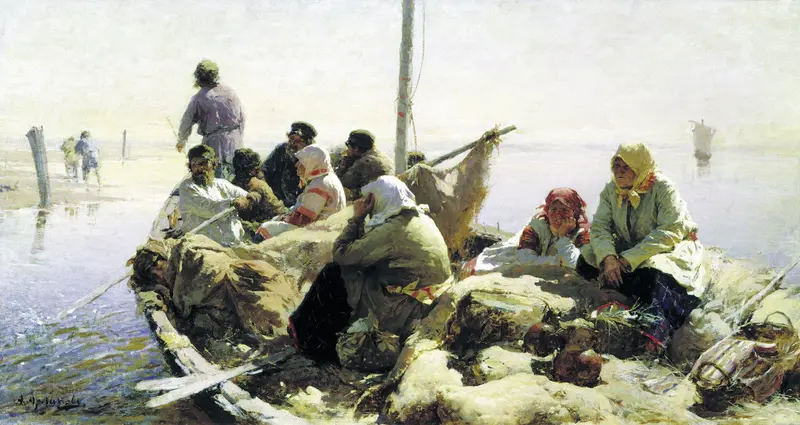
po reke oke
Abram Efimovich Arkhipov
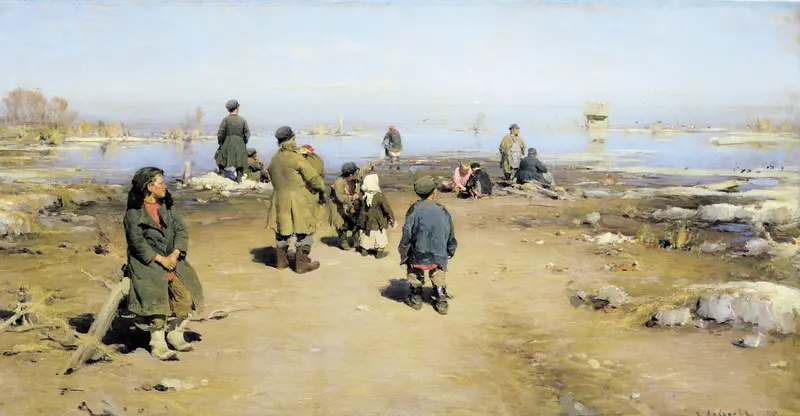
Waiting for the Boat
Abram Efimovich Arkhipov
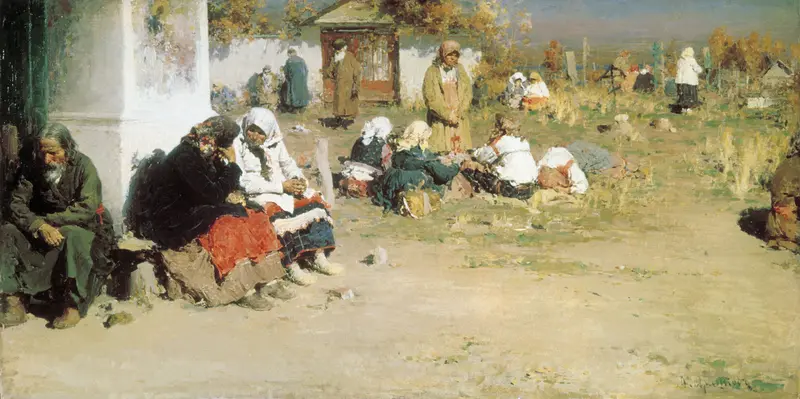
Arhipov radonica
Abram Efimovich Arkhipov
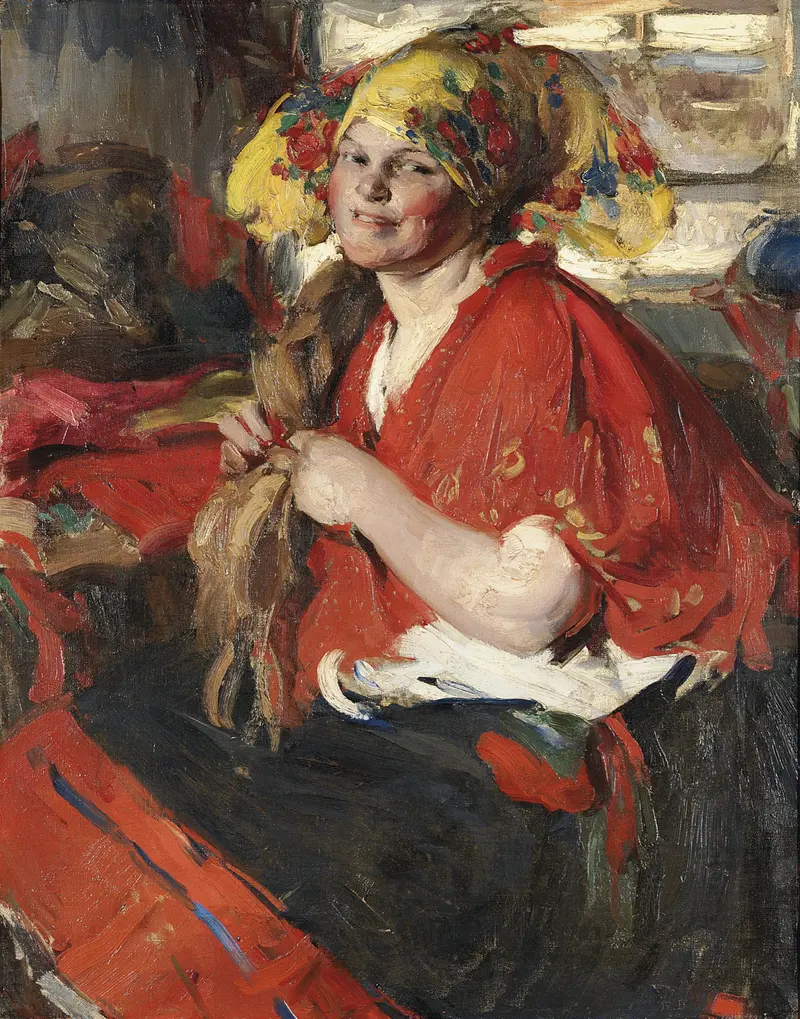
Peasant Woman
Abram Efimovich Arkhipov
In the evening
Abram Efimovich Arkhipov





