
Izu Inatori — History & Facts
Who listens when art speaks of silence? In Izu Inatori, the stillness of a moment draws us into the artist's legacy, breathing life into the unspoken. Look to the center of the composition, where gentle waves lap against a rocky shore, their rhythm both soothing and melancholic. The color palette, a delicate blend of muted greens and blues, evokes the tranquility of nature while hinting at deeper undercurrents of emotion. Notice how the brushstrokes capture the play of light on water, creating a shimmering effect that invites the viewer to linger, reflecting on the passage of time and the ephemeral nature of beauty. The juxtaposition of the serene landscape against the looming mountains suggests a tension between the delicate and the formidable.
Each detail, from the solitary figure on the shore to the distant horizon, speaks to the solitude inherent in human experience. The quietude resonates with the legacy of the land itself, hinting at the stories that lie beneath the surface, waiting to be heard. In 1926, Takahashi Hiroaki created this piece during a period marked by Japan's modernization and a resurgence of interest in traditional artistic forms. Living in a rapidly changing society, he sought to capture the essence of natural beauty through his work, reflecting both personal introspection and a broader cultural legacy.
His mastery of color and form continues to inspire, reminding us of the power of stillness in an ever-noisy world.
More Artworks by Takahashi Hiroaki
Browse all →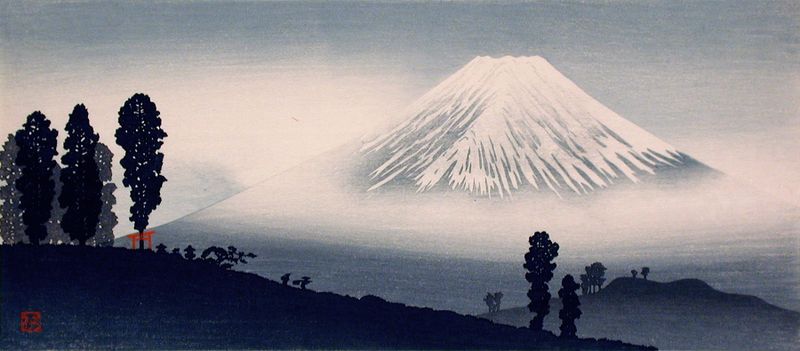
Mount Fuji
Takahashi Hiroaki

Mount Fuji seen near Tamaho, Dawn
Takahashi Hiroaki
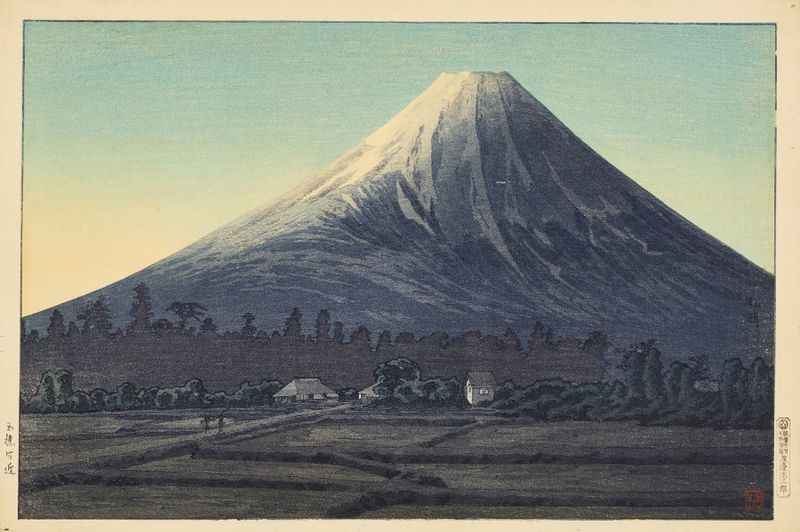
Mount Fuji seen near Tamaho, day
Takahashi Hiroaki
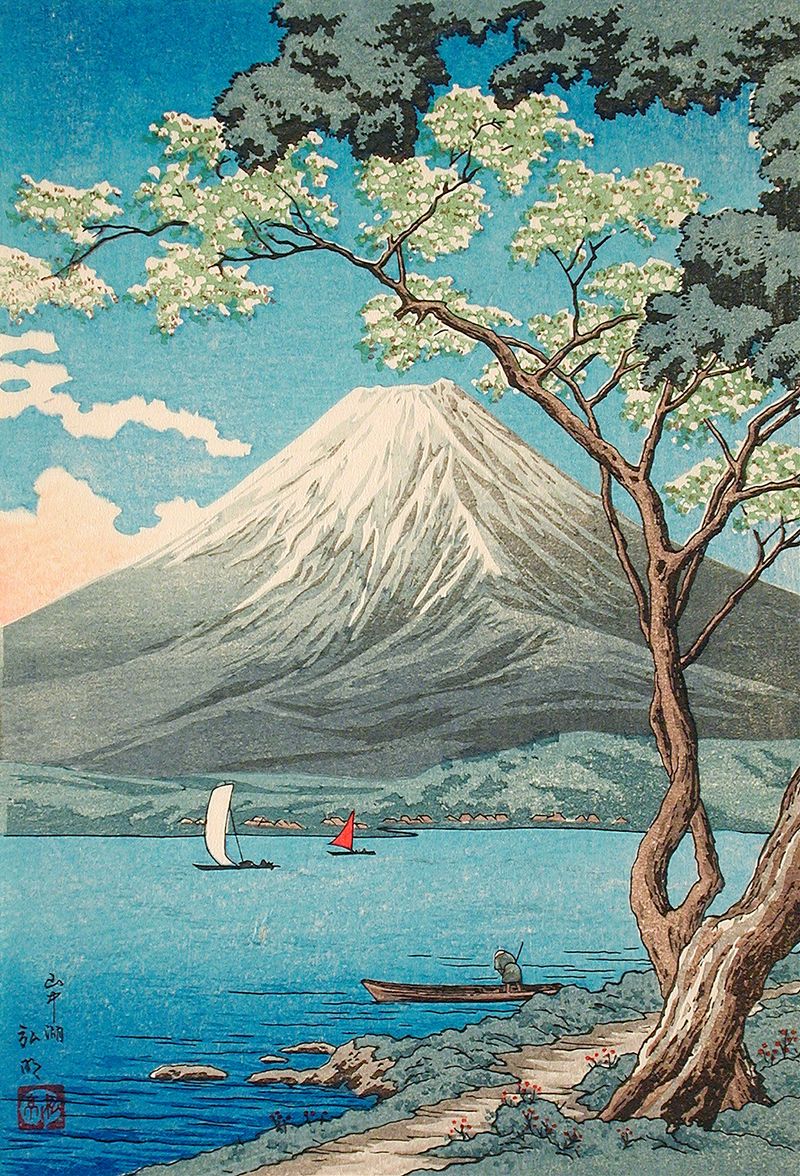
Mount Fuji from Lake Yamanaka
Takahashi Hiroaki

Mt. Fuji from Tagonoura, Snow Scene
Takahashi Hiroaki

Egoda no tsuki
Takahashi Hiroaki
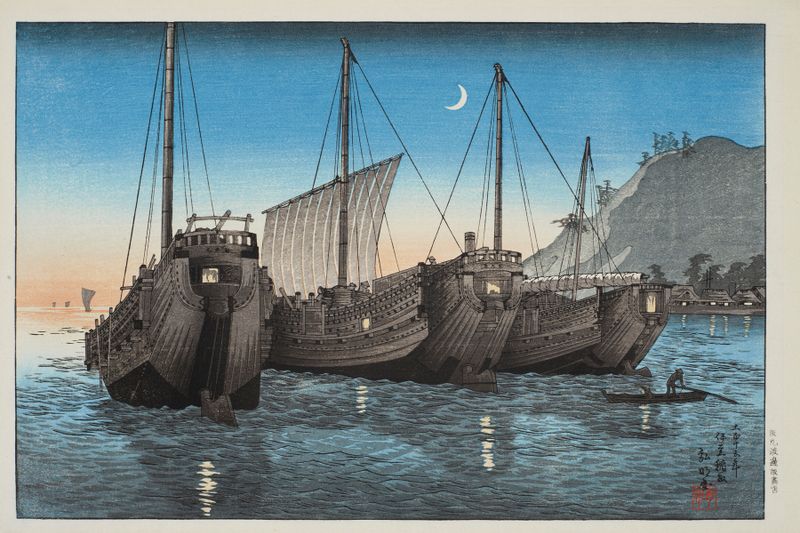
Junks in Inatori Bay, Izu
Takahashi Hiroaki

Izumibashi no ame
Takahashi Hiroaki
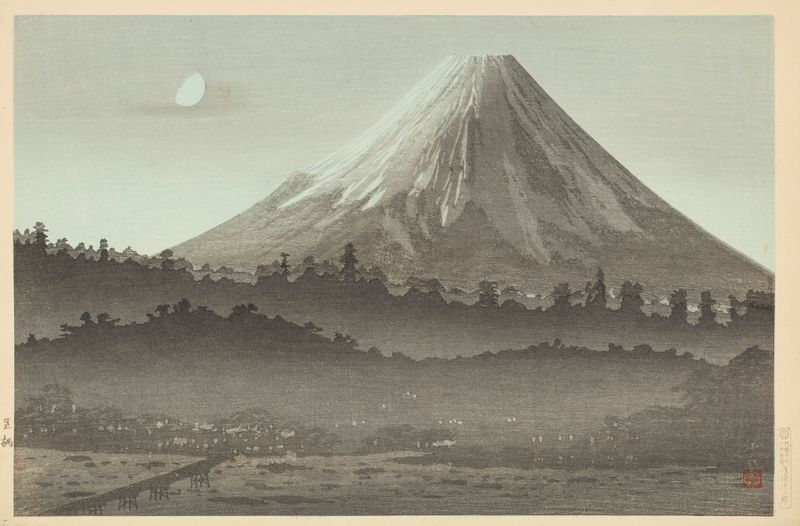
Mount Fuji seen near Tamaho, Night
Takahashi Hiroaki

Fishing nets at Tsukuda
Takahashi Hiroaki





