
Jacob's Dream — History & Facts
A shaft of golden light cleaves the darkness, drawing the eye up from the earthbound sleeper to a vision that seems to hover between dream and revelation. The human figure, curled in uneasy rest beneath a gnarled tree, is dwarfed by the vastness of the night and the sudden, supernatural radiance above. Out of the swirling gloom, winged forms emerge—angels, rendered in pale, almost ghostly brushstrokes—ascending and descending a ladder of light that dissolves into the sky.
The painter uses deep shadows and a limited palette to heighten the sense of mystery, so that the glowing figures seem both part of the clouds and yet utterly apart from the world below. Every detail, from the rough earth to the faint outlines of distant hills, serves to anchor the vision, making the miraculous seem as immediate as the stones under Jacob’s head. Created between 1710 and 1715, this work belongs to a period when biblical subjects were often painted not for grand altarpieces, but for private devotion or learned collectors’ cabinets. The early eighteenth century saw a lingering fascination with the dramatic, searching light of the late Dutch Baroque, and artists like Aert de Gelder—working in the long shadow of Rembrandt—brought a new intimacy and psychological depth to familiar stories.
Little is recorded about the journey of this particular painting, now preserved in a digital collection, but its quiet intensity speaks to a world in which faith and imagination met on the canvas. The longer you look, the more the darkness yields: here, revelation is not a spectacle, but a secret shared with the viewer alone.
More Artworks by Aert de Gelder

Portrait of a Young Woman
Aert de Gelder

Hermanus Boerhaave (1668-1738), Professor of Medicine at the University of Leiden, with his Wife Maria Drolenvaux (1686-1746) and their Daughter Johanna Maria (1712-91)
Aert de Gelder
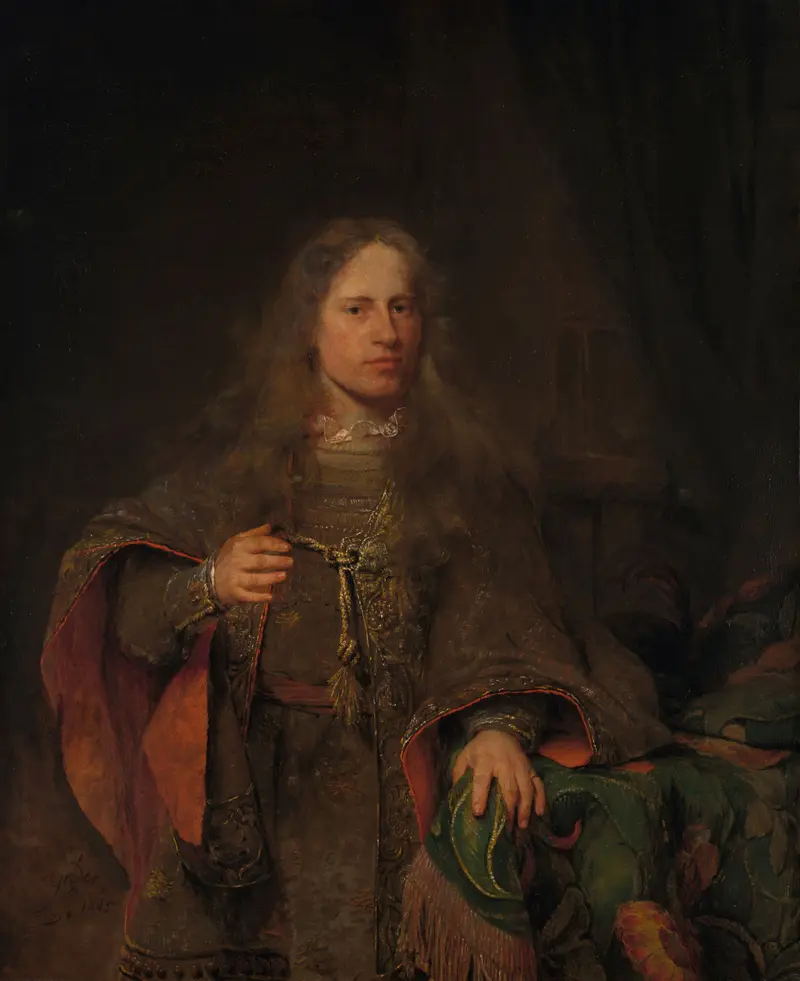
Portrait of Ernest de Beveren, Lord of West-IJsselmonde and De Lindt
Aert de Gelder
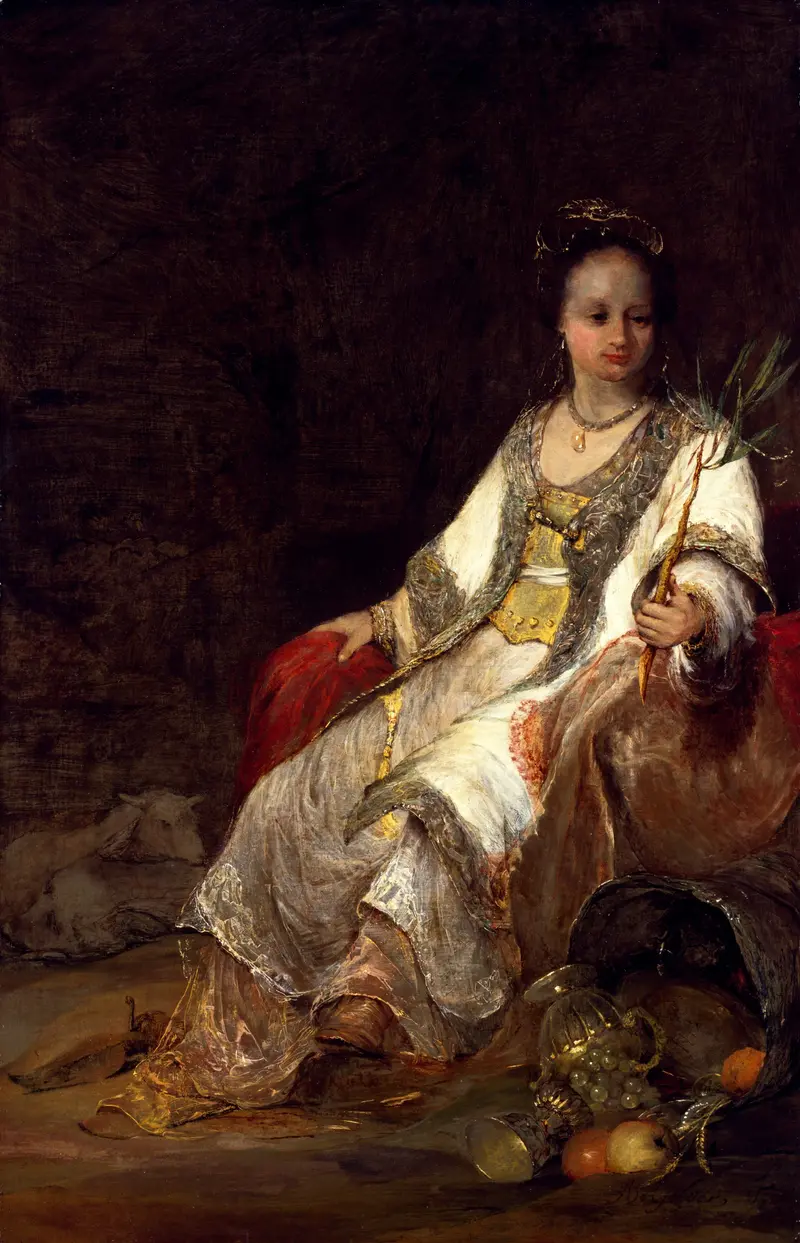
Allegory on Peace
Aert de Gelder
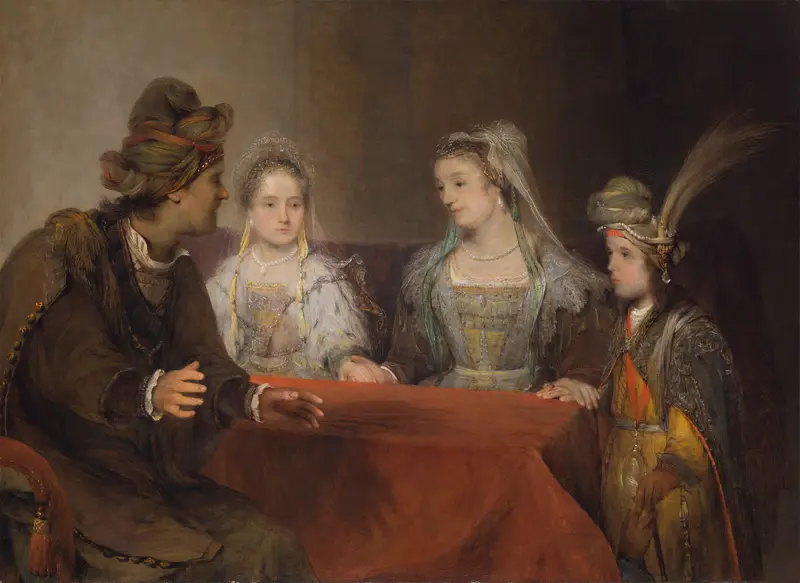
Edna Entrusting Tobias with Sarah
Aert de Gelder
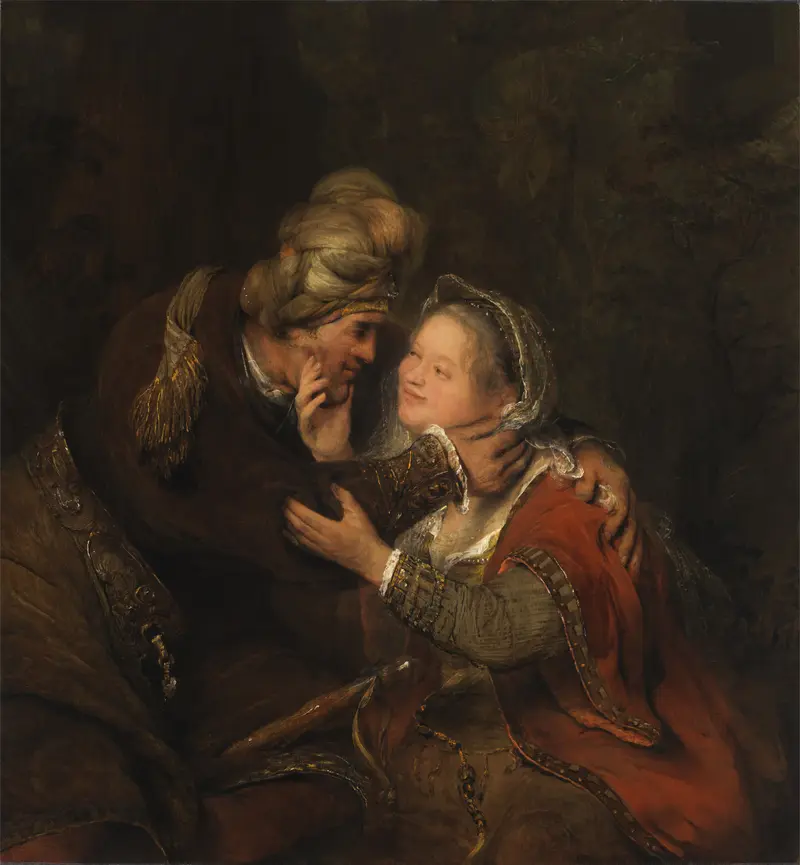
Judah and Tamar
Aert de Gelder
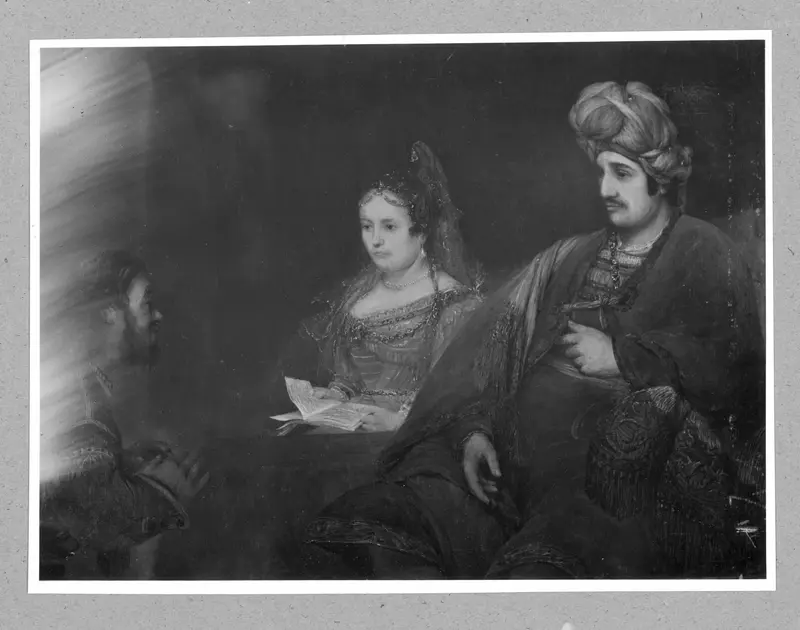
Hamas before Ahasver
Aert de Gelder
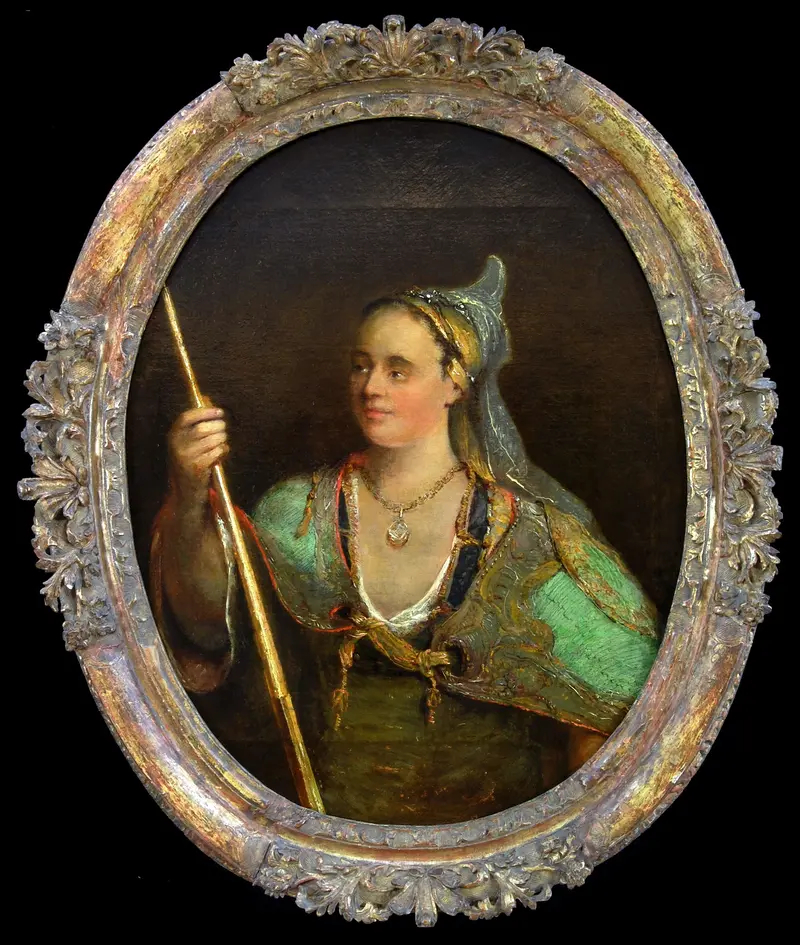
A female allegorical figure
Aert de Gelder
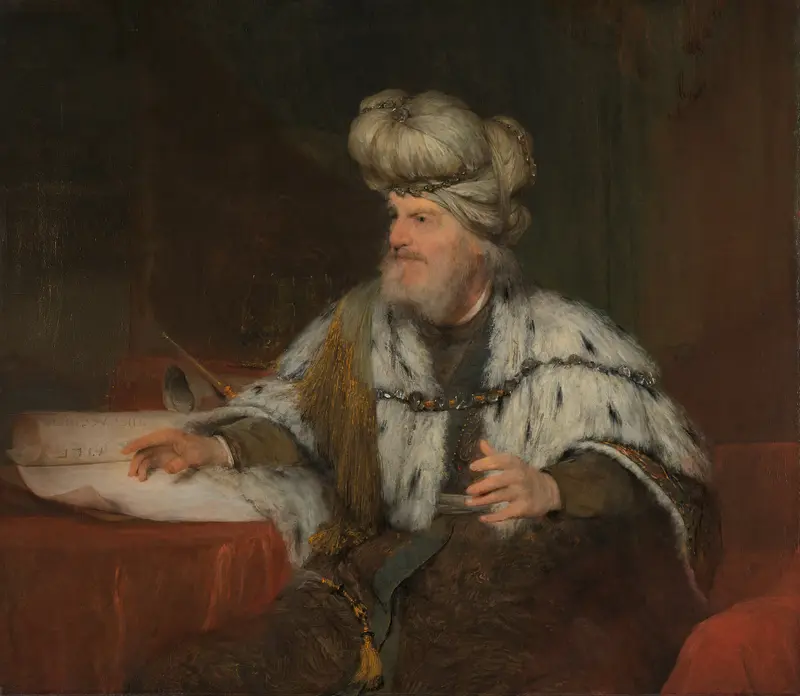
King David
Aert de Gelder
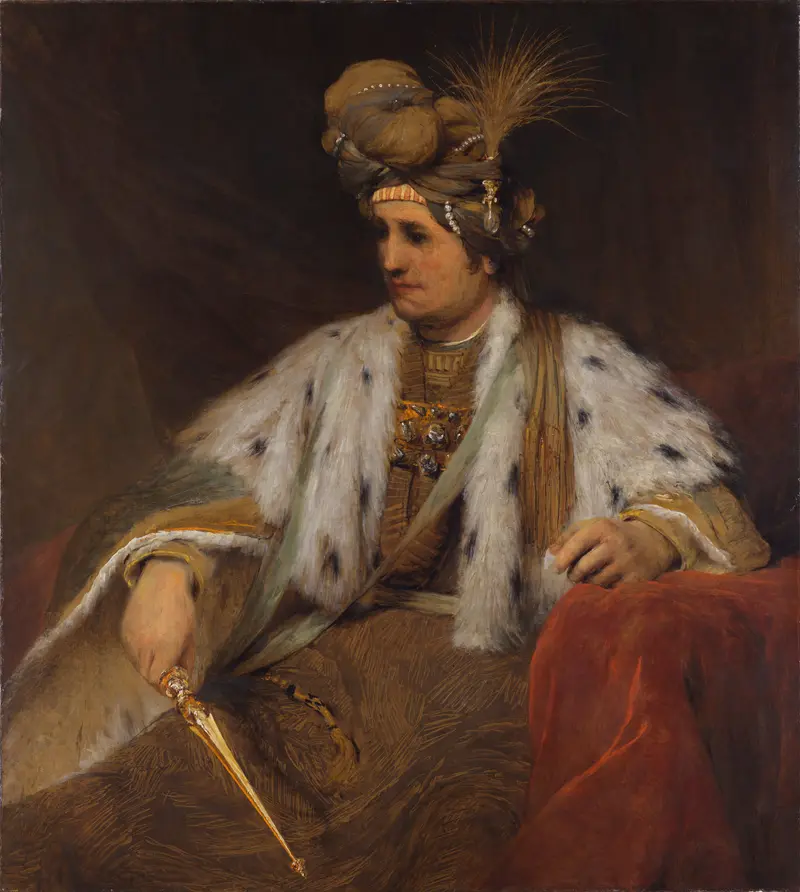
Old Testament Figure, Probably King Solomon
Aert de Gelder





