
Jacques Offenbach’s Orphée aux enfers — History & Facts
In Jacques Offenbach’s Orphée aux enfers, Jules Chéret presents a lively scene filled with vibrant colors. The artwork features whimsical figures, including mythological characters, dancing and celebrating in a fantastical setting. Bright reds, blues, and yellows dominate the palette, creating a festive atmosphere.
The composition is dynamic, capturing the energy of the opera it represents. This lithograph showcases Chéret's skill in color and form, typical of the Art Nouveau style. The flowing lines and decorative elements enhance the sense of movement within the piece. Viewers can appreciate the intricate details in the costumes and expressions of the figures.
The lithographic technique allows for rich color saturation, making the artwork visually striking. Jules Chéret was a prominent French artist known for his contributions to poster art in the late 19th century. This work celebrates Jacques Offenbach's operatic adaptation of the myth of Orpheus, which was known for its playful and satirical tone. An interesting fact about this lithograph is that it was created during a time when Chéret was revolutionizing advertising through art.
His works often blurred the lines between fine art and commercial design.
More Artworks by Jules Chéret
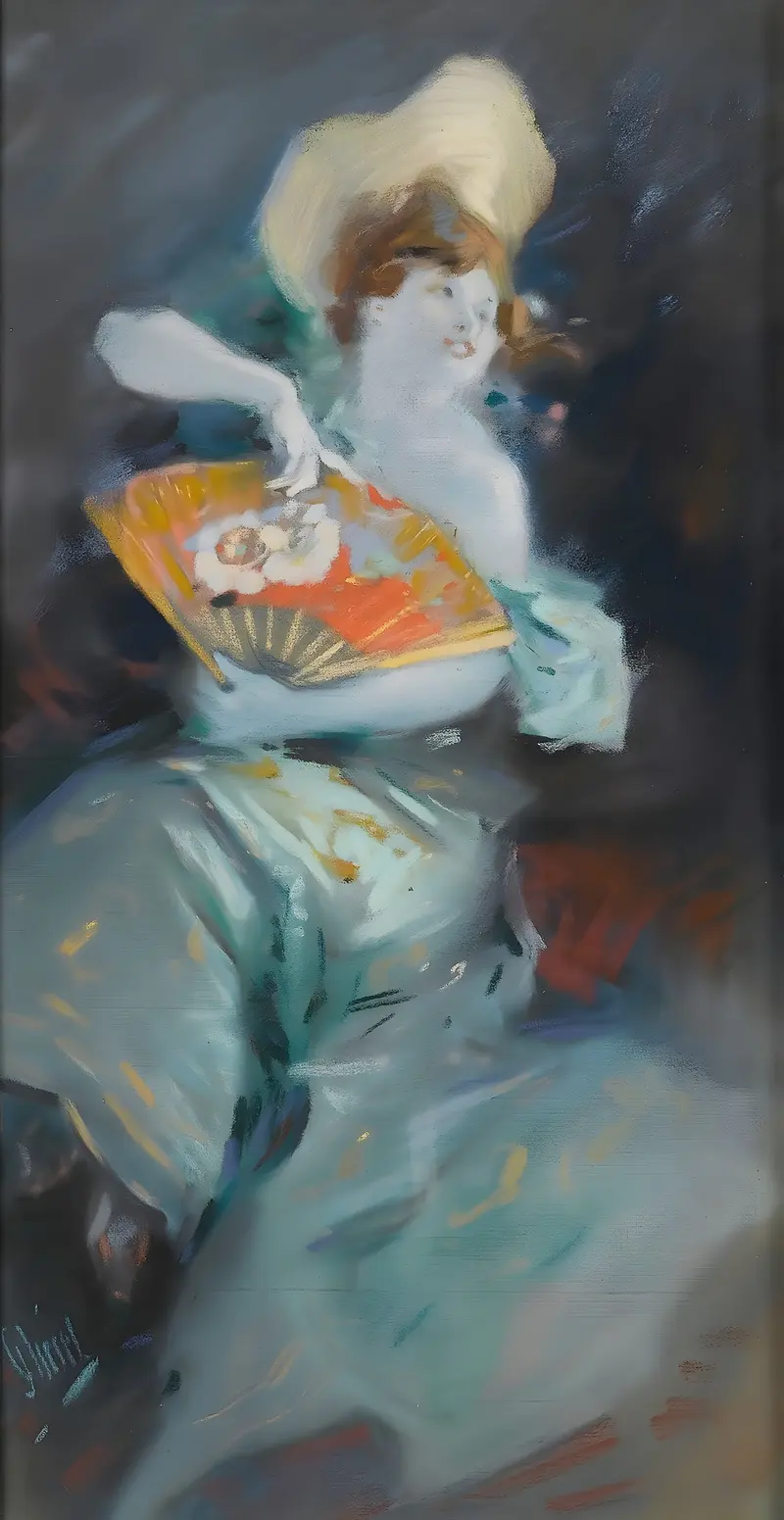
Portrait of a Lady
Jules Chéret
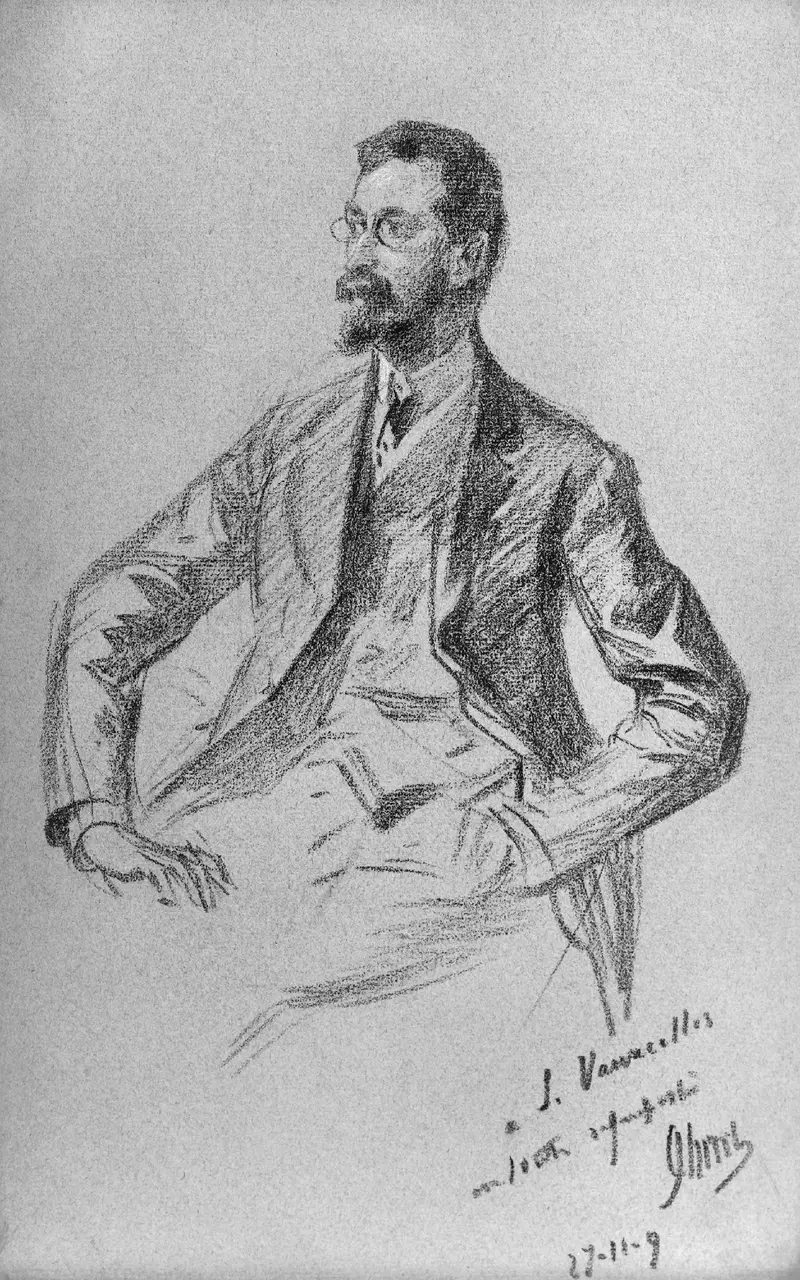
Portrait of Louis Vauxcelles
Jules Chéret

Palais de glace Champs-Élysées
Jules Chéret
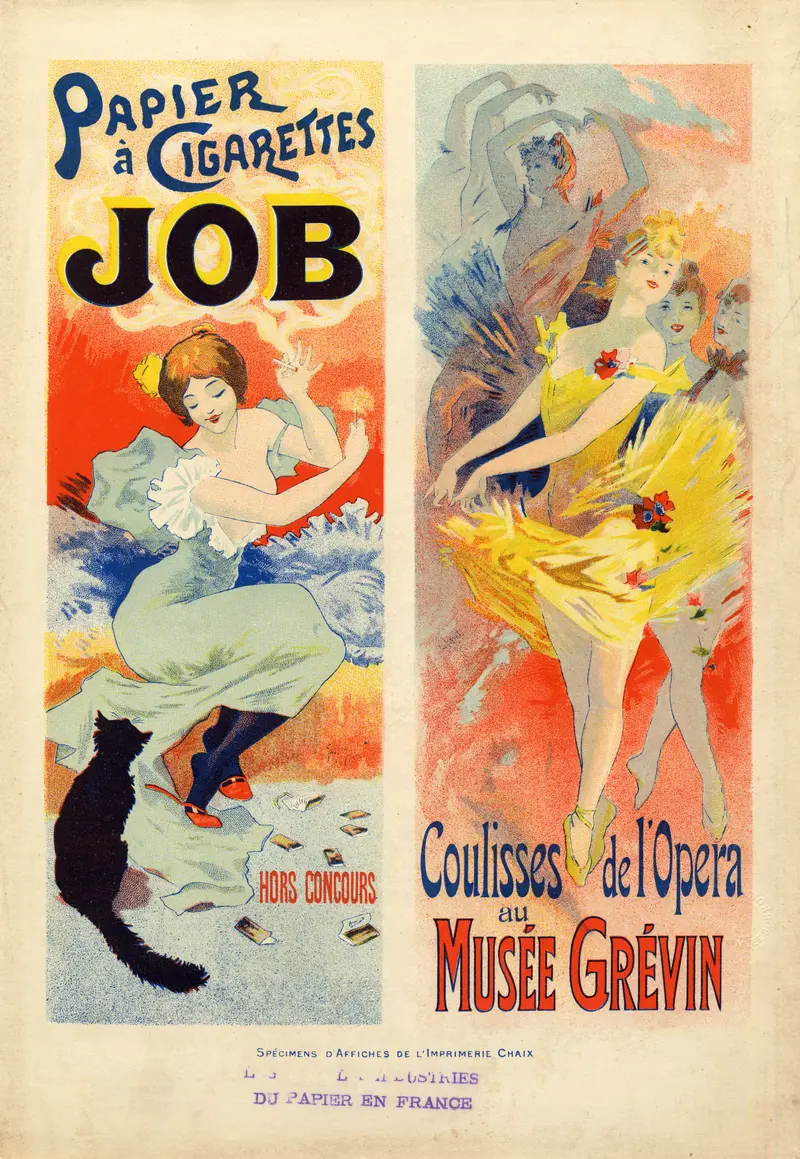
Papier à Cigarettes Job Hors Concours Coulisses de l’Opéra au Musée Grévin Spécimens d’affiches de l’Imprimerie Chaix
Jules Chéret

Aux filles du calvaire. Costume 49 f, enfant 6 f 90, visite 39 f. Exposition des nouveautés d’été
Jules Chéret
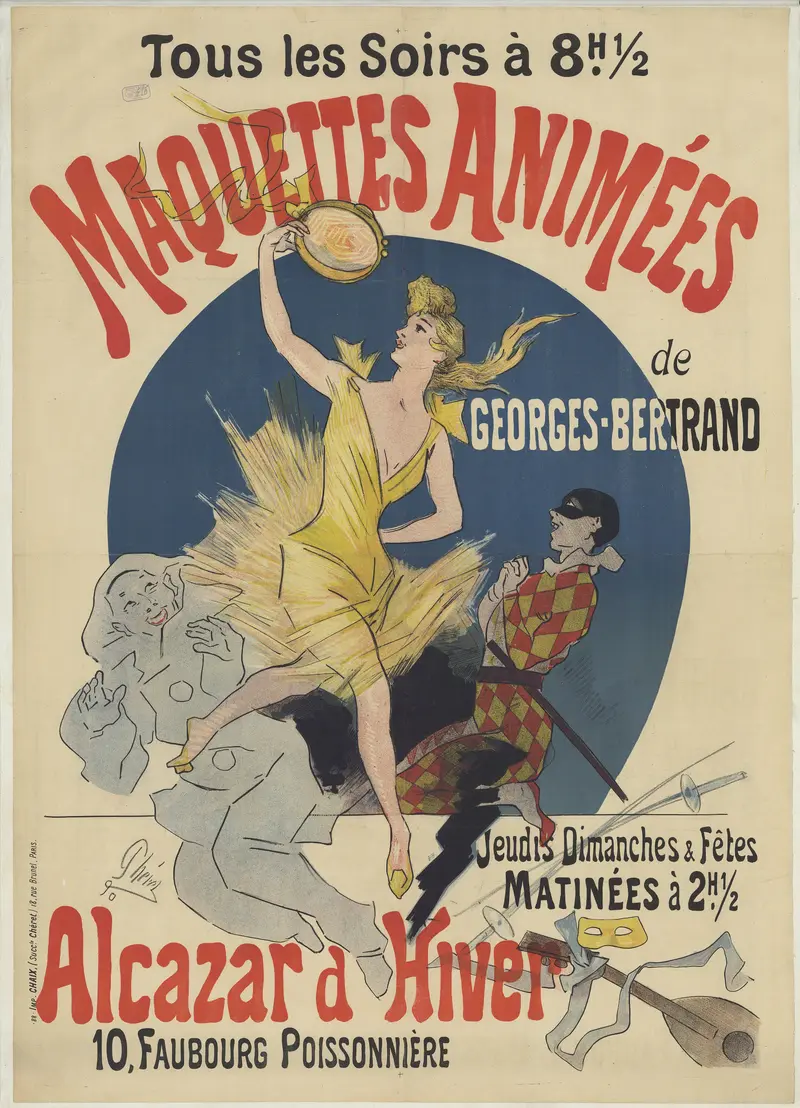
Tous les soirs à 8h 1,2 Maquettes animées. Alcazar d’hiver
Jules Chéret
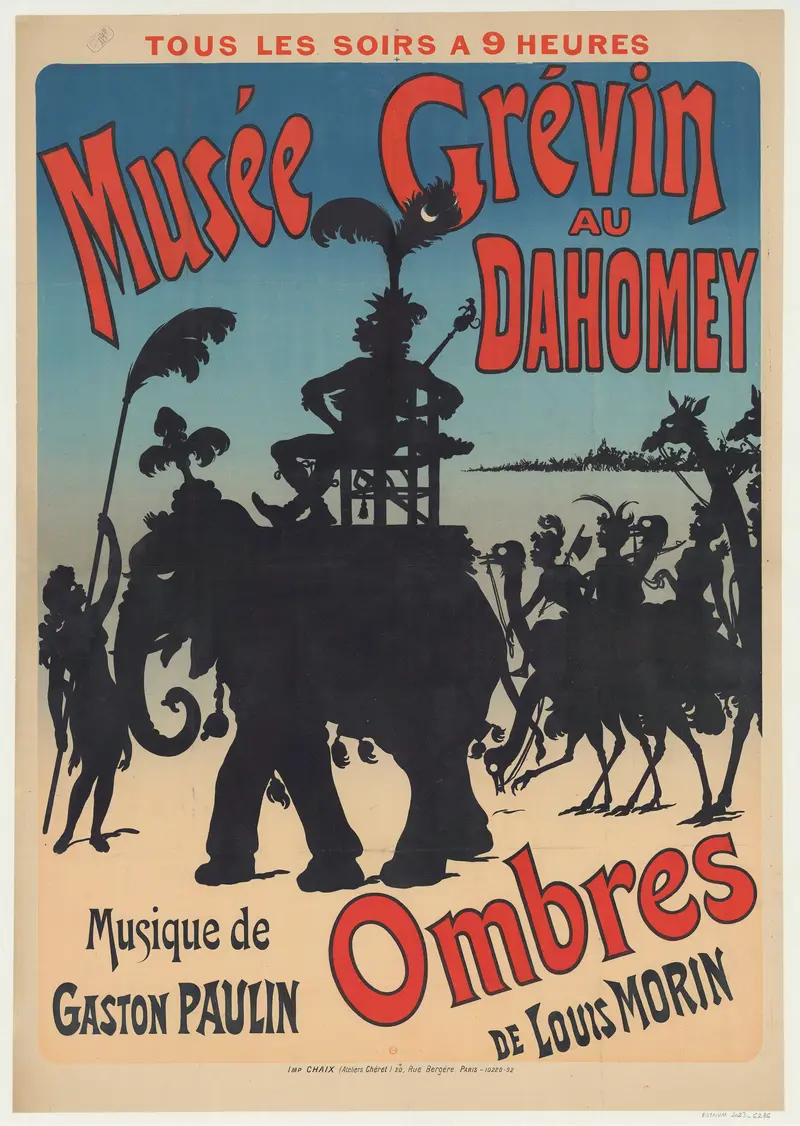
Tous les soirs à 9 heures, Musée Grévin. Au Dahomey. Ombres de Louis Morin, musique de Gaston Paulin
Jules Chéret
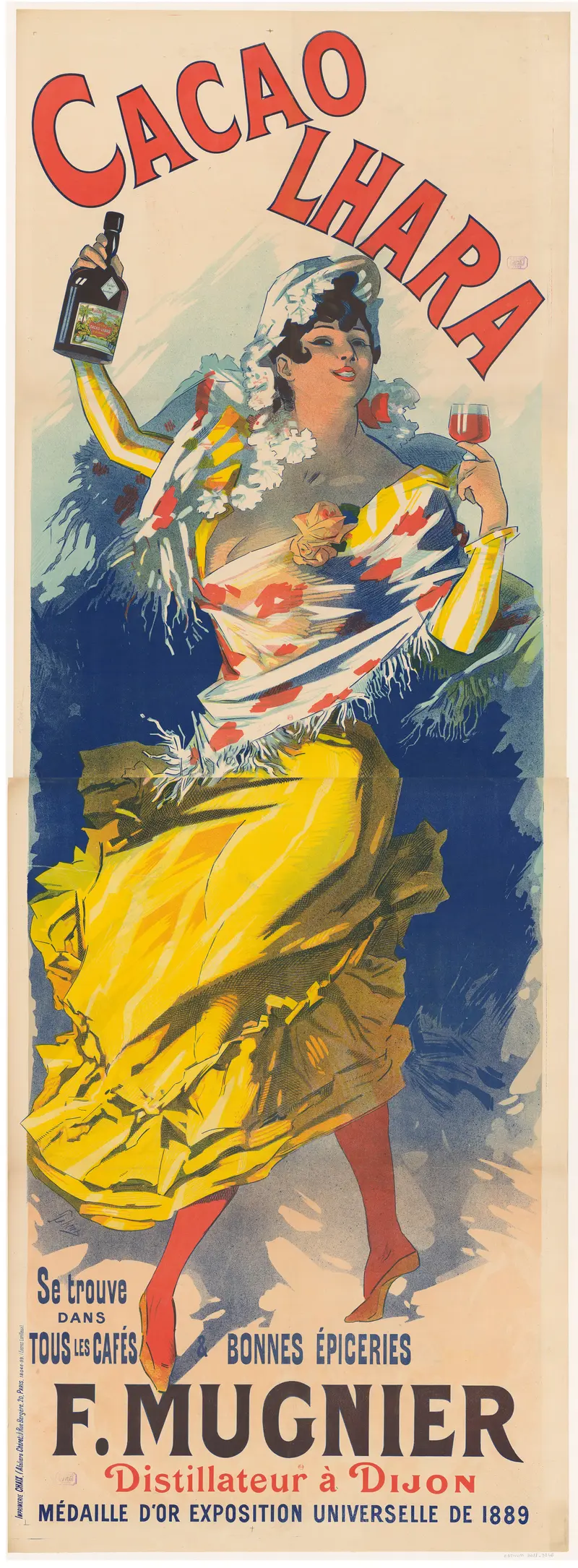
Cacao Lhara. F. Mugnier. Distillateur à Dijon. Médaille d’or exposition universelle de
Jules Chéret
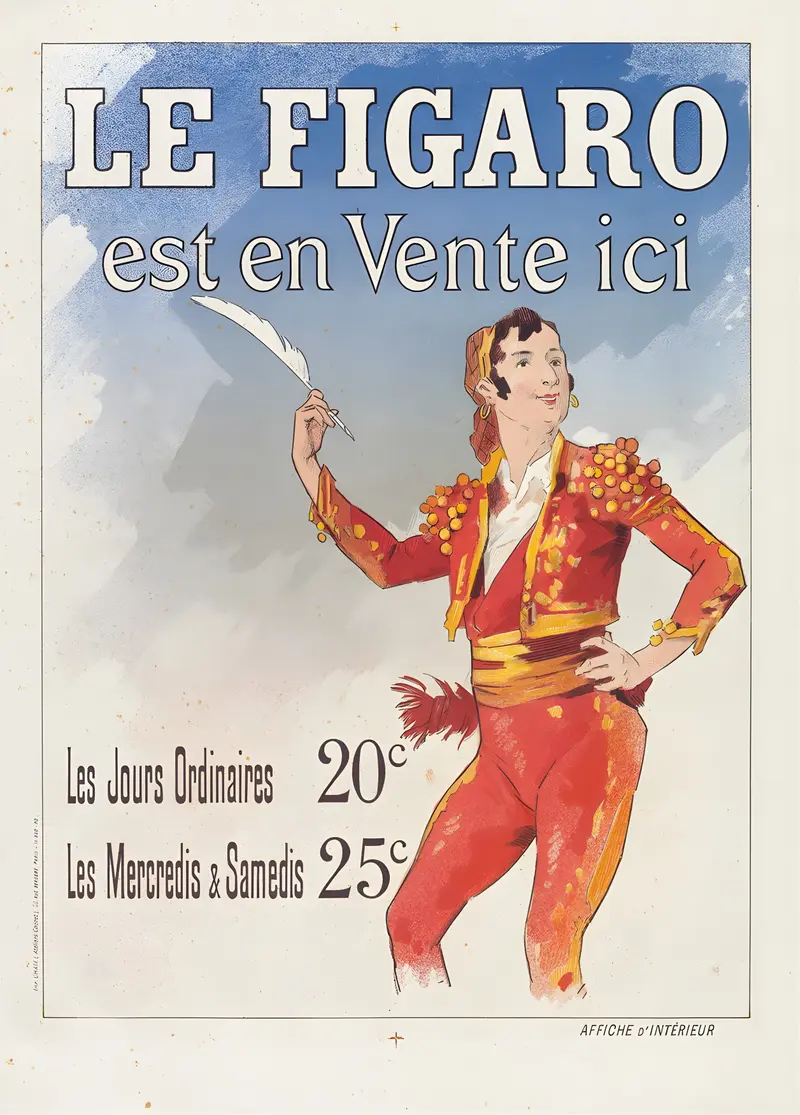
Reclamebiljet voor Le Figaro
Jules Chéret
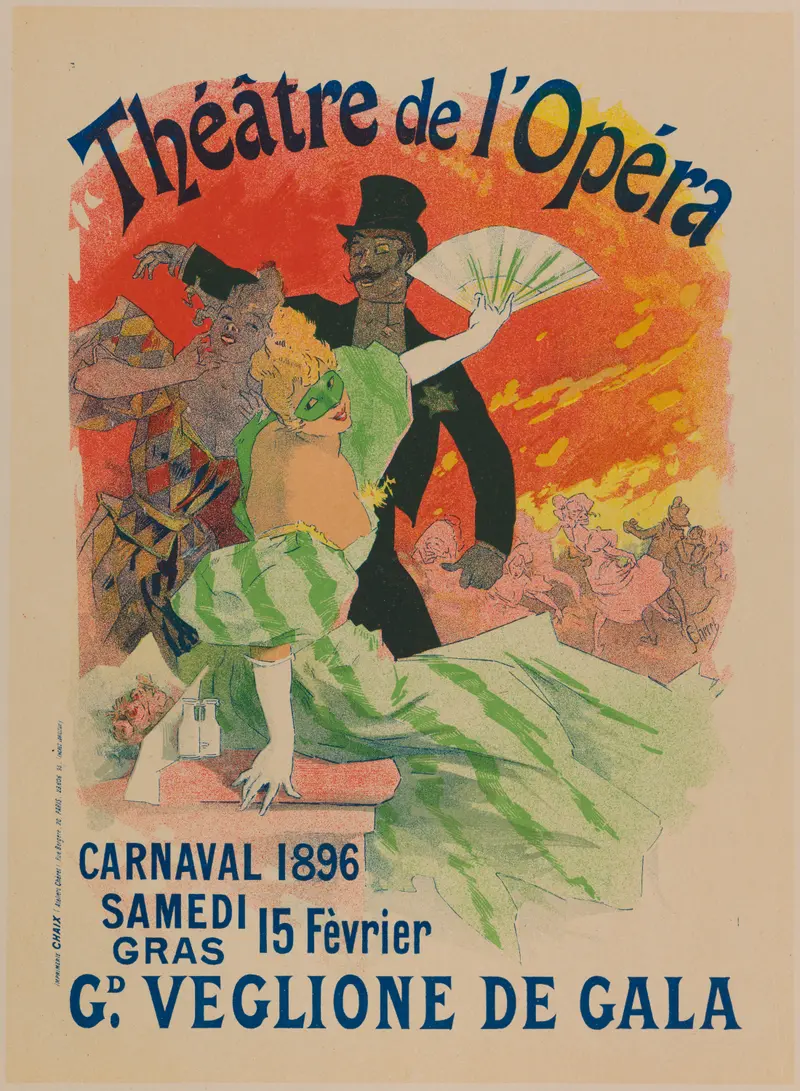
Carnaval 1896. Grand Veglione De Gala
Jules Chéret





