
Jaipuuru no Ajumeru mon (Ajmer gate, Jaipur) — History & Facts
What if silence could speak through light? In Jaipuuru no Ajumeru mon, the stillness of the Ajmer gate transforms into a powerful voice, resonating with the echoes of history and revolution. Look to the left at the soft, muted tones of the structure, where warm ochres mingle with deep earthy browns. The meticulous detailing of the gate draws you in, revealing intricacies of craftsmanship that speak to a bygone era. Notice how the sunlight filters through the archways, casting gentle shadows that dance across the foreground, creating a sense of depth and inviting contemplation.
The composition is balanced yet dynamic, with the archway leading the viewer's gaze into an infinite expanse, hinting at pathways both literal and metaphorical. Within this serene landscape lies a tension between the weight of tradition and an undercurrent of change. The interplay of light and shadow not only highlights the gate's architectural beauty but also symbolizes the lingering history of a region poised at the brink of transformation. The stillness conveys a moment frozen in time, suggesting that not all revolutions are loud; some are quiet, simmering beneath the surface, waiting for their moment to erupt into the light. In 1931, during a time of political awakening and cultural exploration in Japan, Yoshida Hiroshi created this piece while living in a world influenced by both tradition and modernity.
His focus on printmaking and landscape representations marked a pivotal moment in the shin hanga movement, which sought to integrate Western techniques with Japanese aesthetics, reflecting the broader societal shifts of the era.
More Artworks by Yoshida Hiroshi
Browse all →
Crytomeria Avenue (Sugi Namiki)
Yoshida Hiroshi
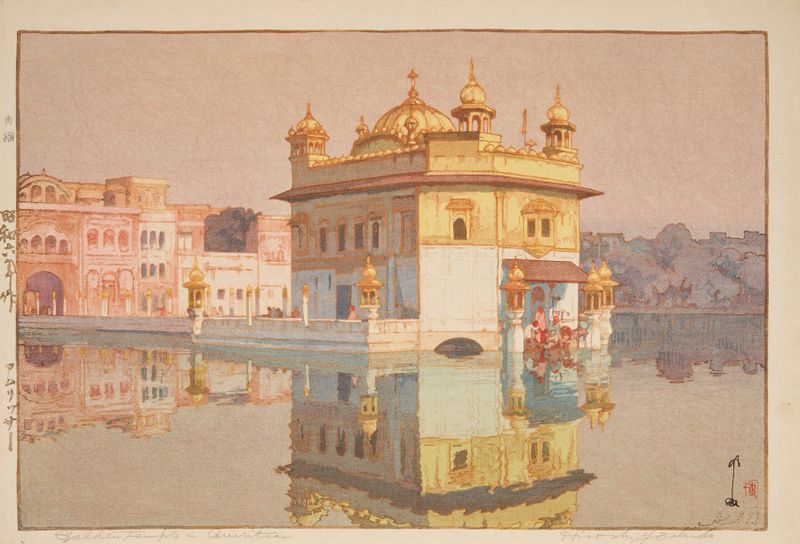
Amurissaa (Golden Temple in Amritsar)
Yoshida Hiroshi

High Gate in Ajmer (Ajumeru no Berenderuwajaa)
Yoshida Hiroshi

Fujiyama from Gotemba
Yoshida Hiroshi
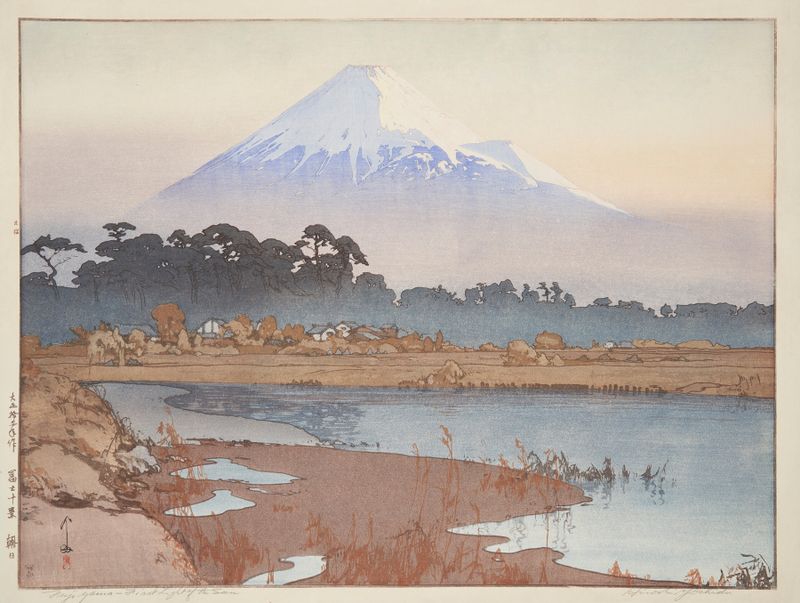
Asahi (Sunrise).
Yoshida Hiroshi
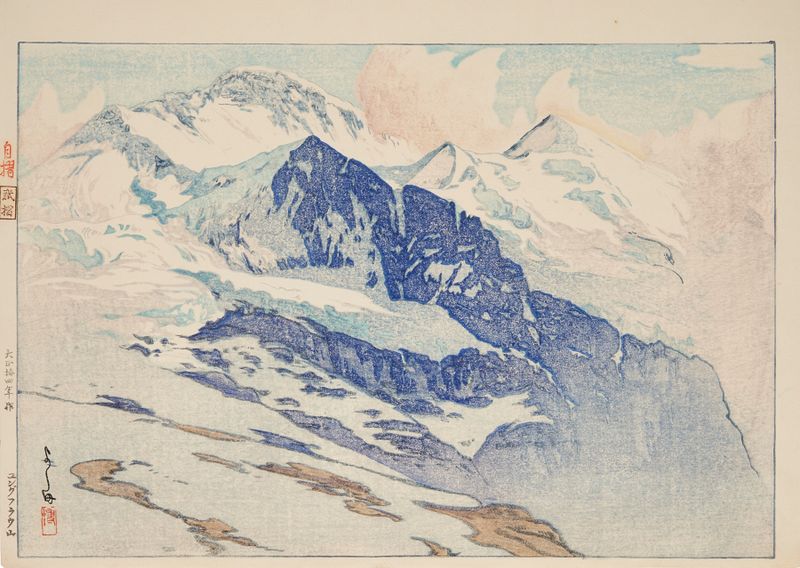
Yungufurau-yama (Jungfrau)
Yoshida Hiroshi
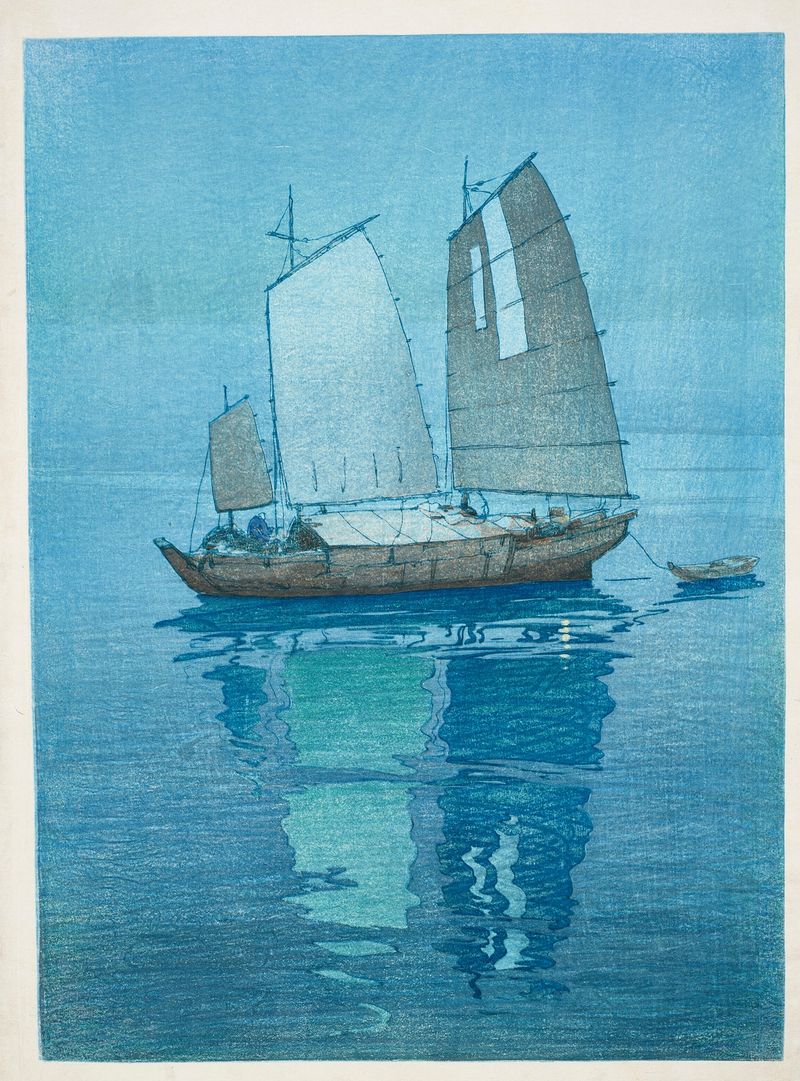
Hansen (Sailing Boats)
Yoshida Hiroshi
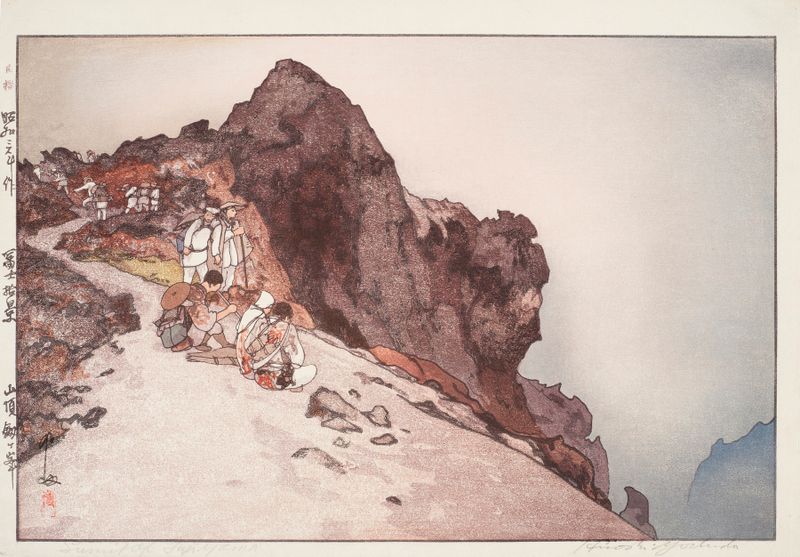
Summit of Mount Fuji
Yoshida Hiroshi

Sailing Boats — Night, from the series ‘The Seto Inland Sea’
Yoshida Hiroshi
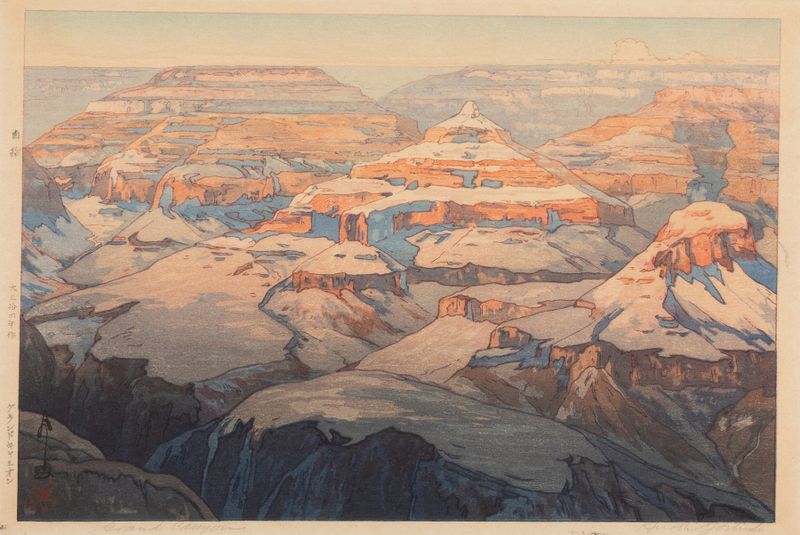
Grand Canyon (Gurando Kyanion)
Yoshida Hiroshi
More Architecture Art
Browse all →
The statue of Liberty
Frédéric Auguste Bartholdi

View of Houses in Delft, Known as ‘The Little Street’
Johannes Vermeer

View of Houses in Delft, Known as ‘The Little Street’
Johannes Vermeer

The Cathedral in Rouen. The portal, Grey Weather
Claude Monet

The yellow house
Vincent van Gogh

The Church in Auvers-sur-Oise, View from the Chevet
Vincent van Gogh