
Jardinage d’automne — History & Facts
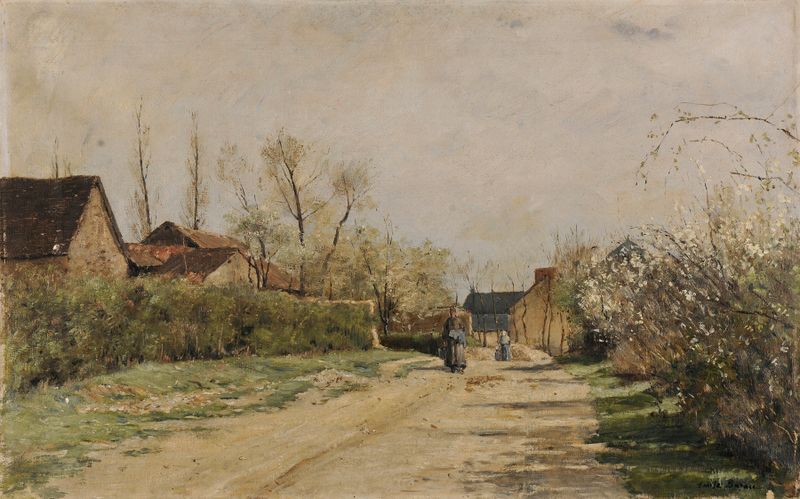
Can beauty exist without sorrow? Émile Barau’s Jardinage d’automne invites us to ponder this question, blending the themes of life’s transience and the serenity found in nature’s cycles. Look to the center of the canvas, where the vivid oranges and yellows of autumn foliage burst forth, igniting the scene with warmth. Surrounding this fiery palette, the earth tones provide a grounding contrast, drawing attention to the meticulous detail of fallen leaves scattered across the ground. The textured brushwork mimics nature’s spontaneity, while the gentle play of light across the plants hints at the fading daylight, emphasizing the passage of time. Beneath the surface of this enchanting garden lies a deeper narrative of change and impermanence.
The vibrant colors symbolize life’s fleeting moments, while the scattered leaves evoke loss — an acknowledgment of what once thrived. The calmness of the scene belies the underlying tension between beauty and decay, creating a poignant reminder that joy often exists hand-in-hand with sorrow in the natural world. Émile Barau painted this work during a period of evolving artistic expression in late 19th-century France, where Impressionism was gaining momentum. The artist, although less known than some of his contemporaries, was deeply influenced by the richness of colors and light around him.
In capturing the essence of an autumn garden, he reflected not only the beauty of nature but also the emotional truths prevalent in an era of change.
More Artworks by Émile Barau
Browse all →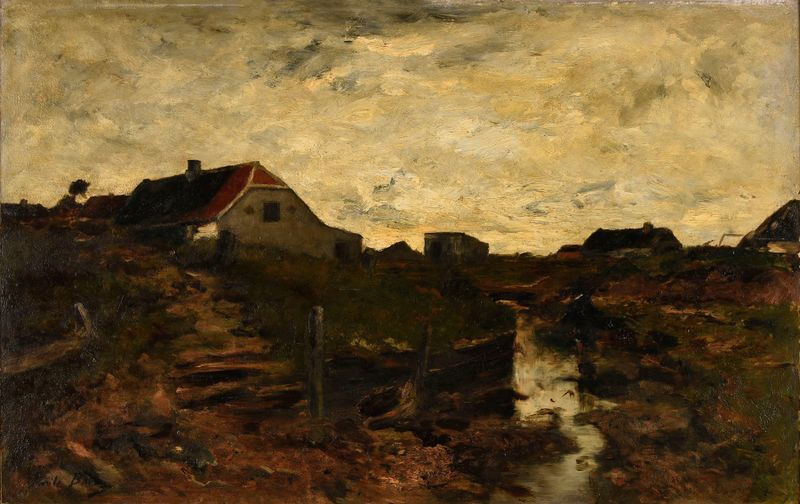
Chaumières dans les dunes à Skagen (Danemark)
Émile Barau

Soleil d’octobre
Émile Barau
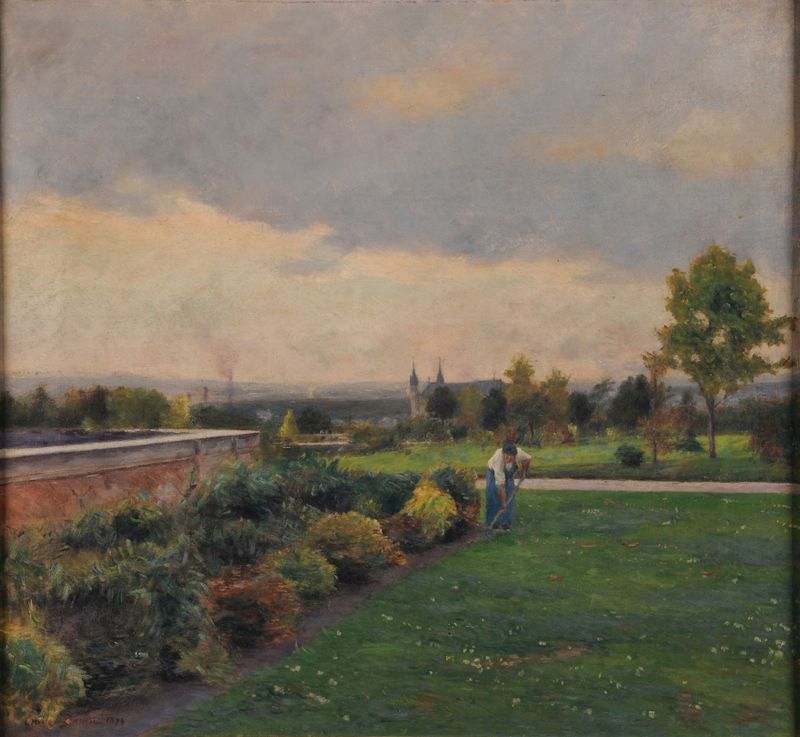
Vue prise du Parc Pommery en 1894
Émile Barau
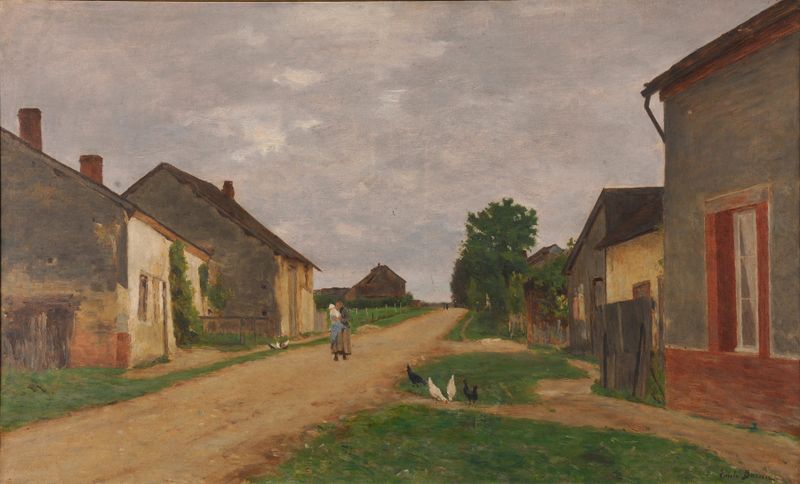
Village champenois
Émile Barau
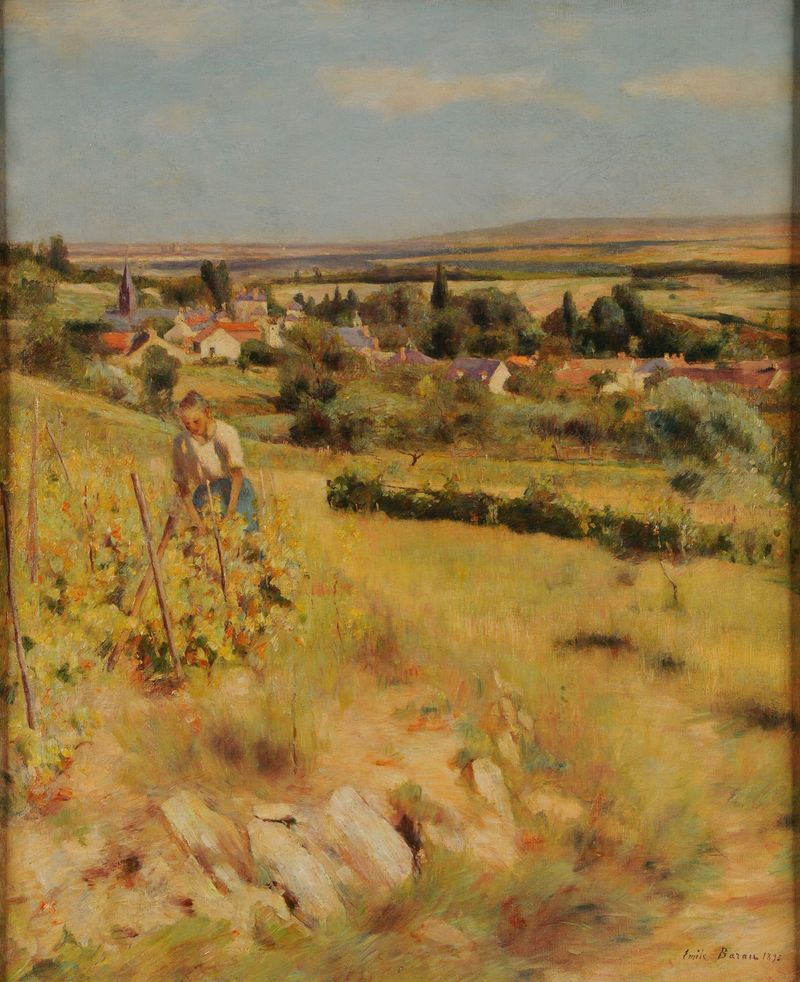
Vue sur Chenay
Émile Barau

Près Semide (Ardennes) Paysage de semide (Ardennes)
Émile Barau

L’été en Champagne
Émile Barau
Le printemps à Billy
Émile Barau





