
Village champenois — History & Facts
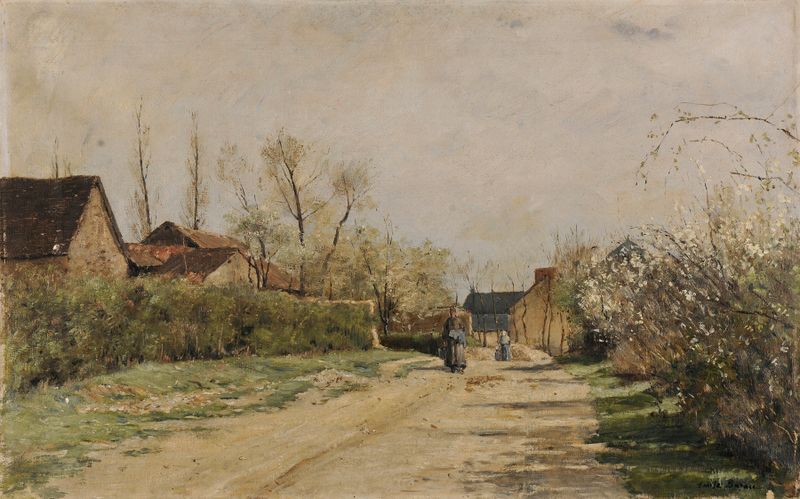
Did the painter know this moment would outlive them? In Village champenois, a gentle awakening unfolds, capturing the serenity and vibrancy of rural life in the Champagne region. Look to the left at the finely detailed cottages, their thatched roofs bathed in a warm, golden light, suggesting the early rays of dawn. Notice how the artist masterfully uses soft hues of green and blue in the fields, interspersed with hints of yellow that mimic the blossoming life of spring. The composition is arranged with a delicate balance, leading the eye down a winding path that invites the viewer into this idyllic scene, drenched in tranquility. Within this pastoral setting lies a contrast between stillness and the subtle suggestion of activity.
The figures, perhaps farmers or townsfolk, are positioned in various stages of their daily routine yet remain blissfully harmonized with their surroundings. Their postures convey a sense of purpose, as if the land itself breathes alongside them, awakening to the promise of a new day. The ethereal light captures not just a moment in time but also a feeling of renewal and hope, echoing the cyclical nature of life. In 1898, Émile Barau painted this scene during a time of artistic exploration in France, as Post-Impressionism began to flourish.
He sought to capture the essence of rural life, concurrent with the burgeoning interest in portraying the natural world with emotional depth. Barau's work reflects both his personal journey and the larger movements in art as society began to embrace the beauty and simplicity of everyday moments.
More Artworks by Émile Barau
Browse all →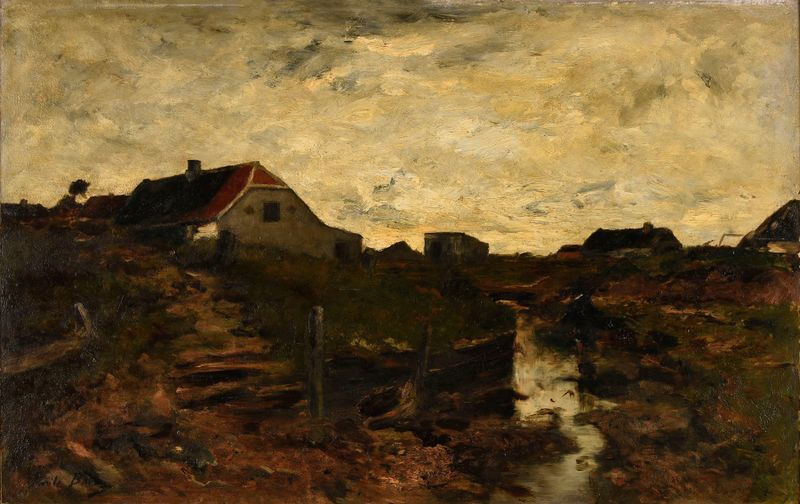
Chaumières dans les dunes à Skagen (Danemark)
Émile Barau

Soleil d’octobre
Émile Barau
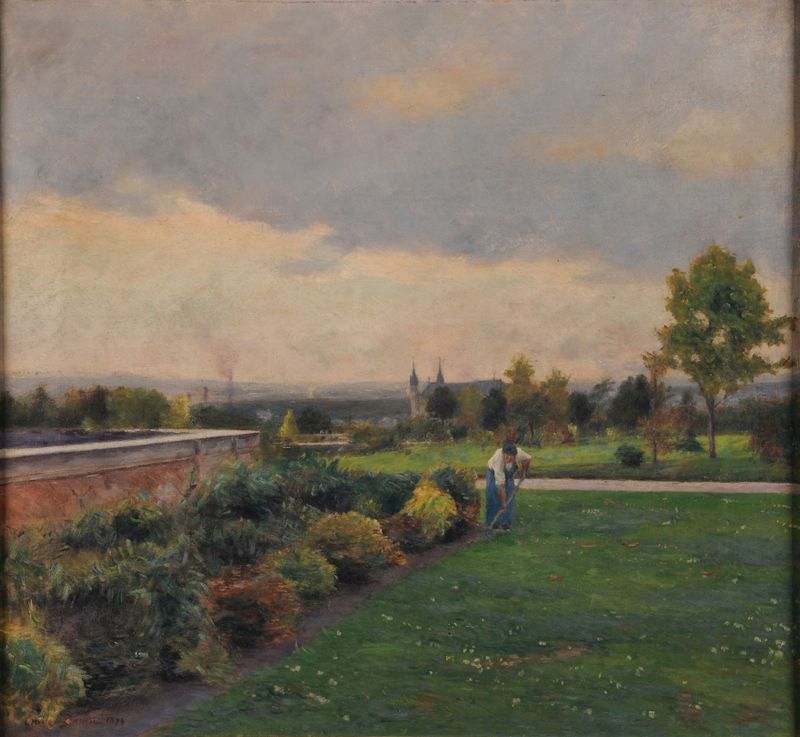
Vue prise du Parc Pommery en 1894
Émile Barau
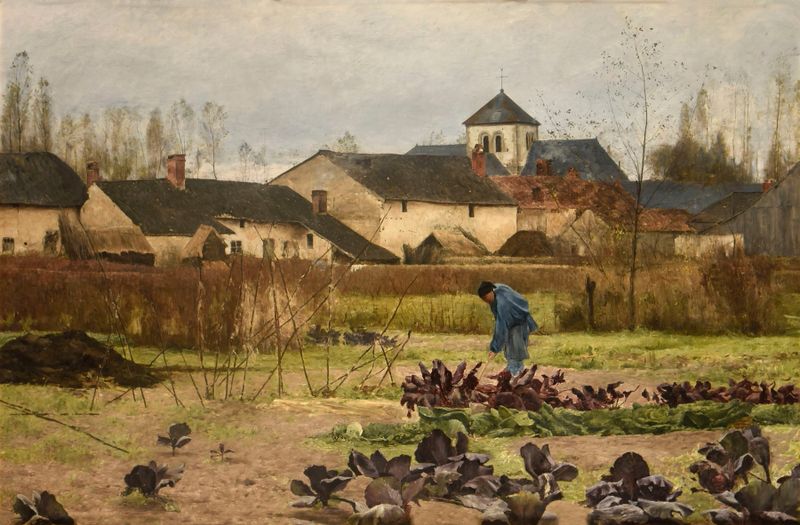
Jardinage d’automne
Émile Barau
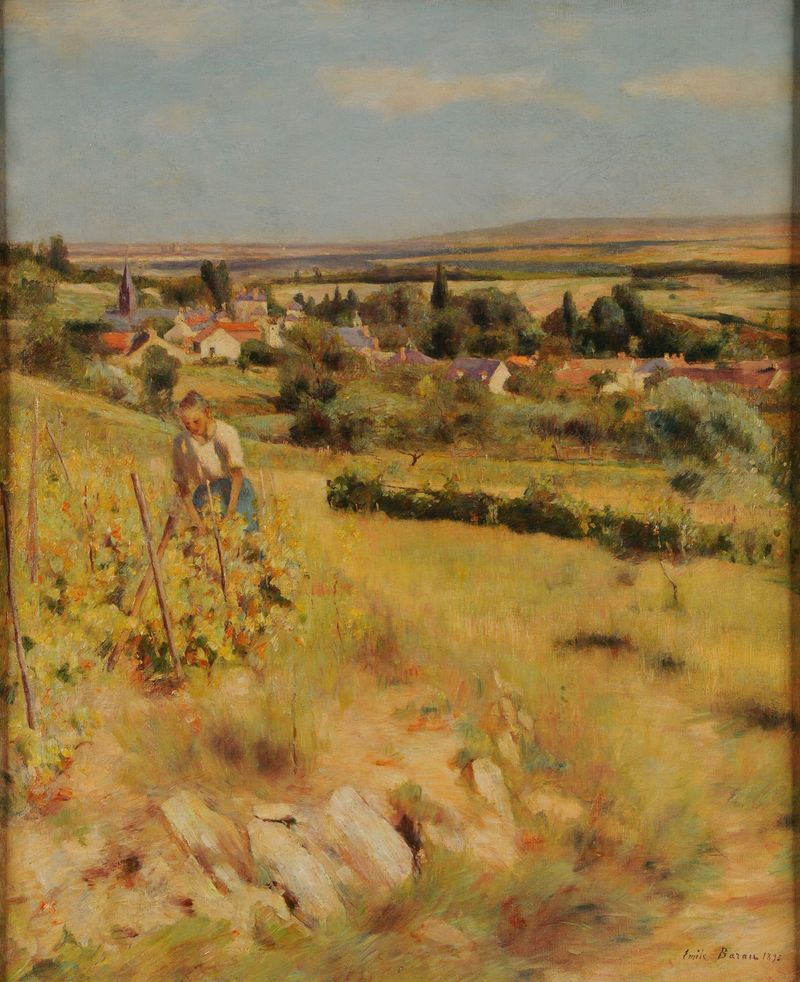
Vue sur Chenay
Émile Barau

Près Semide (Ardennes) Paysage de semide (Ardennes)
Émile Barau

L’été en Champagne
Émile Barau
Le printemps à Billy
Émile Barau





