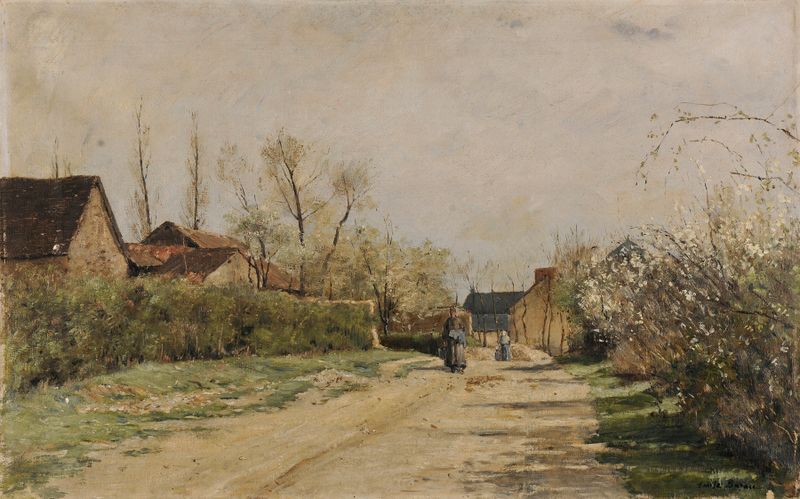
Vue prise du Parc Pommery en 1894 — History & Facts
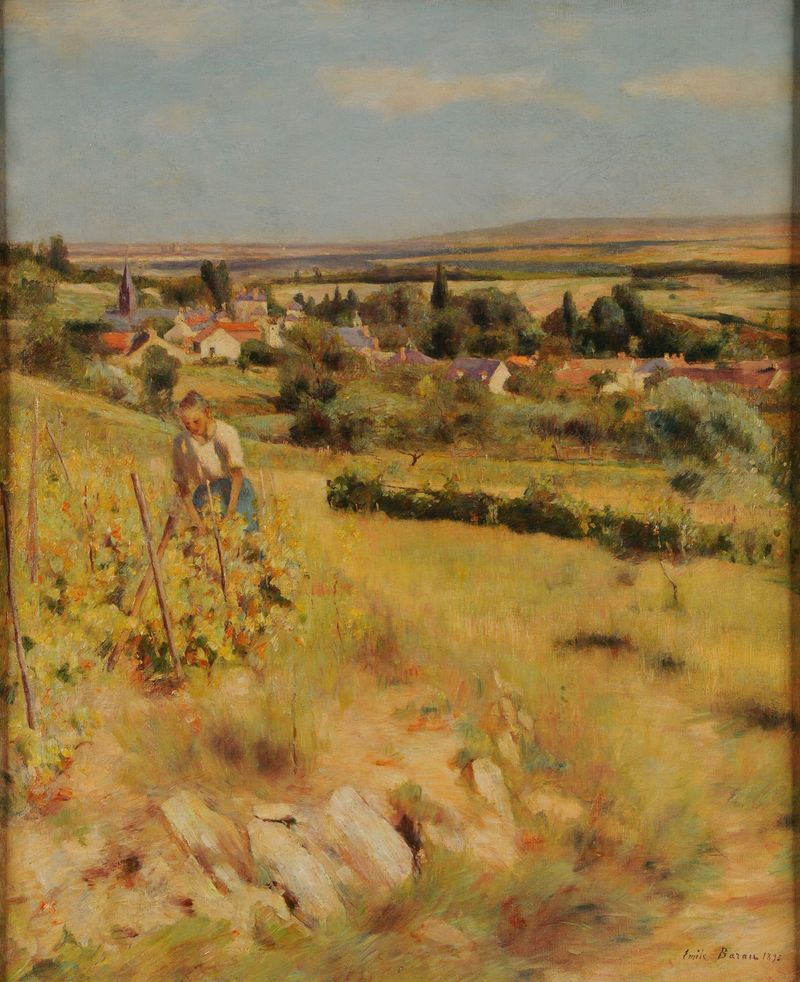
Could beauty survive in a century of chaos? As the world grappled with rapid industrialization and the shadows of conflict, the delicate allure of nature beckoned like a whisper amid the clamor. Look to the expansive vista that unfolds before you, where lush greenery and gentle slopes create a harmonious embrace. Notice how the light dances across the scene, illuminating the delicate leaves and casting dappled shadows on the ground. The artist employs a palette rich in greens and soft pastels, evoking a sense of tranquility that contrasts sharply with the underlying tensions of the time.
Each brushstroke seems to breathe life into the landscape, inviting the viewer to step into this ephemeral moment. Delve deeper, and you may find layers of meaning woven into this serene panorama. The figures, though small against the grandeur of nature, embody a yearning for connection and solace amidst encroaching modernity. The composition reflects a delicate balance between the human presence and the vastness of the natural world, suggesting an eternal struggle for harmony.
In every subtle detail, a haunting reminder of both beauty and transience emerges, as if the landscape itself is a silent witness to the passage of time. In 1894, Émile Barau was deeply immersed in the Impressionist movement, capturing fleeting moments with a fresh perspective. Working in France, he sought to depict the interplay of light and nature at a time when the rapid pace of life was reshaping societal norms. This work reflects not only his personal artistic journey but also the broader conversation about the role of nature in an increasingly chaotic world.