
Soleil d’octobre — History & Facts
Can paint confess what words never could? In Soleil d’octobre, a vivid portrayal of autumn's fleeting warmth, Émile Barau invites us to delve deep into a world where every brushstroke whispers of nostalgia and change. Look to the left at the soft hues of gold and amber, where the last rays of the sun bathe the landscape in a glow reminiscent of memories. Notice how the trees, with their leaves tinged in vibrant shades, seem to sway gently in the crisp air, each brushstroke echoing the tenderness of the season. The delicate interplay of light and shadow creates a rhythm, guiding the viewer’s eye across the canvas, while the horizon line invites contemplation of what lies beyond. Hidden within this radiant surface are layers of emotional tension; the vibrant colors suggest longing, while the encroaching shadows whisper of the inevitable decline of summer.
The fleeting nature of the sunlight mirrors the passage of time, evoking a bittersweet sense of loss. Each element—the rustic path, the fading light—tells a story of transition, as life moves forward yet grips tightly to the past. In 1900, at the heart of a period brimming with artistic exploration, Barau painted this evocative scene in France, amidst a burgeoning movement that embraced the beauty of everyday life. As the world around him transitioned into modernity, Barau's work remained rooted in capturing the essence of fleeting moments, allowing viewers to pause and reflect on the stories that linger long after the colors fade.
More Artworks by Émile Barau
Browse all →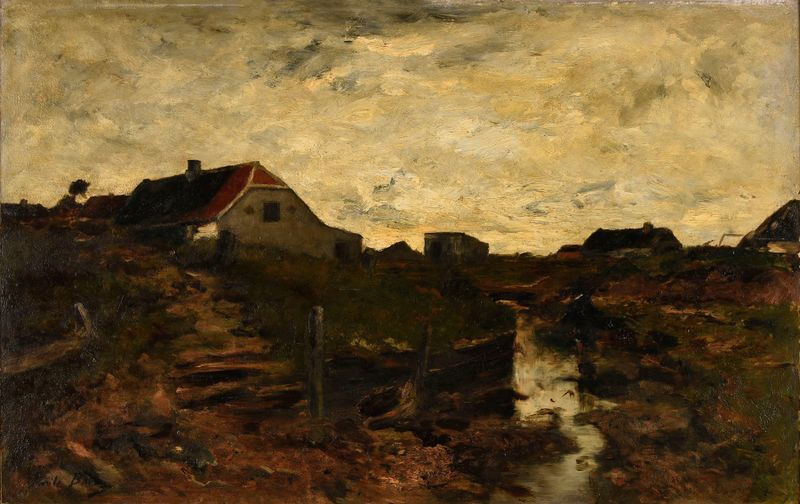
Chaumières dans les dunes à Skagen (Danemark)
Émile Barau
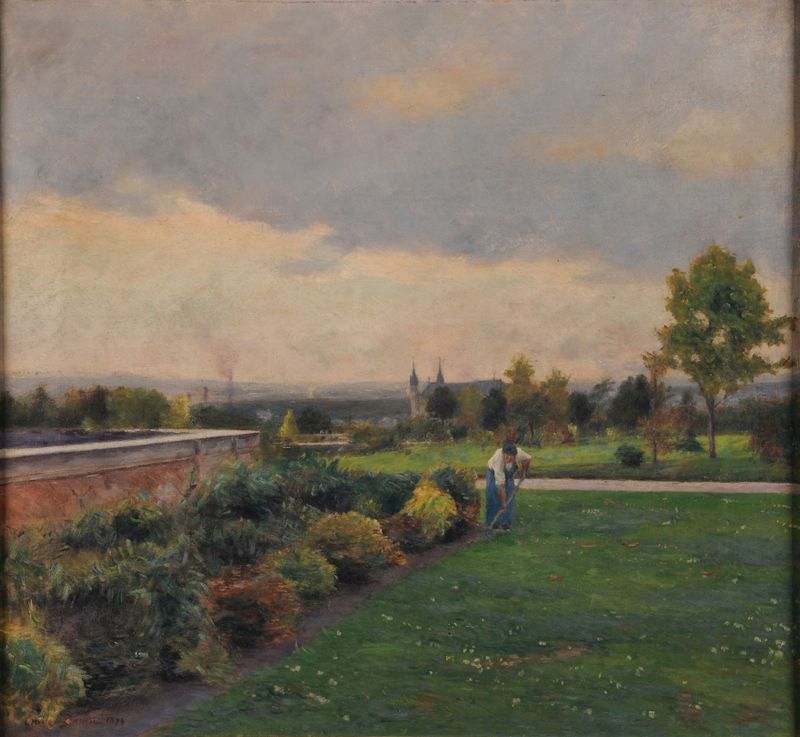
Vue prise du Parc Pommery en 1894
Émile Barau
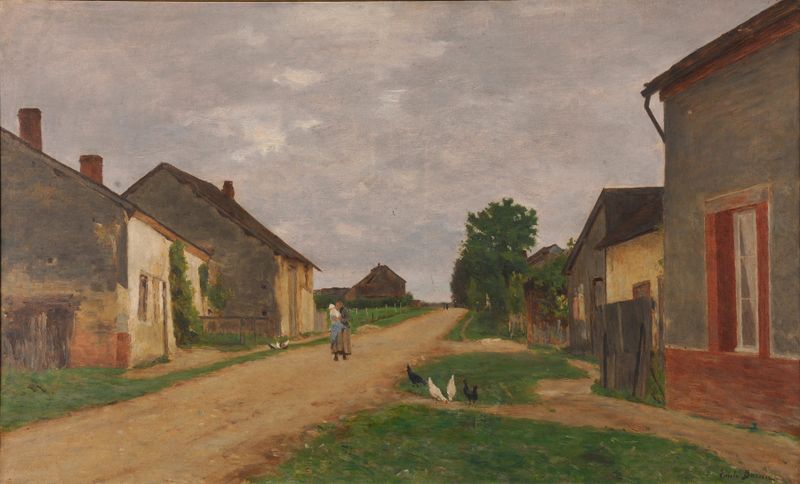
Village champenois
Émile Barau
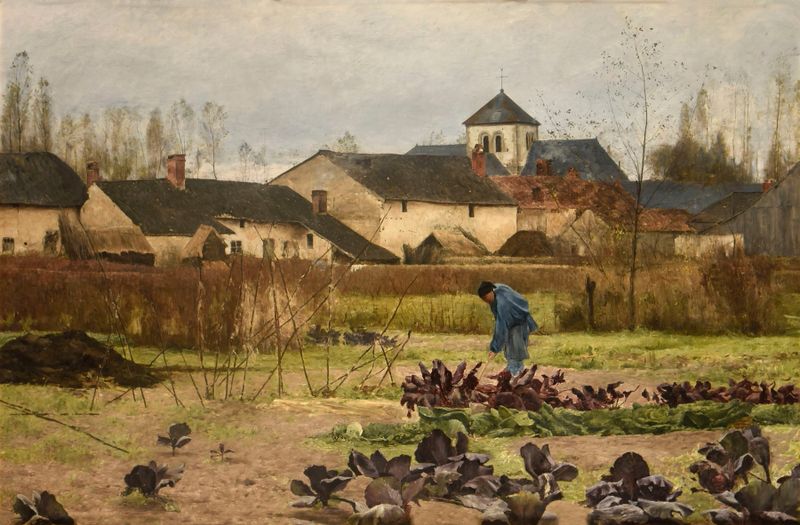
Jardinage d’automne
Émile Barau
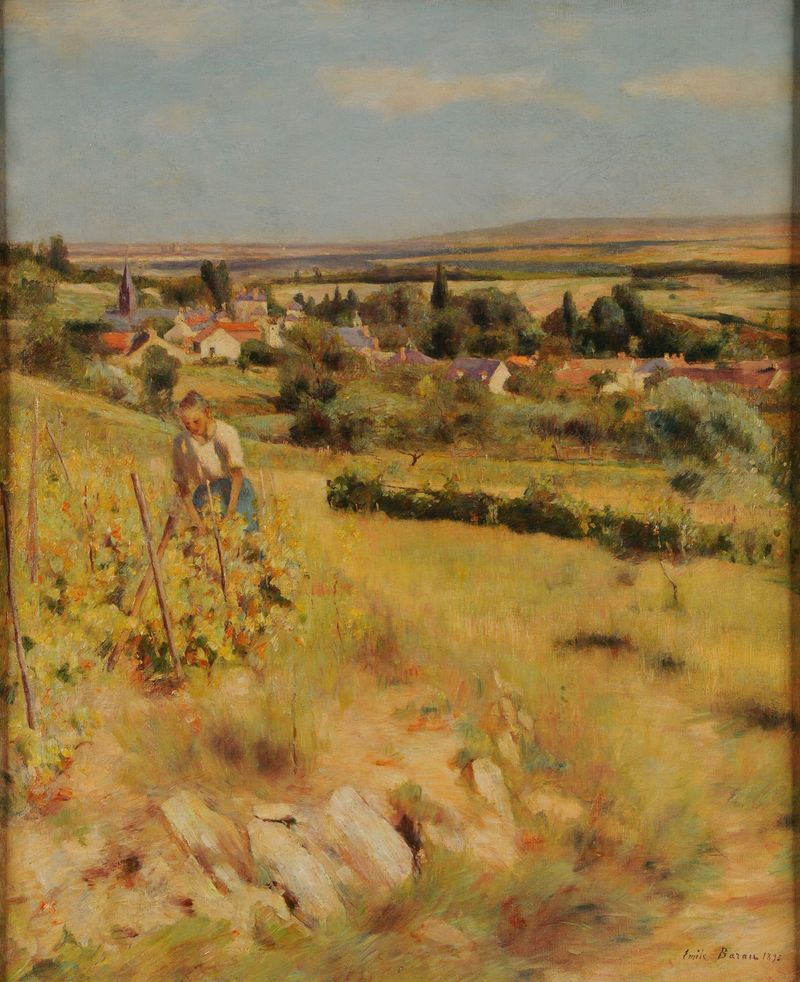
Vue sur Chenay
Émile Barau

Près Semide (Ardennes) Paysage de semide (Ardennes)
Émile Barau

L’été en Champagne
Émile Barau
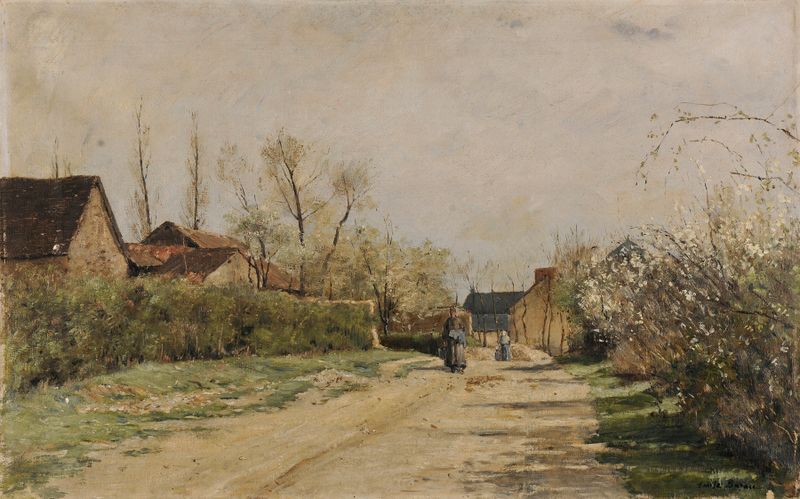
Le printemps à Billy
Émile Barau





