
Vue sur Chenay — History & Facts
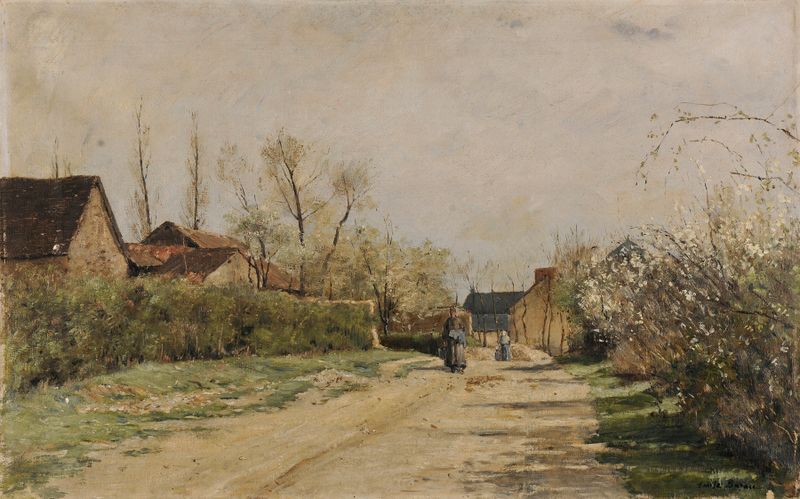
Is this a mirror — or a memory? The quiet serenity of Vue sur Chenay invites contemplation, as it blurs the boundary between the present moment and the echoes of the past. Look to the left at the delicate brushstrokes that shape the trees, their foliage dancing lightly in a gentle breeze. Notice how the sunlight filters through the leaves, creating a play of shadow and light that breathes life into the scene. The soft palette of greens and blues reflects the stillness of nature, while the distant horizon seems to dissolve into a whisper of warmth.
It’s here that the viewer's eye is drawn, both to the intricate details of the landscape and to the soothing expansiveness beyond. Yet, beneath this tranquil surface lies a profound tension, as the juxtaposition of light and shadow hints at memories both cherished and lost. The almost haunting silence envelops the scene, encouraging the viewer to pause and reflect on their own connections to nature and time. Each element, from the rippling water to the distant hills, conveys a sense of longing, as if the landscape itself is a vessel of shared experiences and forgotten stories. In 1895, Émile Barau painted this piece while navigating the burgeoning Impressionist movement, which sought to capture fleeting moments in time.
Working in Paris, he was influenced by the works of his contemporaries, yet he carved out his own voice amidst a world that was rapidly changing. This painting represents not only his technical mastery but also a deep-seated yearning for stillness in an age of relentless progress.
More Artworks by Émile Barau
Browse all →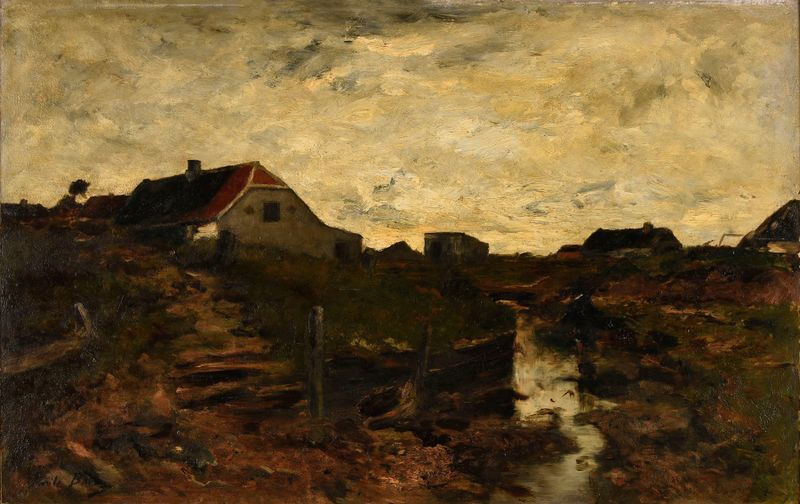
Chaumières dans les dunes à Skagen (Danemark)
Émile Barau

Soleil d’octobre
Émile Barau
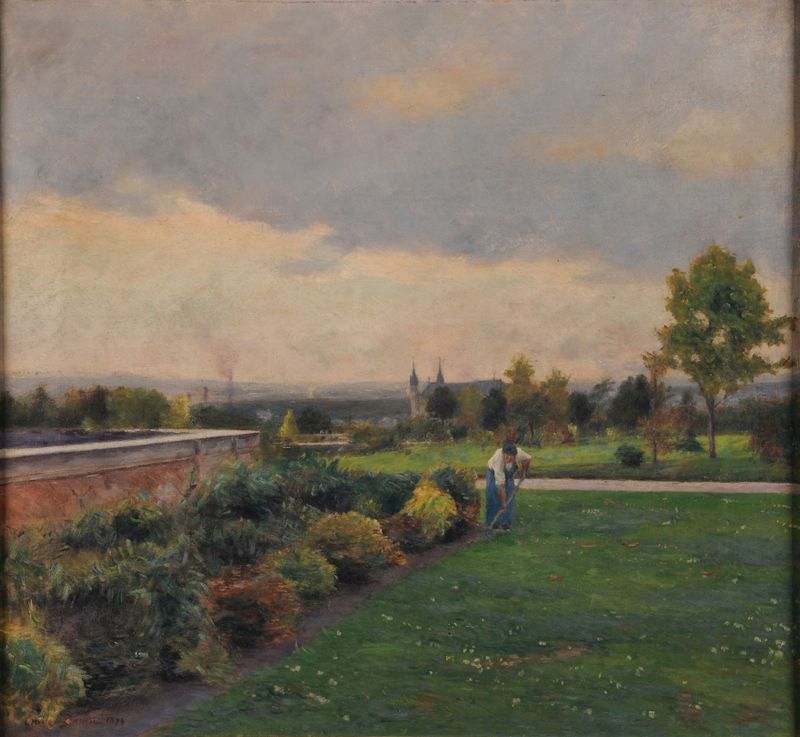
Vue prise du Parc Pommery en 1894
Émile Barau
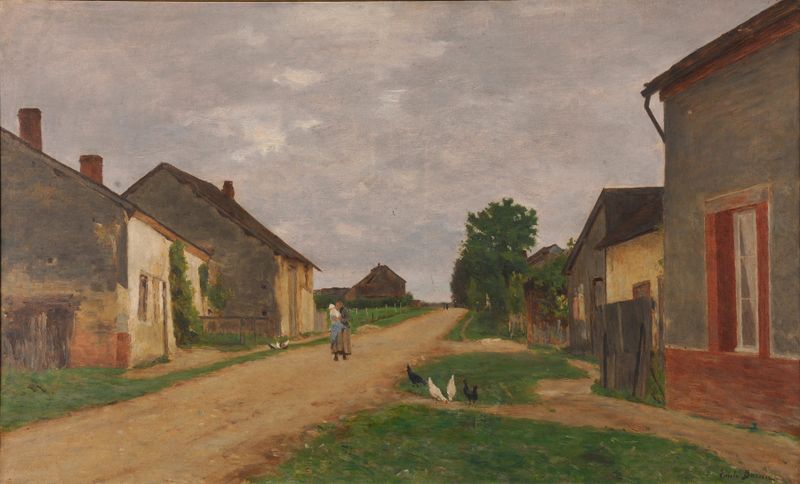
Village champenois
Émile Barau
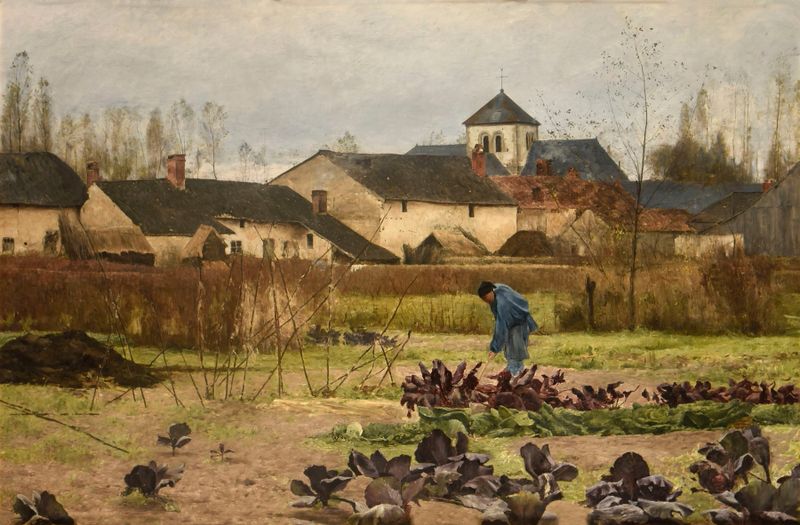
Jardinage d’automne
Émile Barau

Près Semide (Ardennes) Paysage de semide (Ardennes)
Émile Barau

L’été en Champagne
Émile Barau
Le printemps à Billy
Émile Barau





